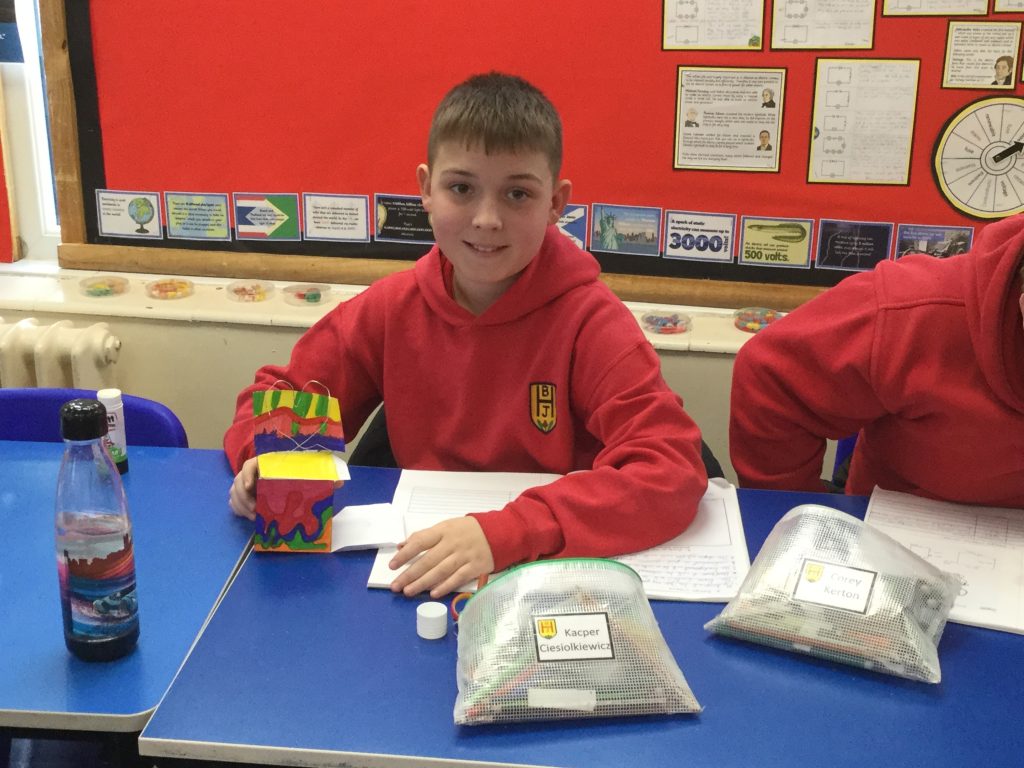
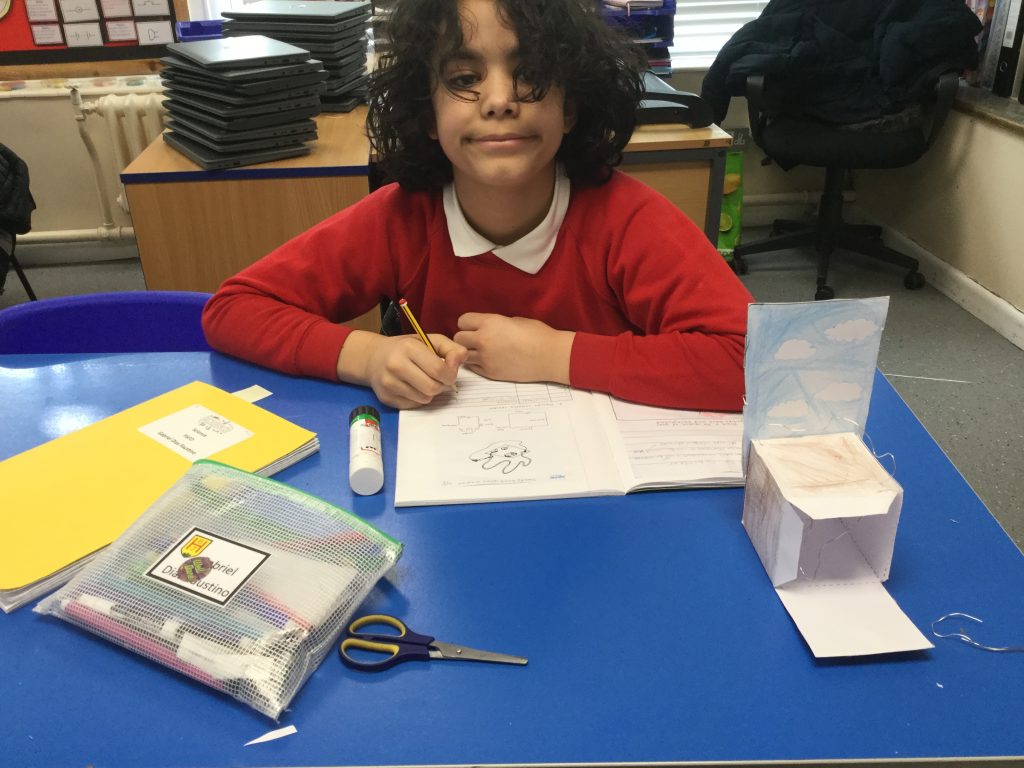
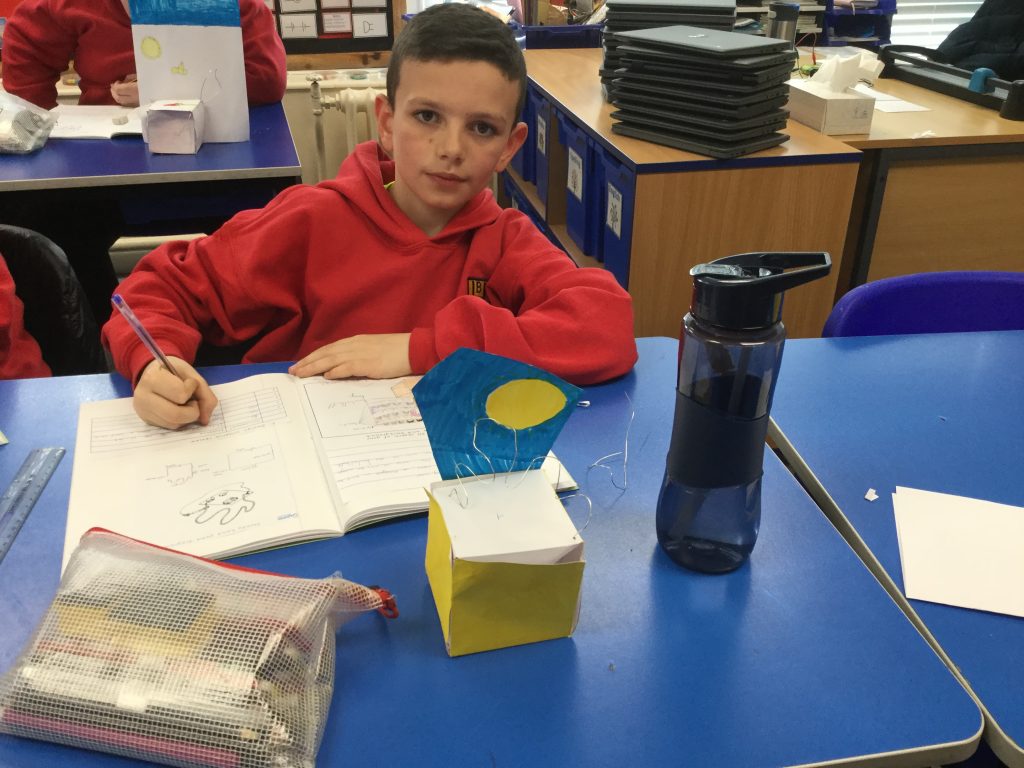
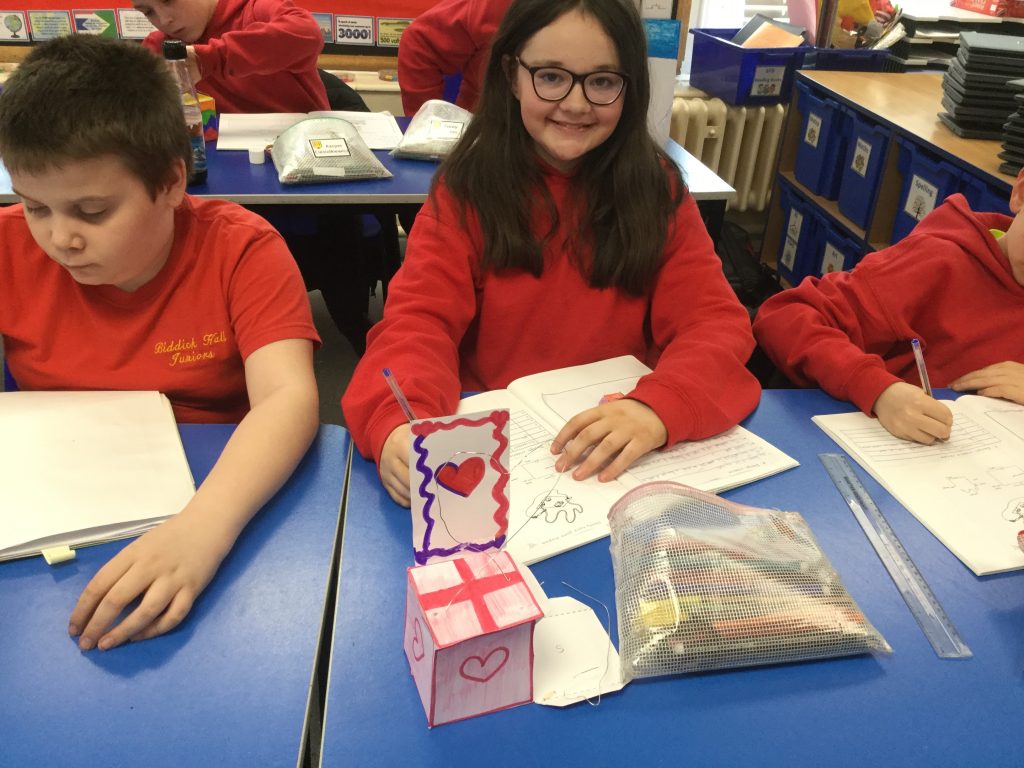
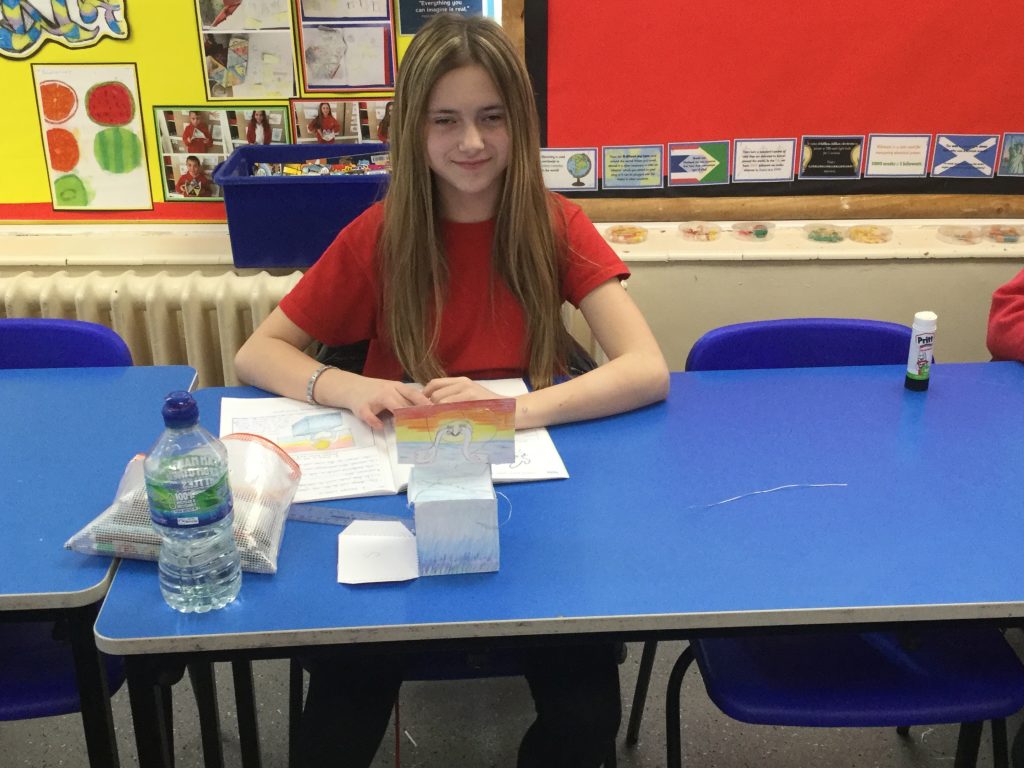
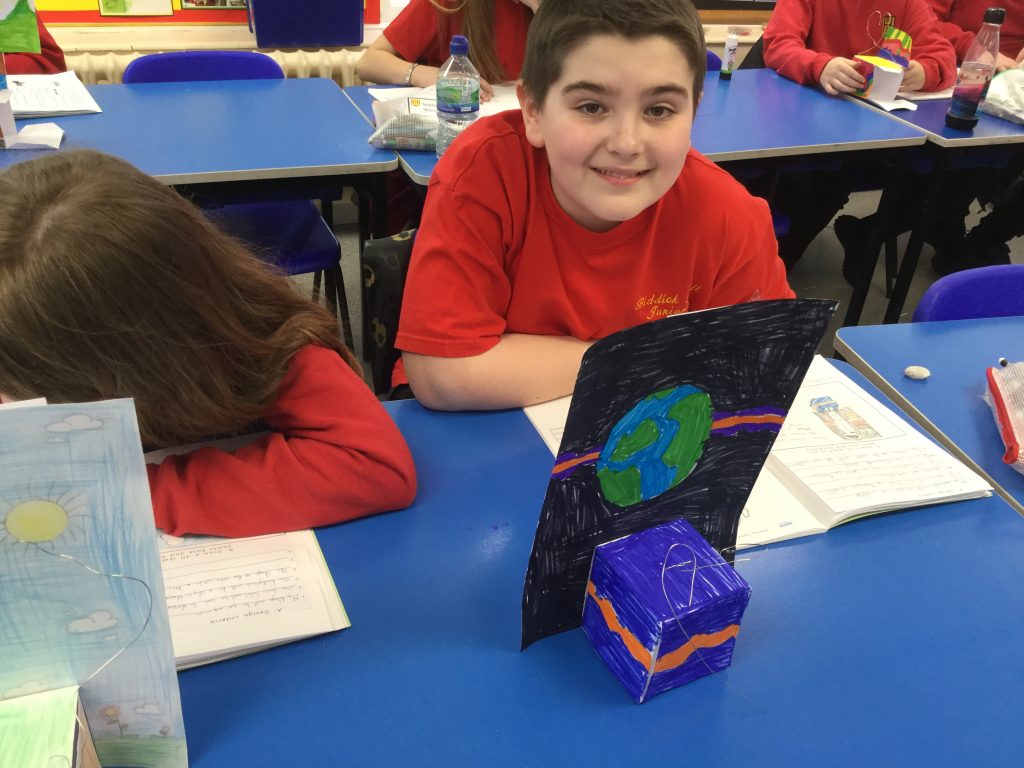
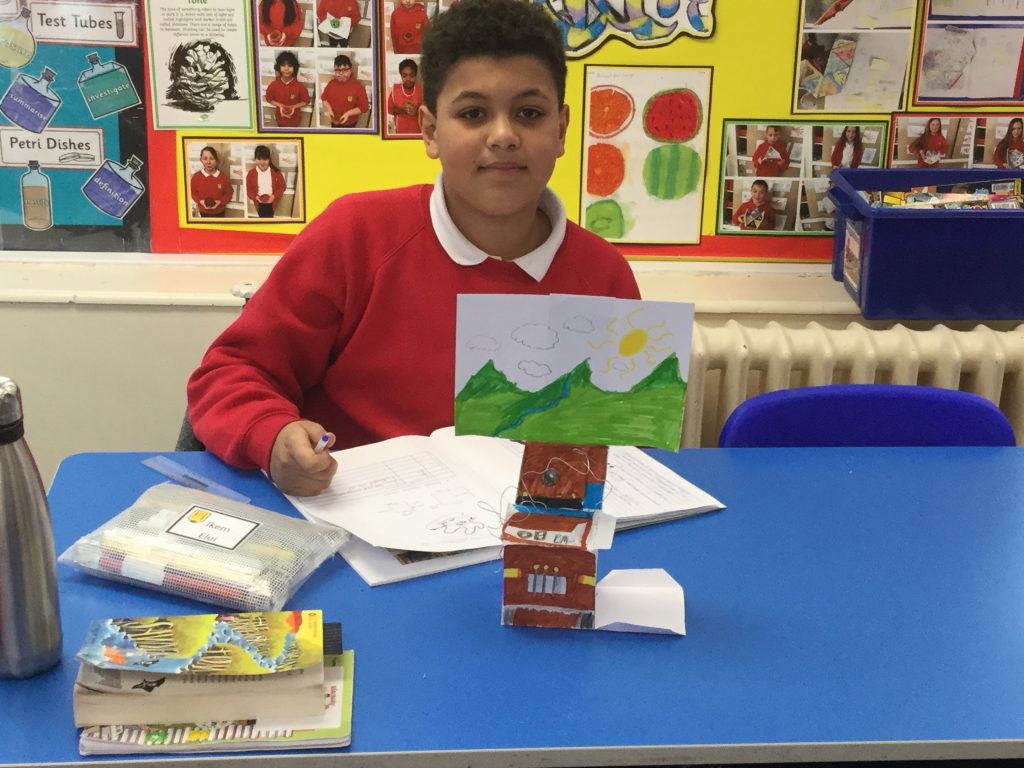
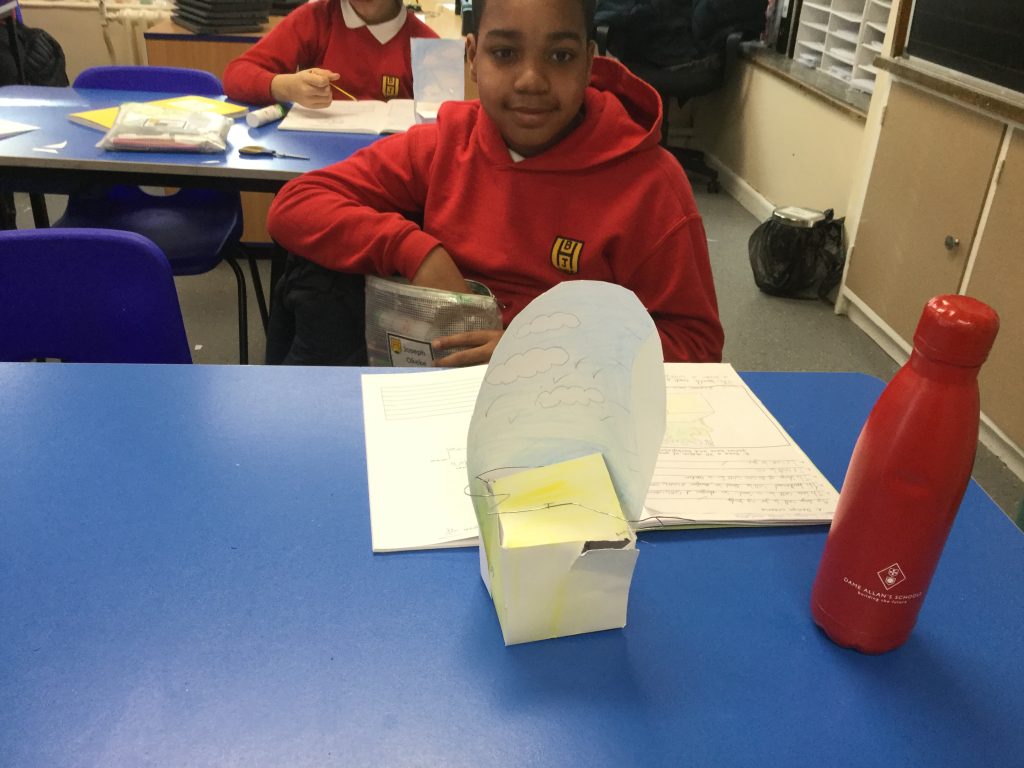
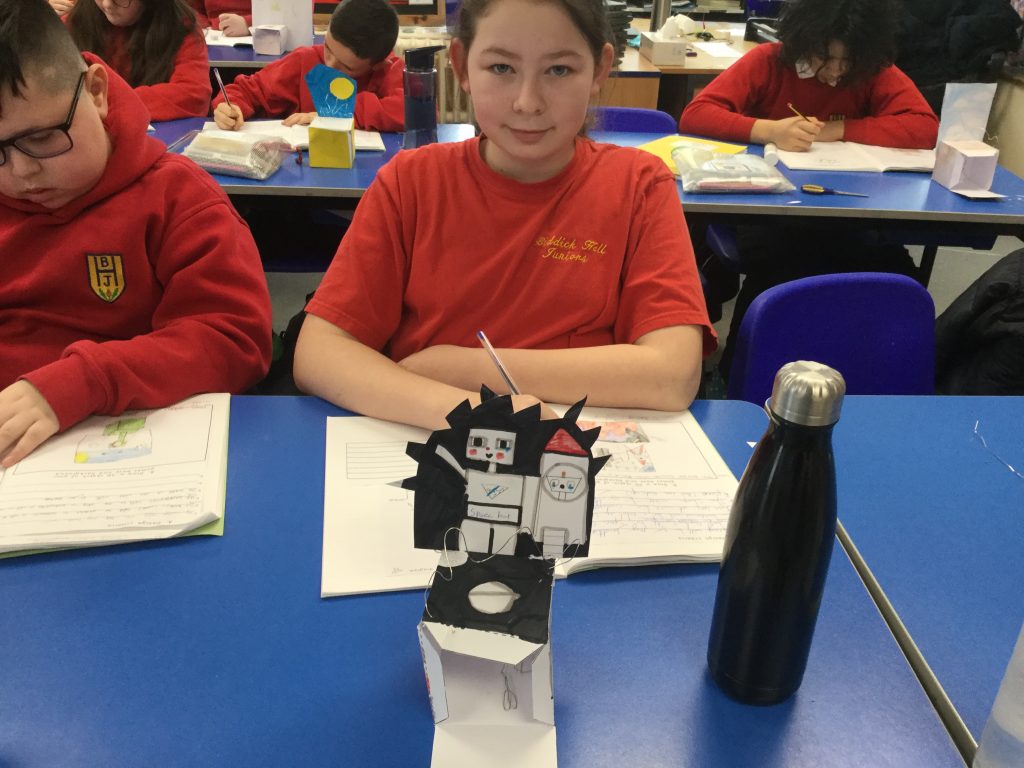
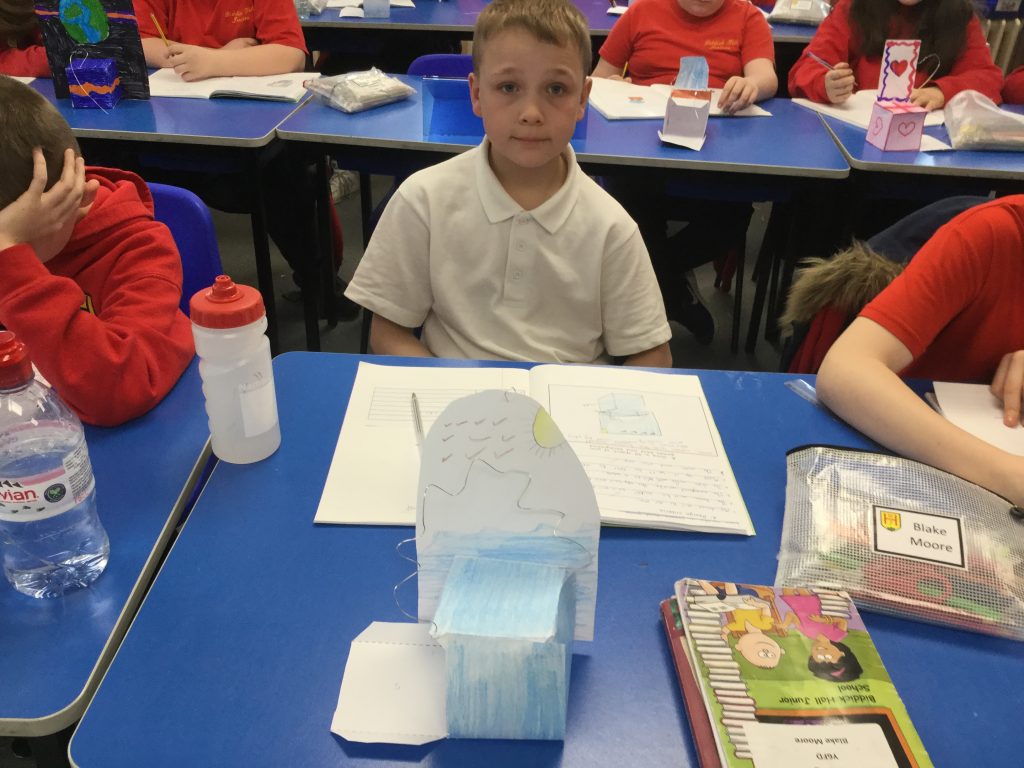
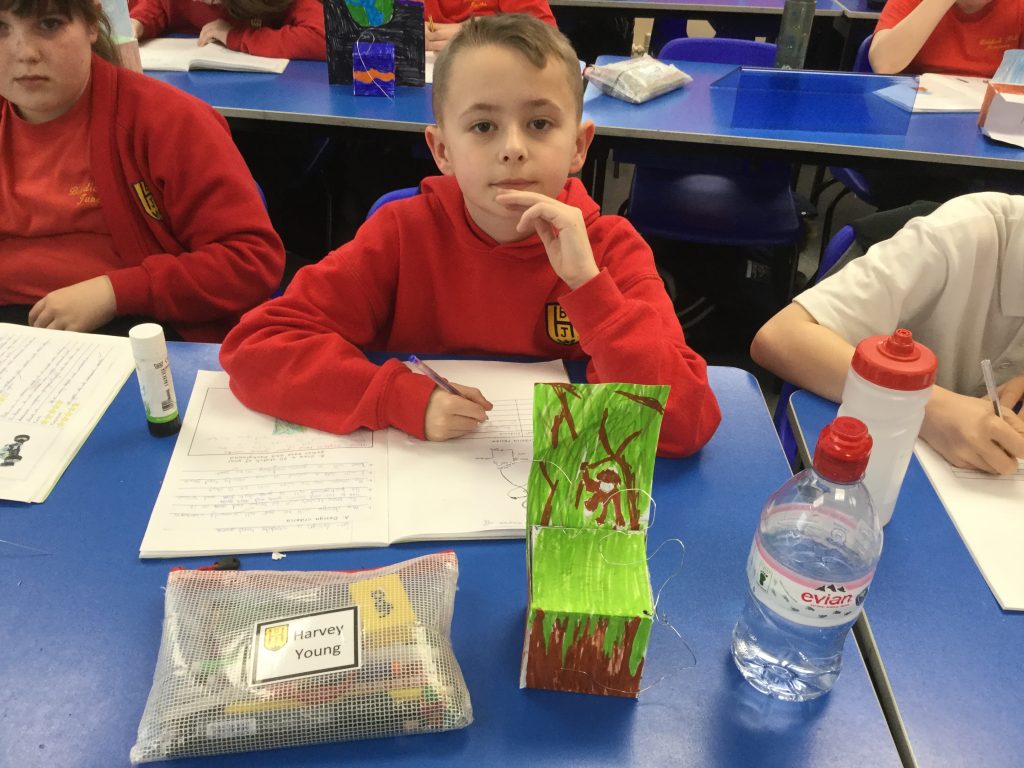
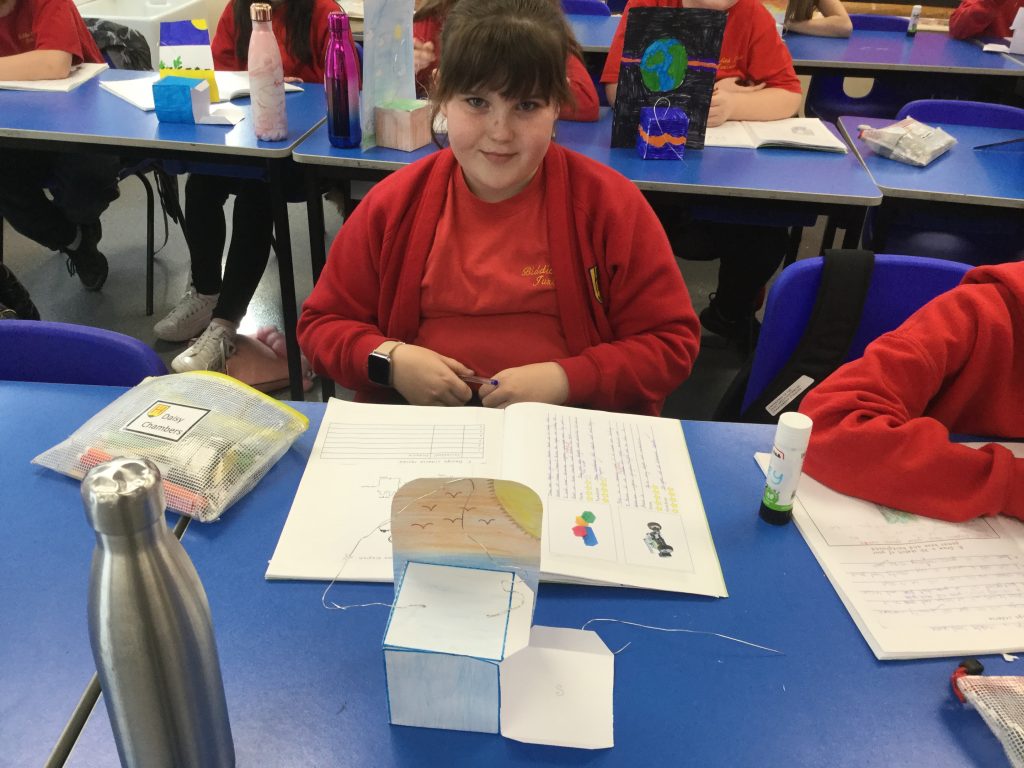
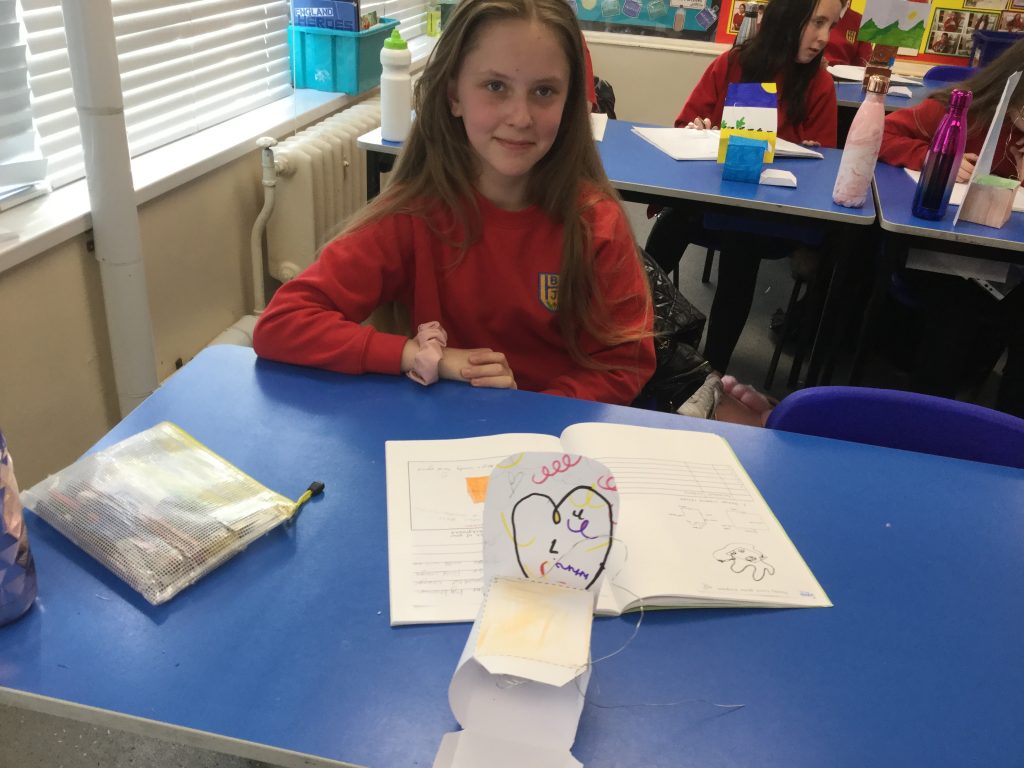
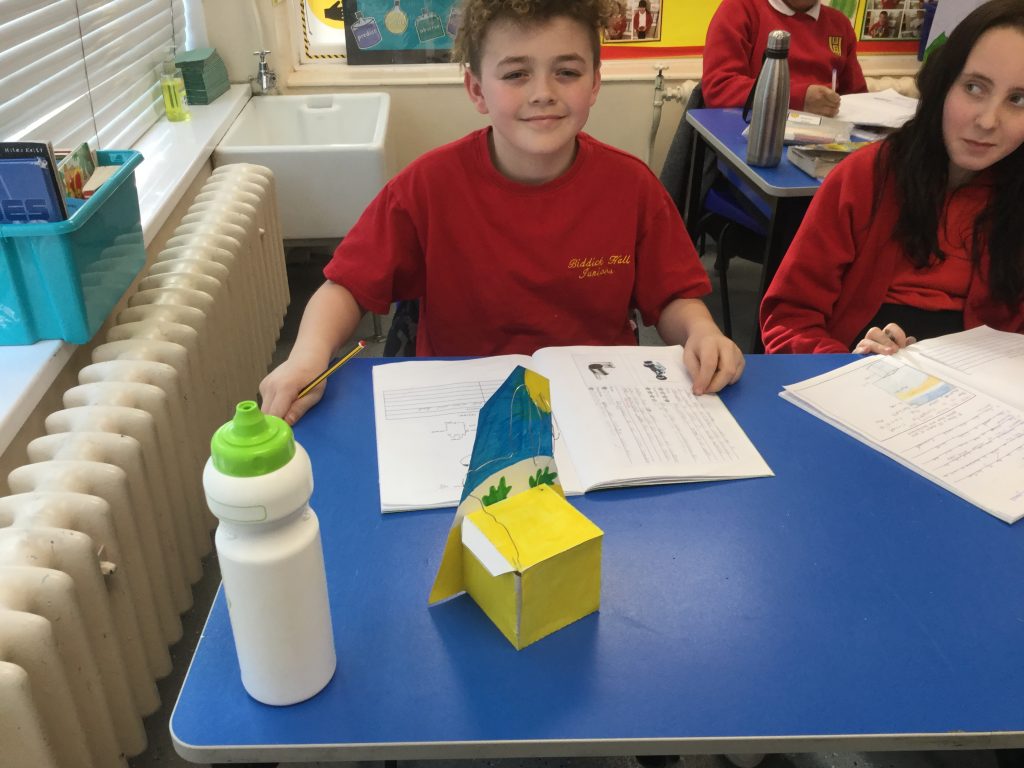
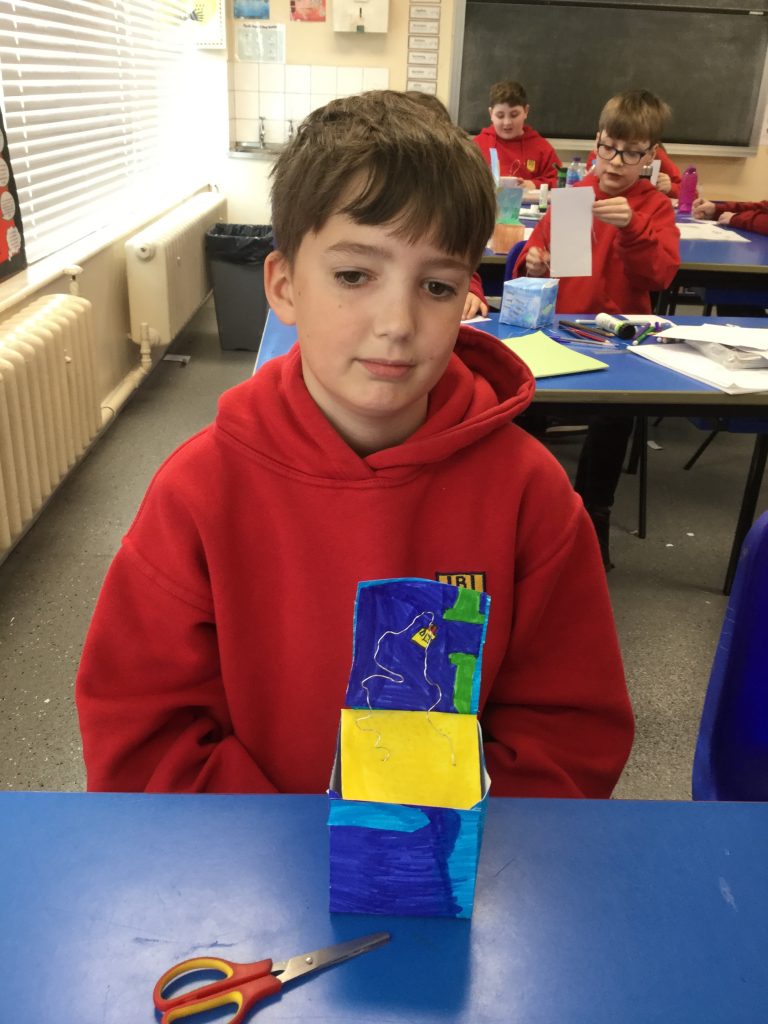
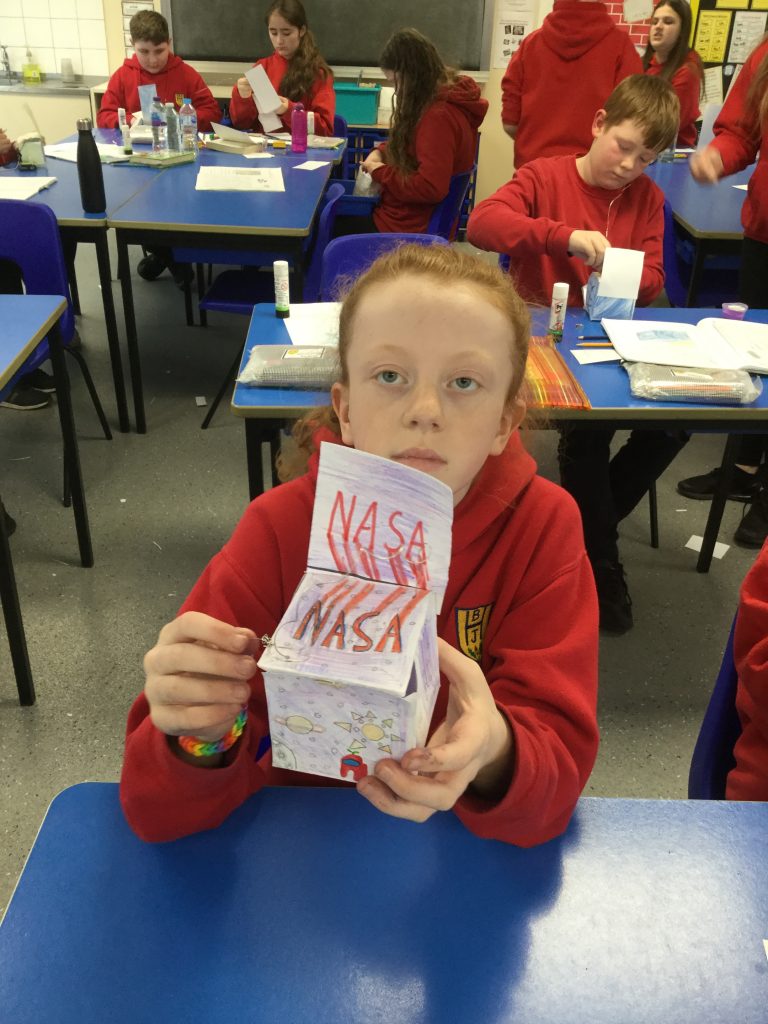
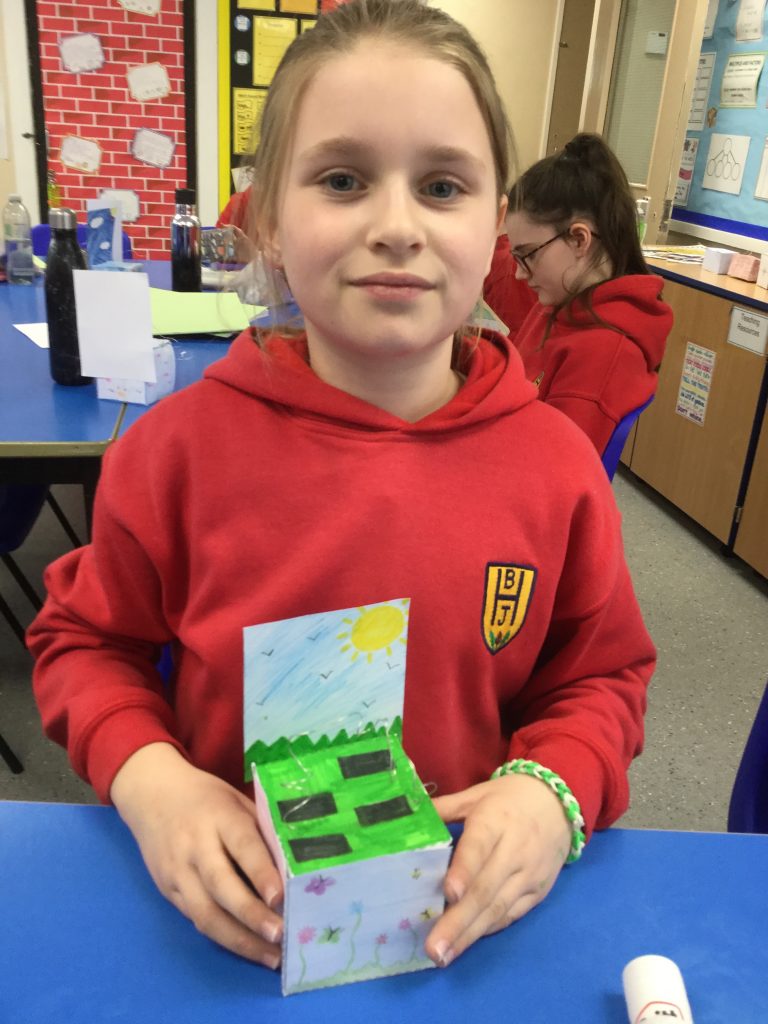
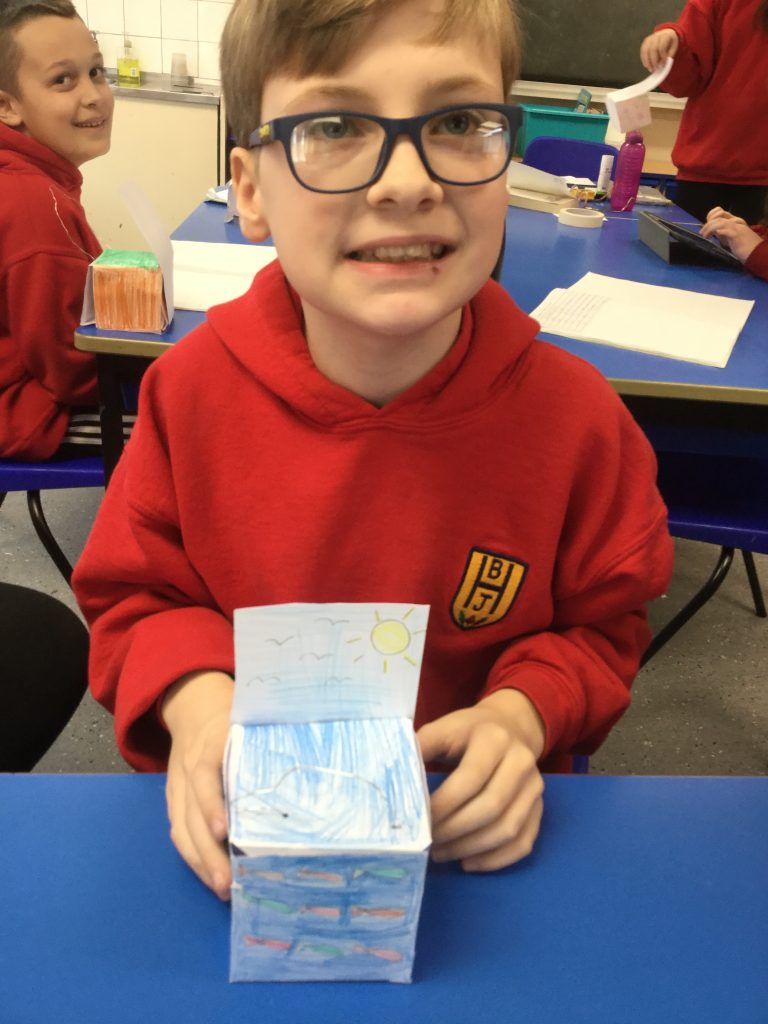
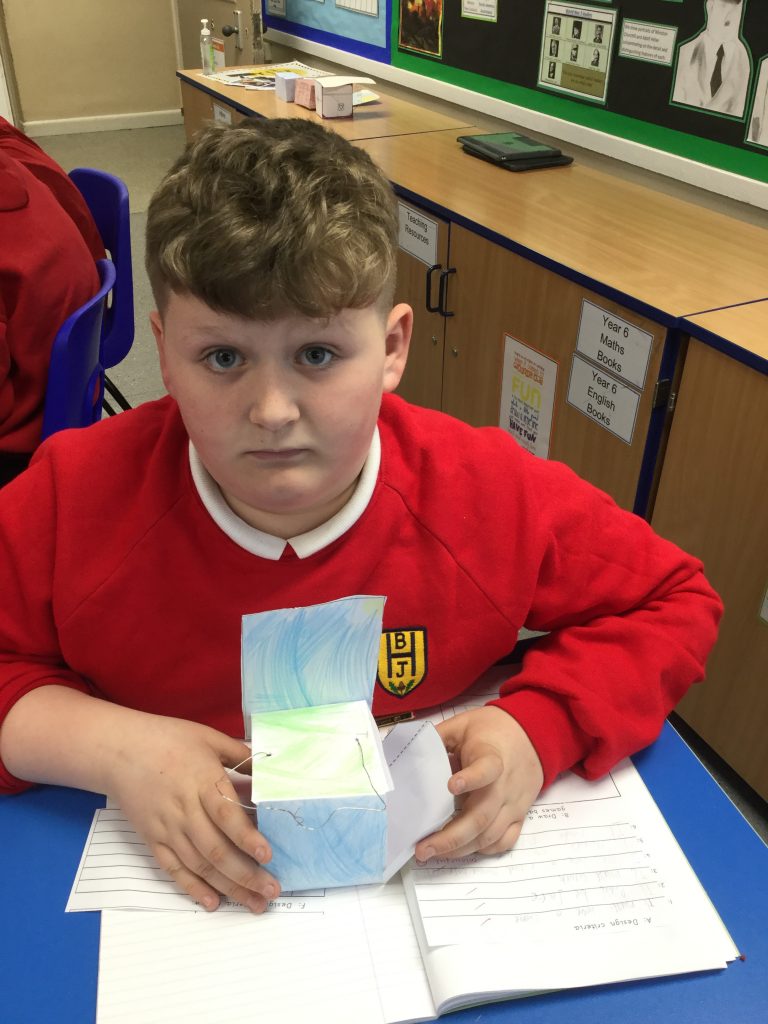
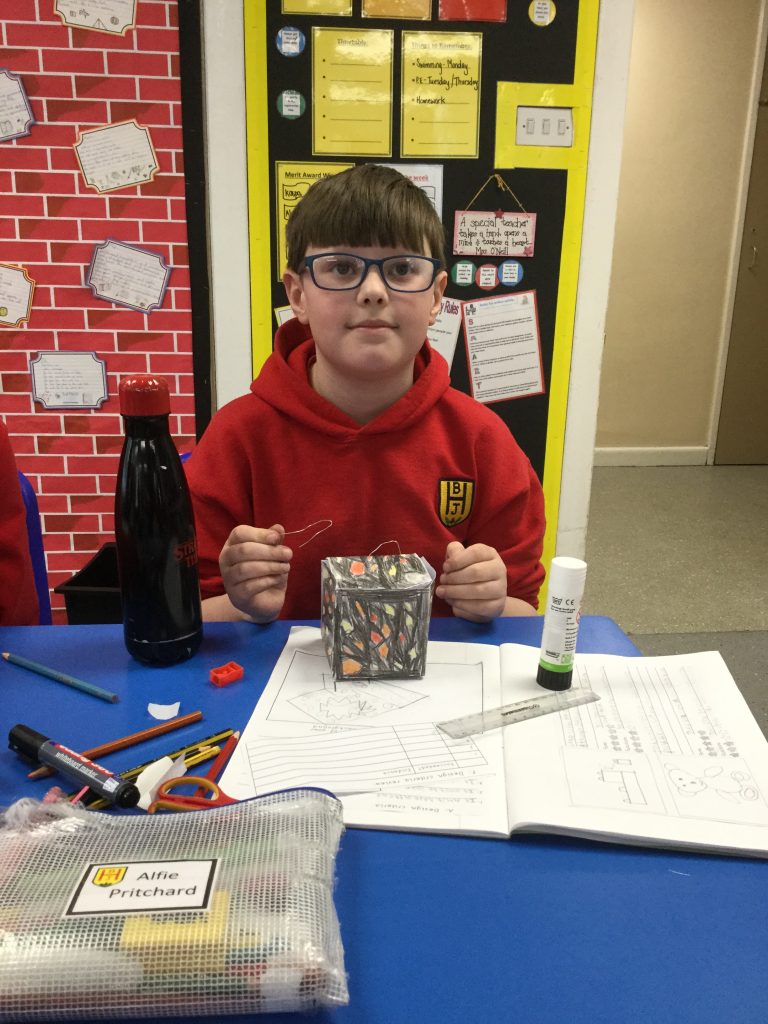
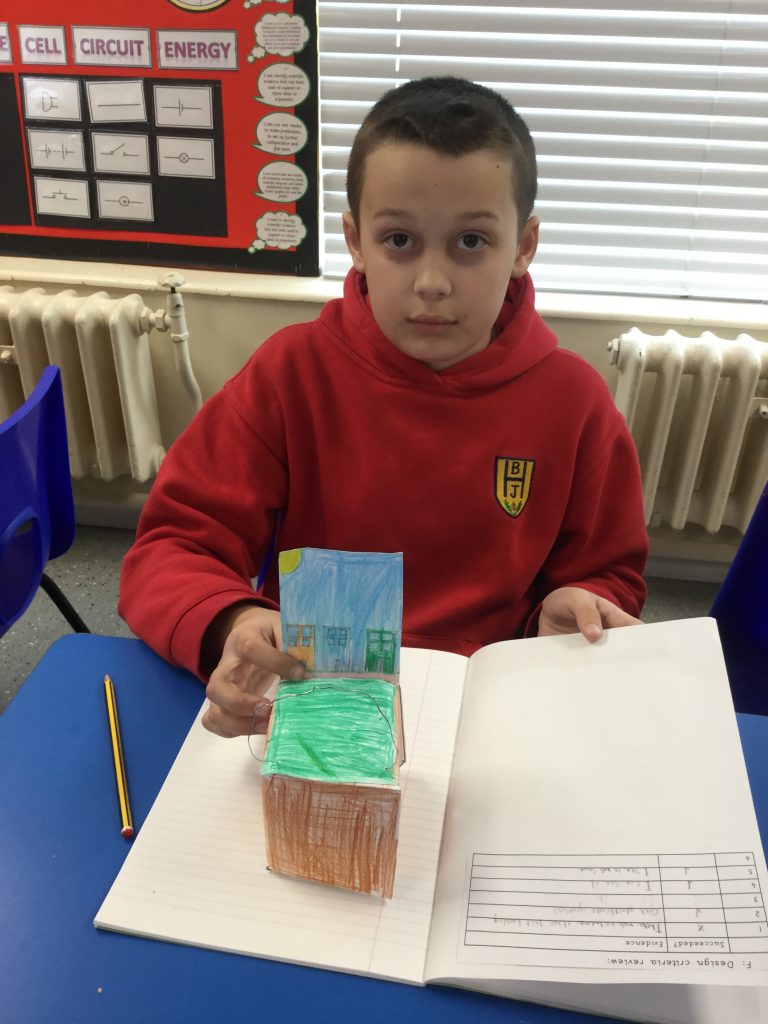
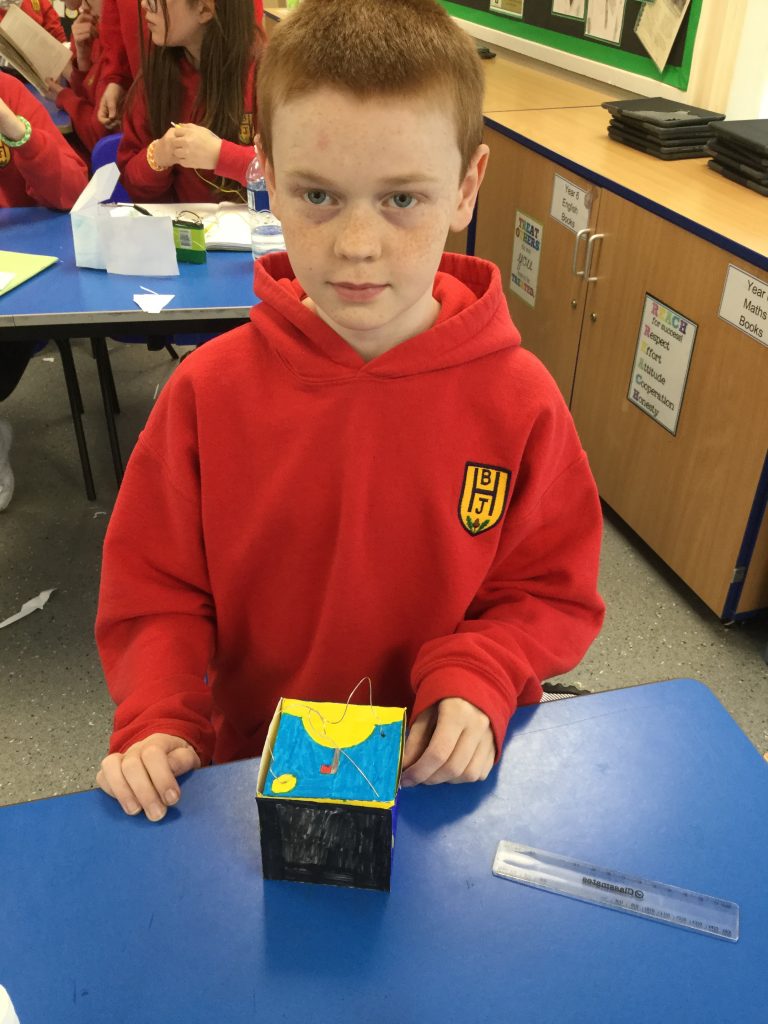
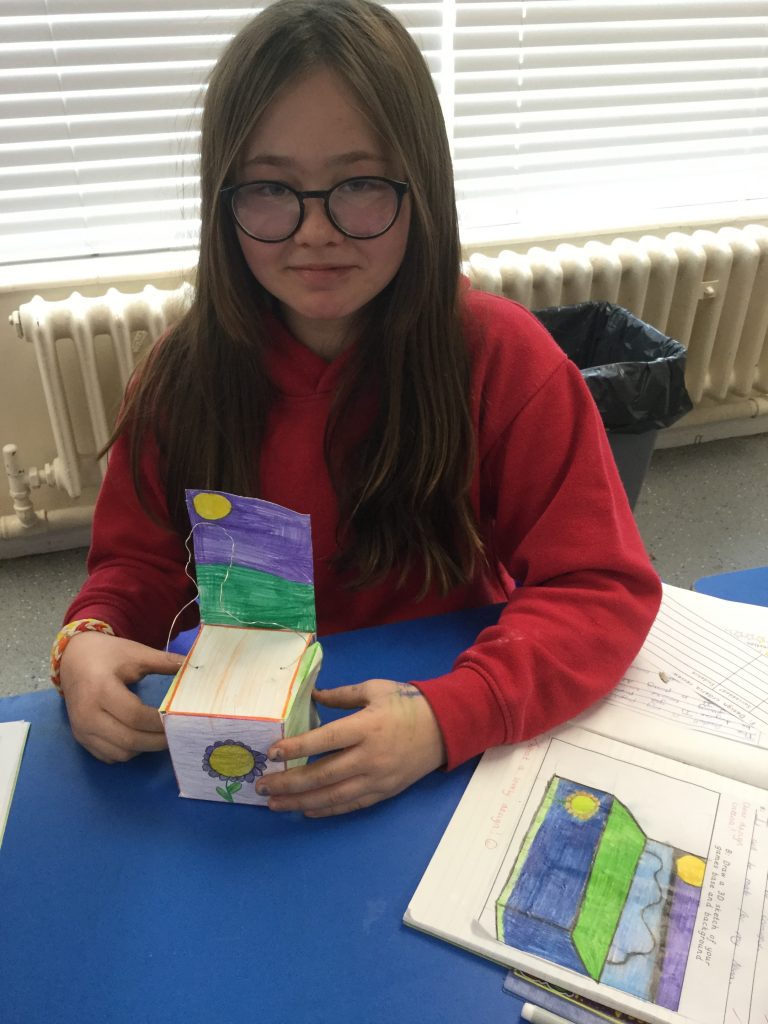
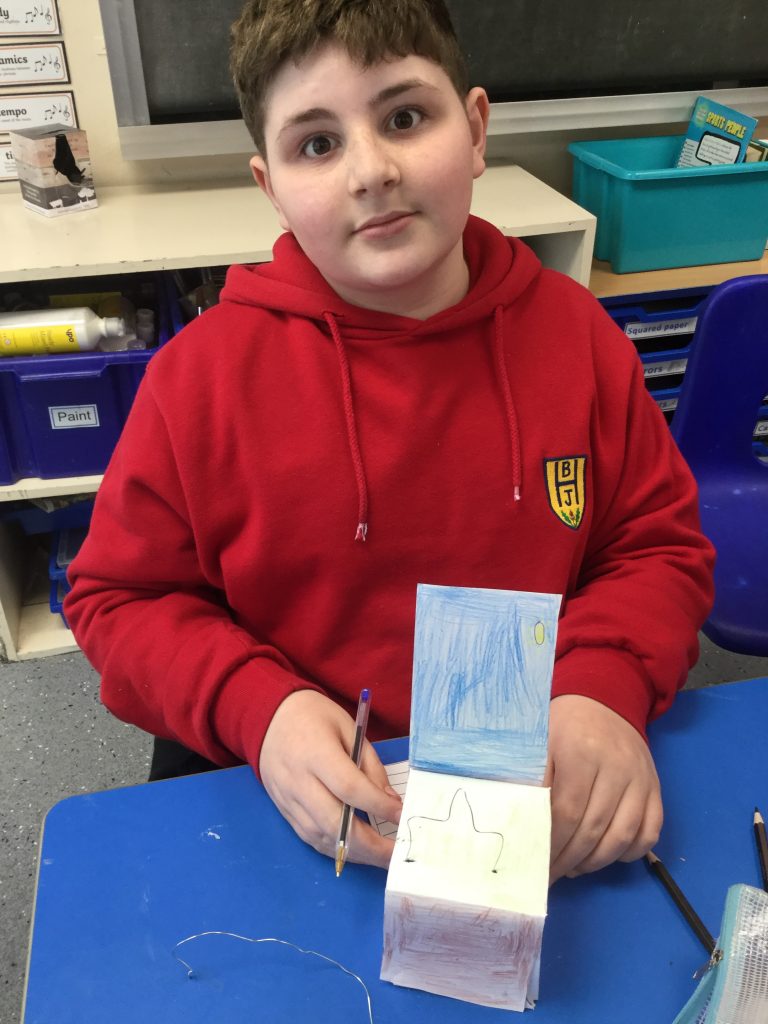
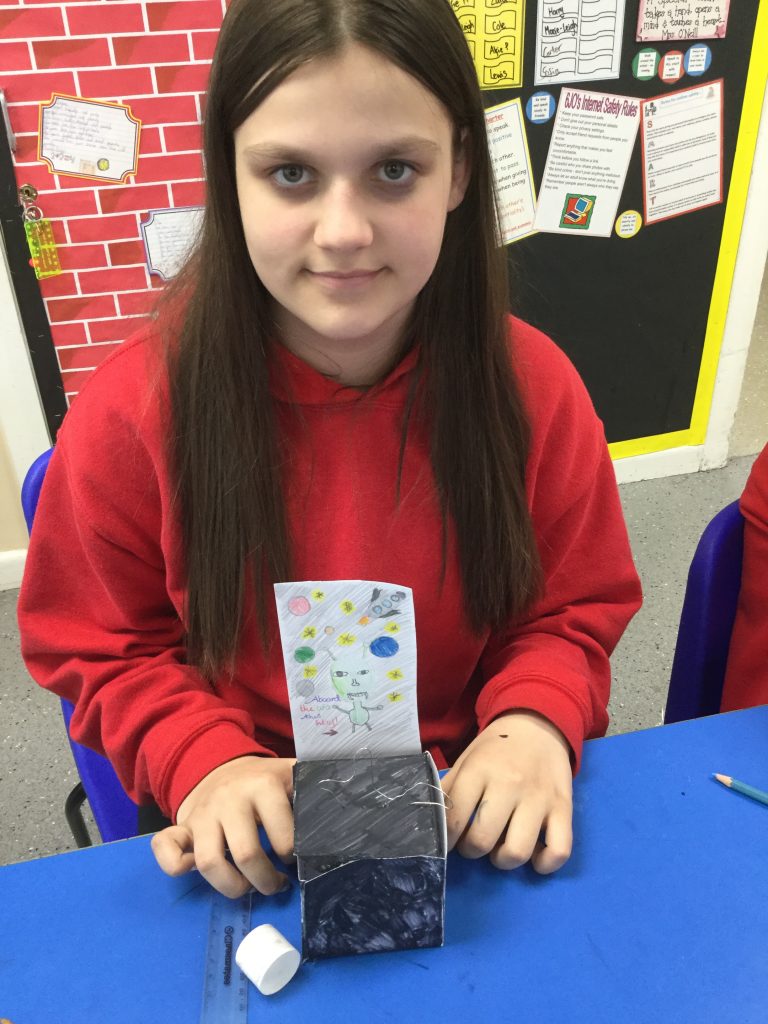
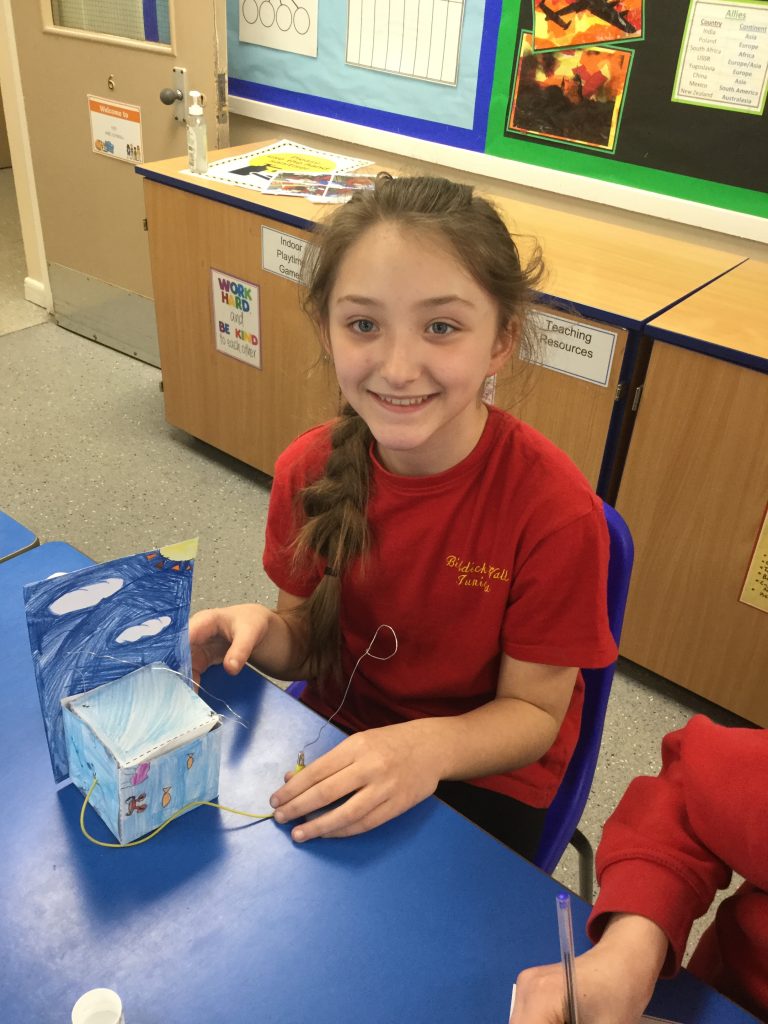
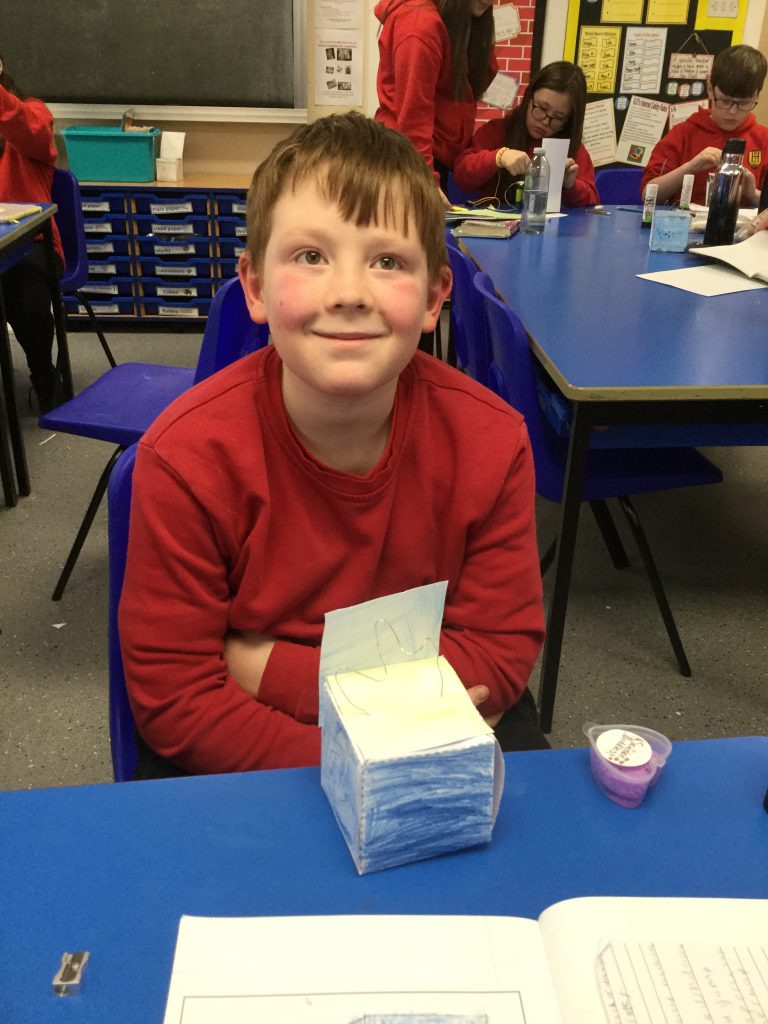
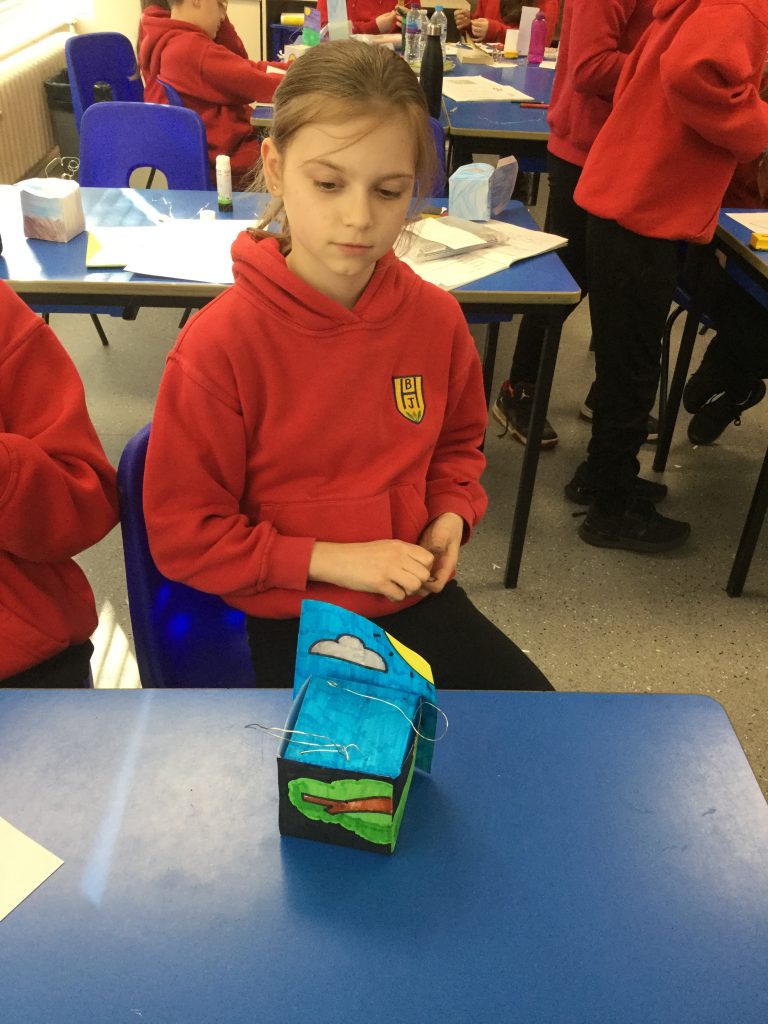
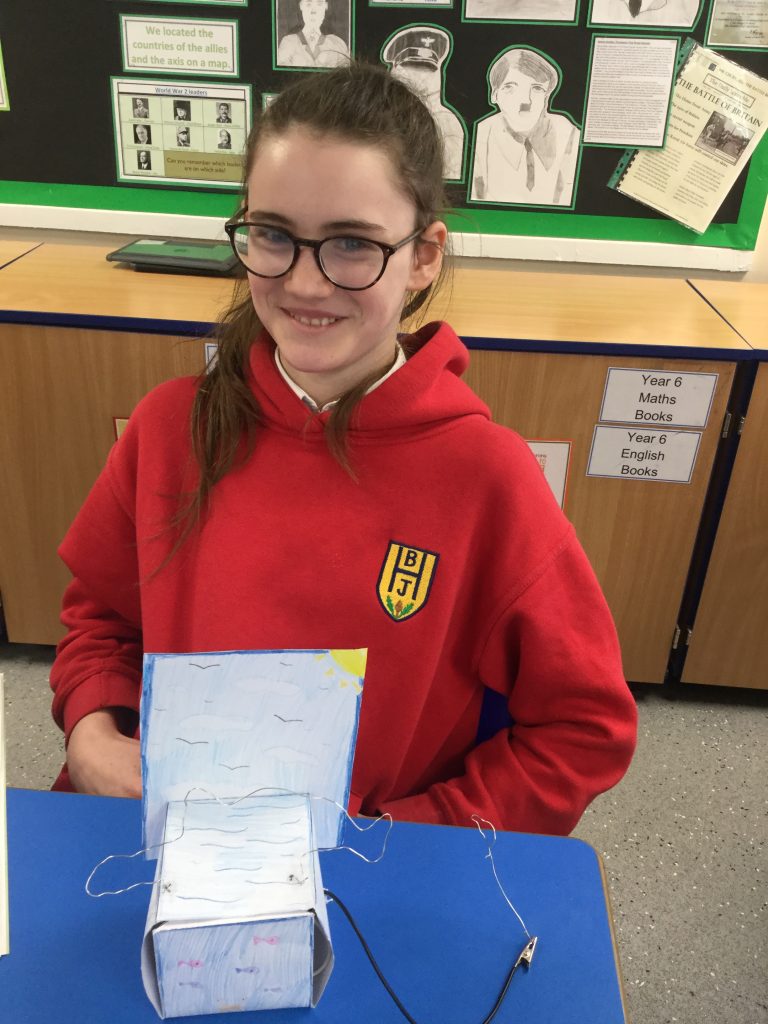
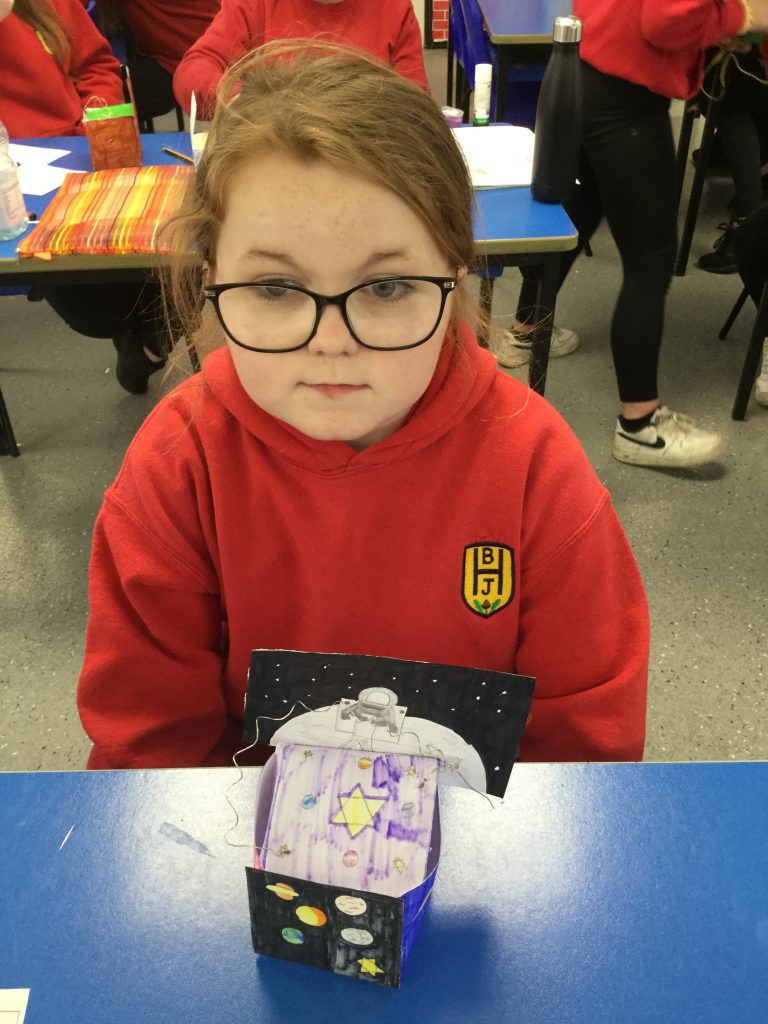
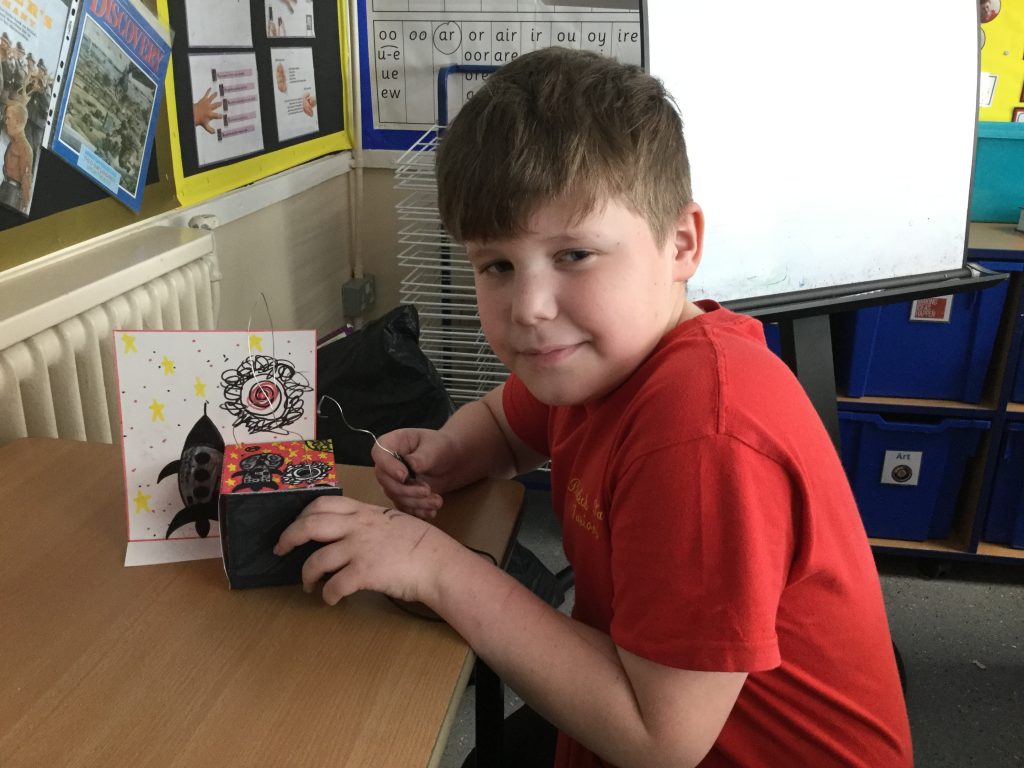
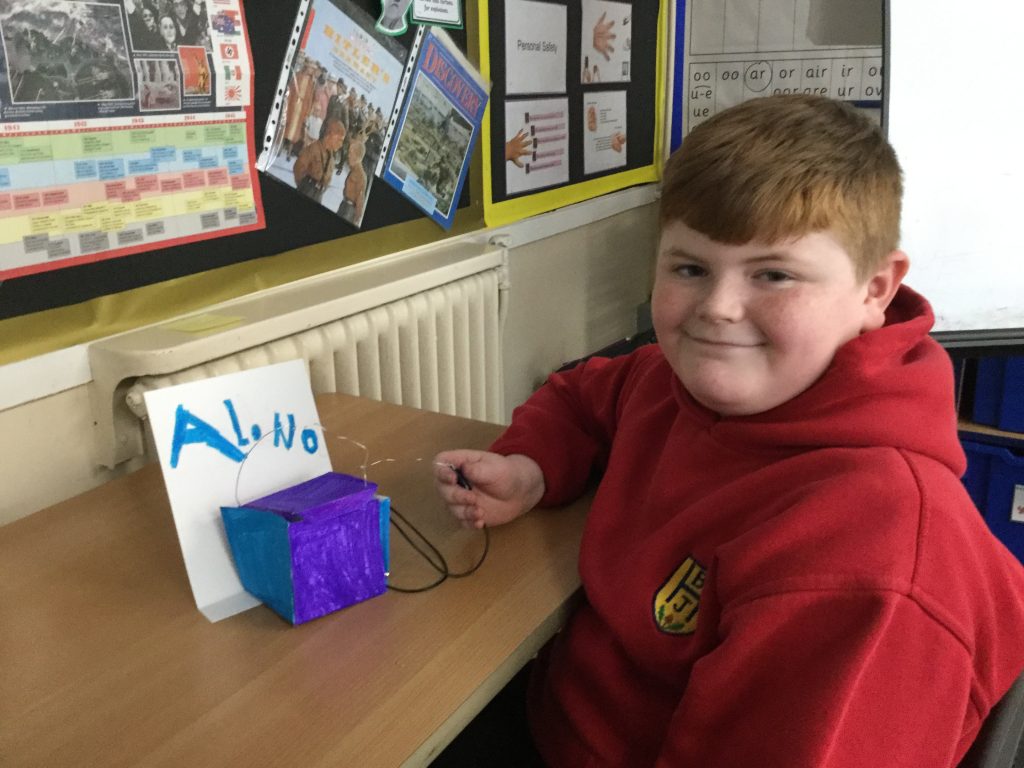
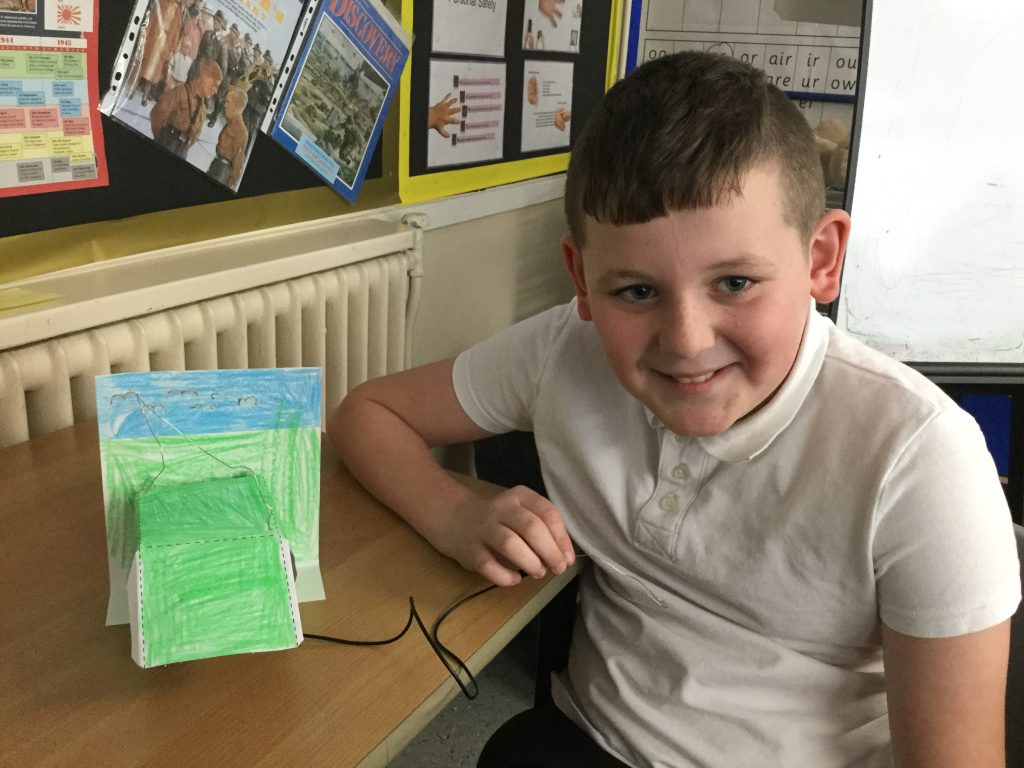
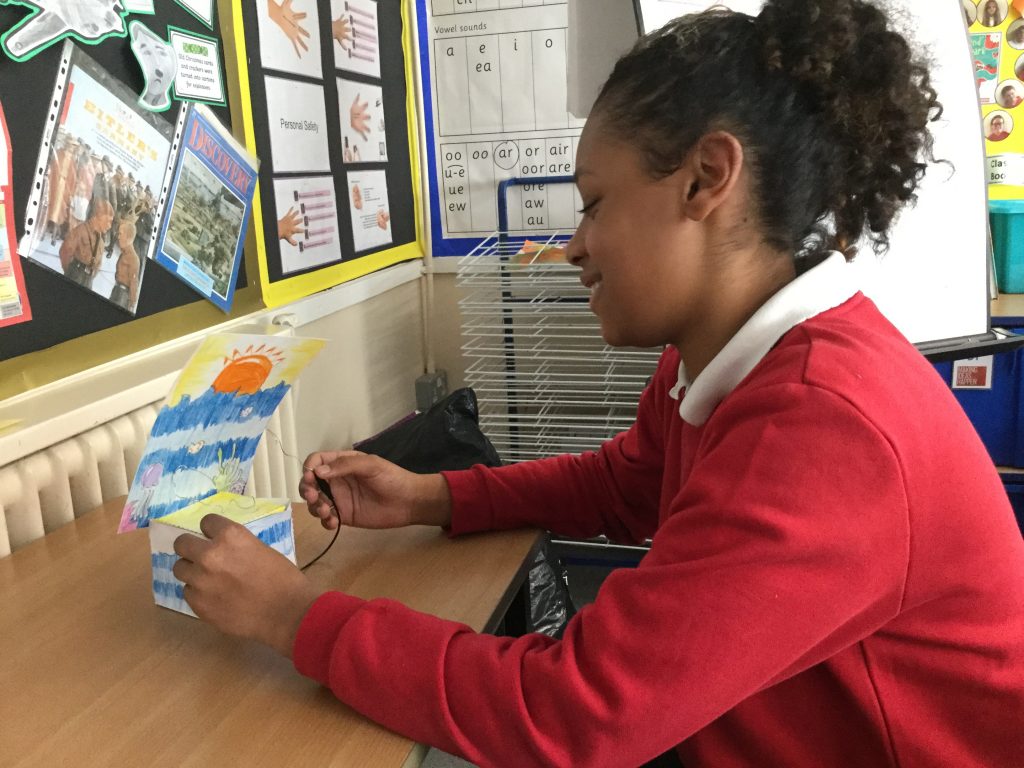
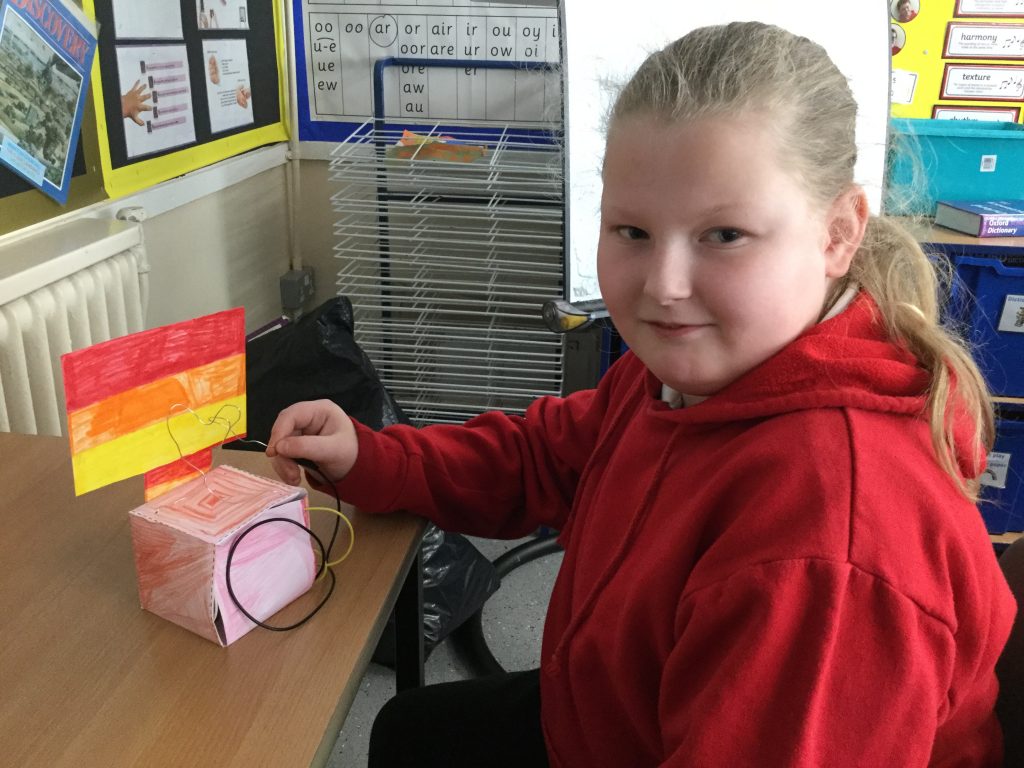
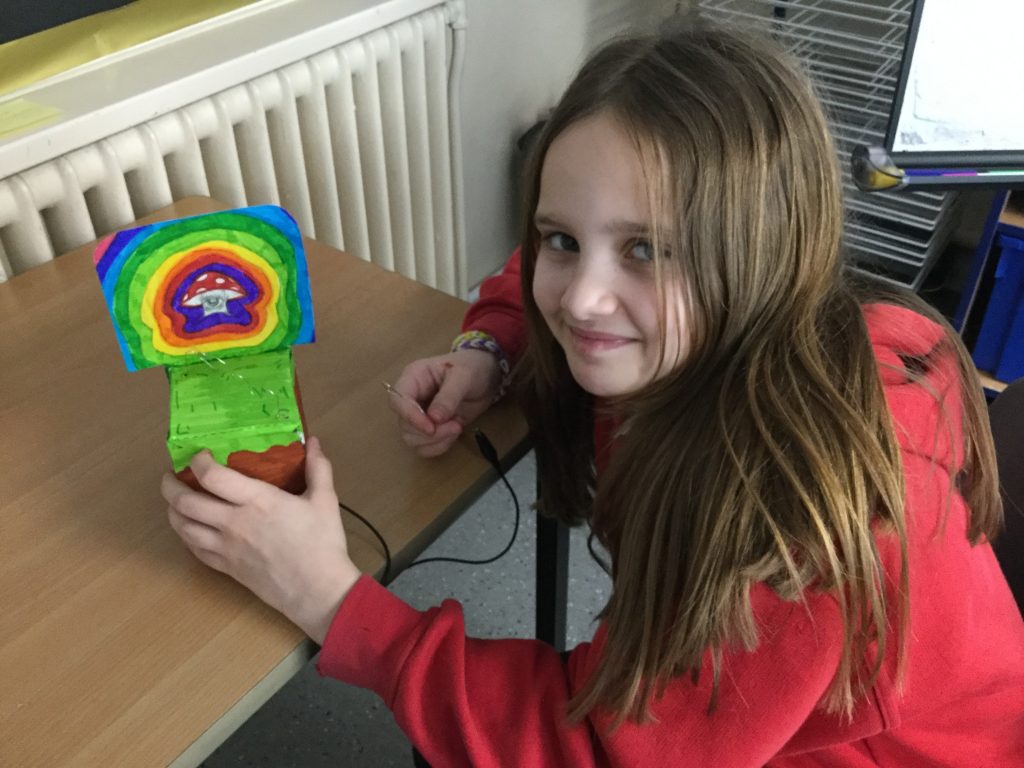
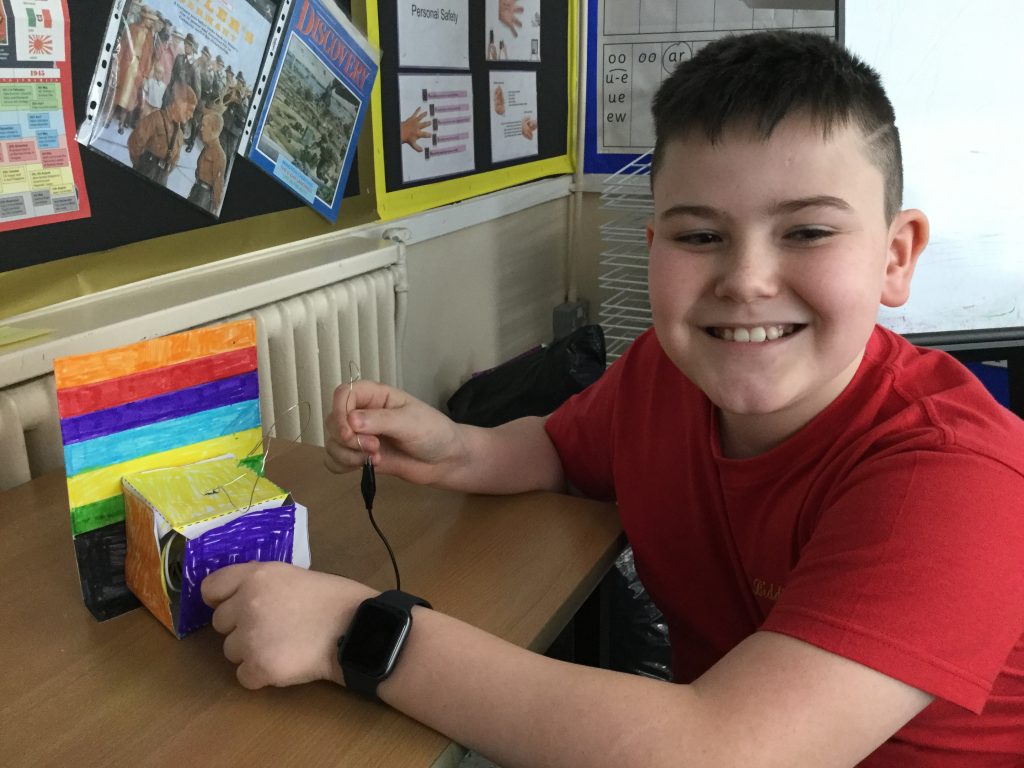
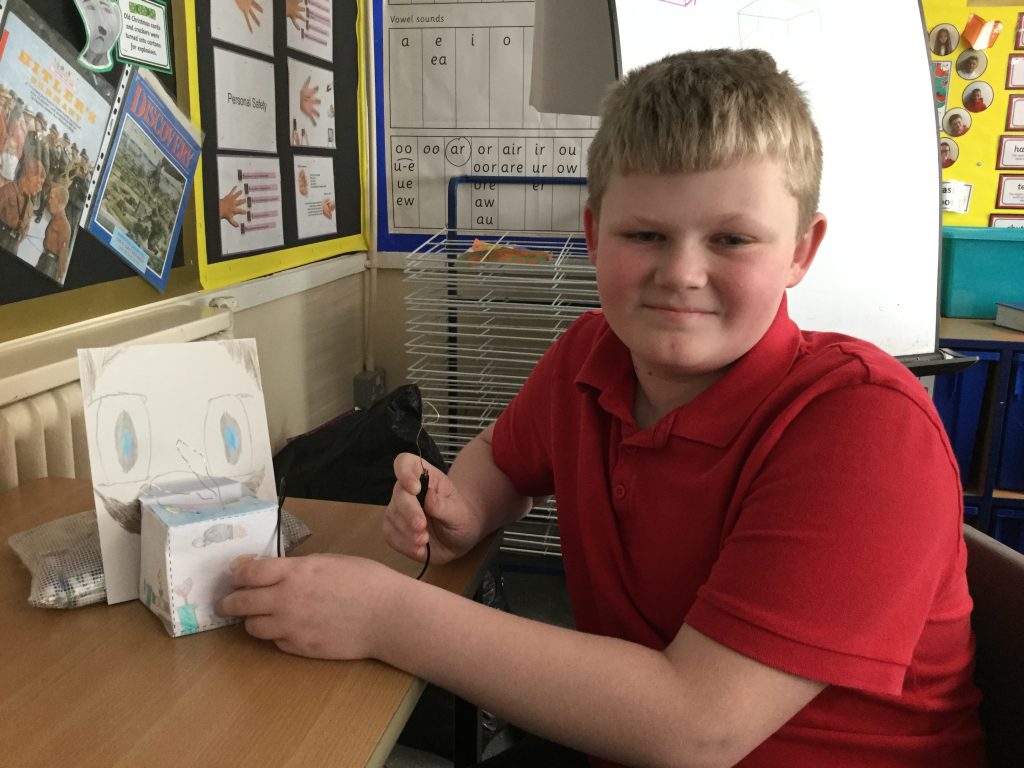
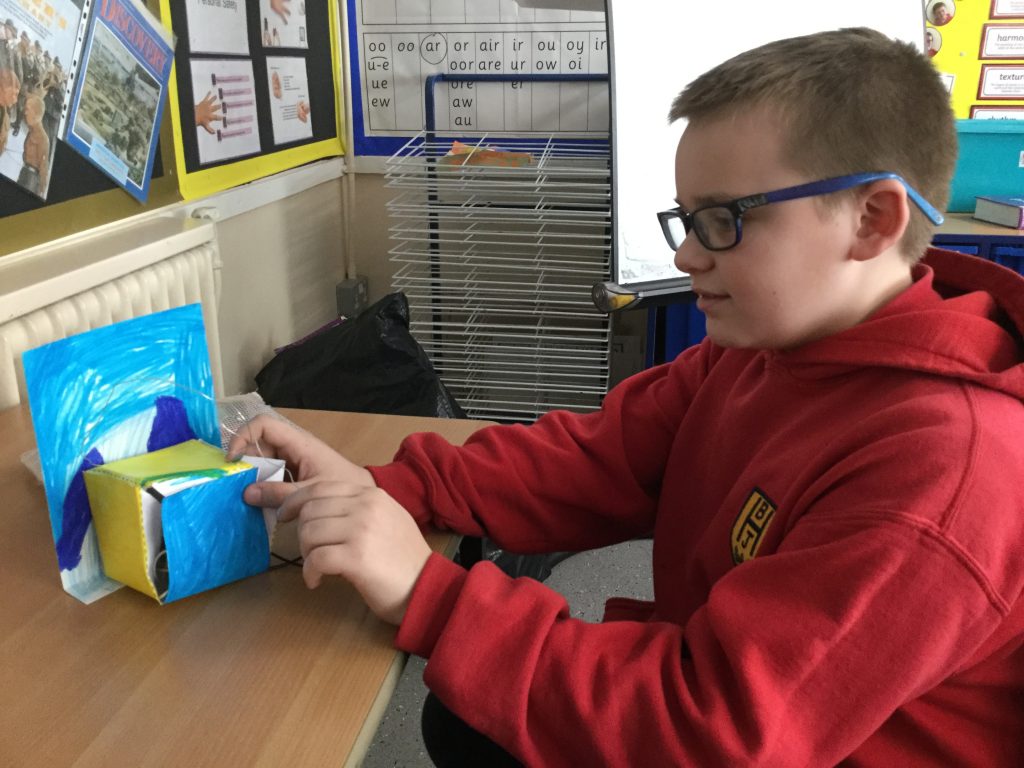
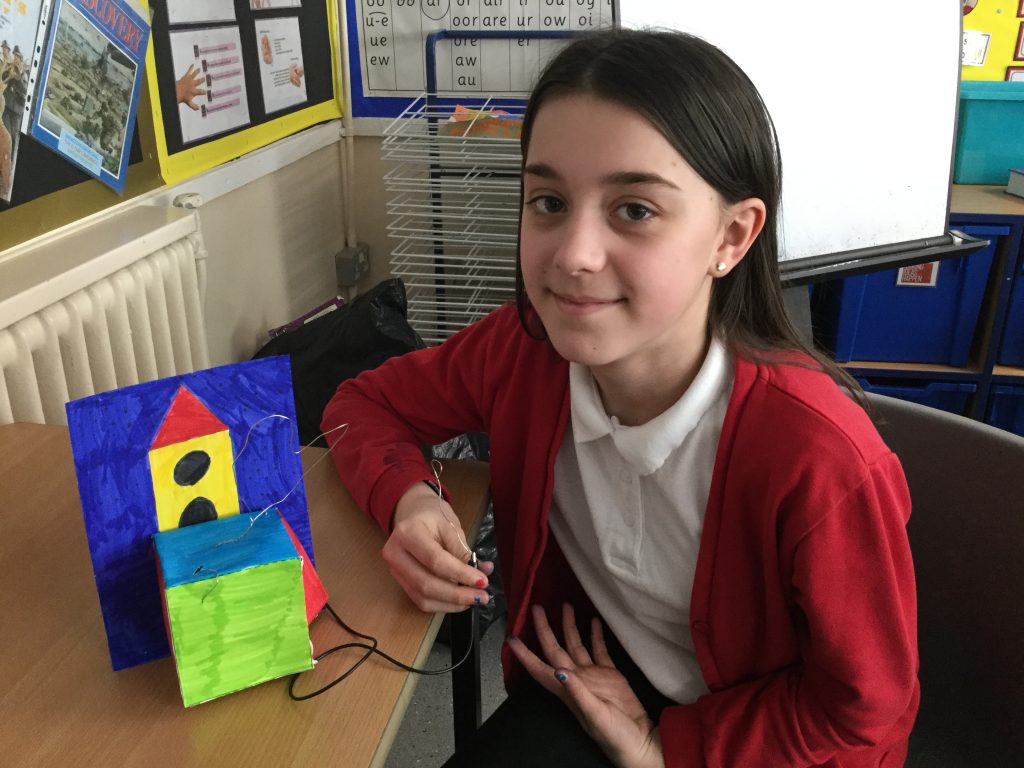
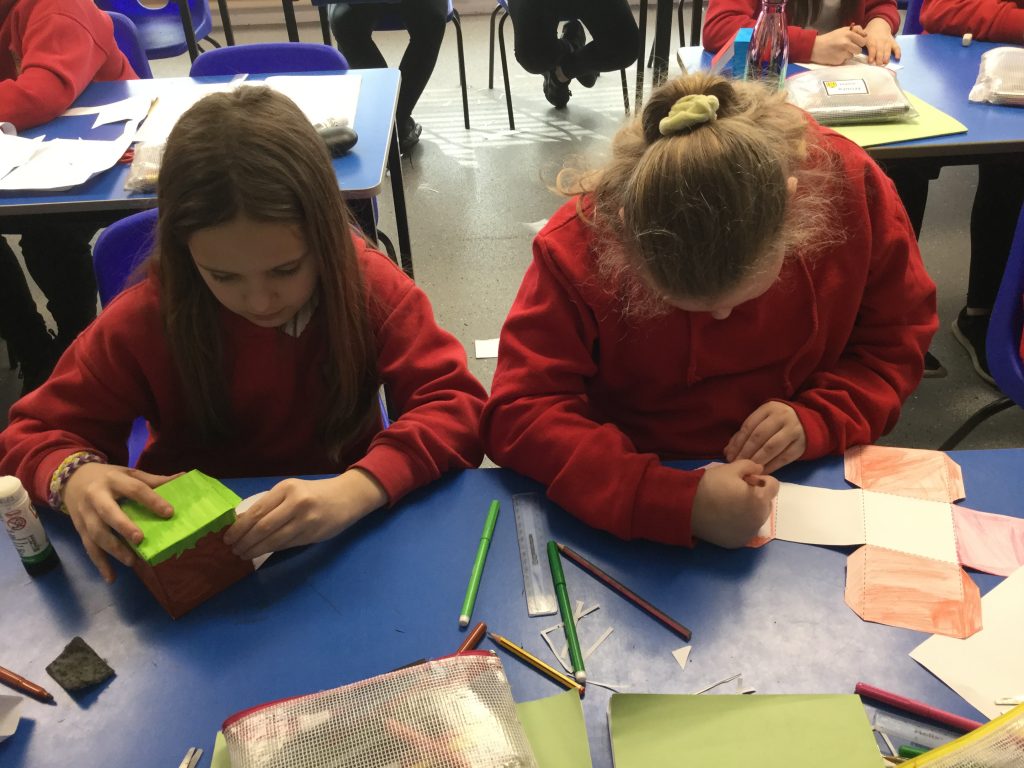
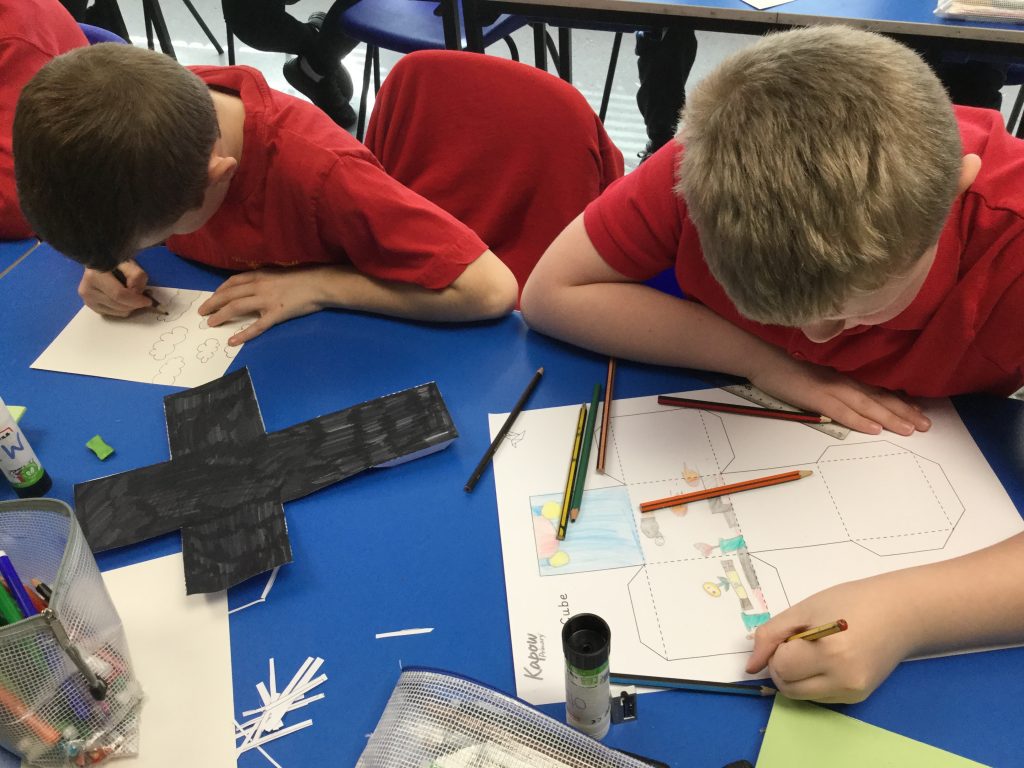
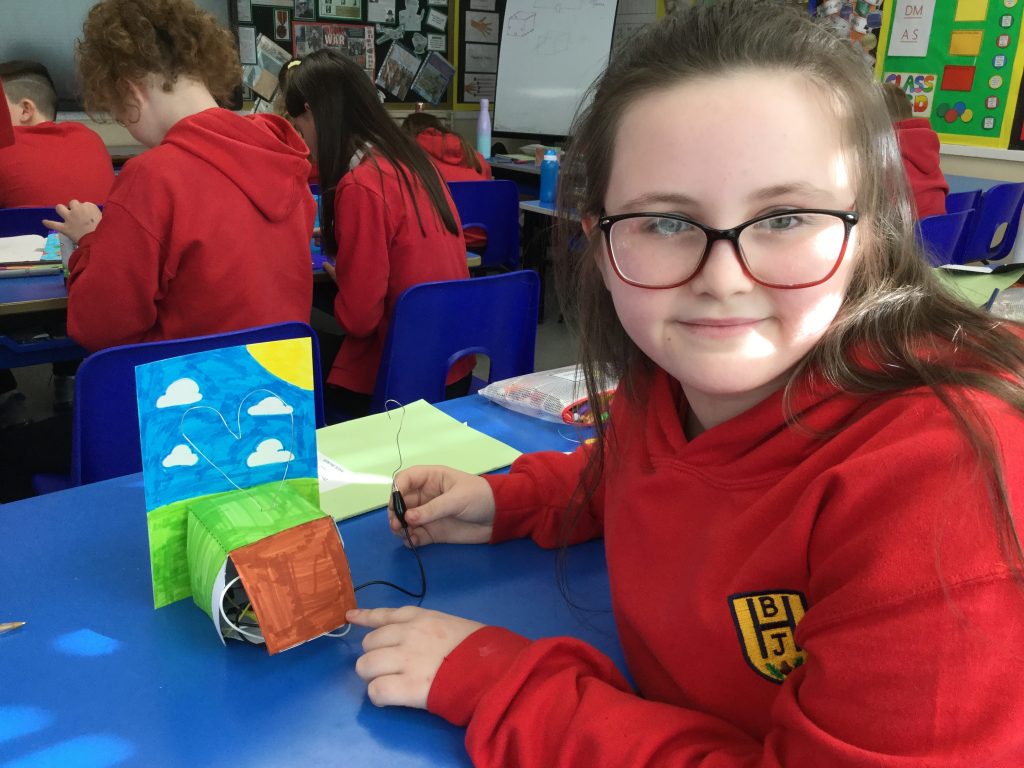
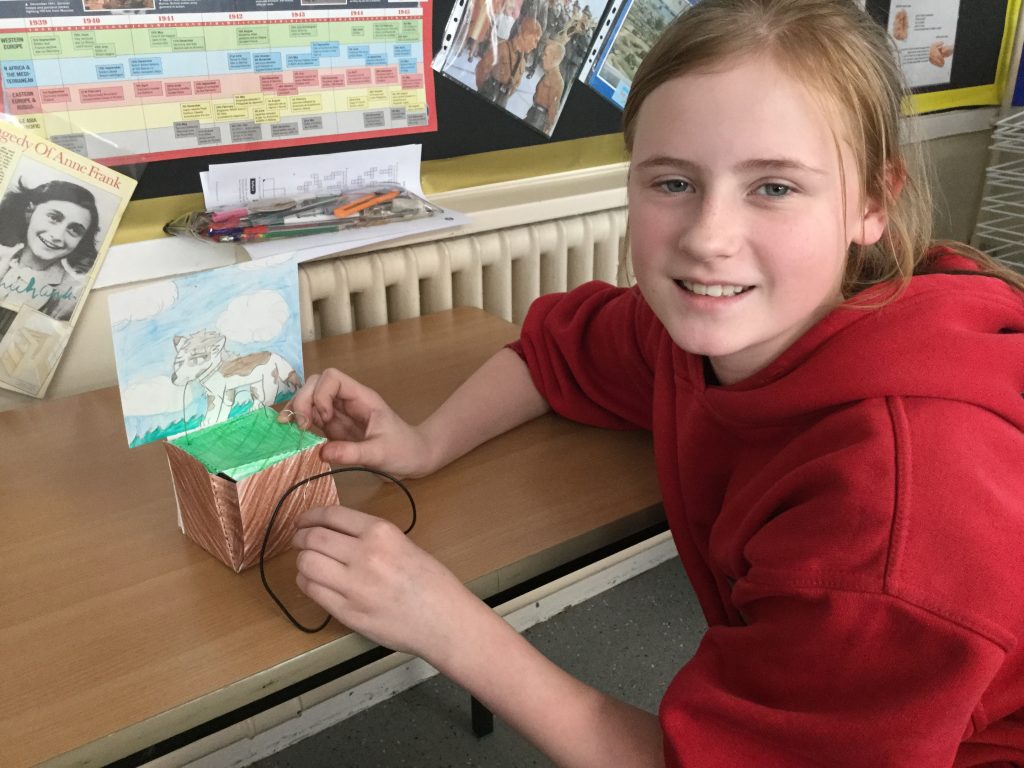
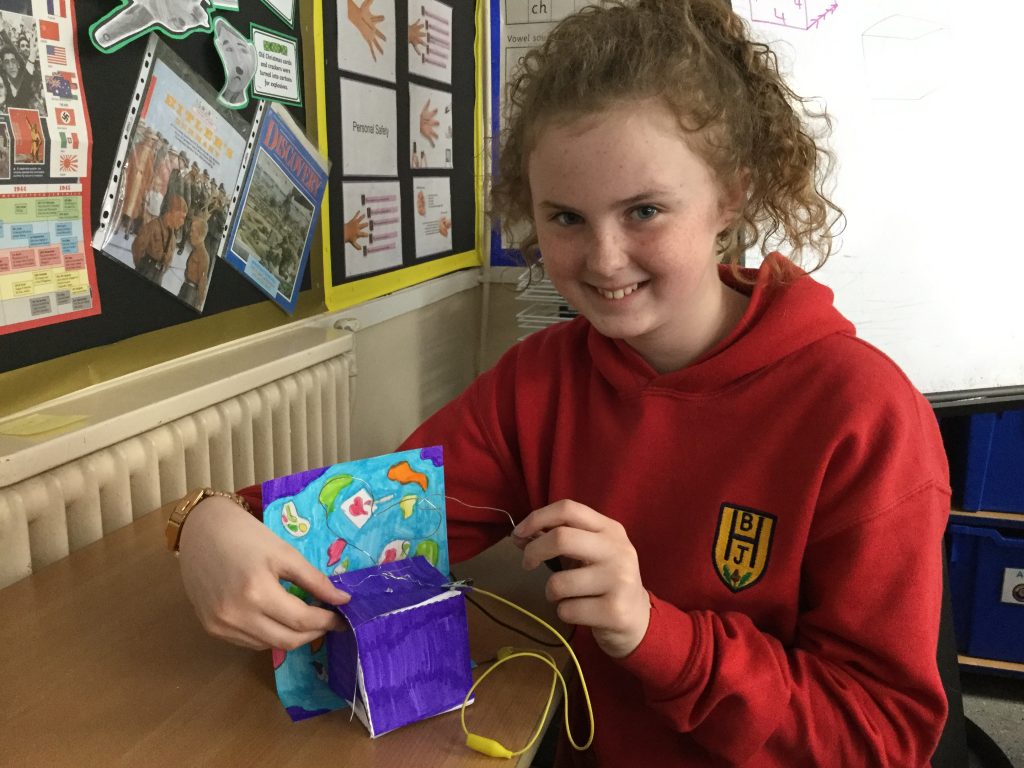
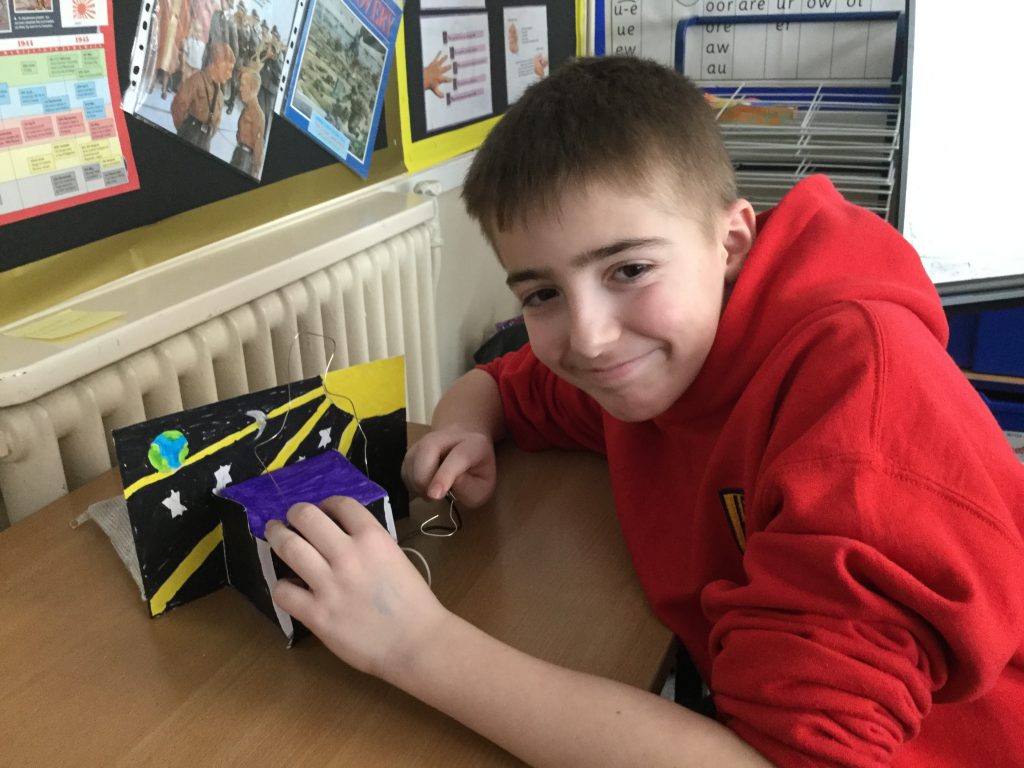
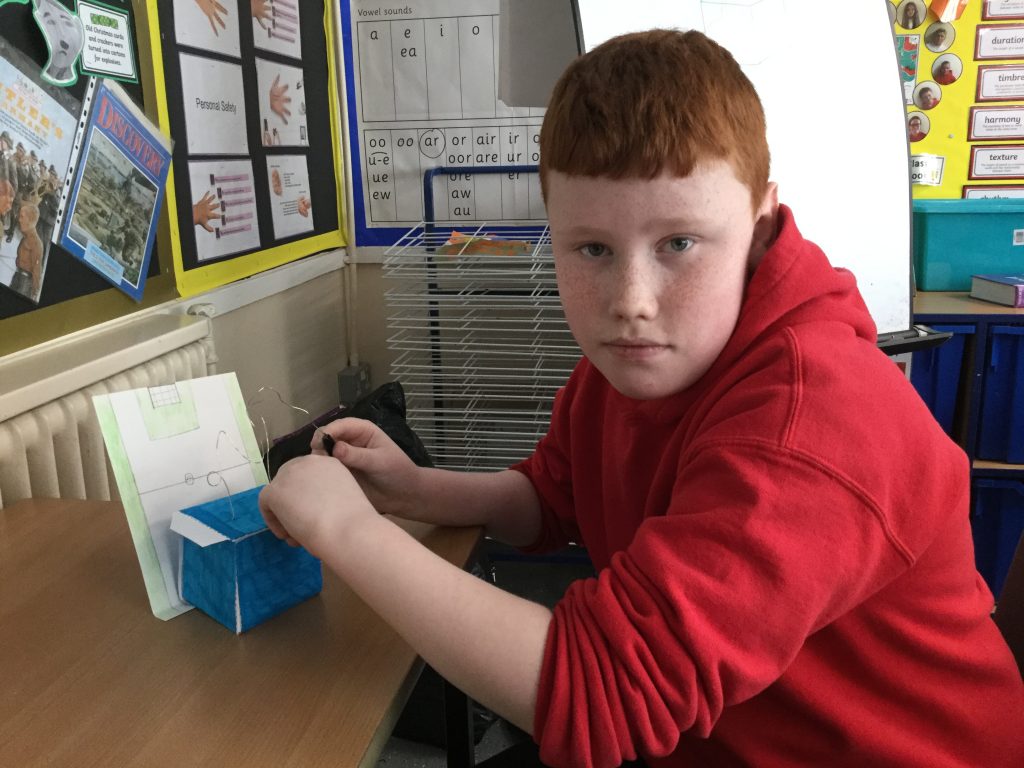
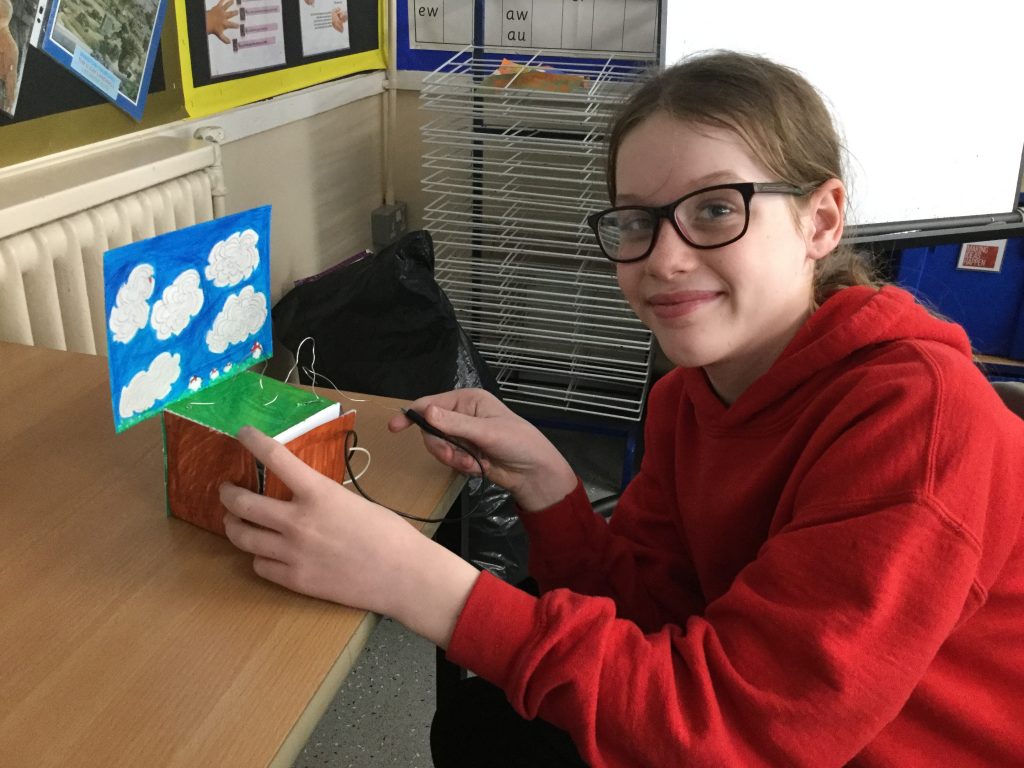
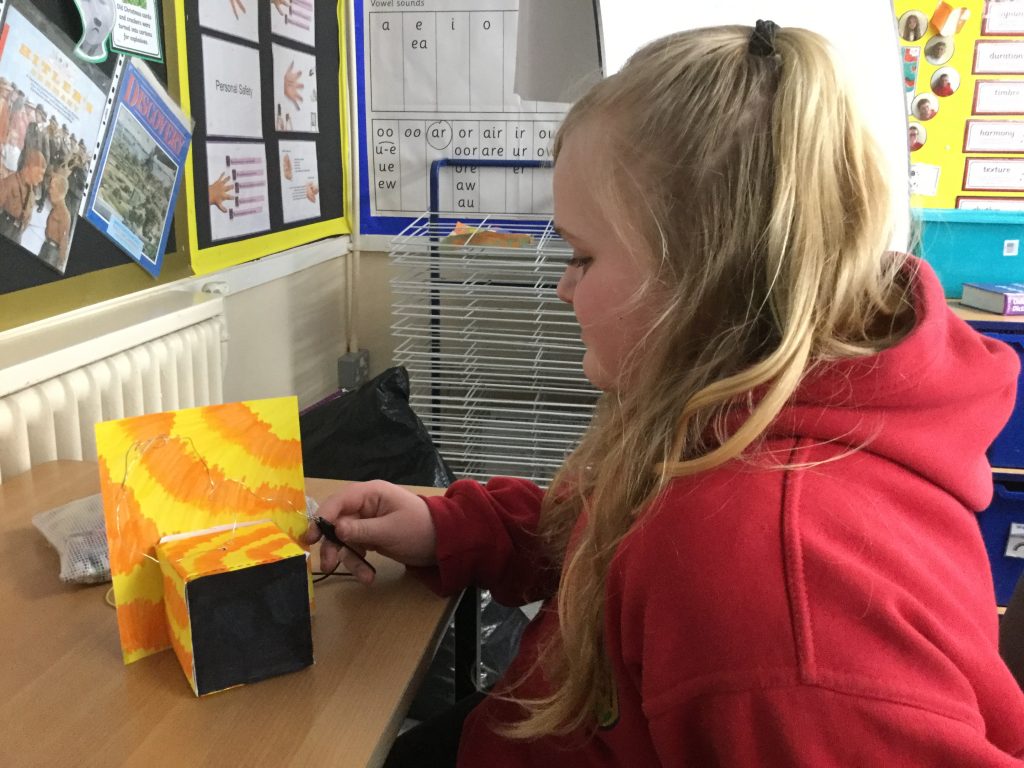
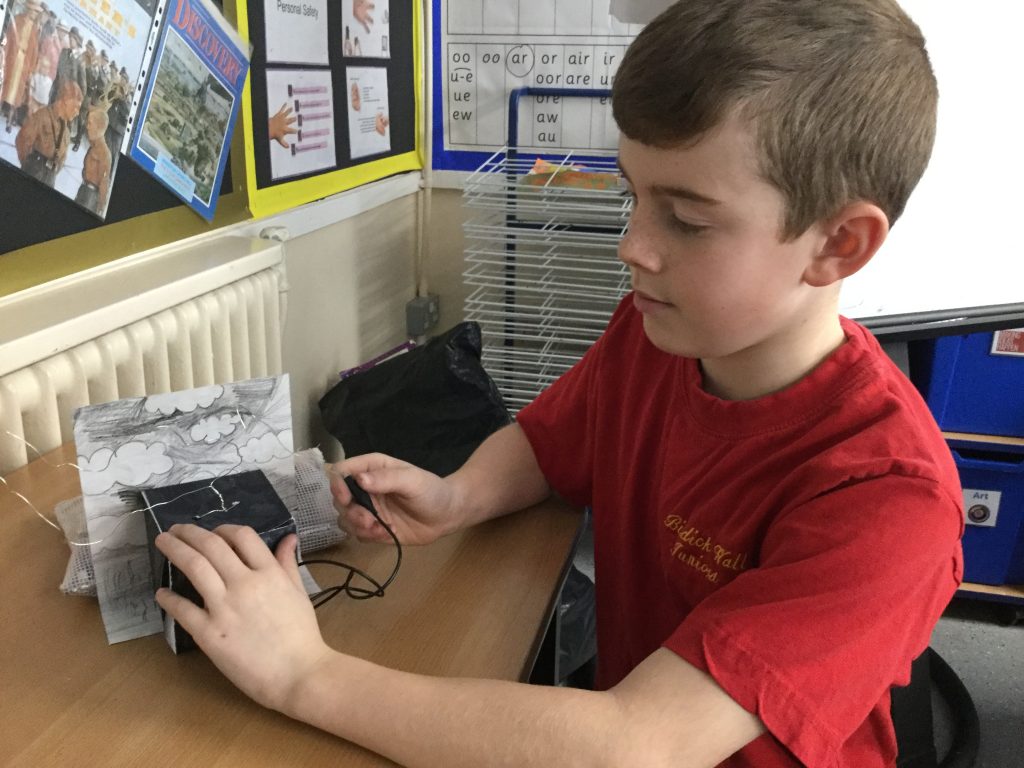
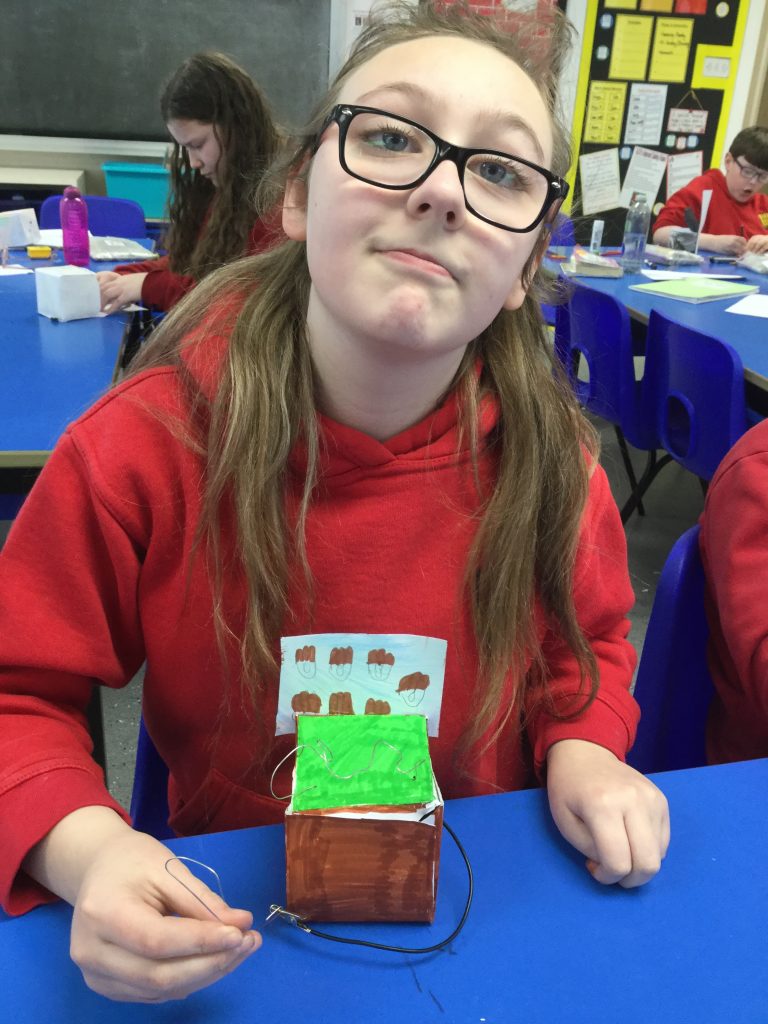
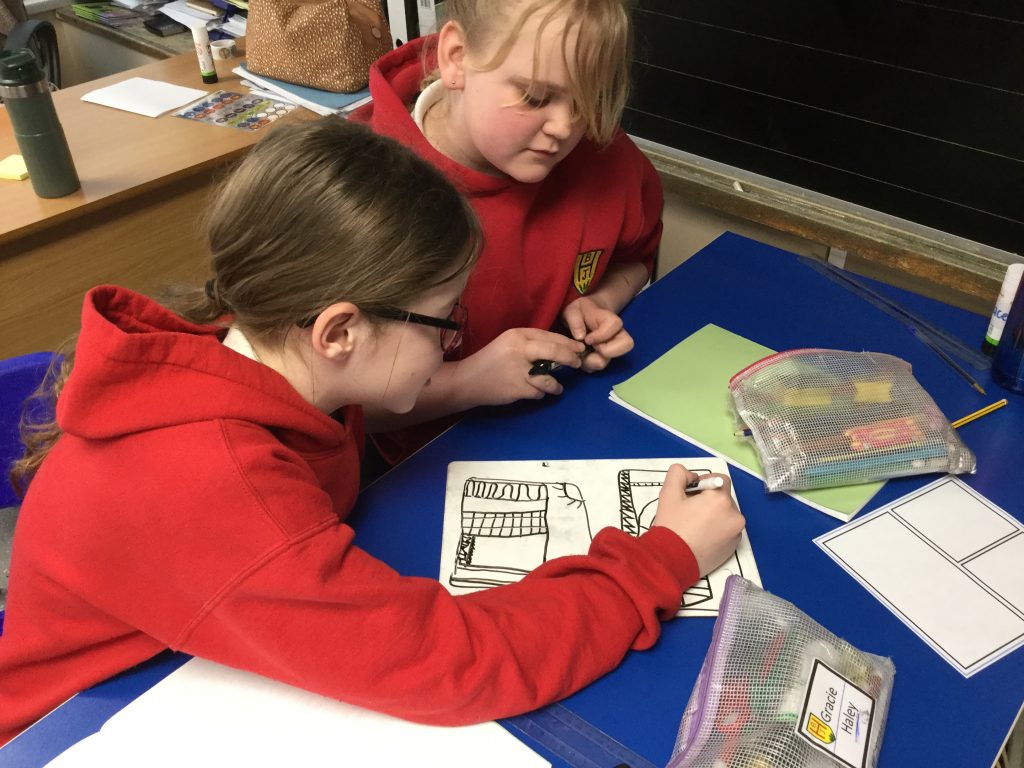
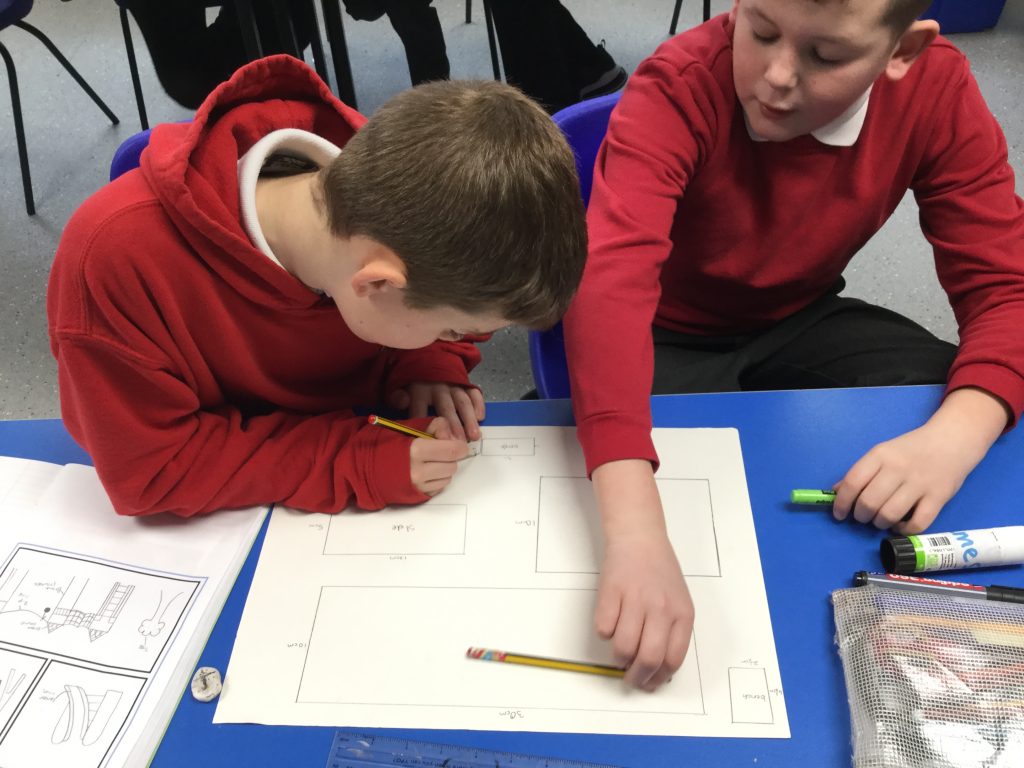
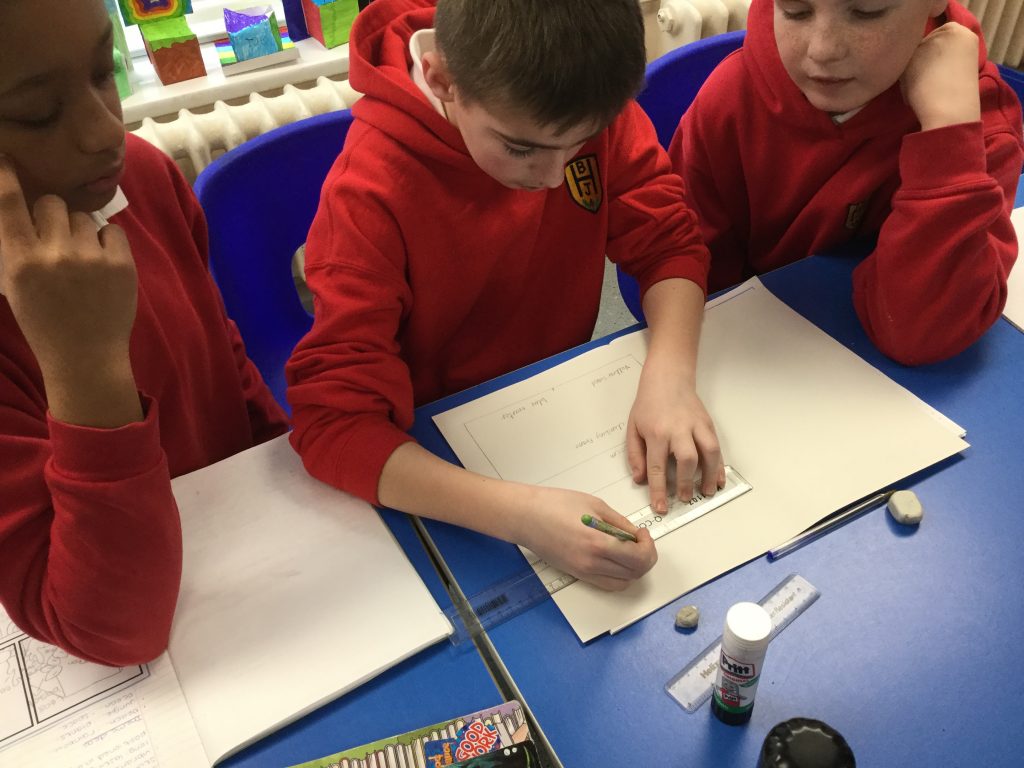
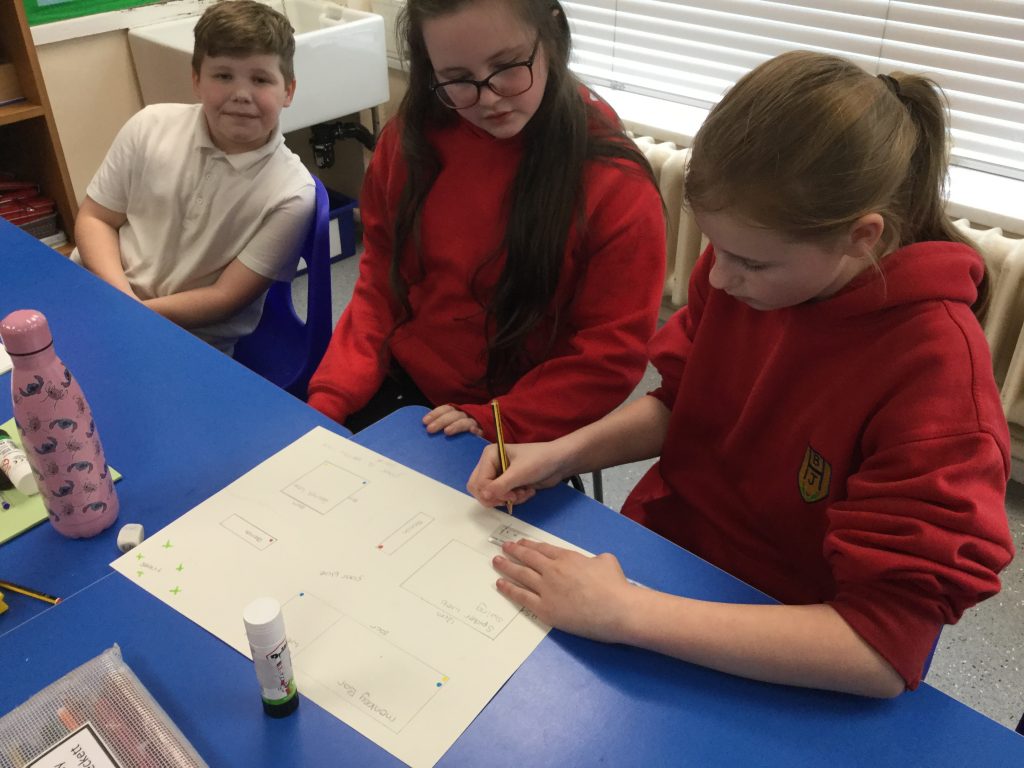
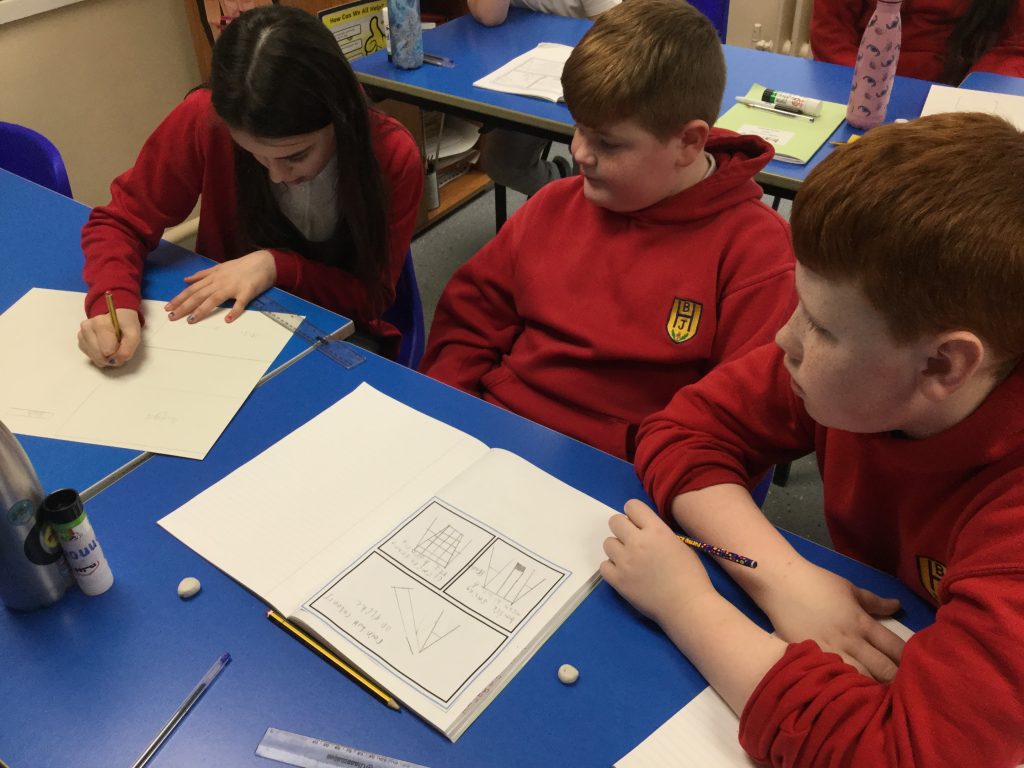
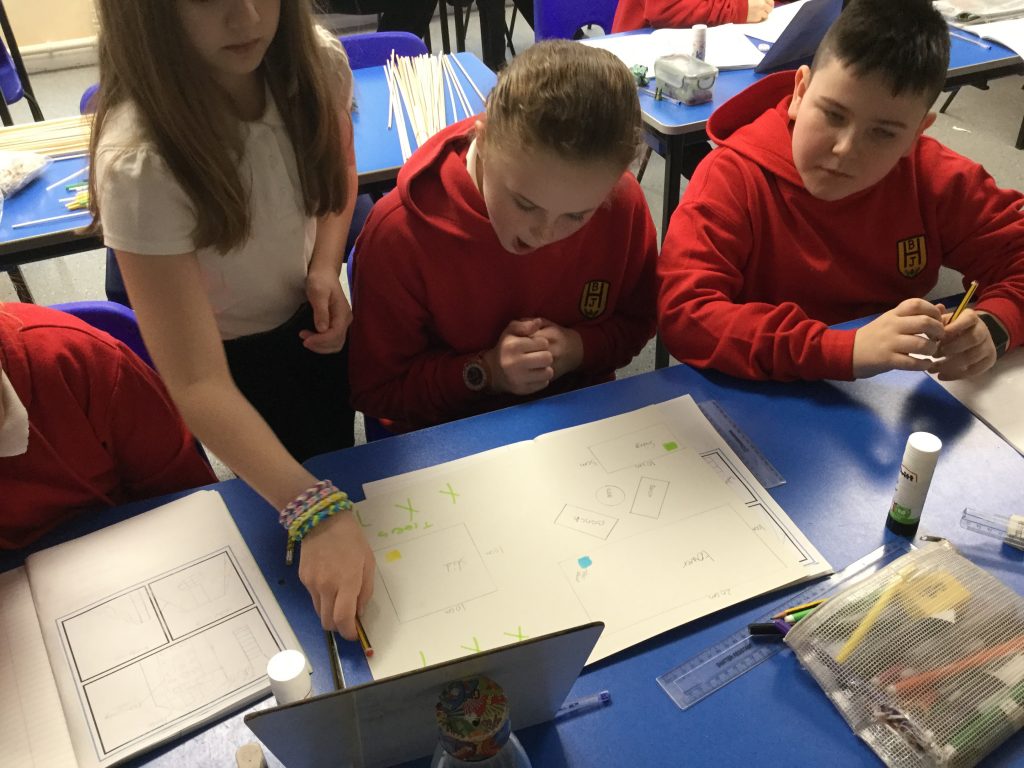
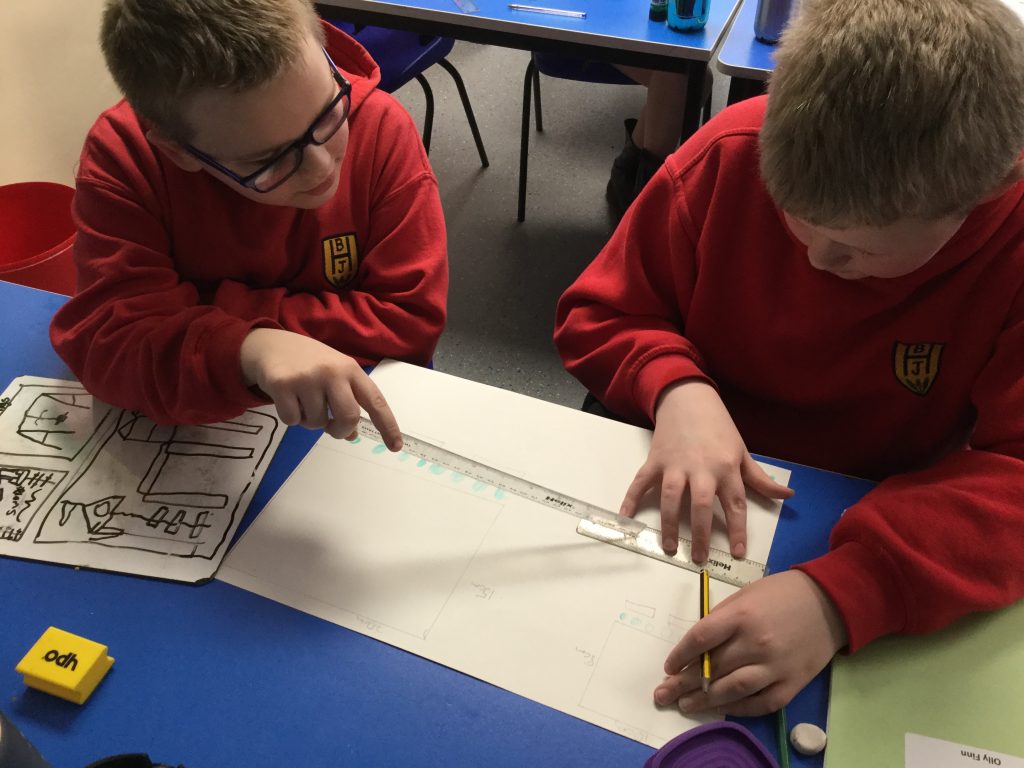
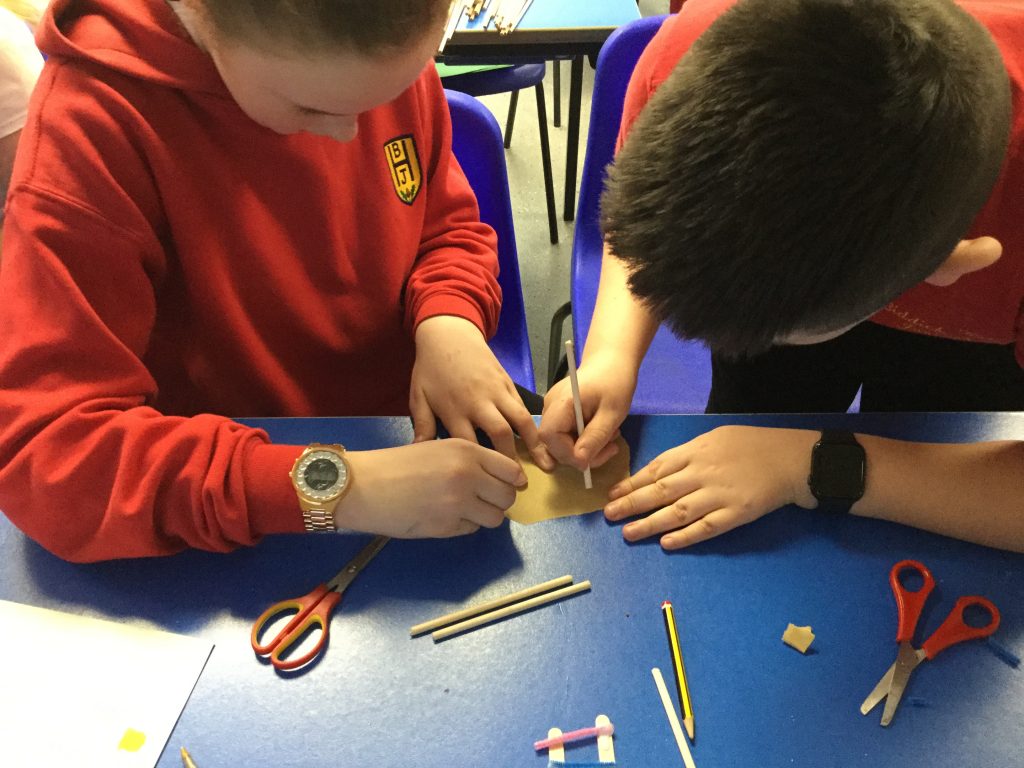
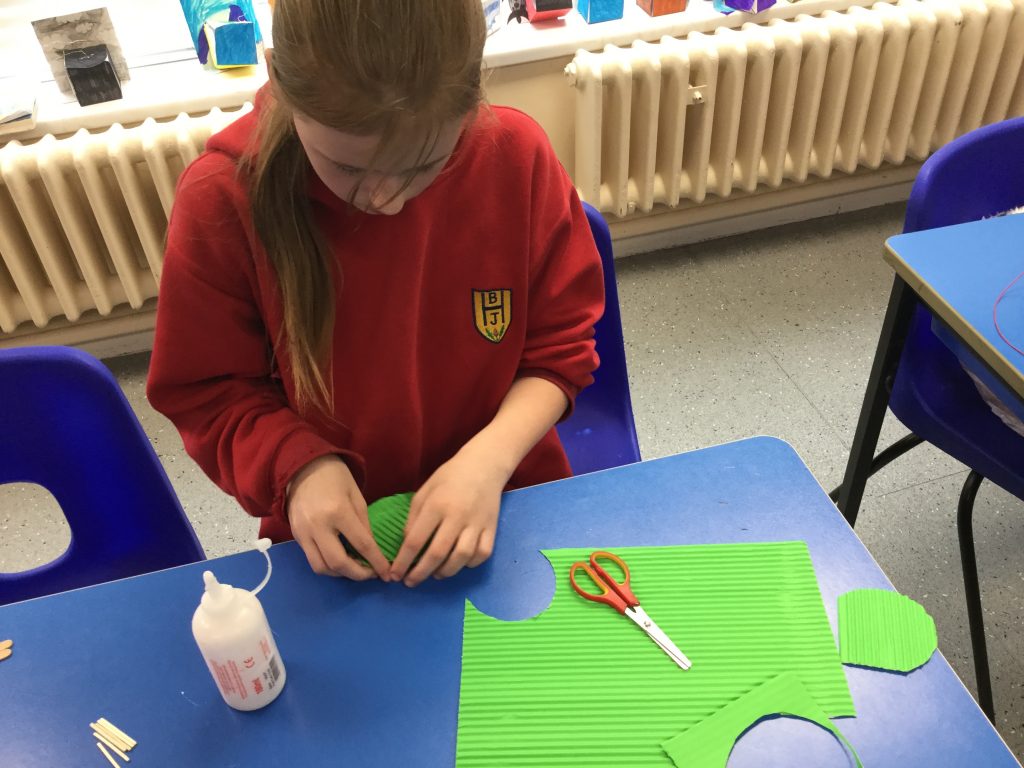
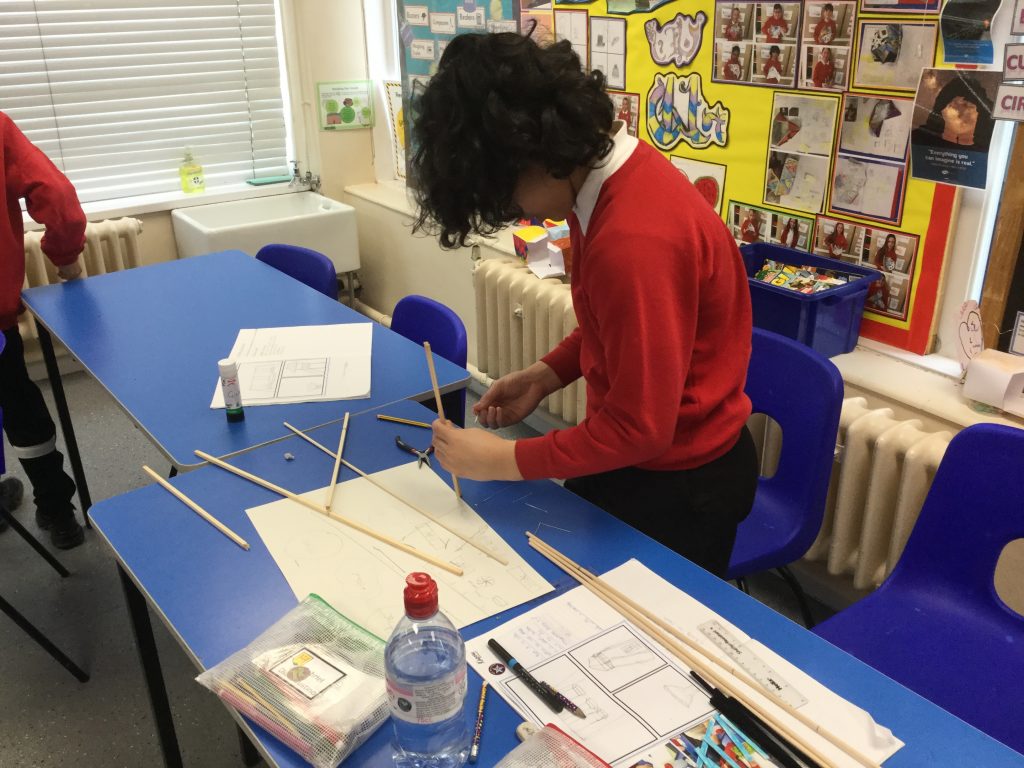
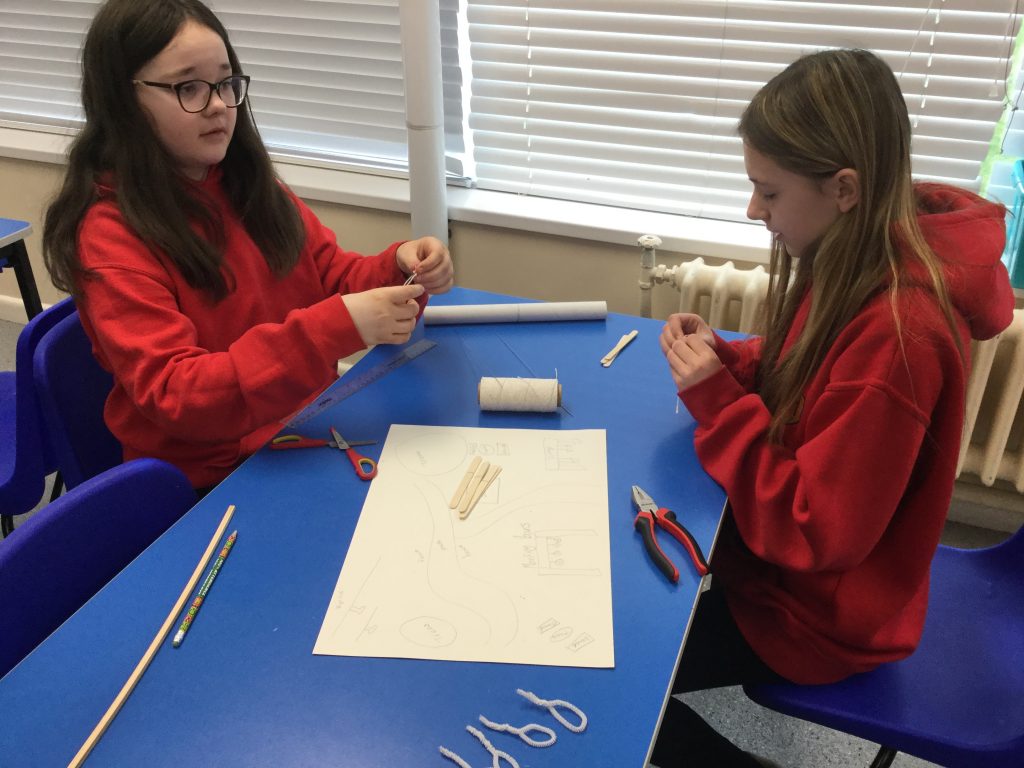
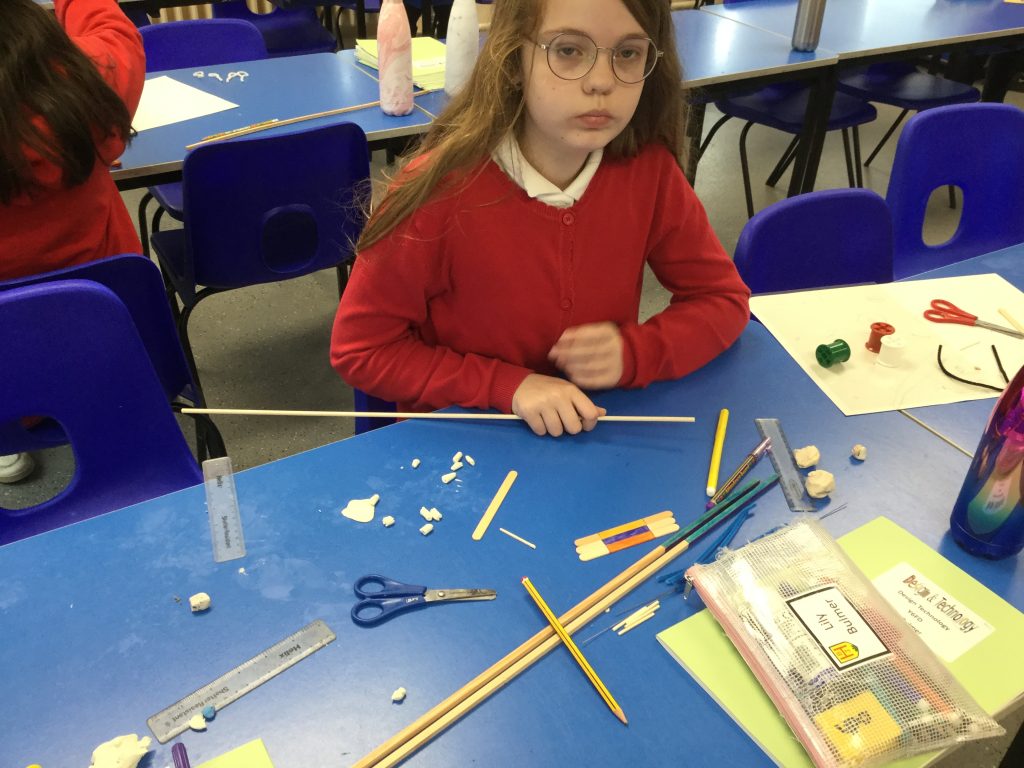
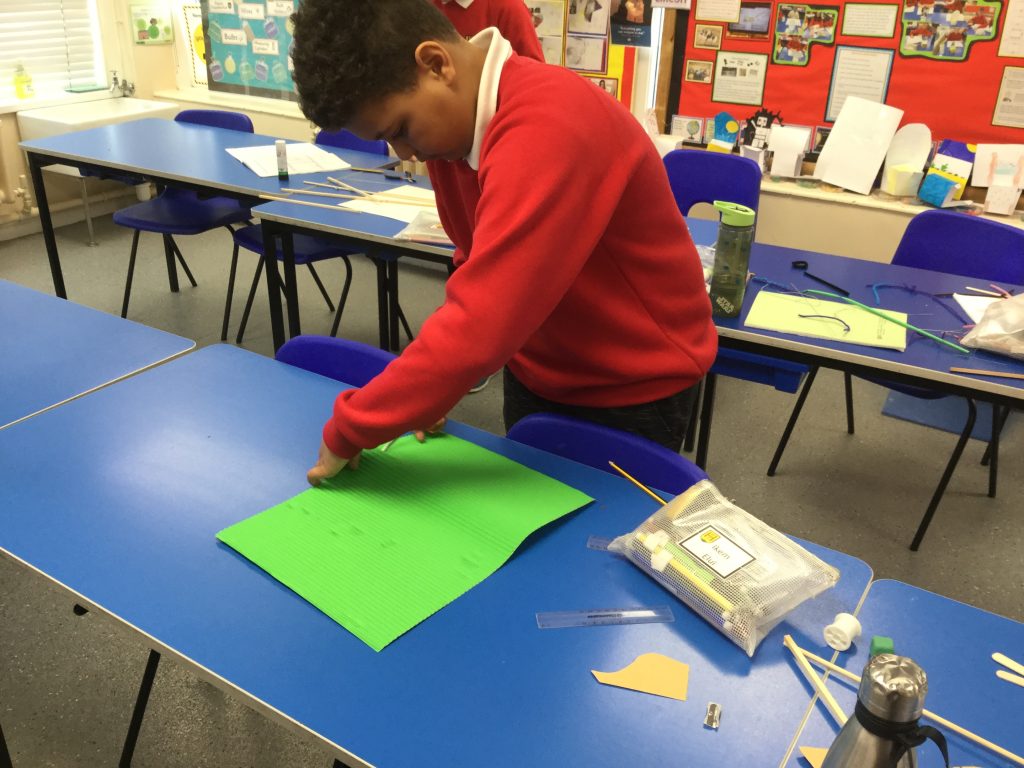
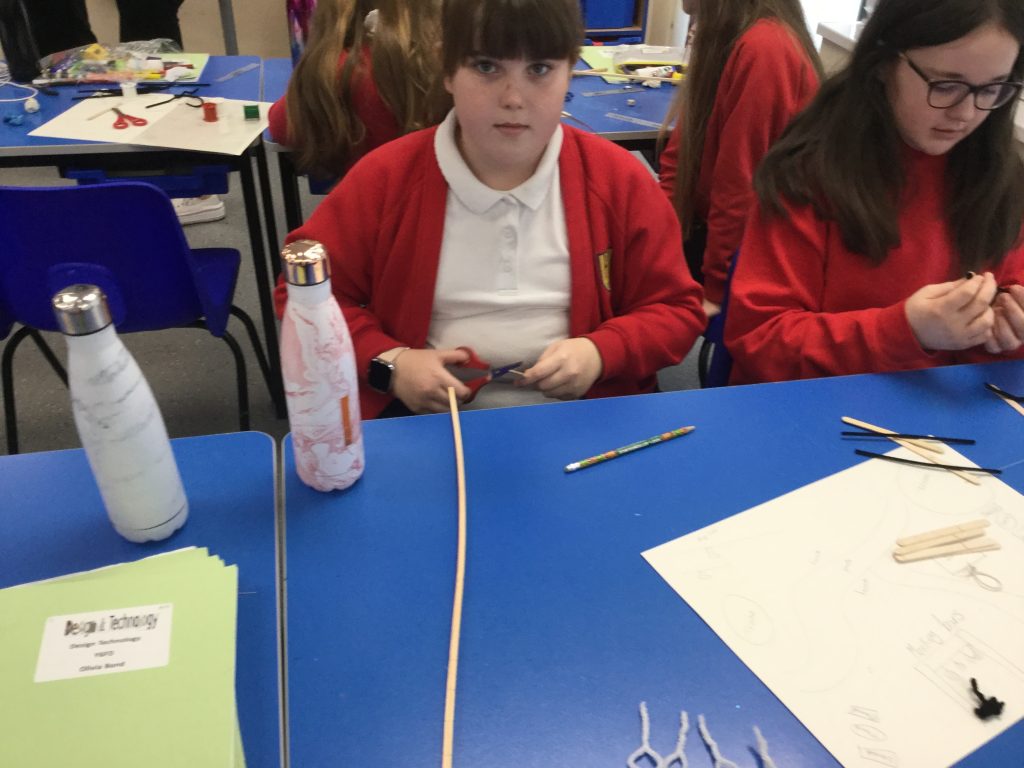
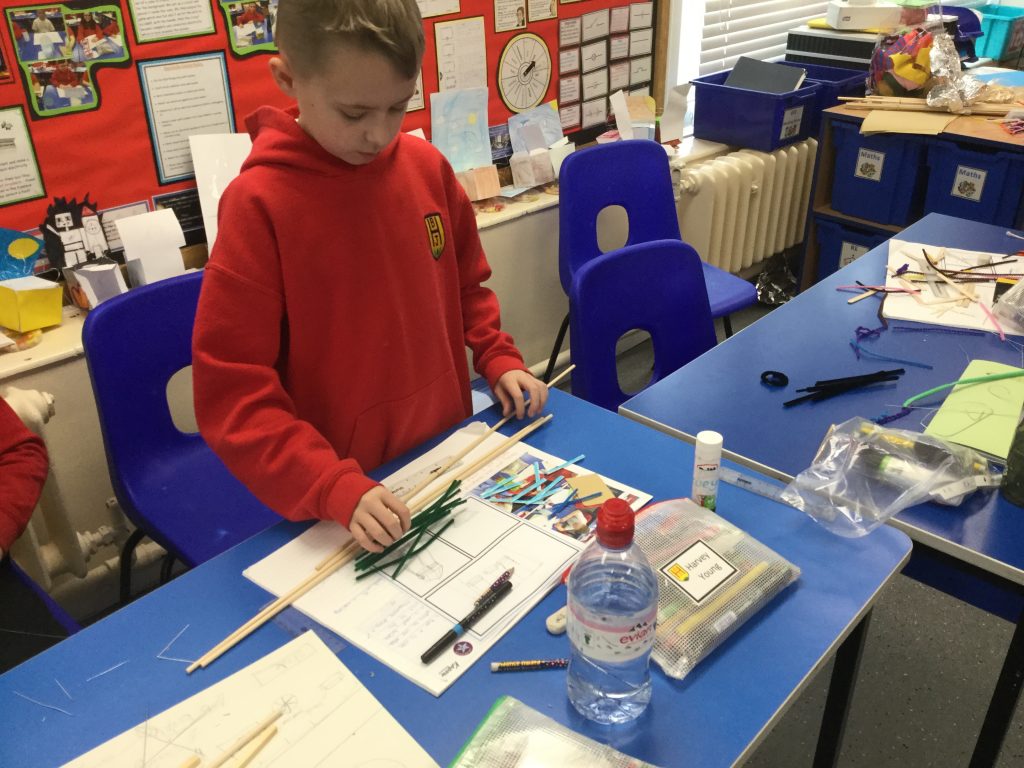
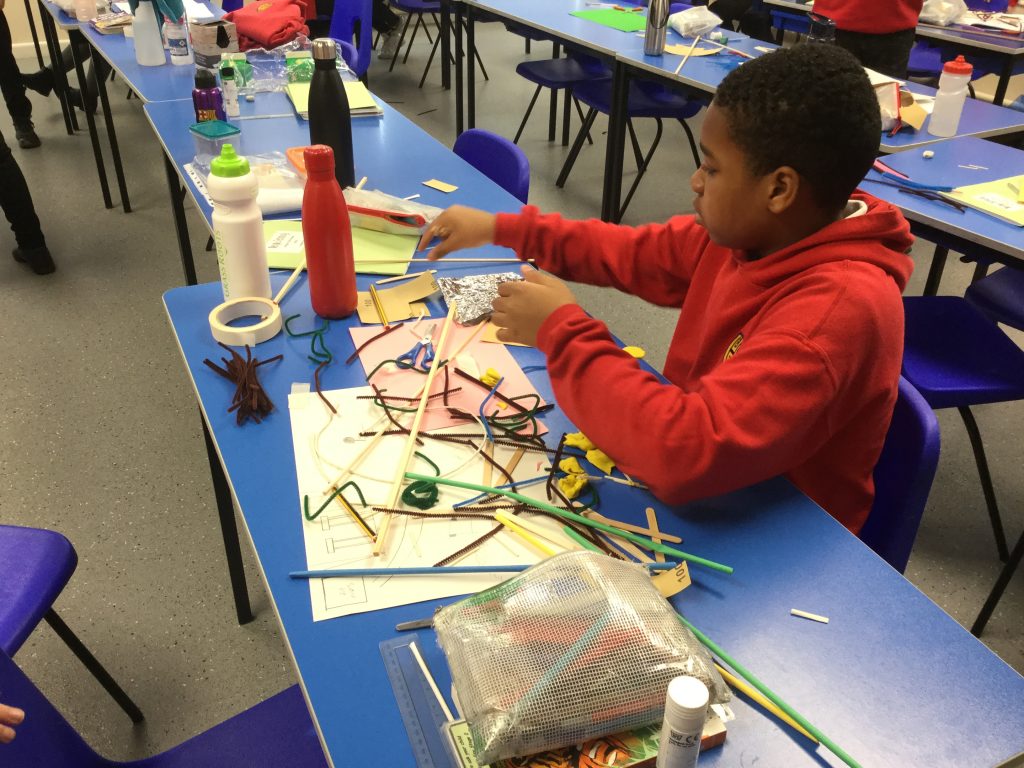
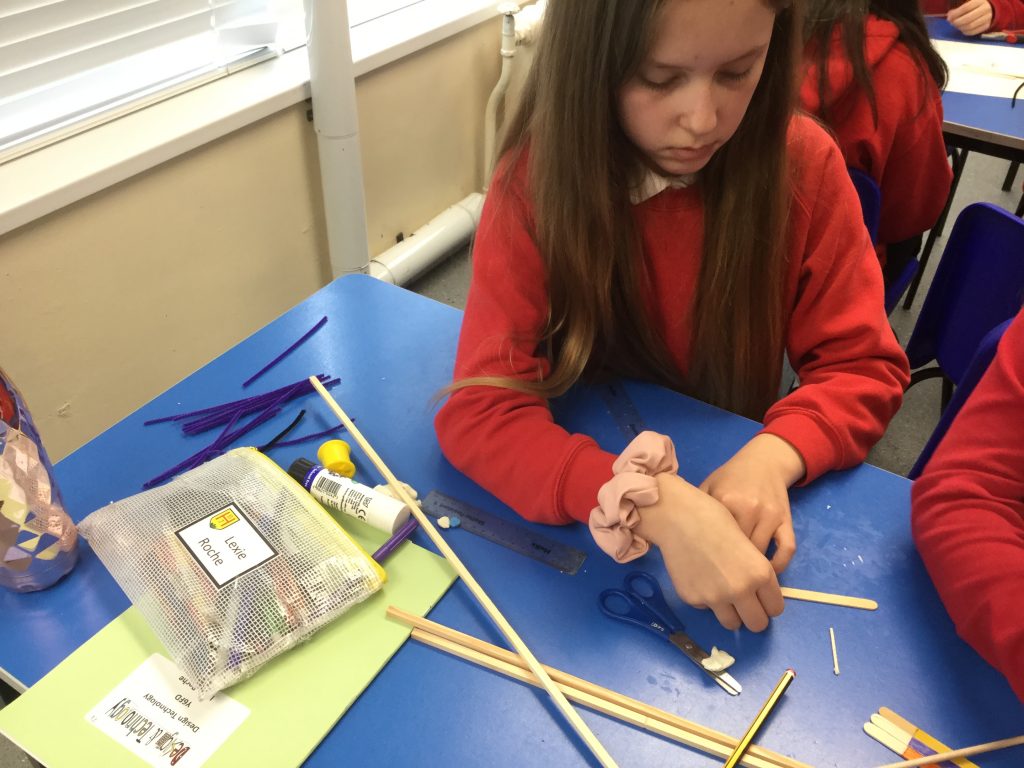
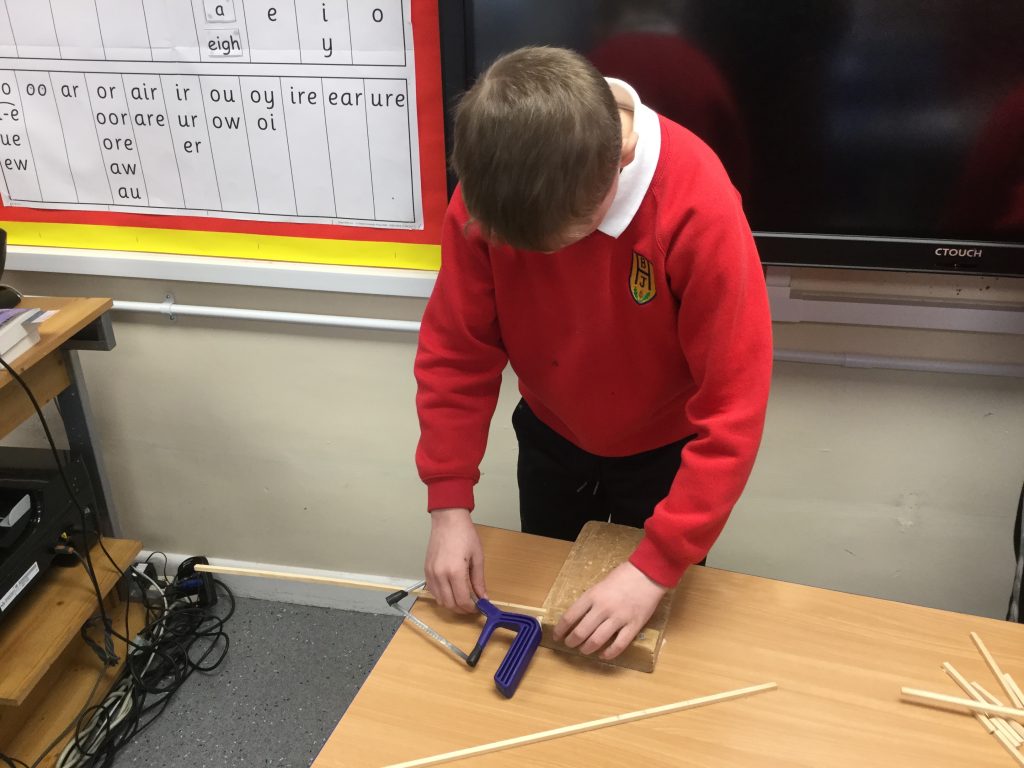
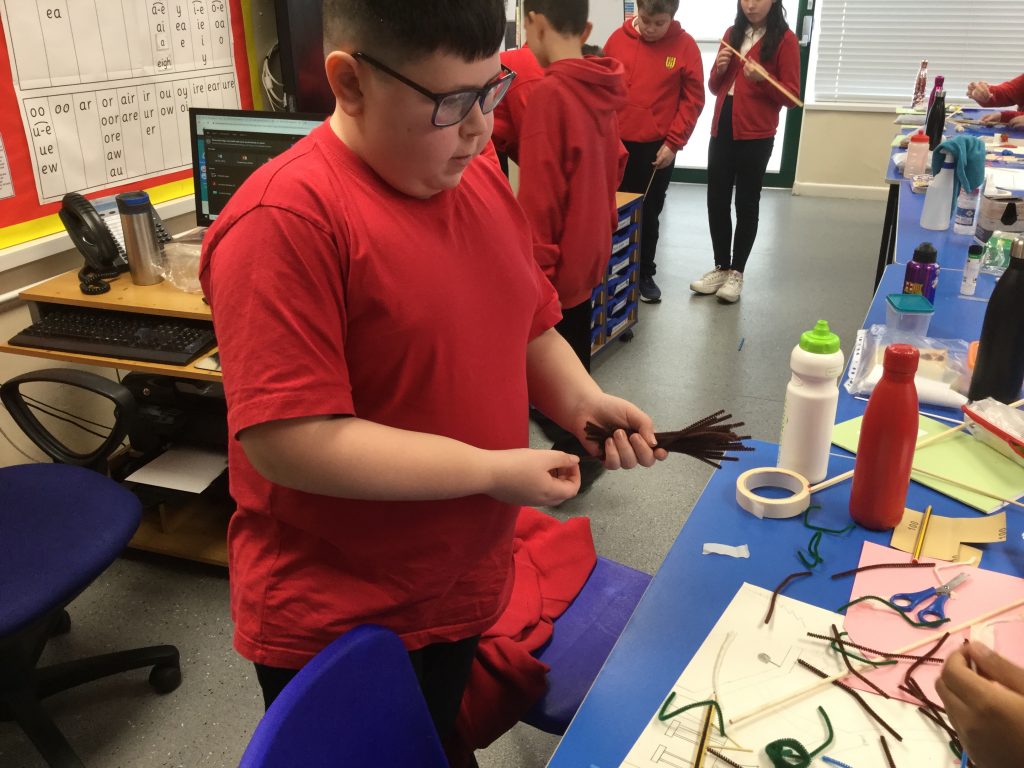
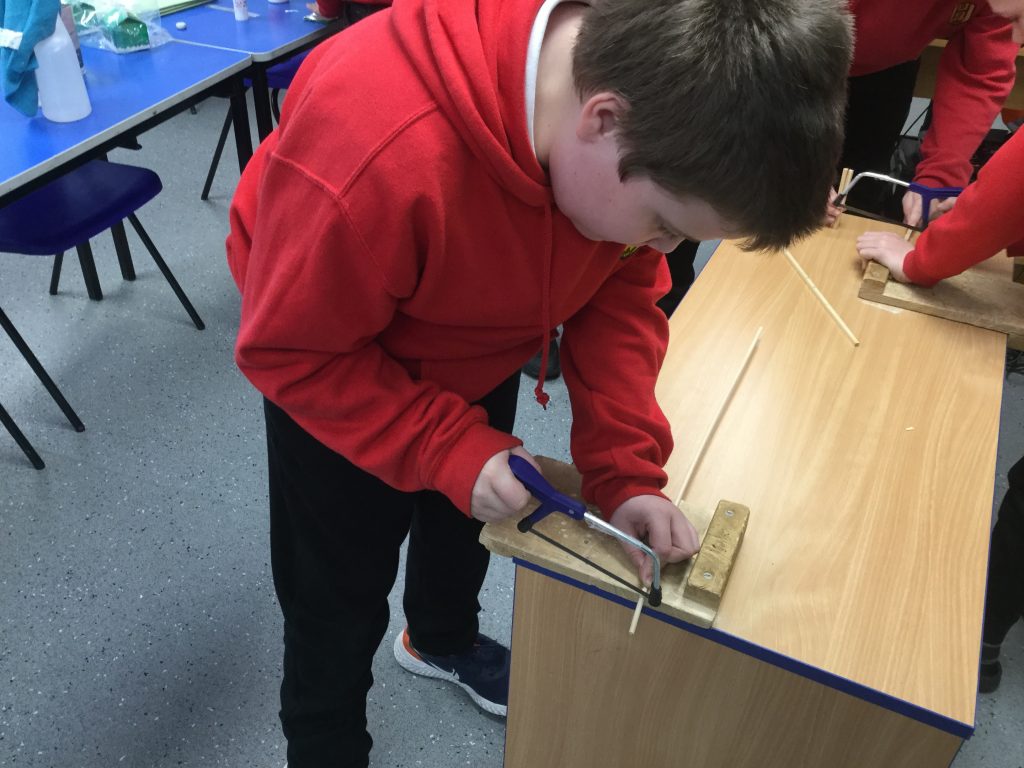
Using the pupils understanding of electrical systems and design, they were challenged with designing and creating a steady hand game. Pupils used nets to create their bases and their knowledge of electrical circuits to build a circuit with a buzzer which closed when the handle made contact with the wire frame.
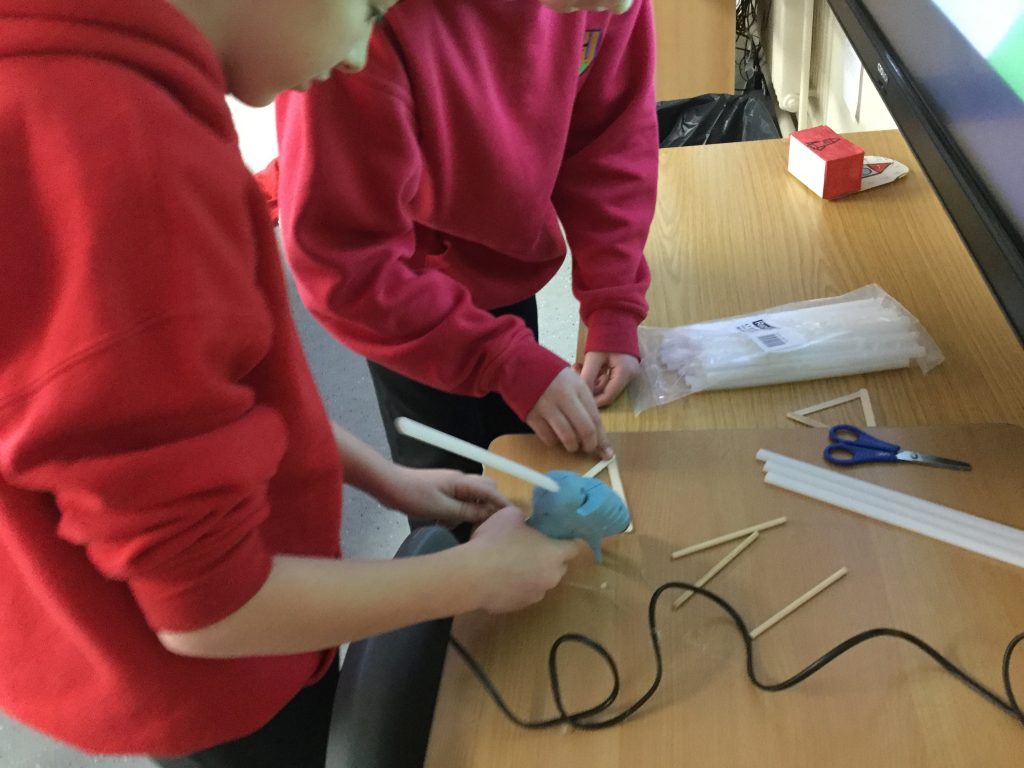
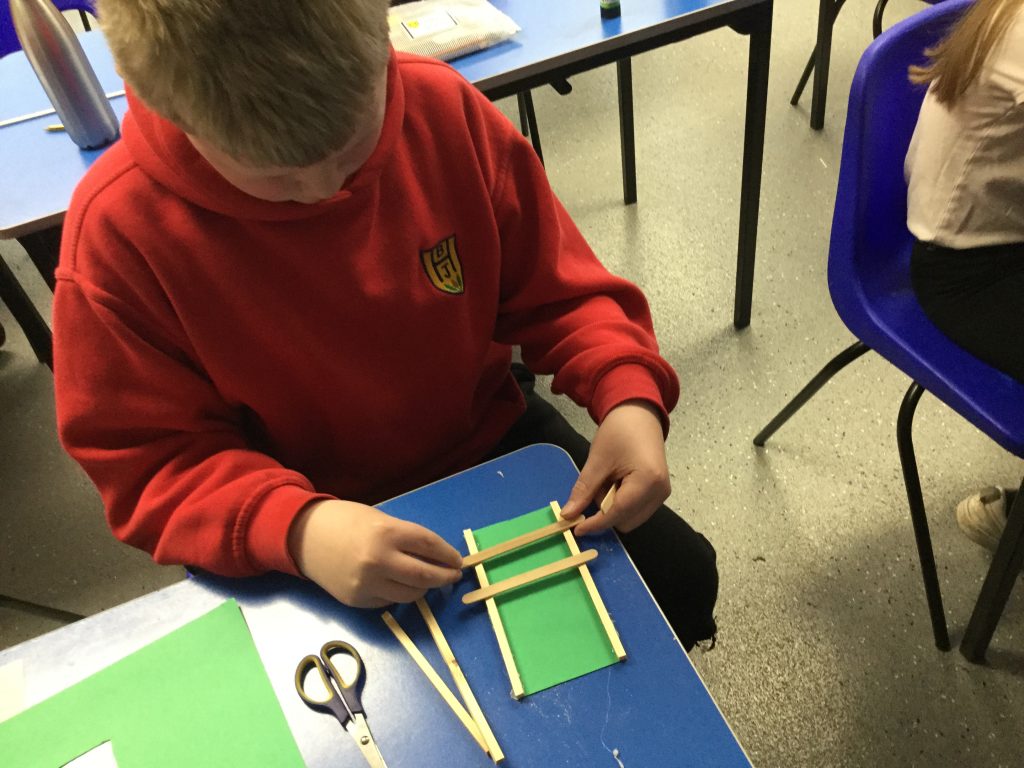
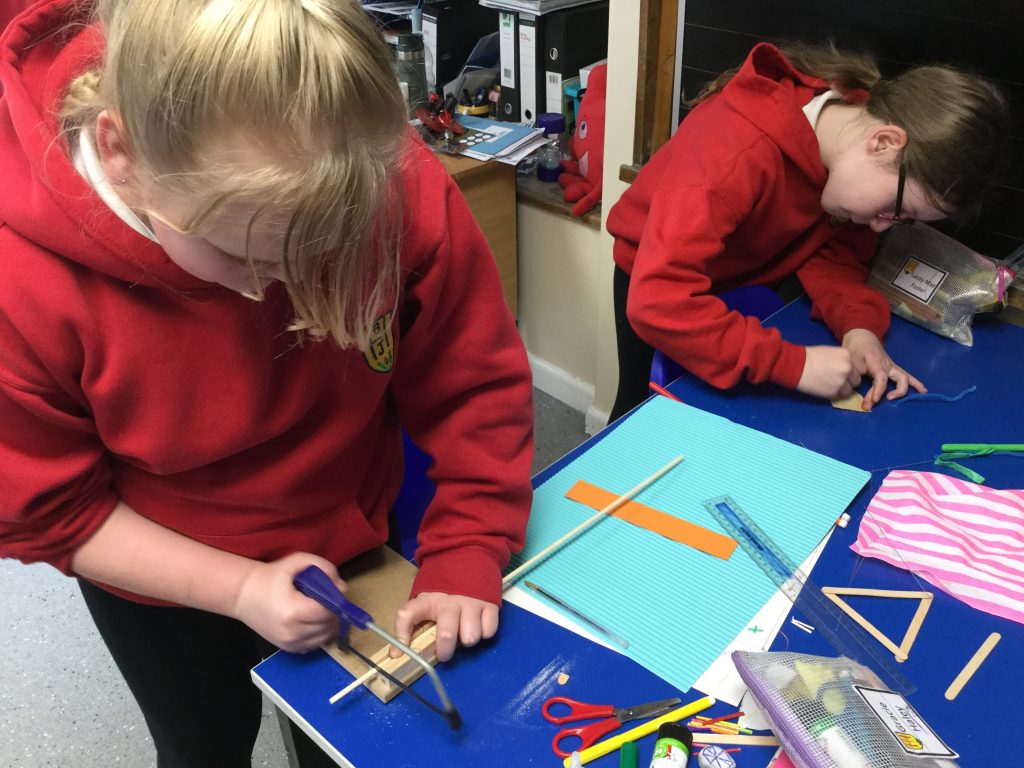
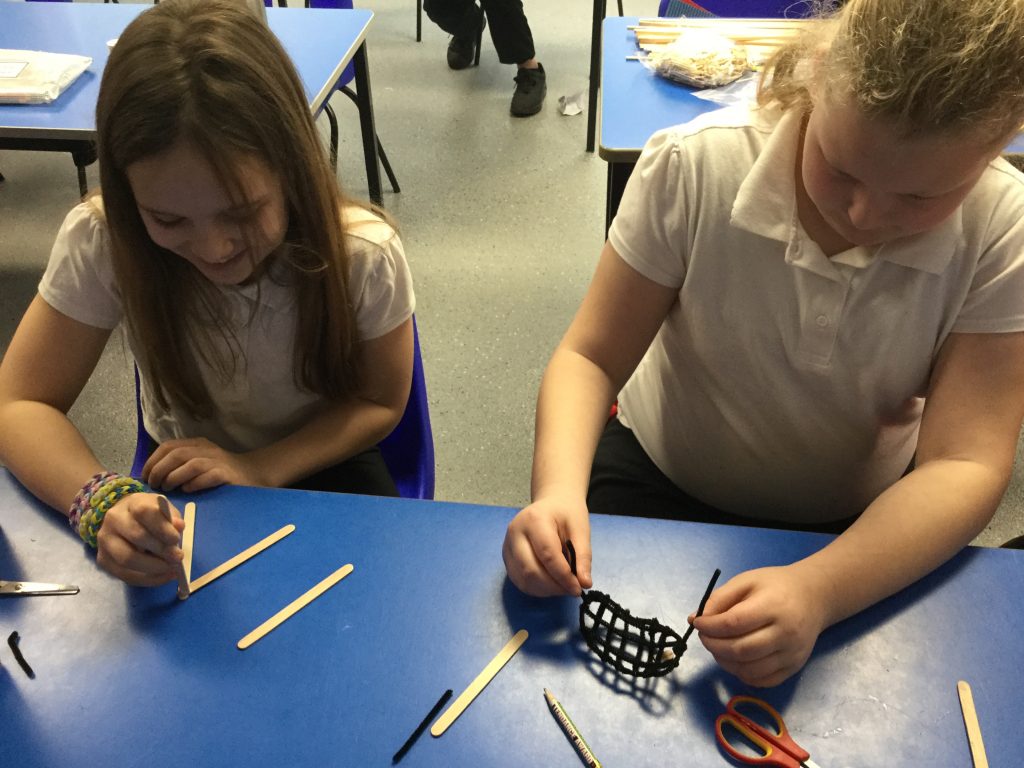
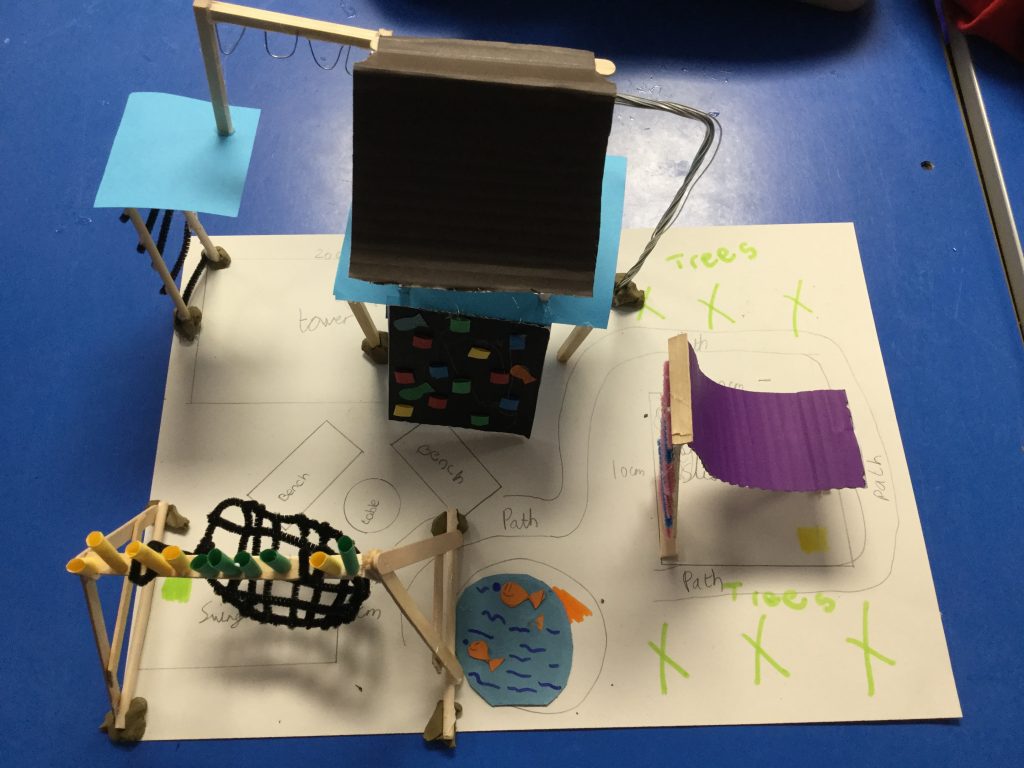
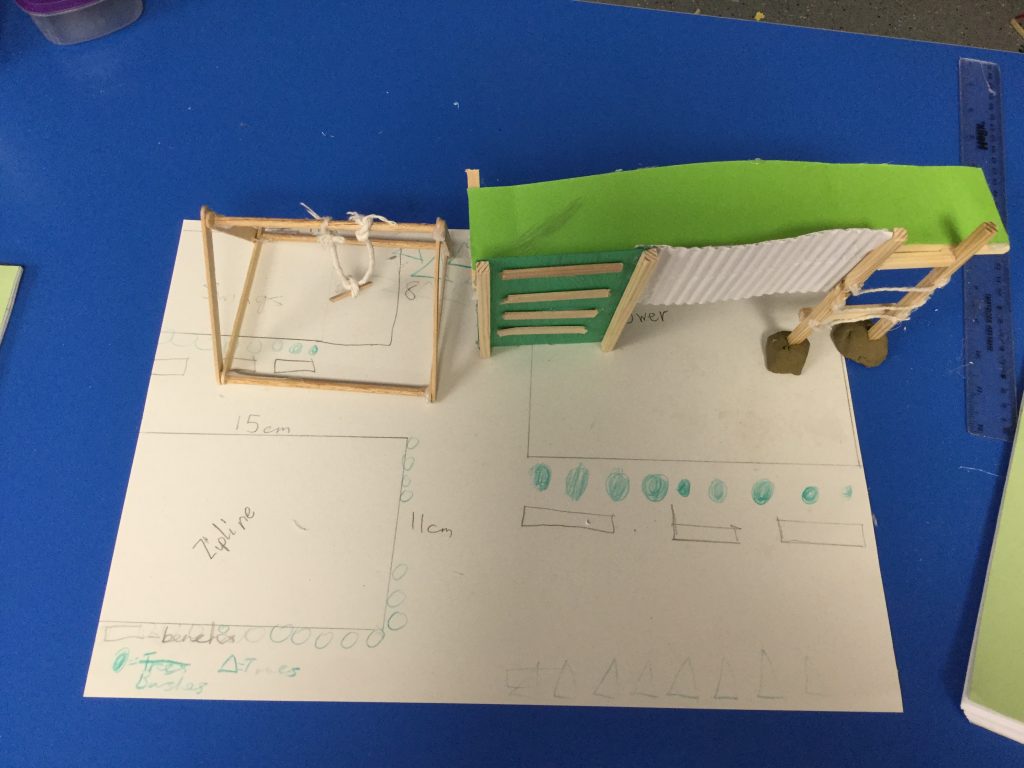
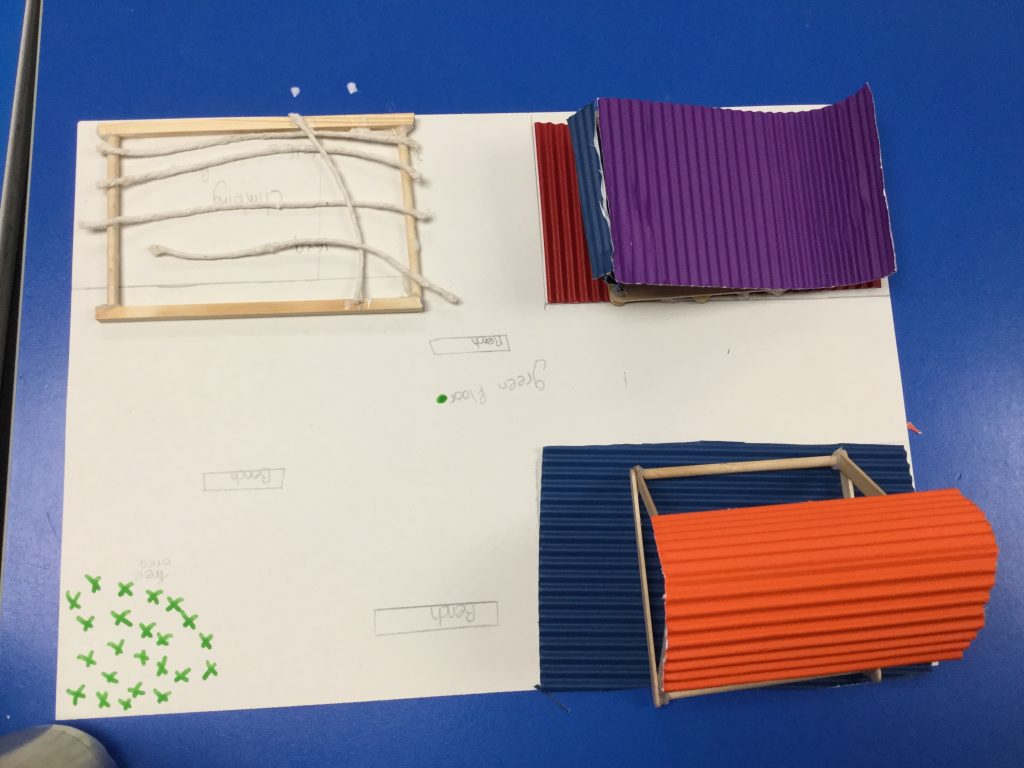
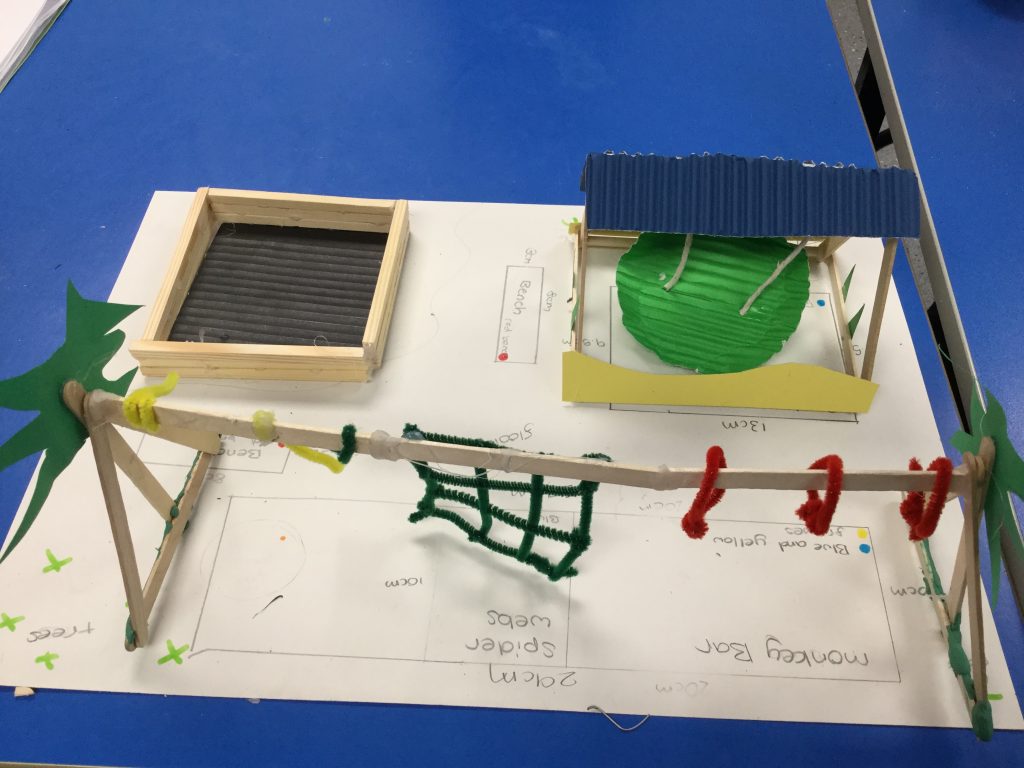
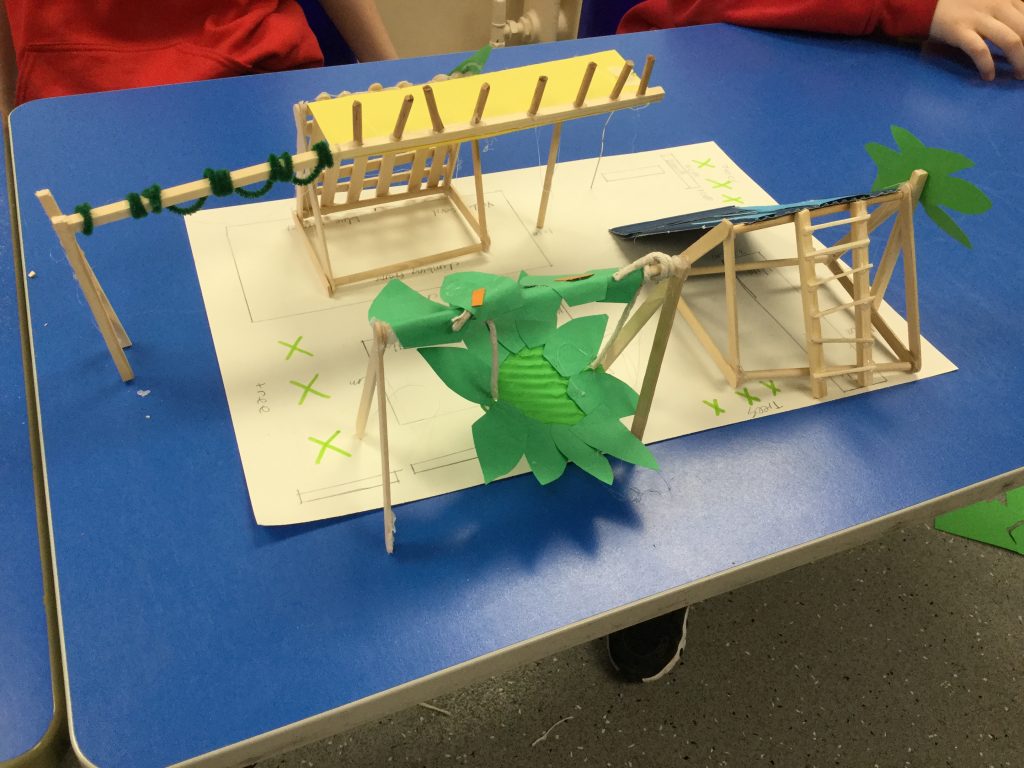
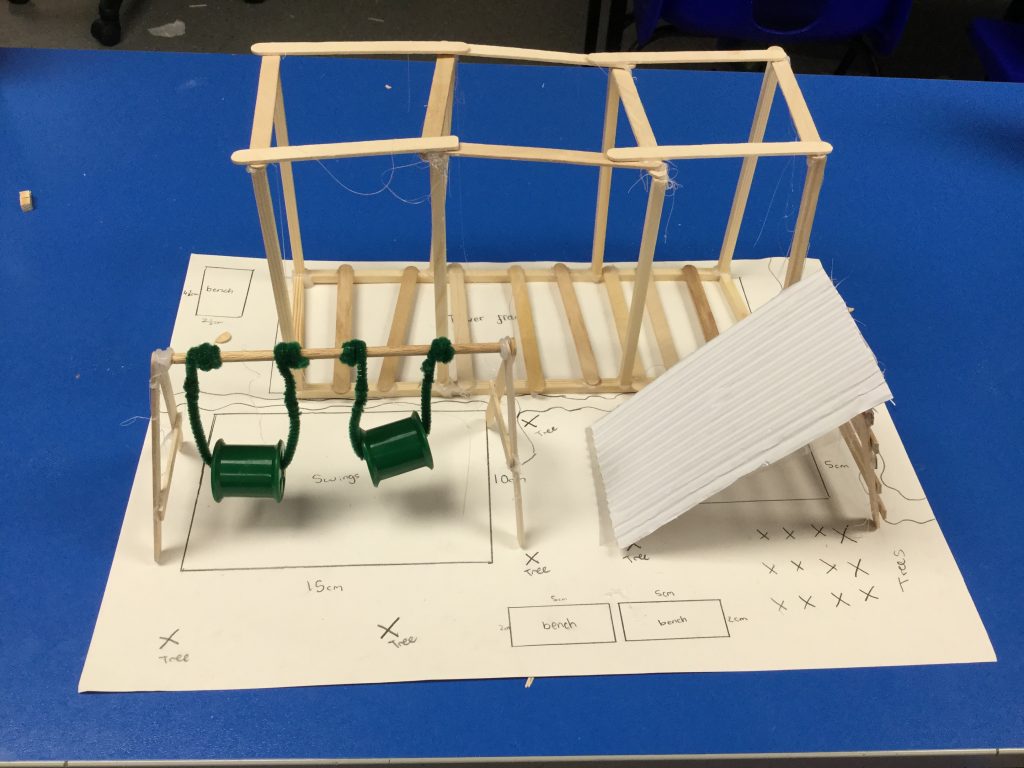
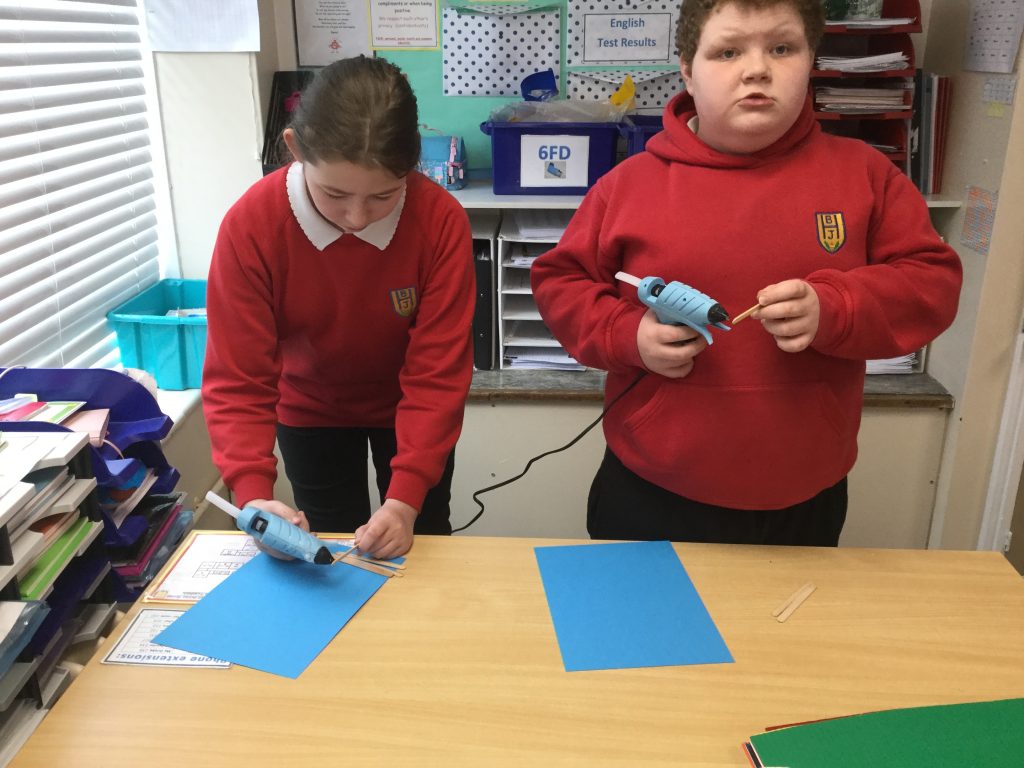
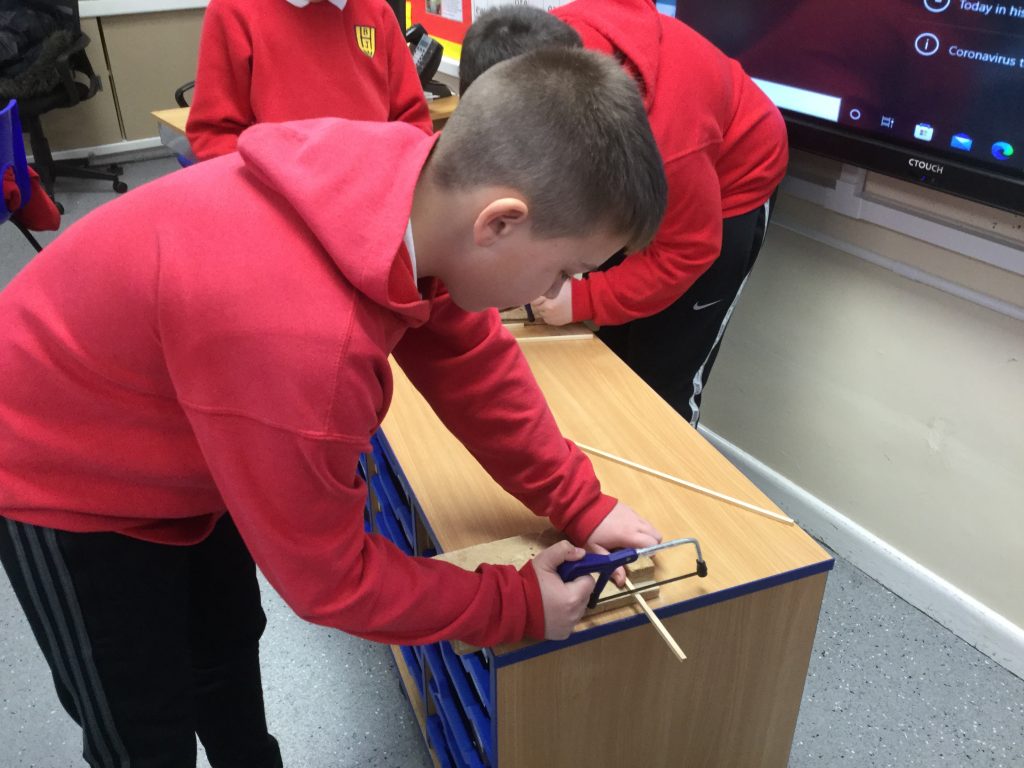
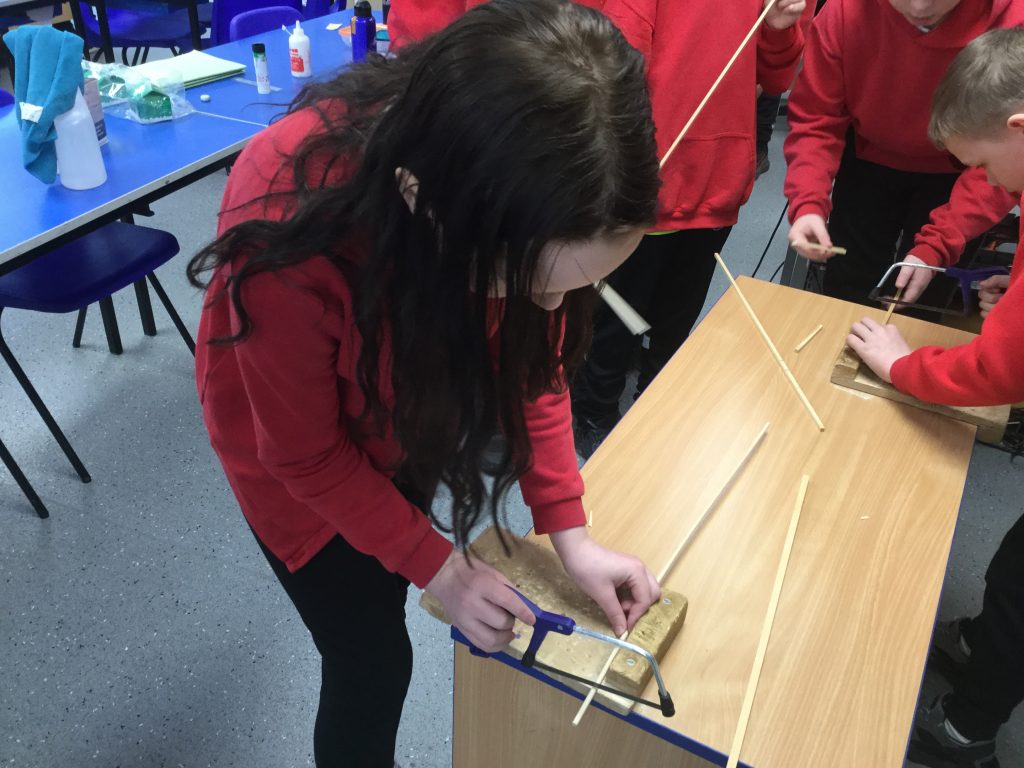
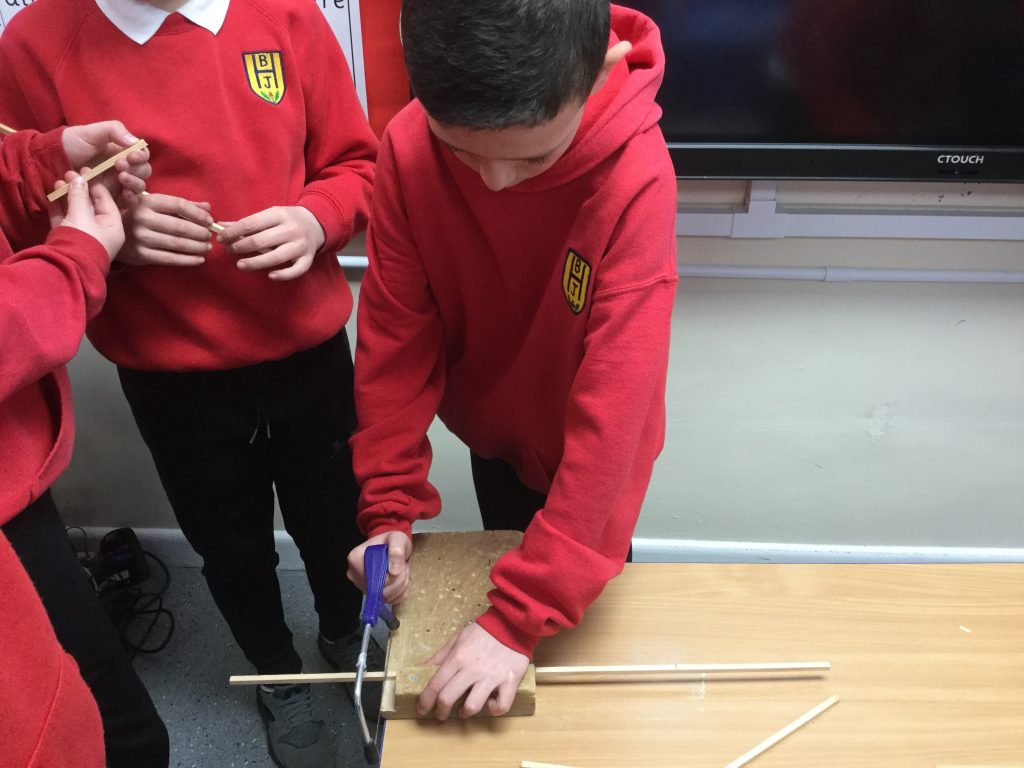
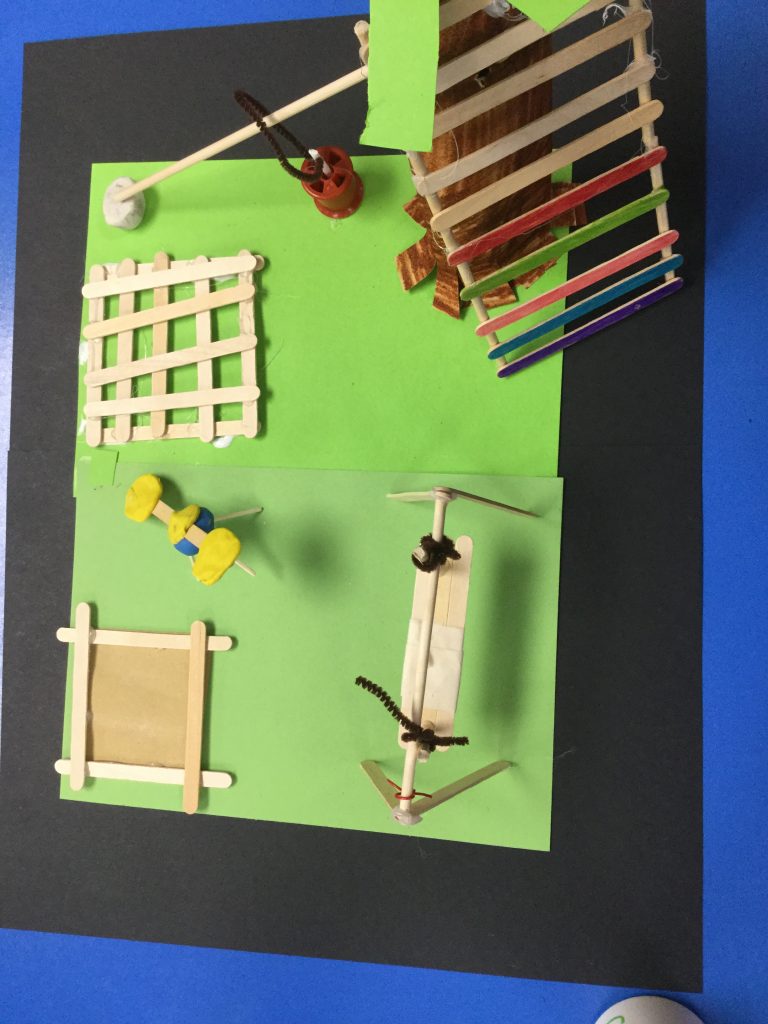
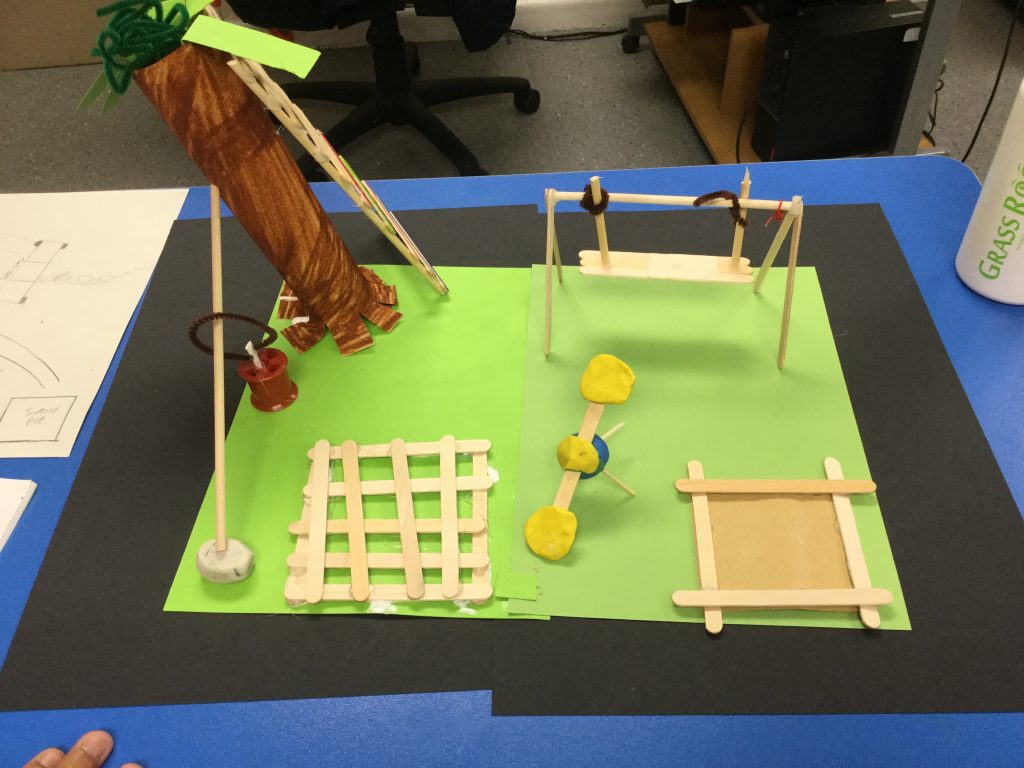
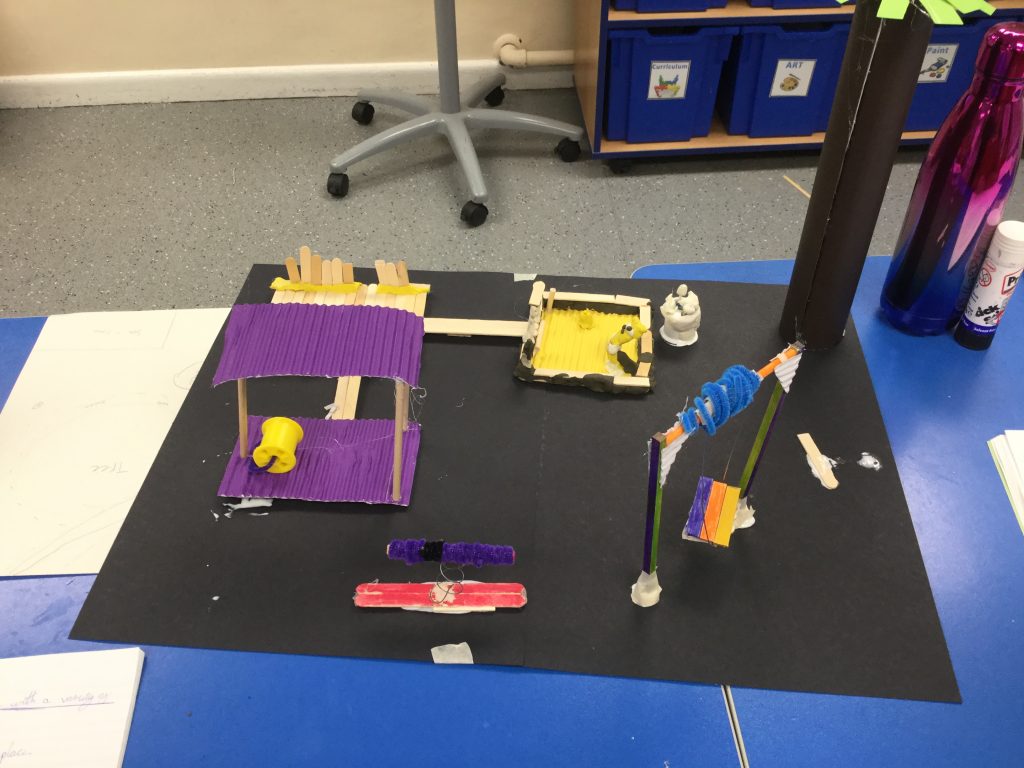
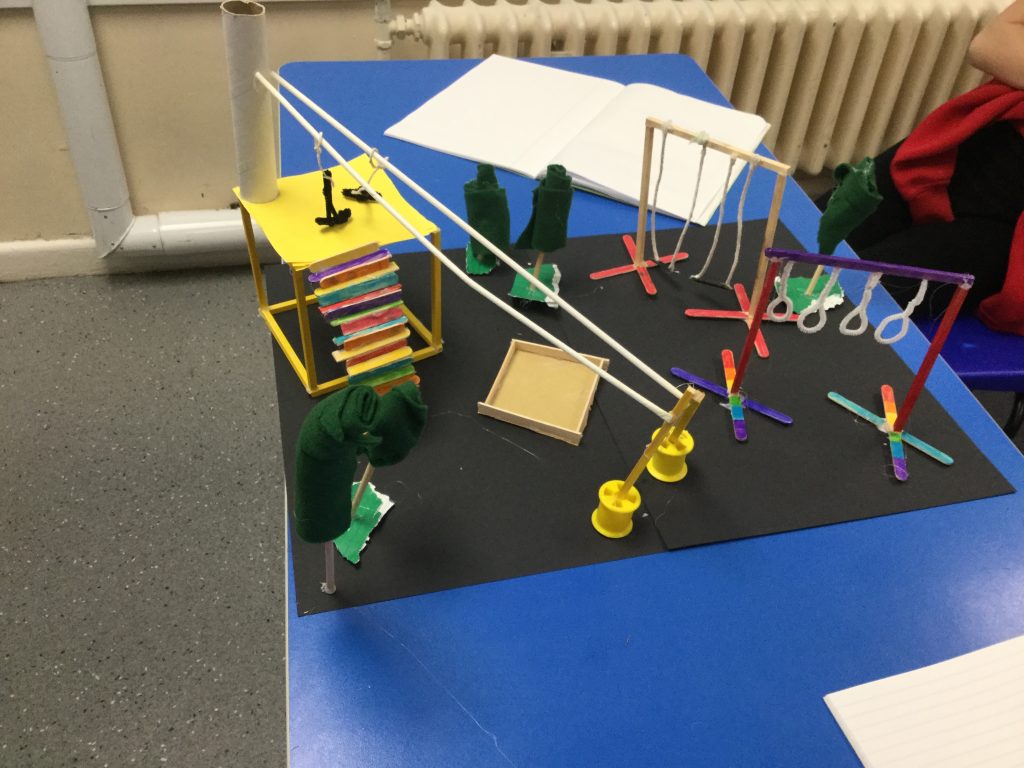
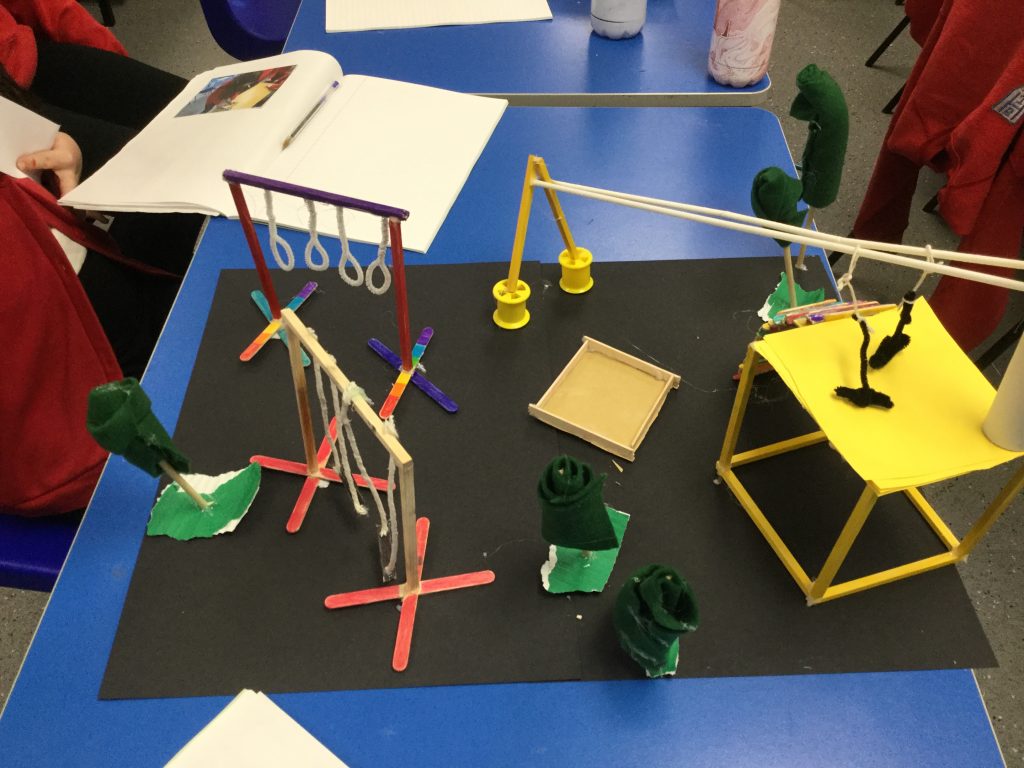
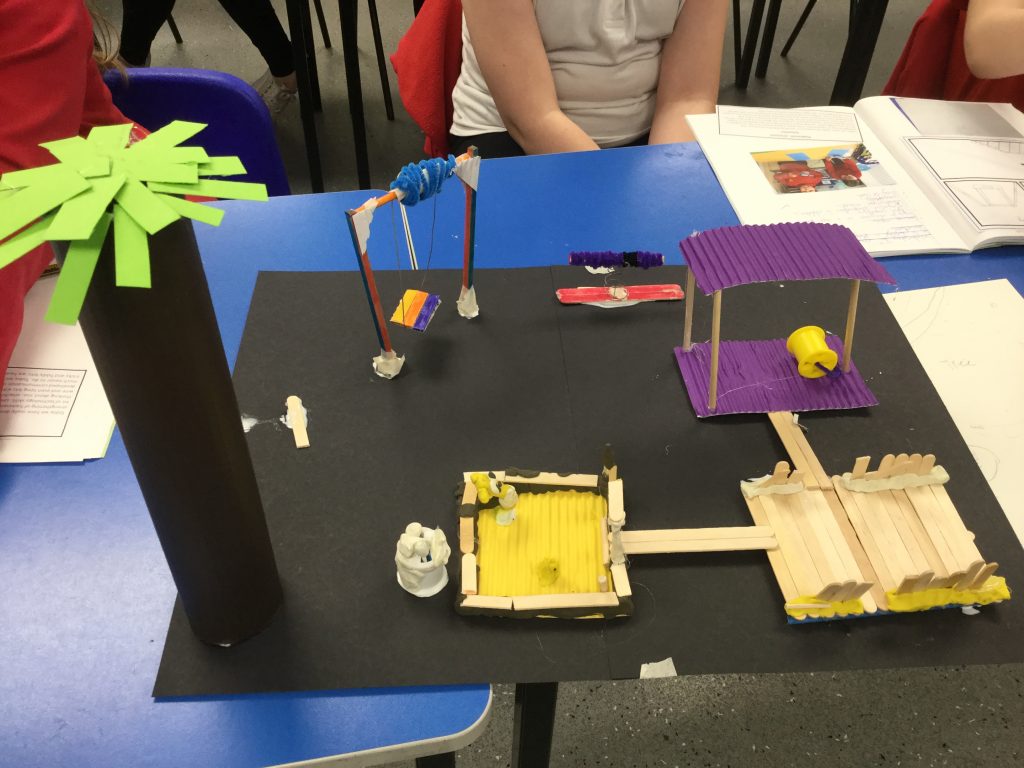
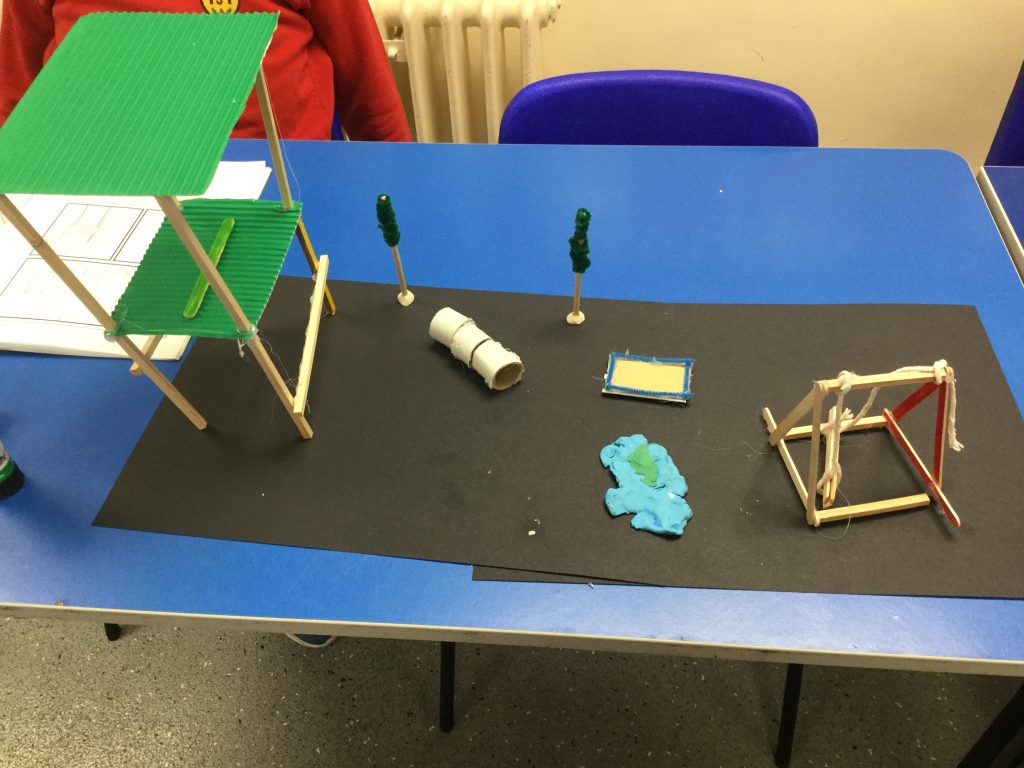
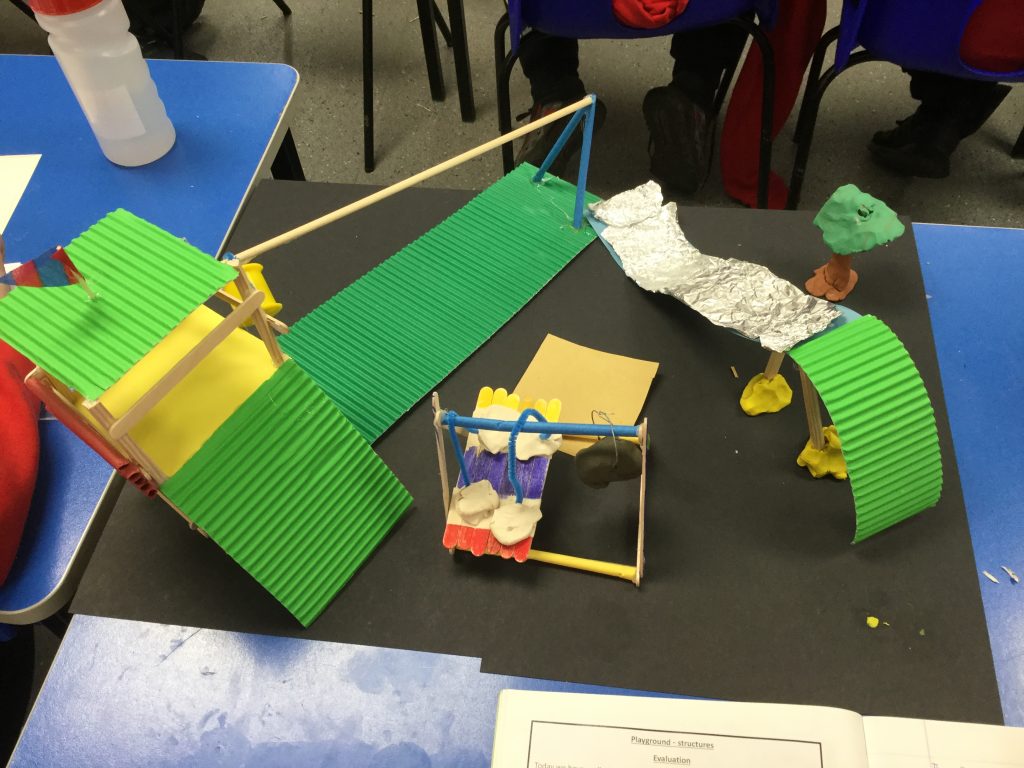
After researching various pieces of playground equipment, pupils explored the different structures and then designed three pieces of apparatus using different structures. They then built these using a range of materials and equipment.
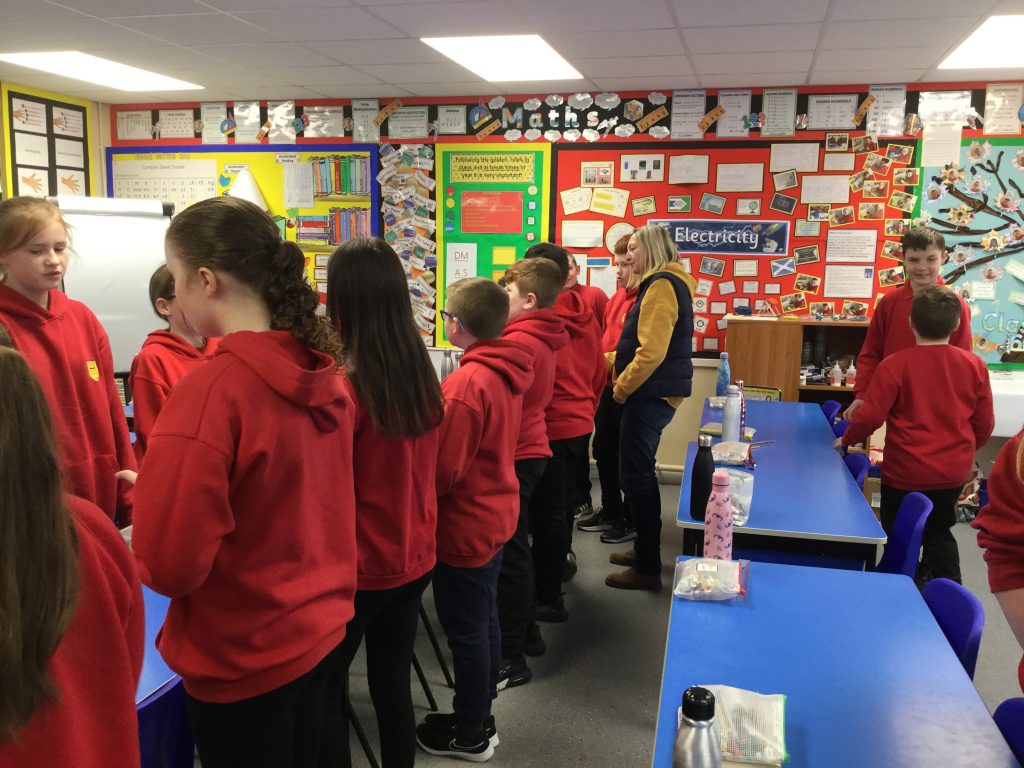
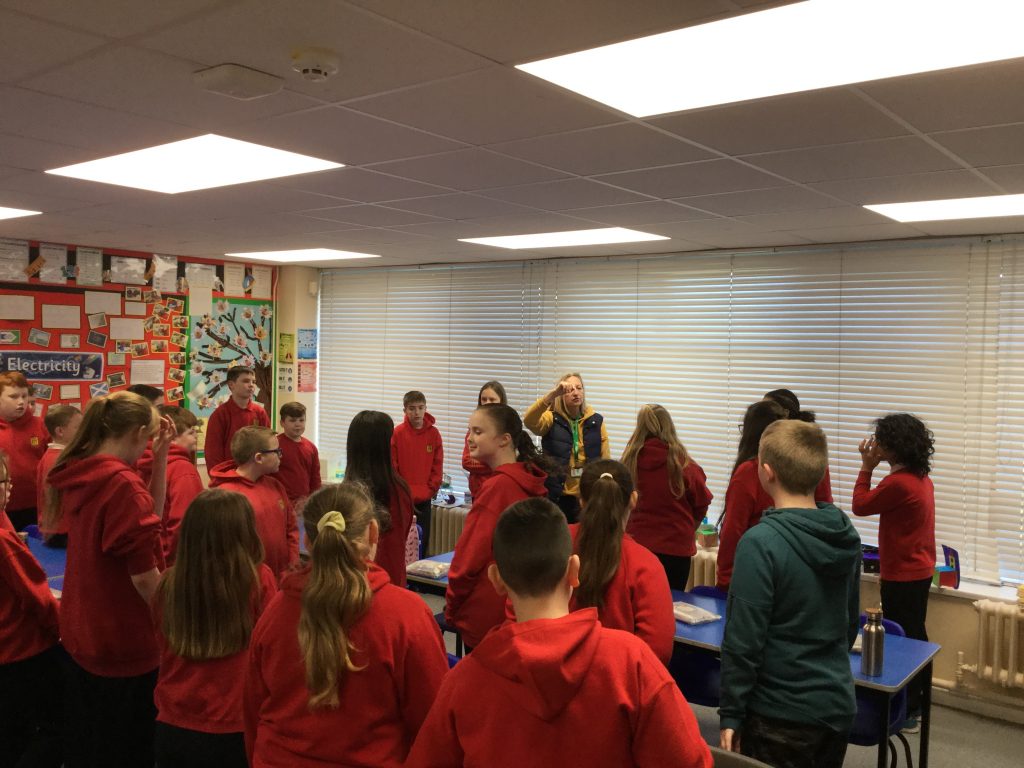
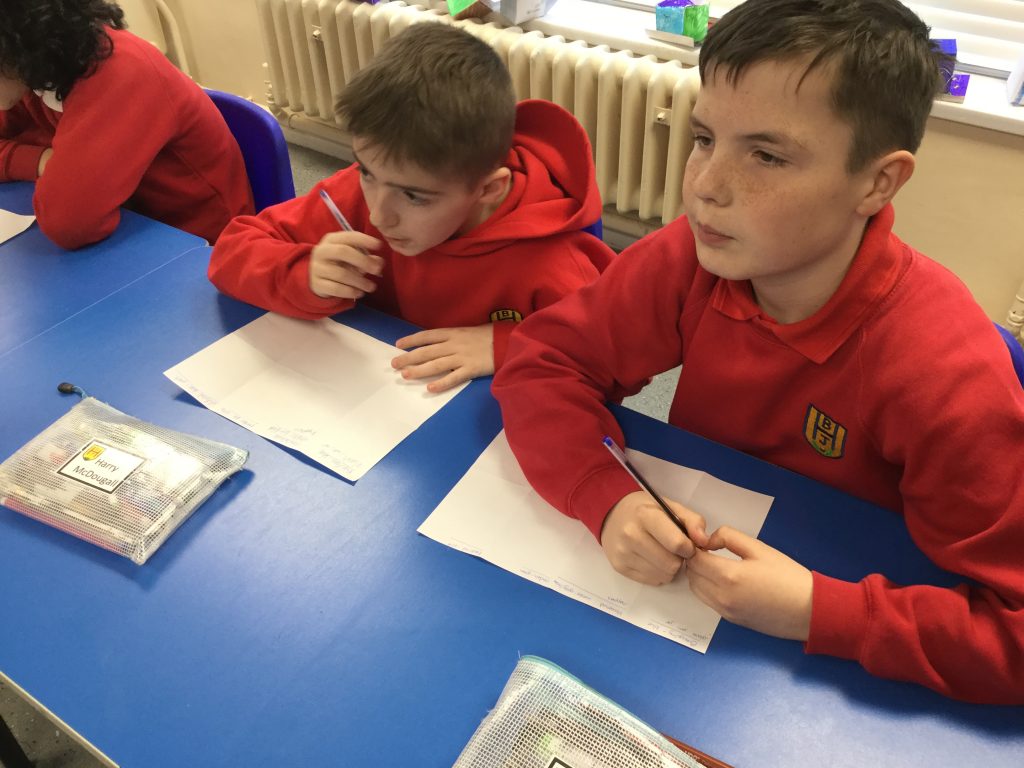
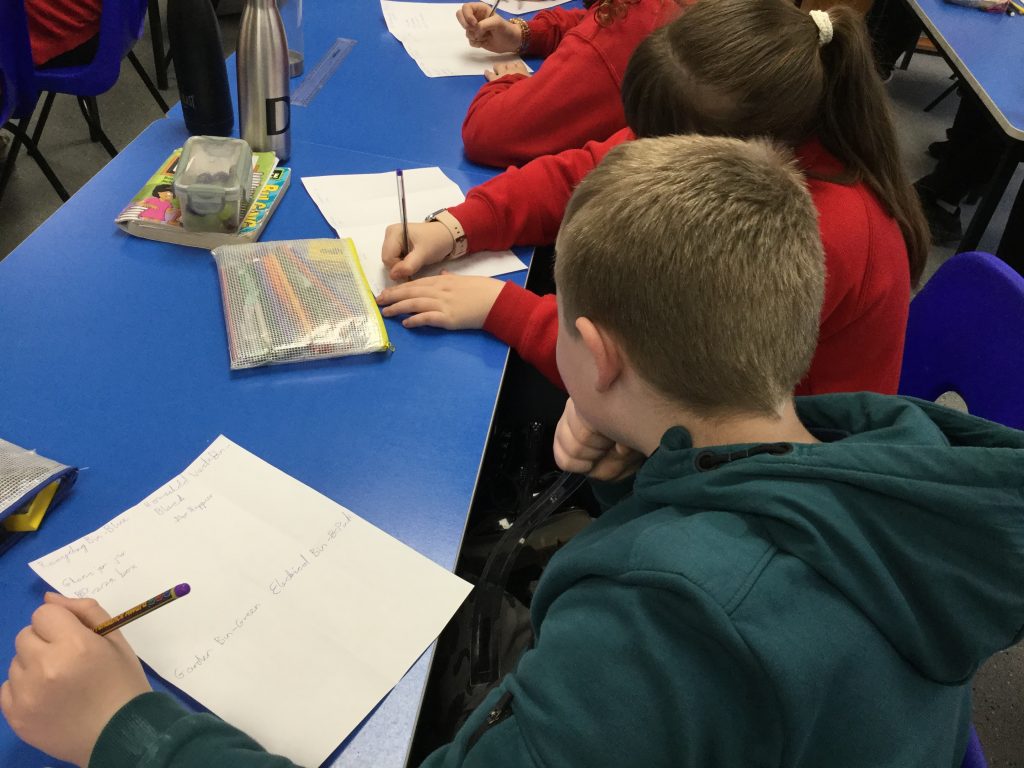
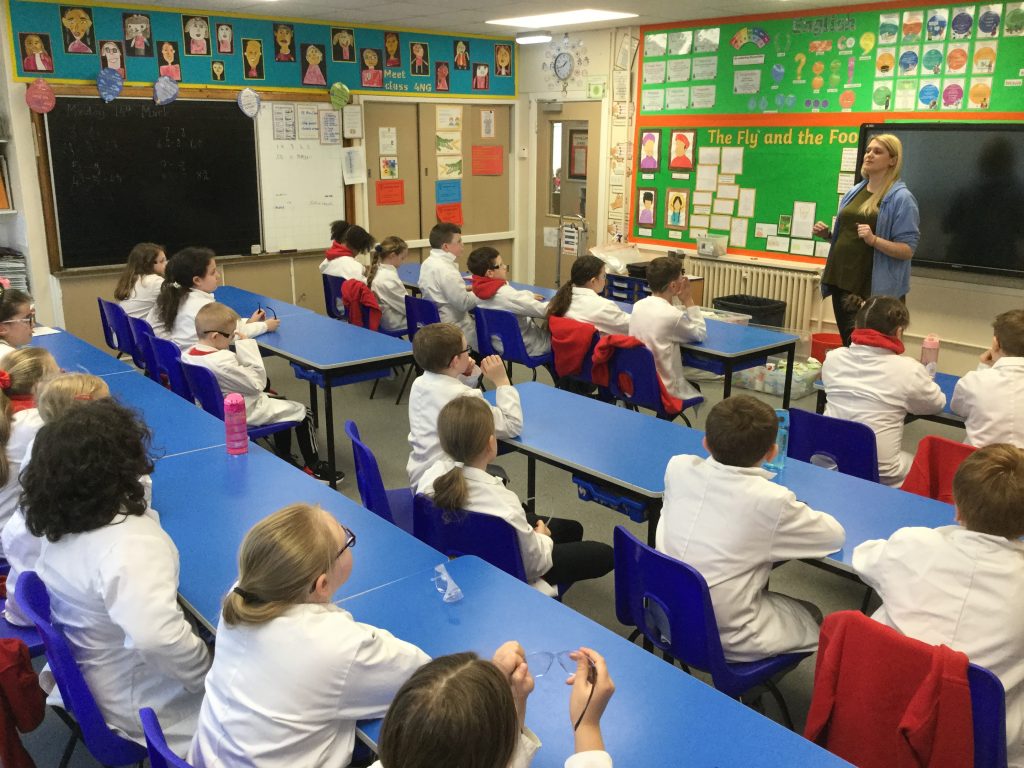
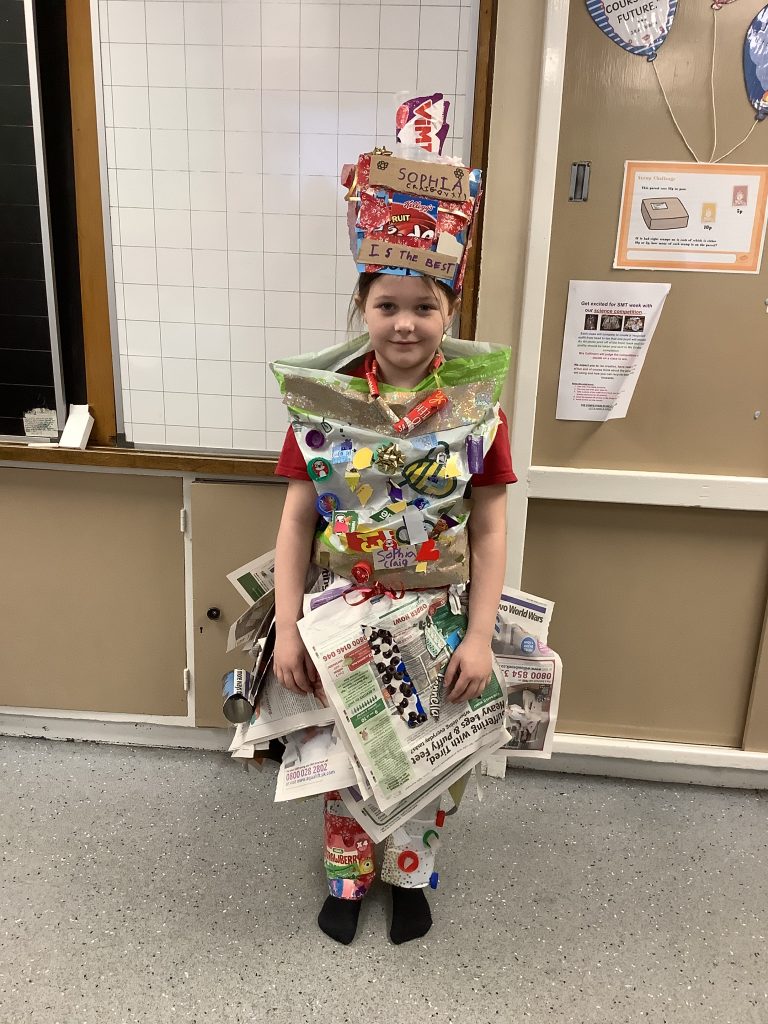
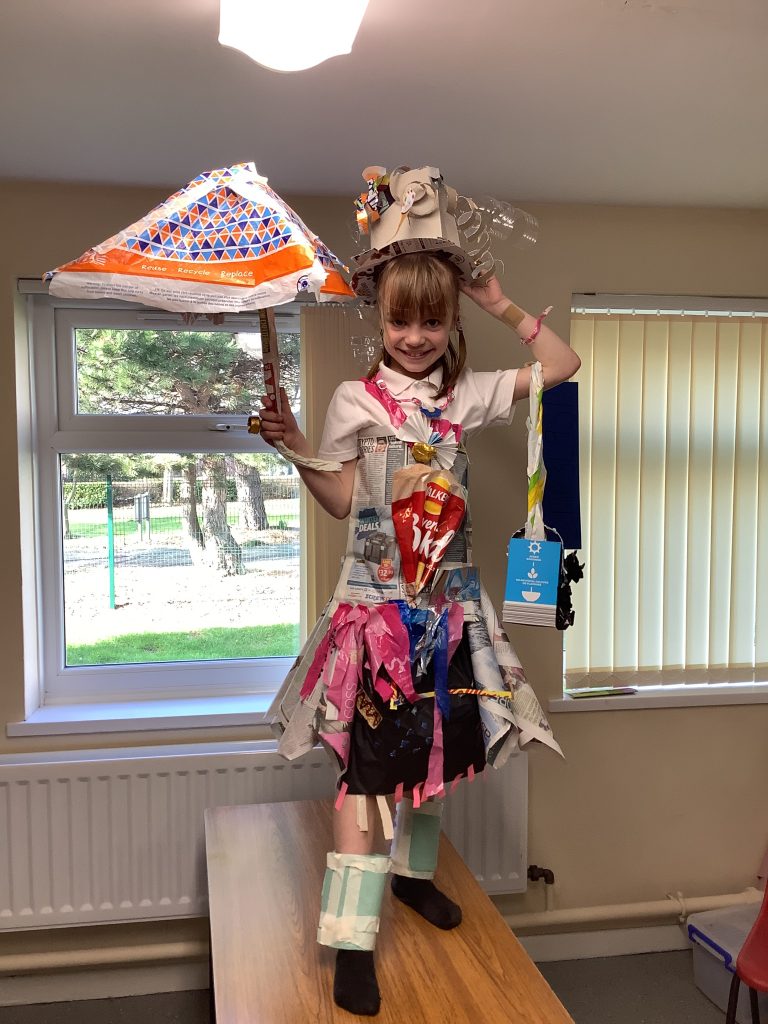
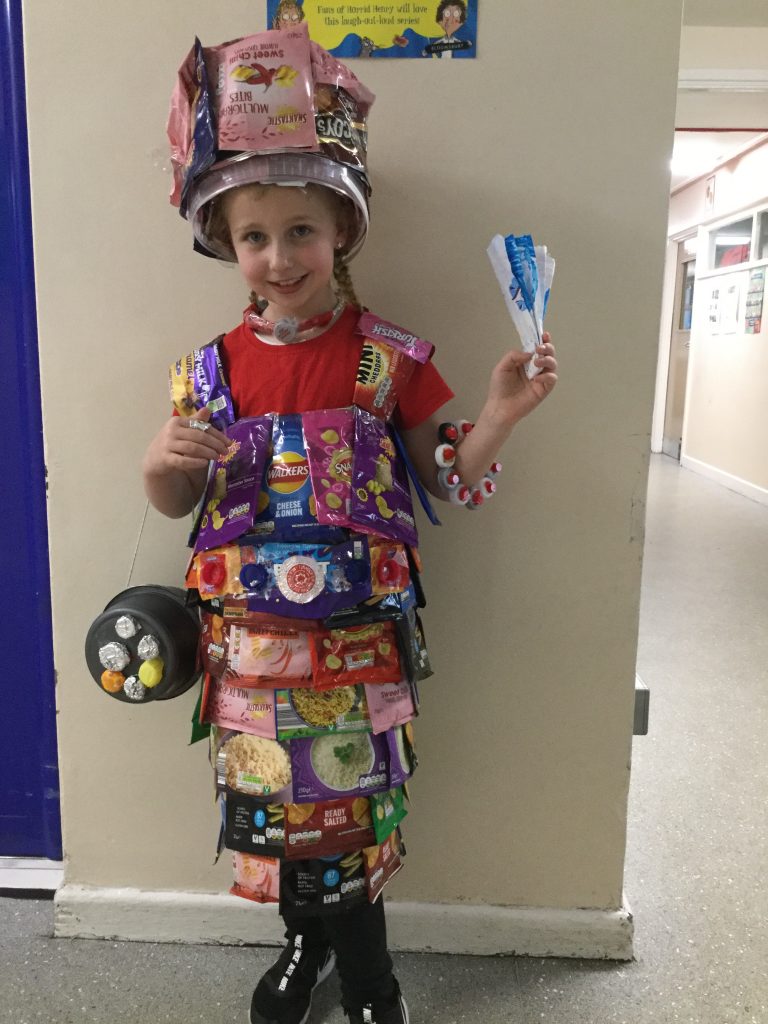
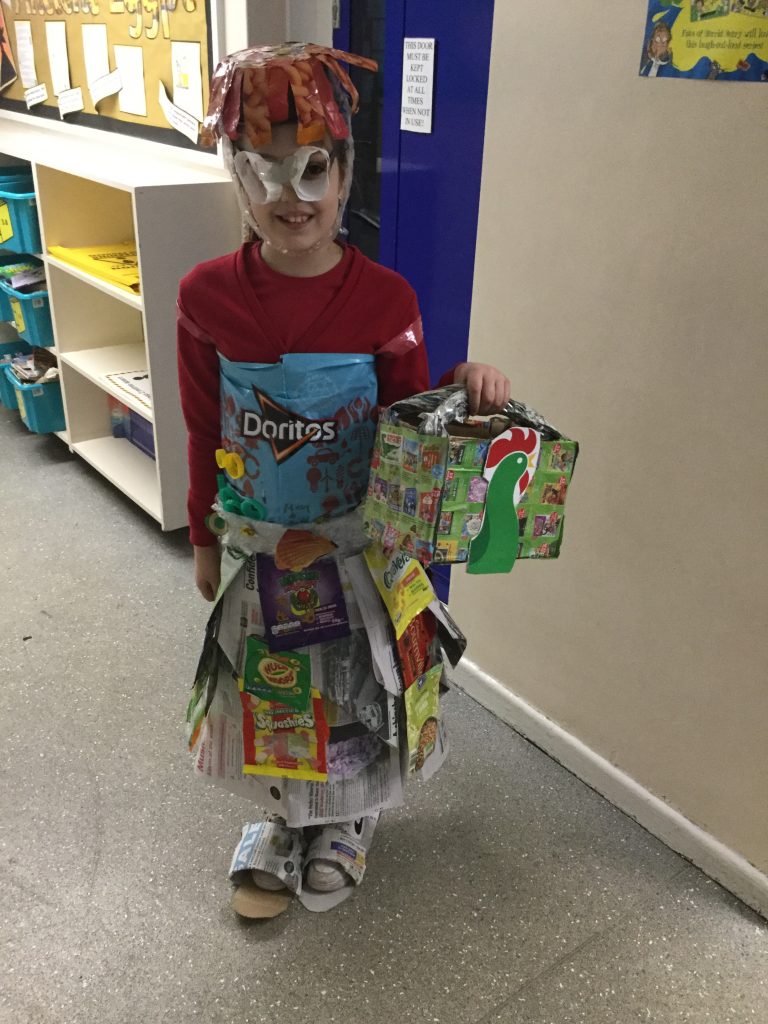
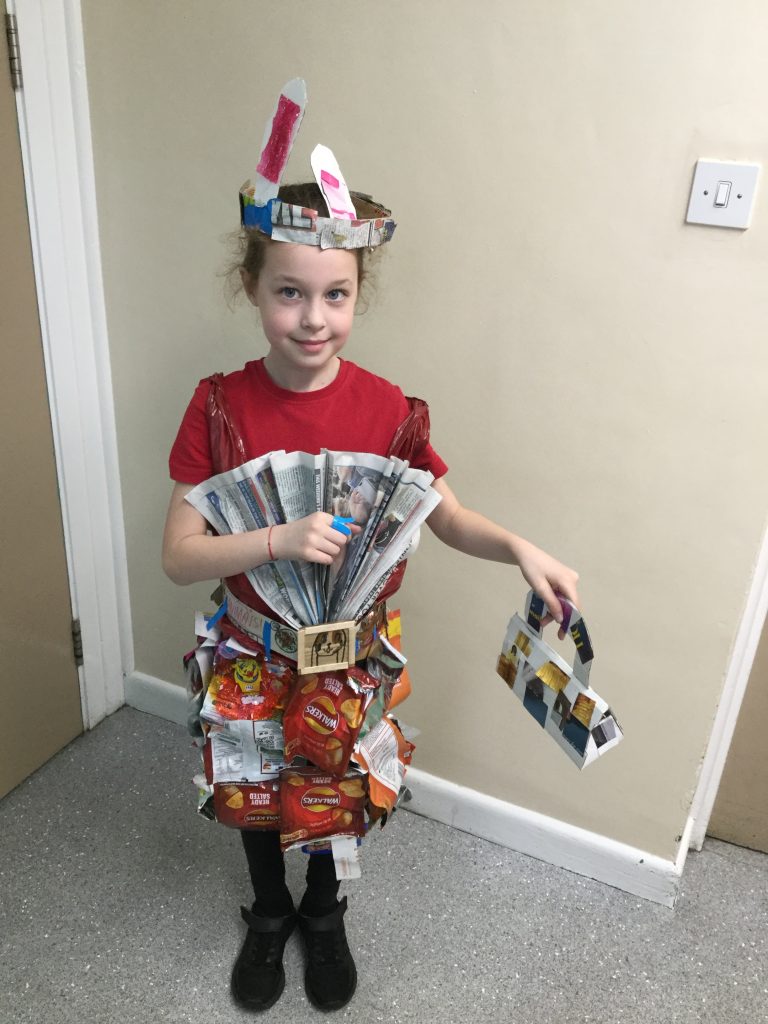
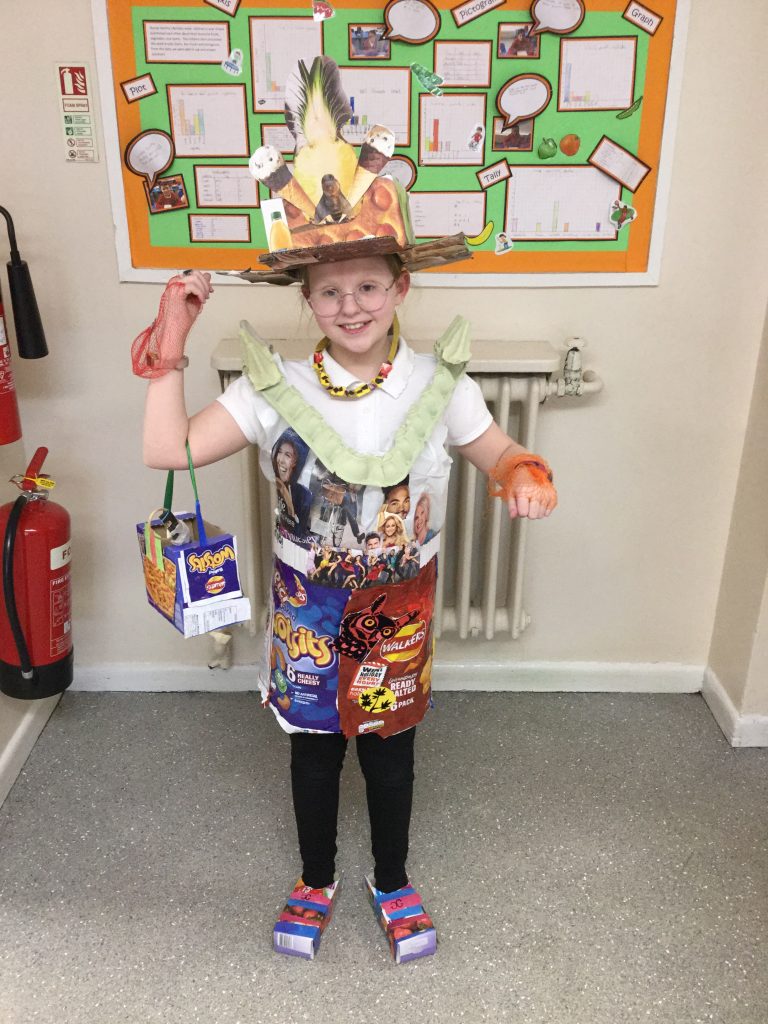
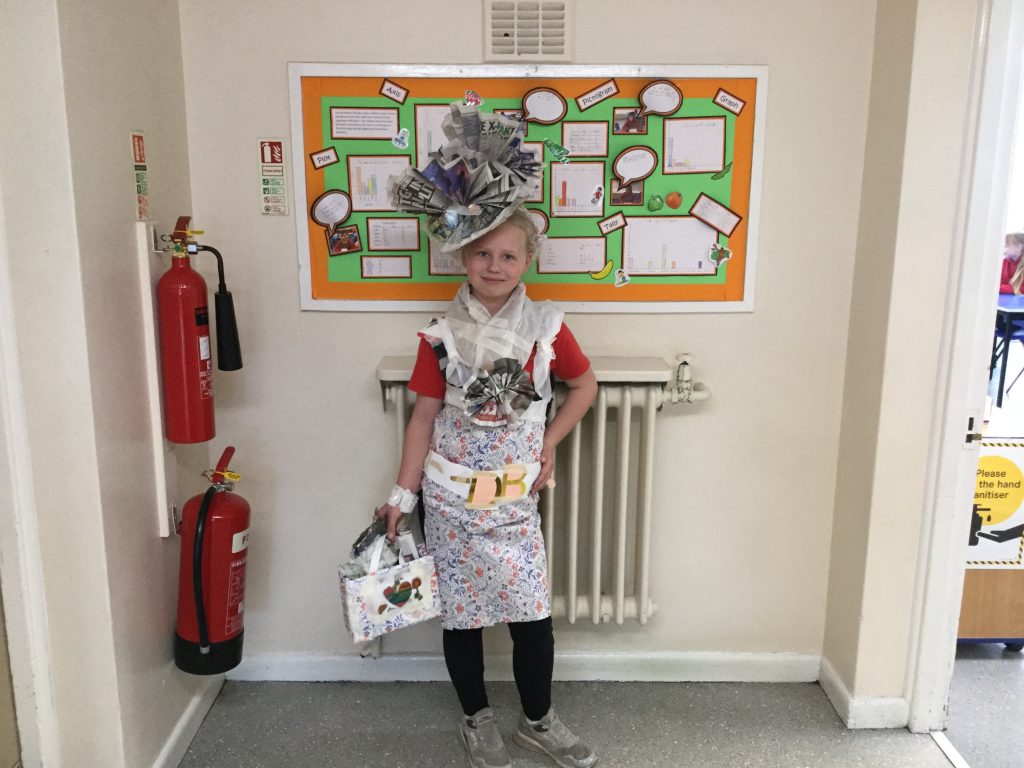
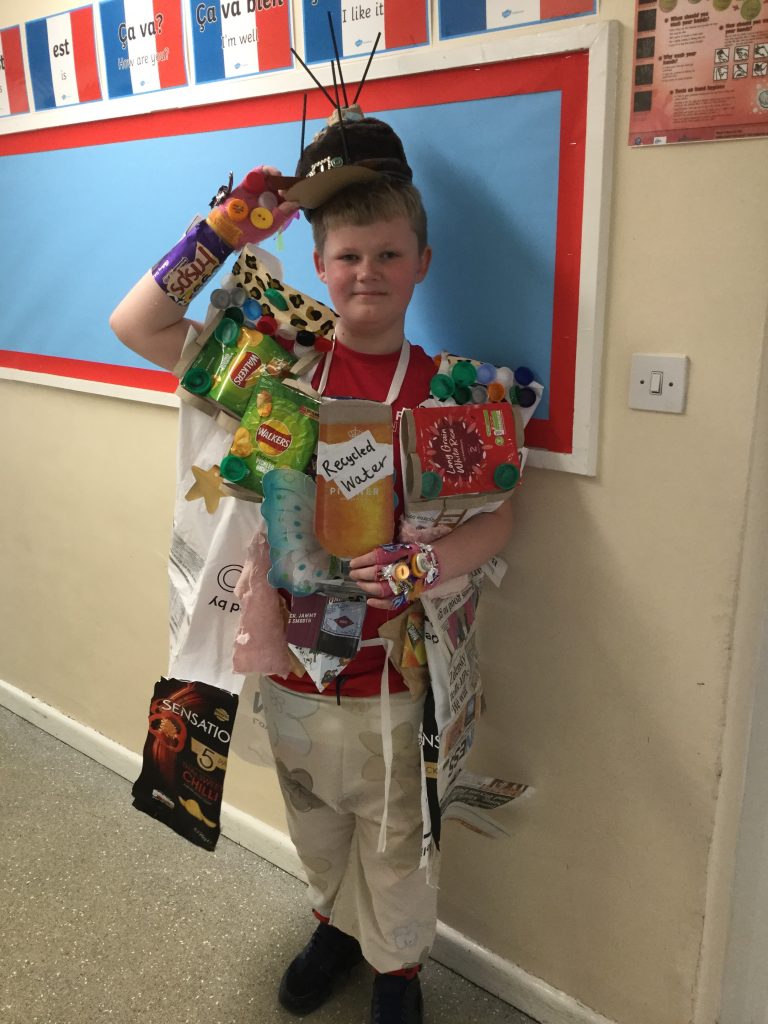
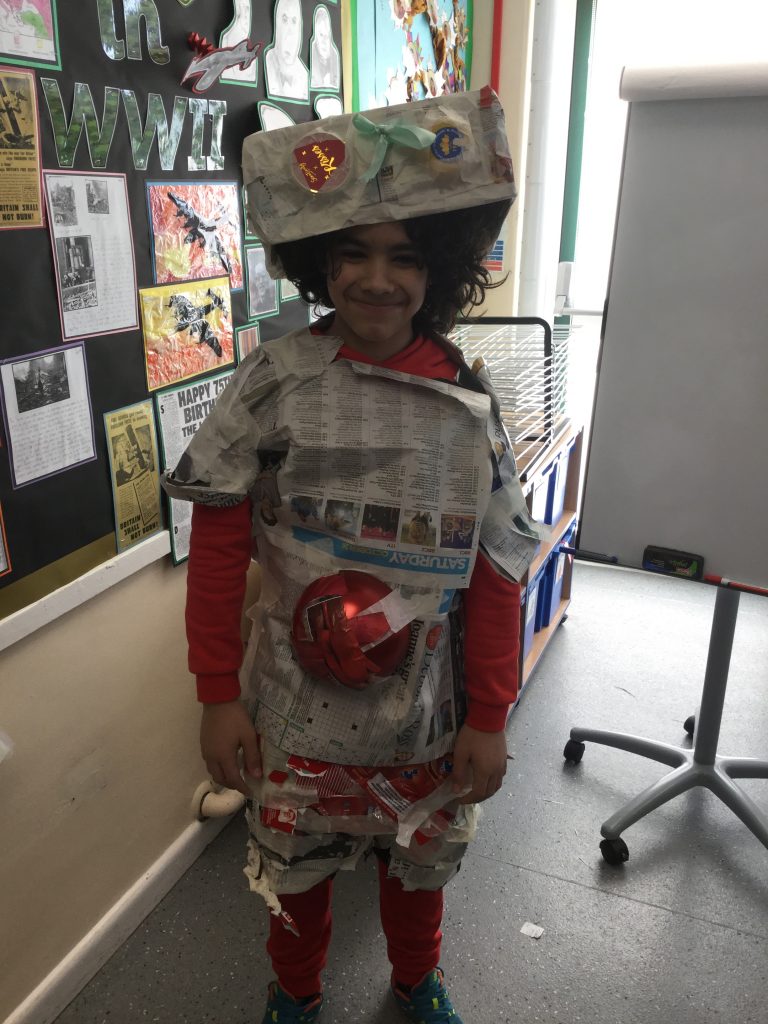
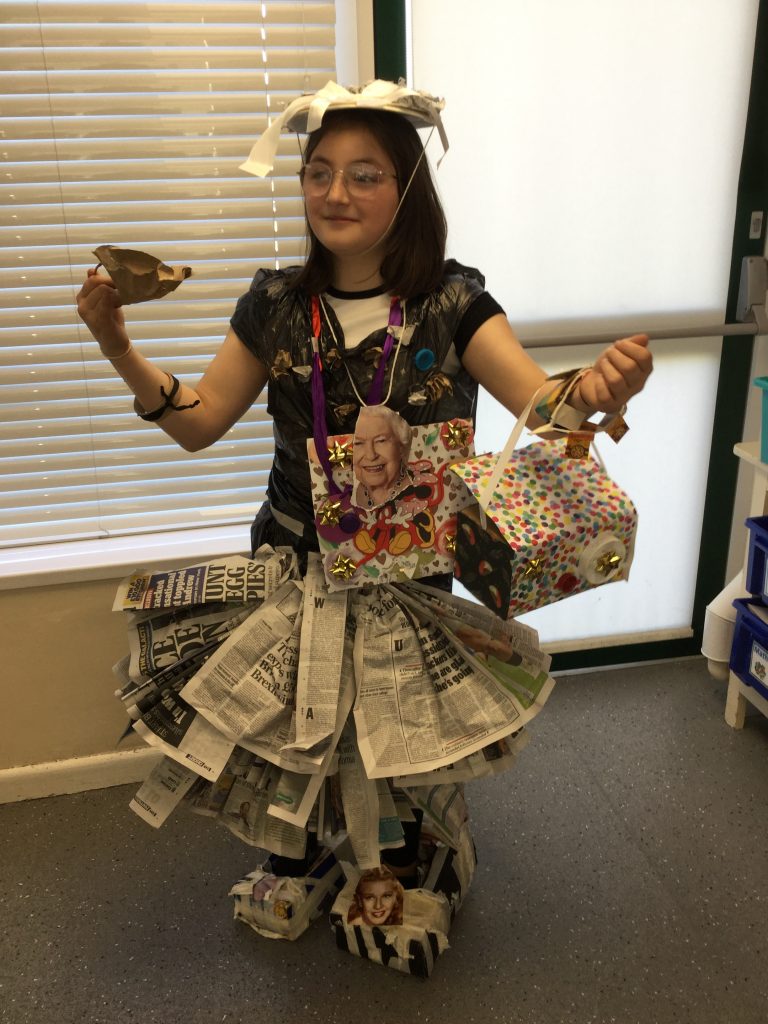
Ann from Gateshead Recycling and Waste Centre came to visit year 6 to discuss what we can recycle, how to correctly recycle and the importance of recycling. This linked brilliantly to our recycled outfit challenge.
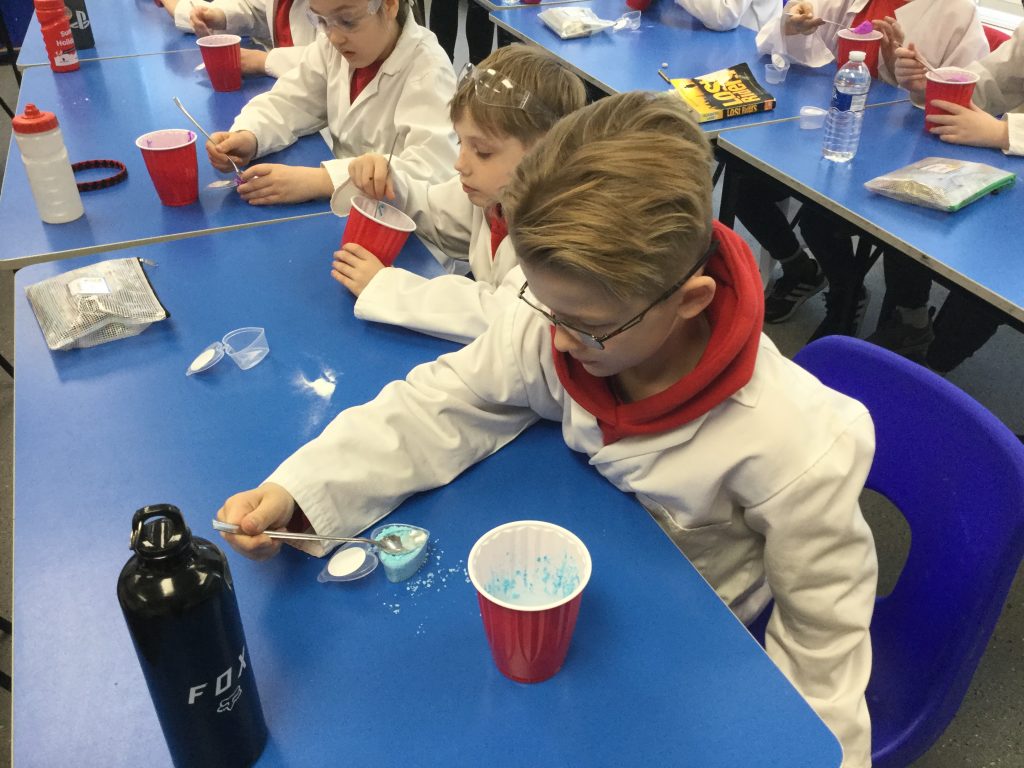
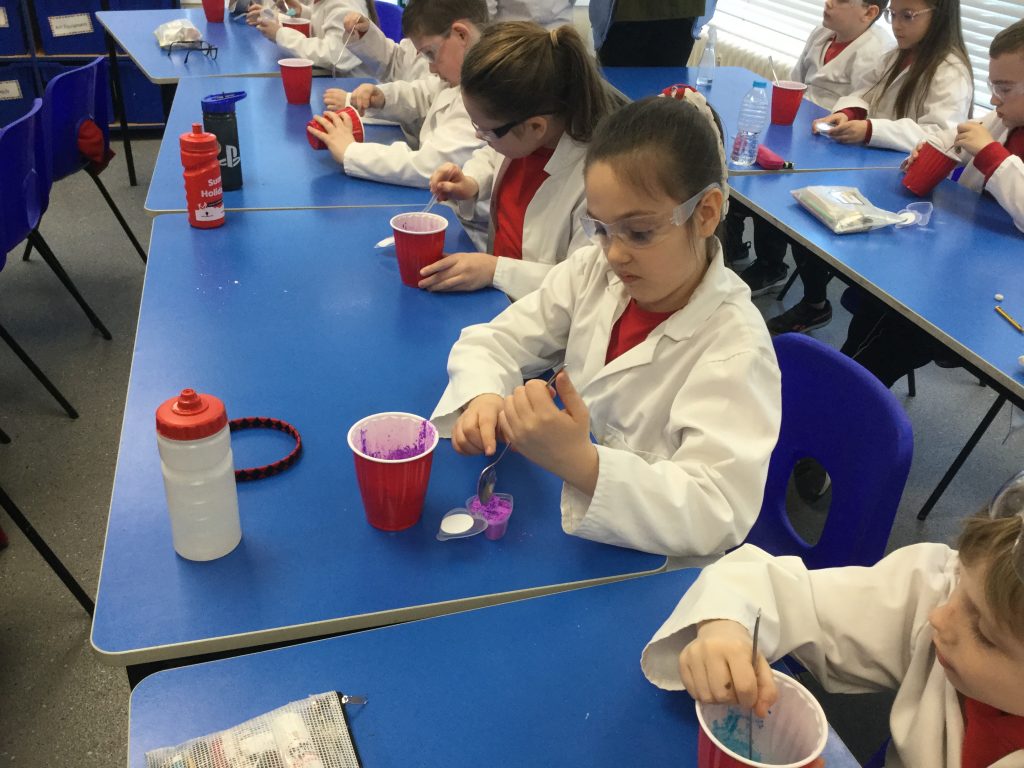
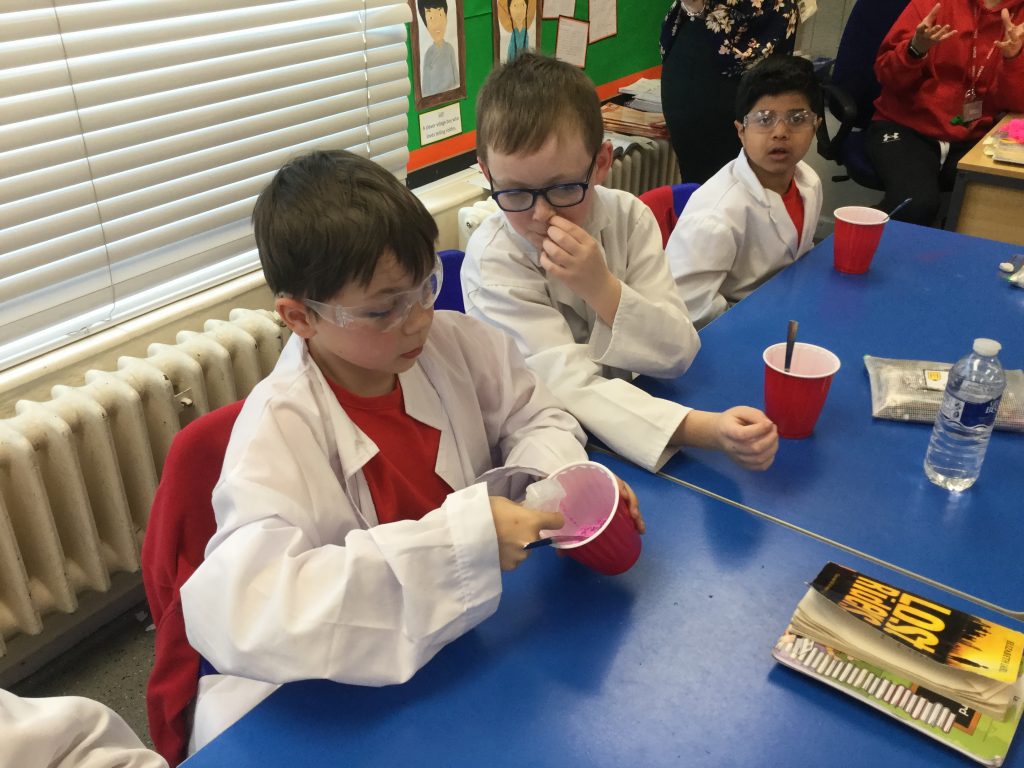
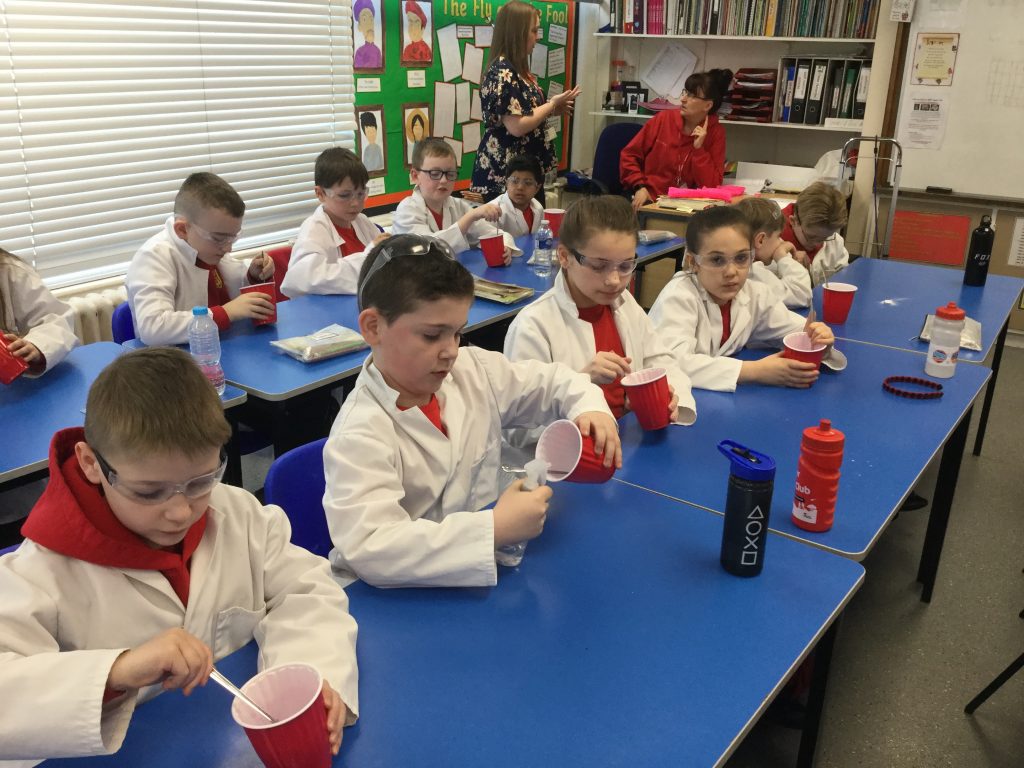
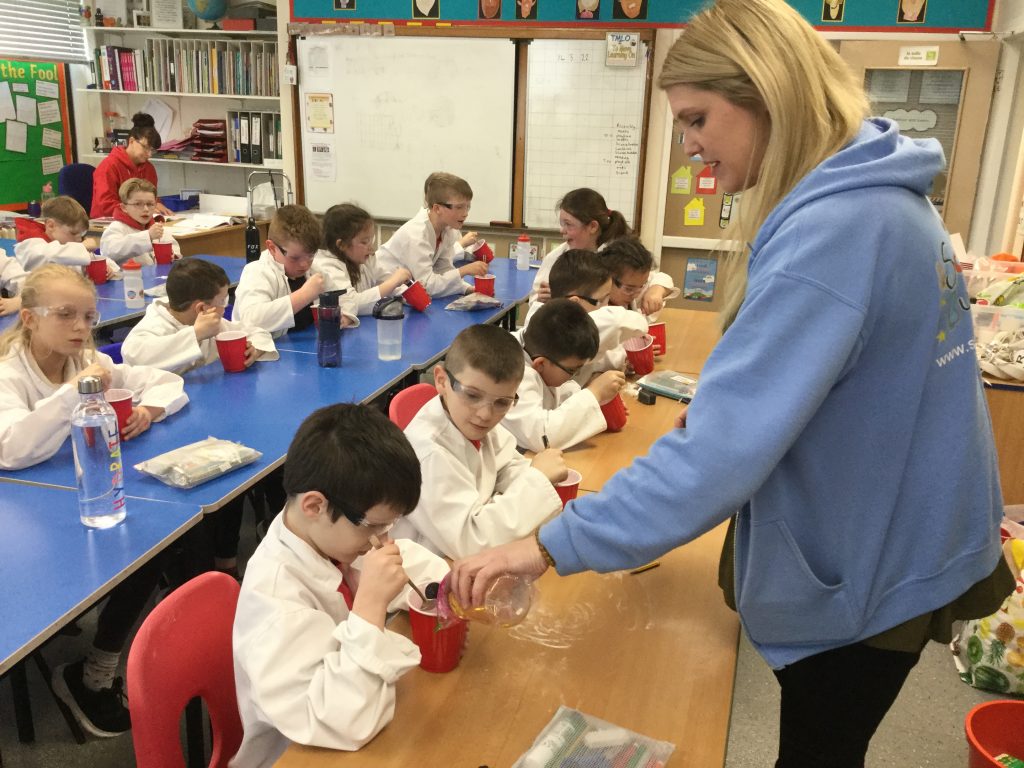
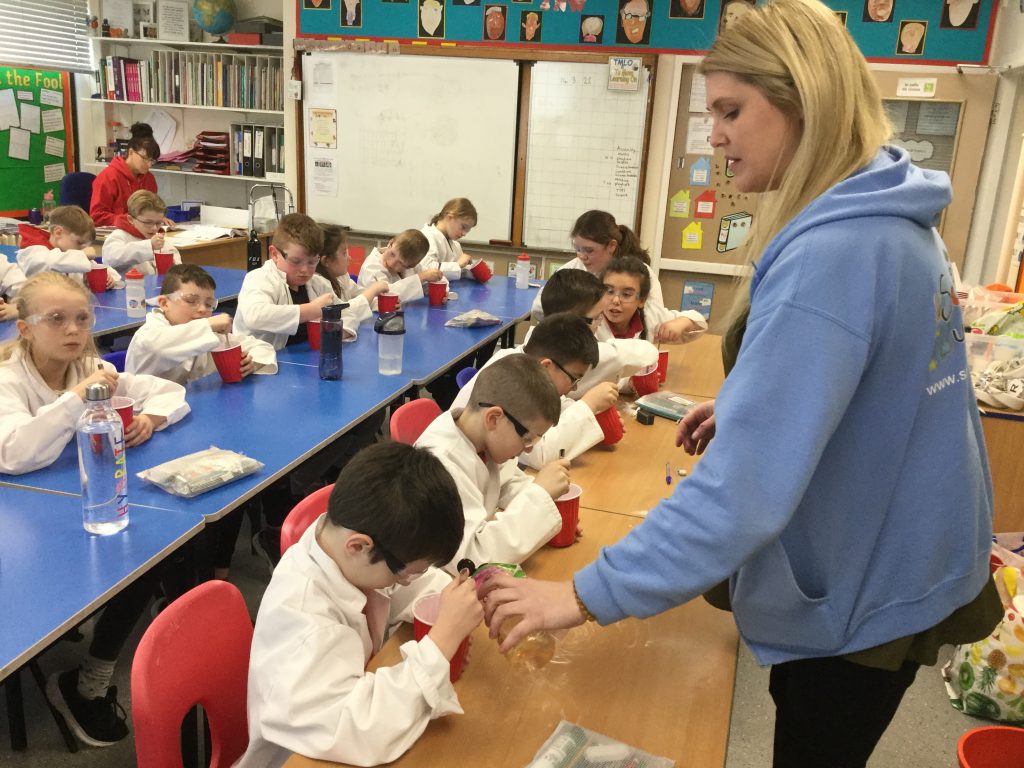
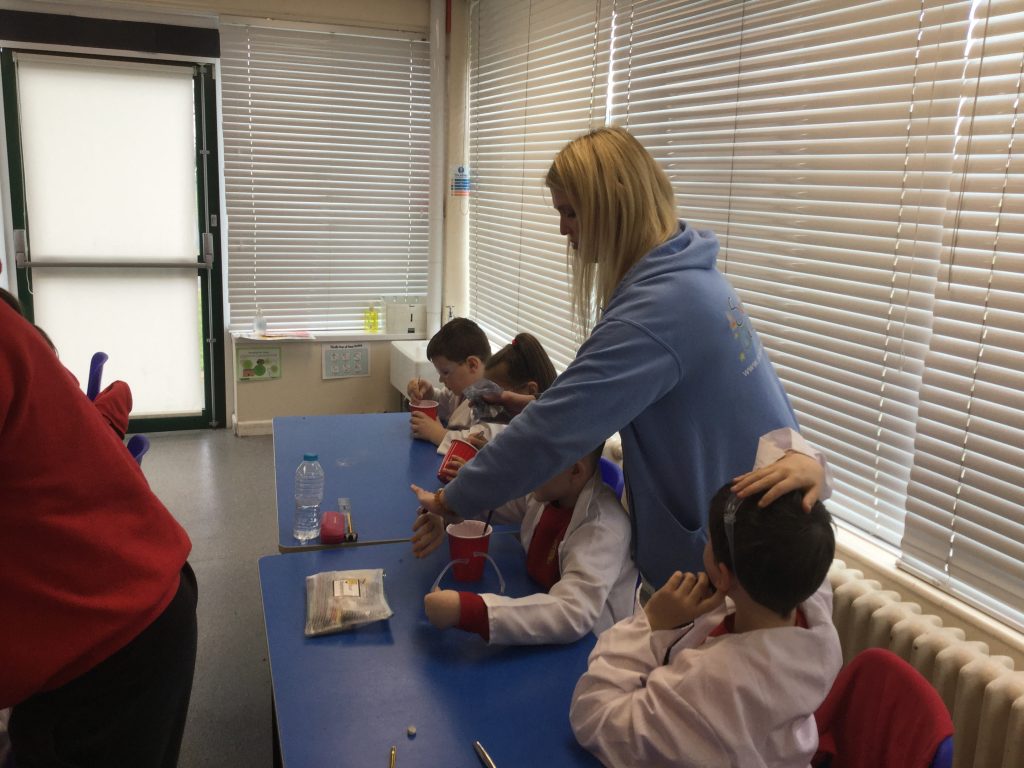
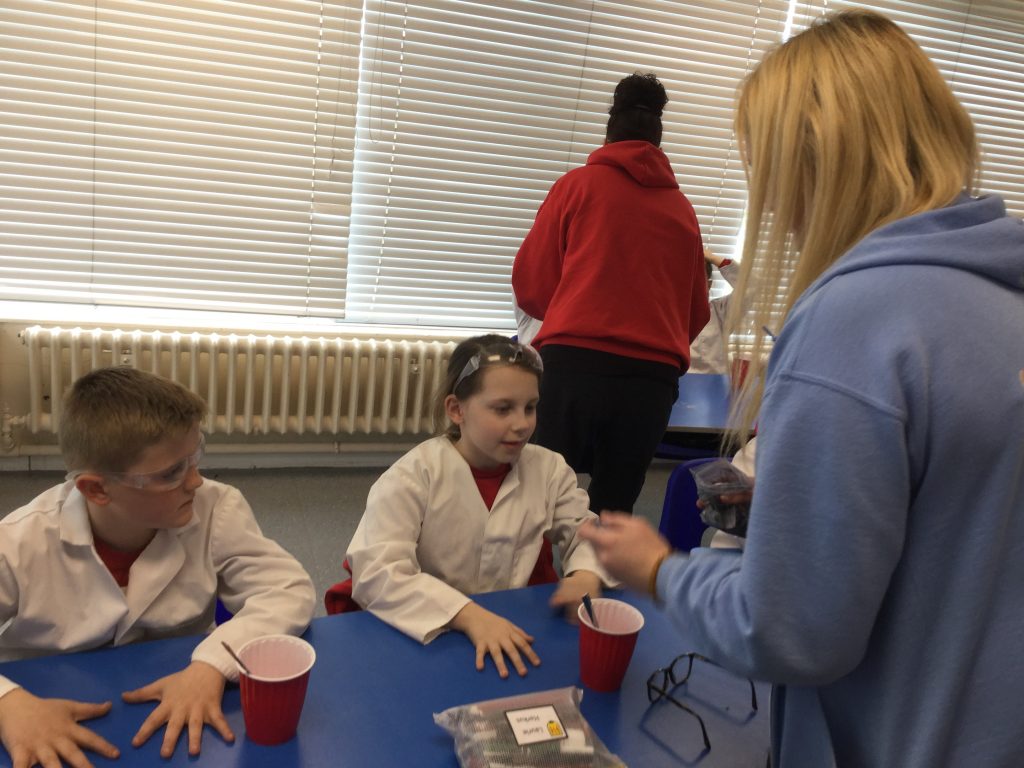
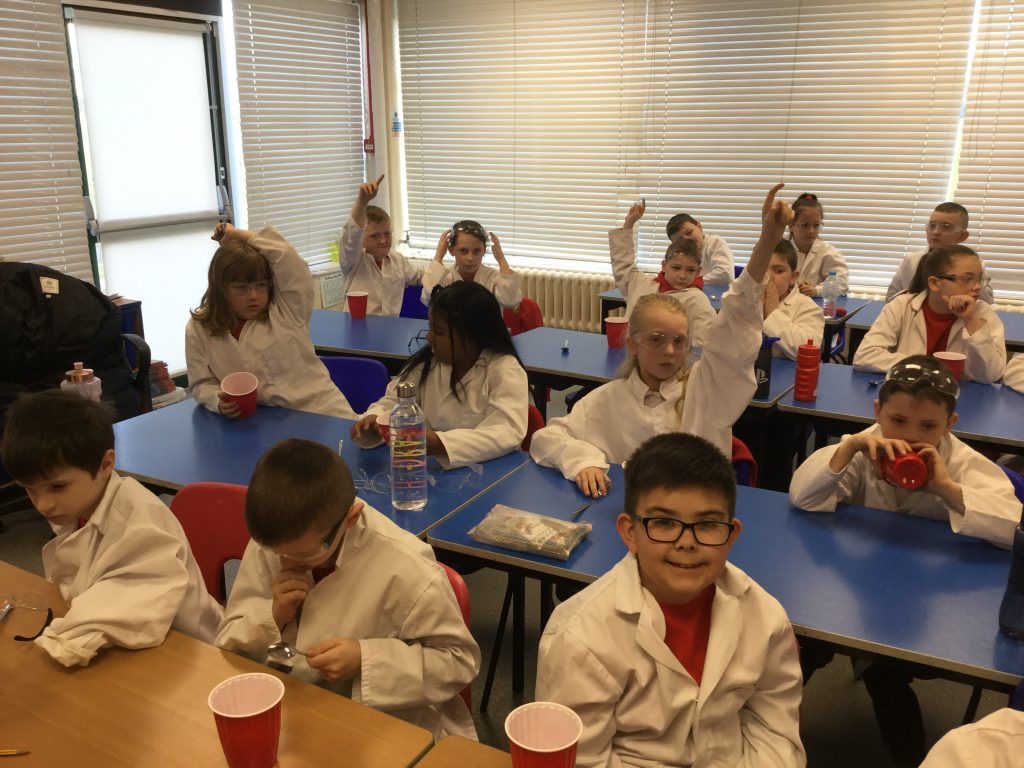
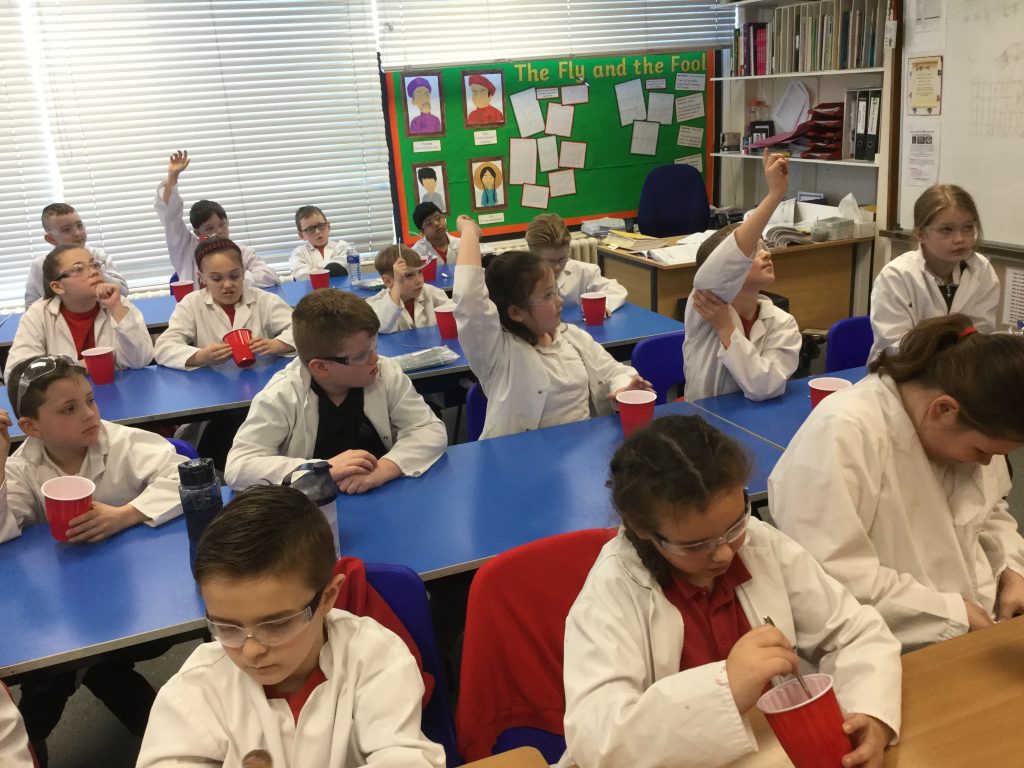
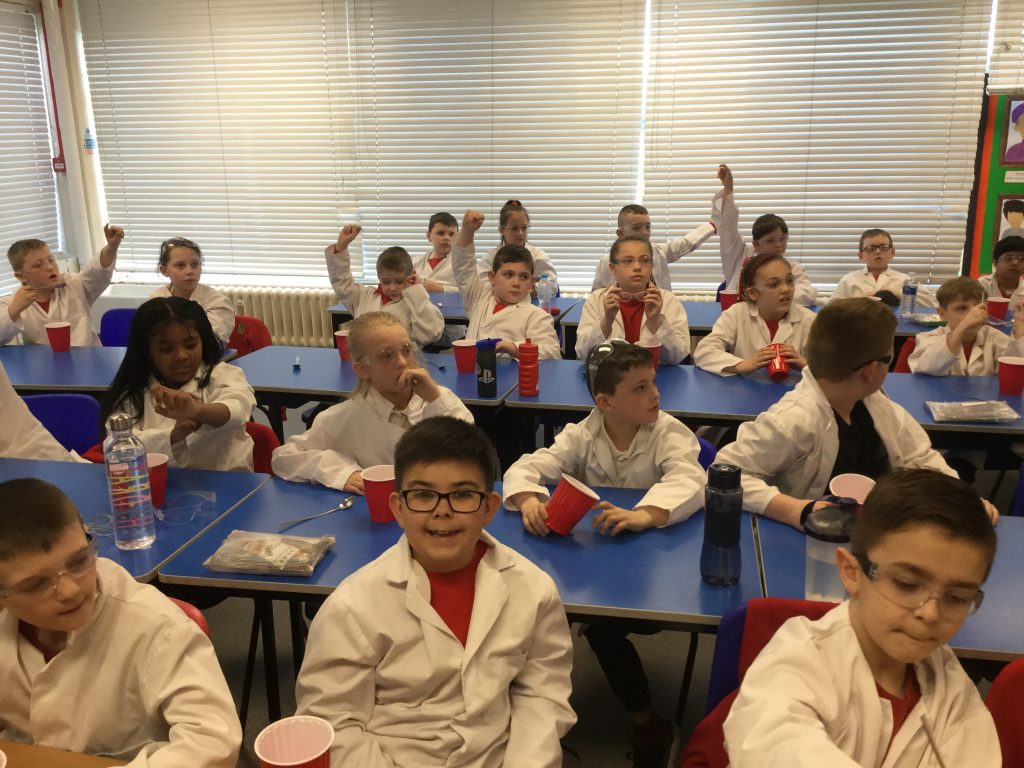
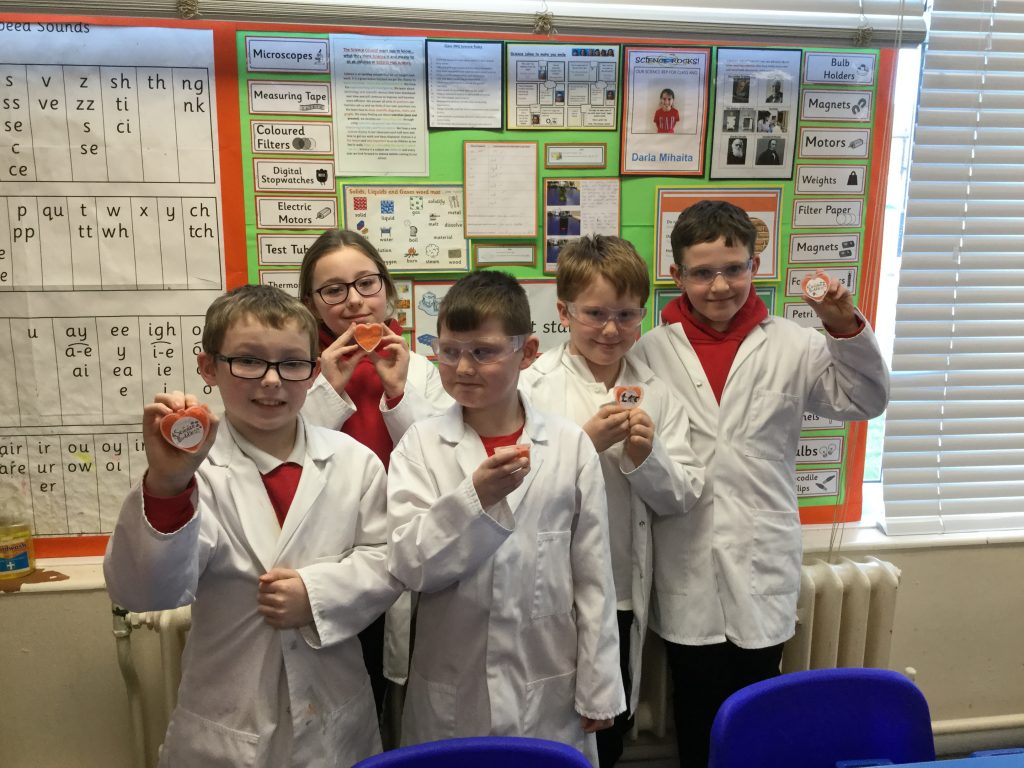
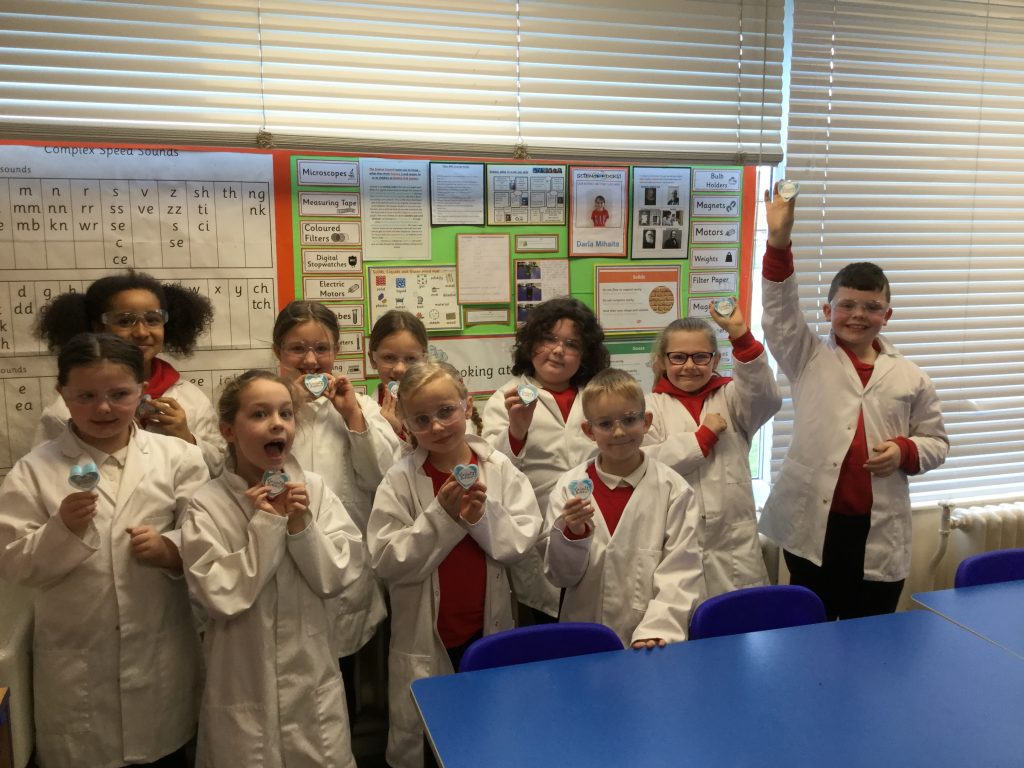
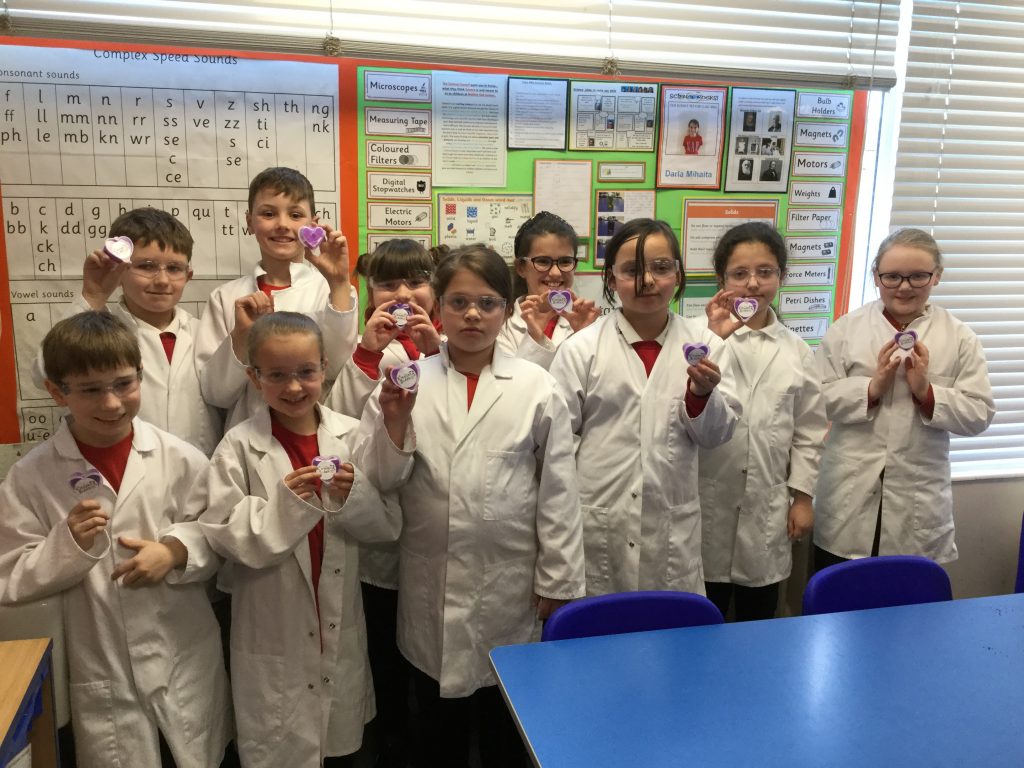
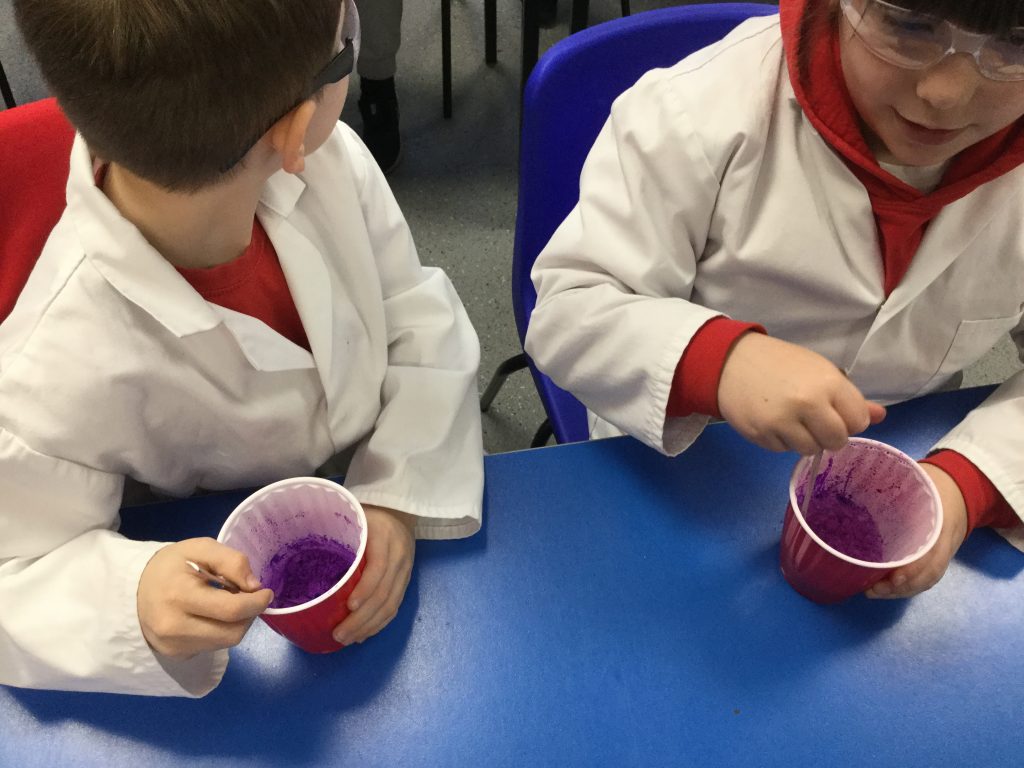
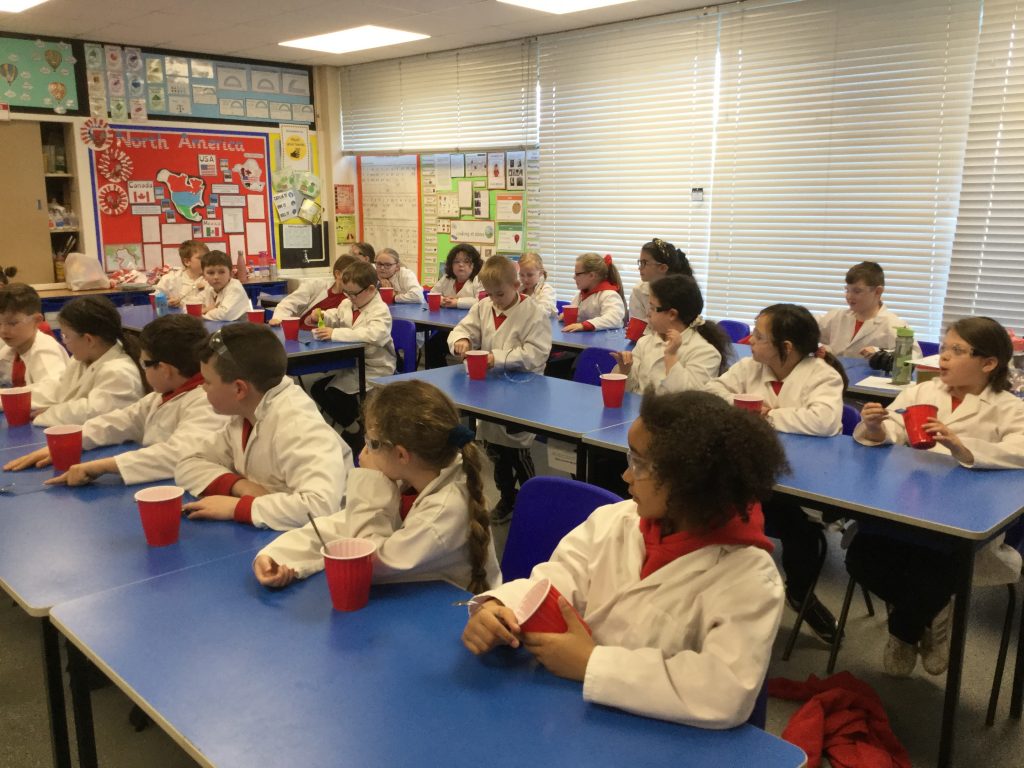
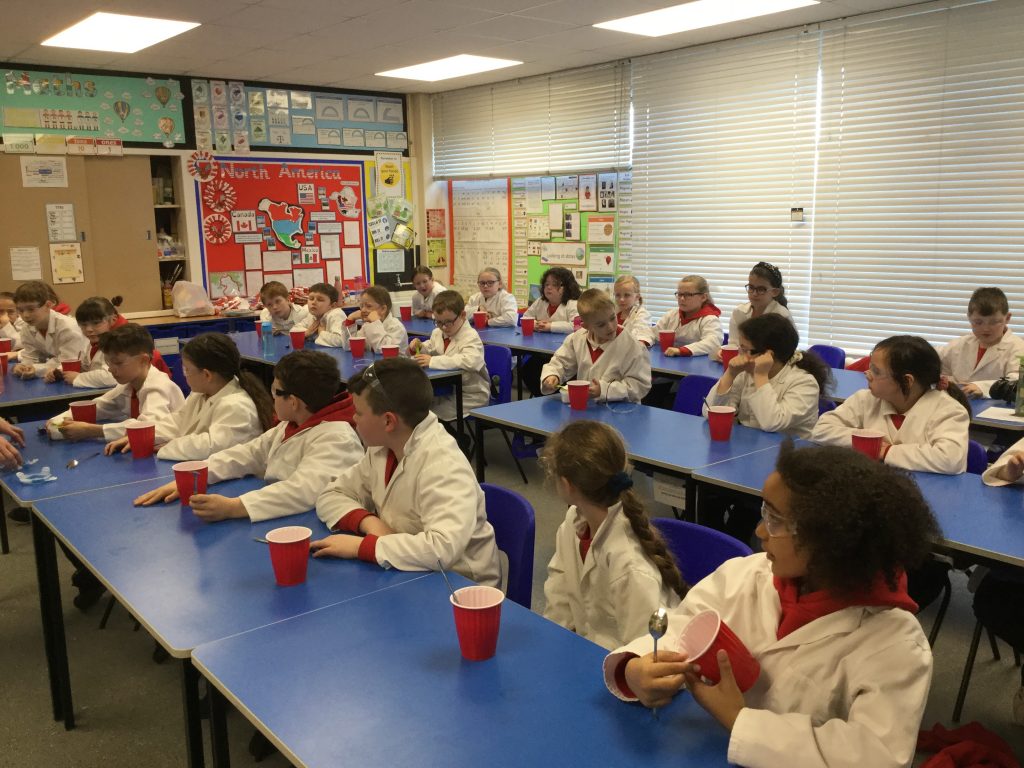
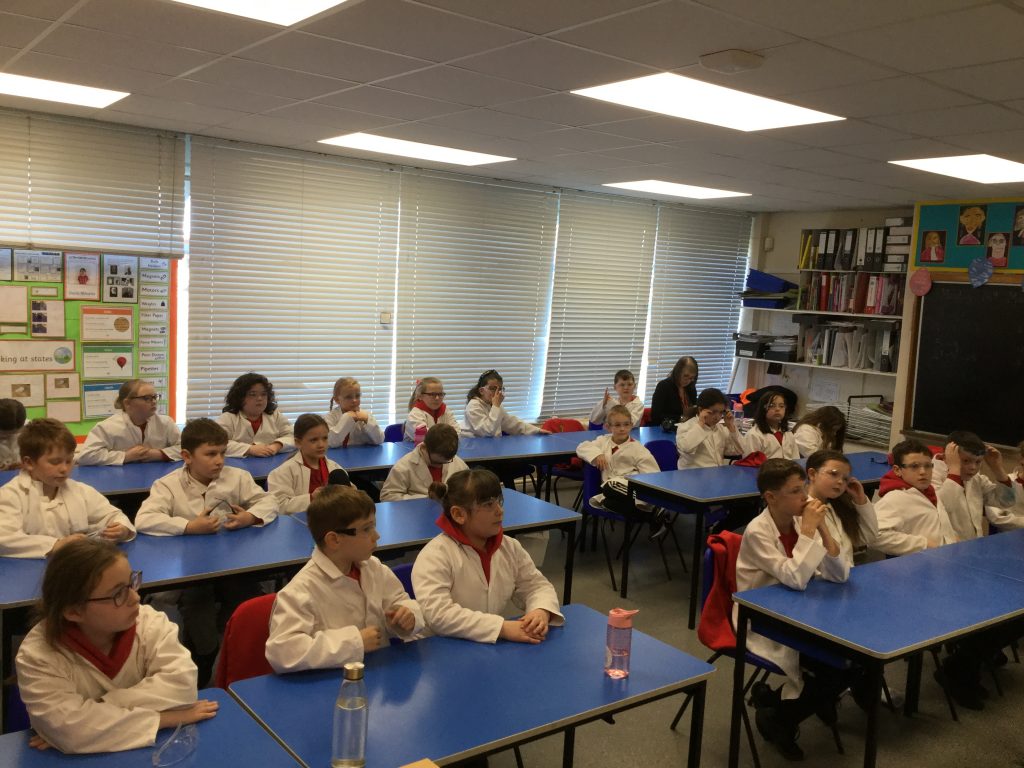
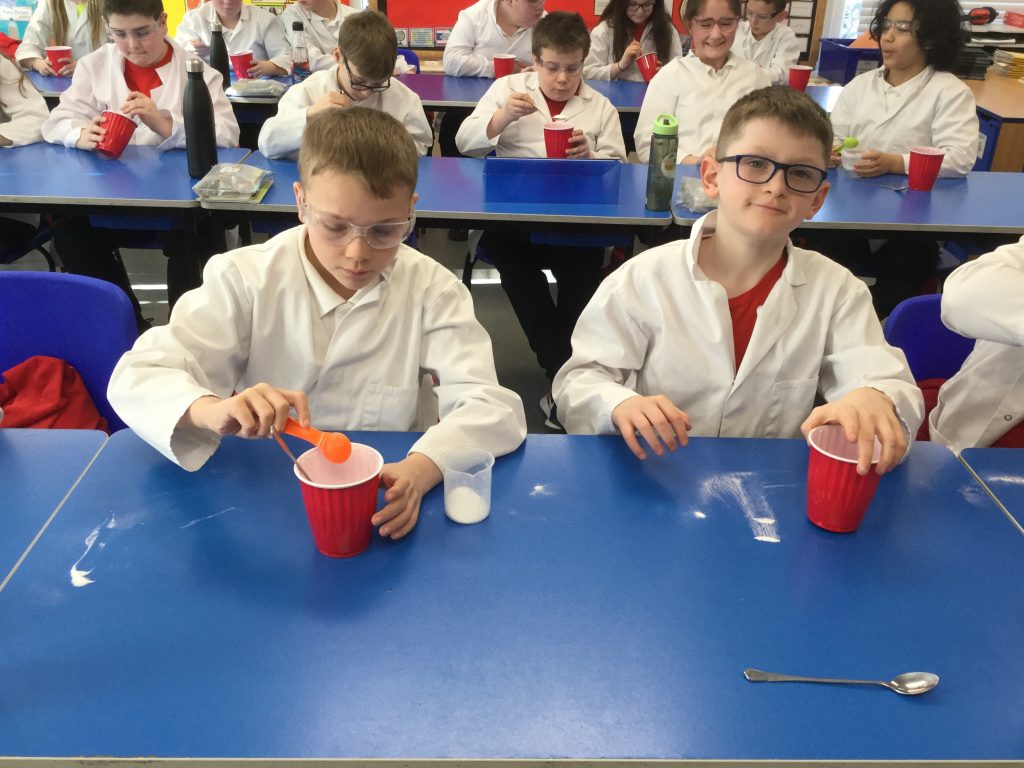
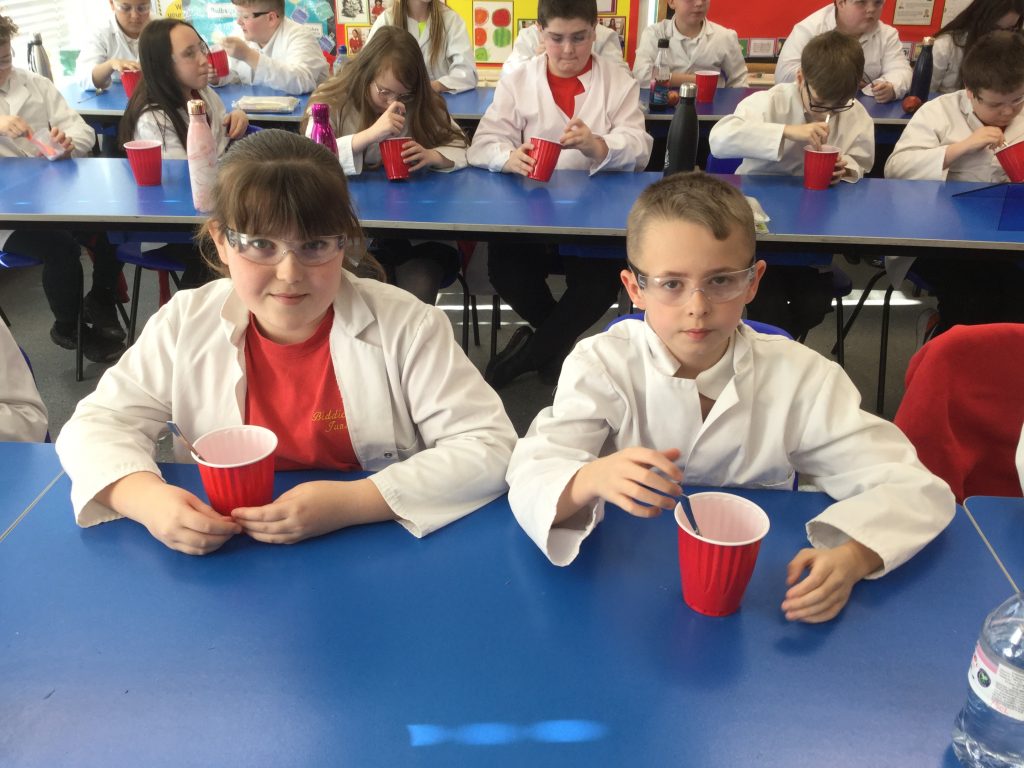
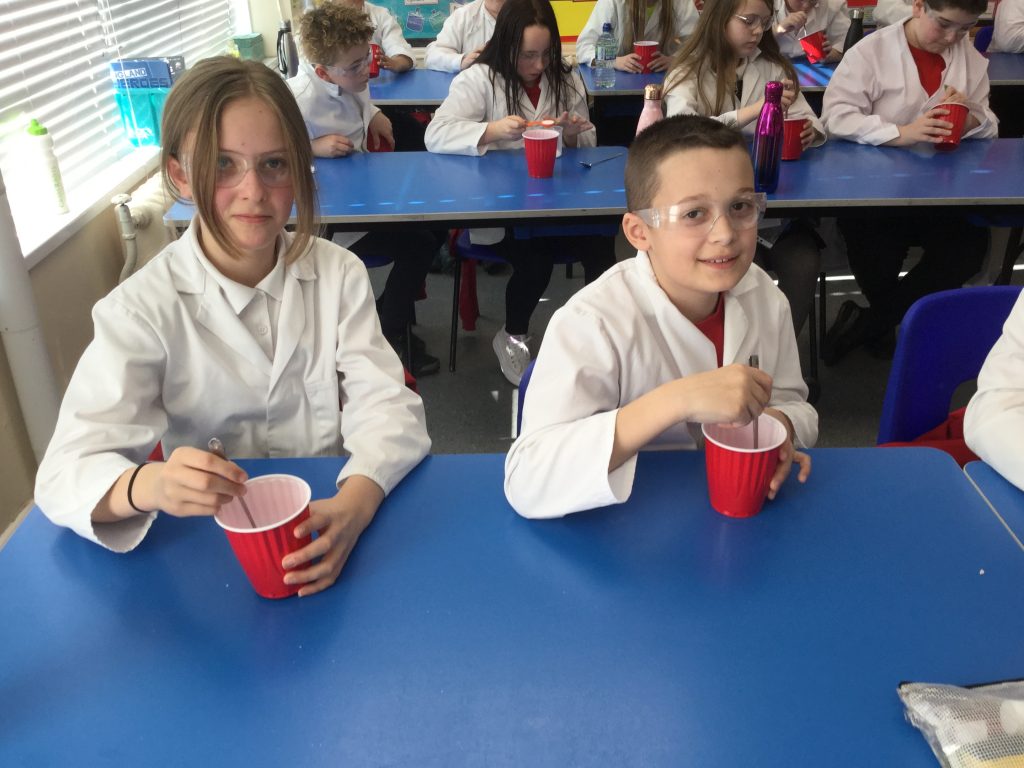
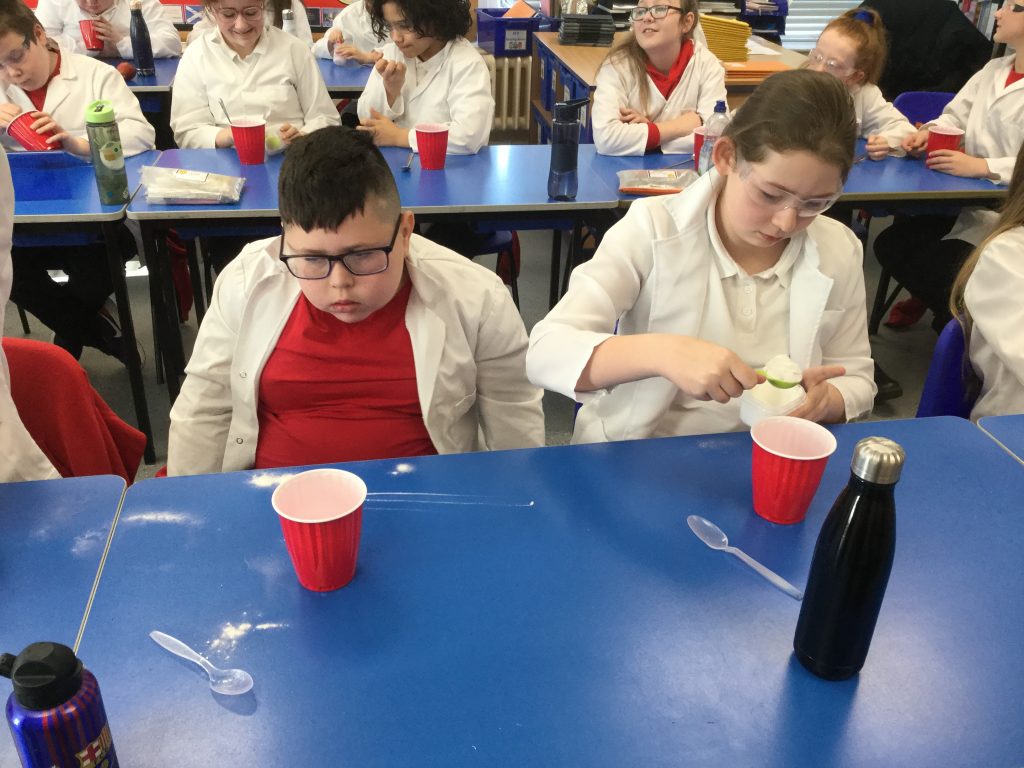
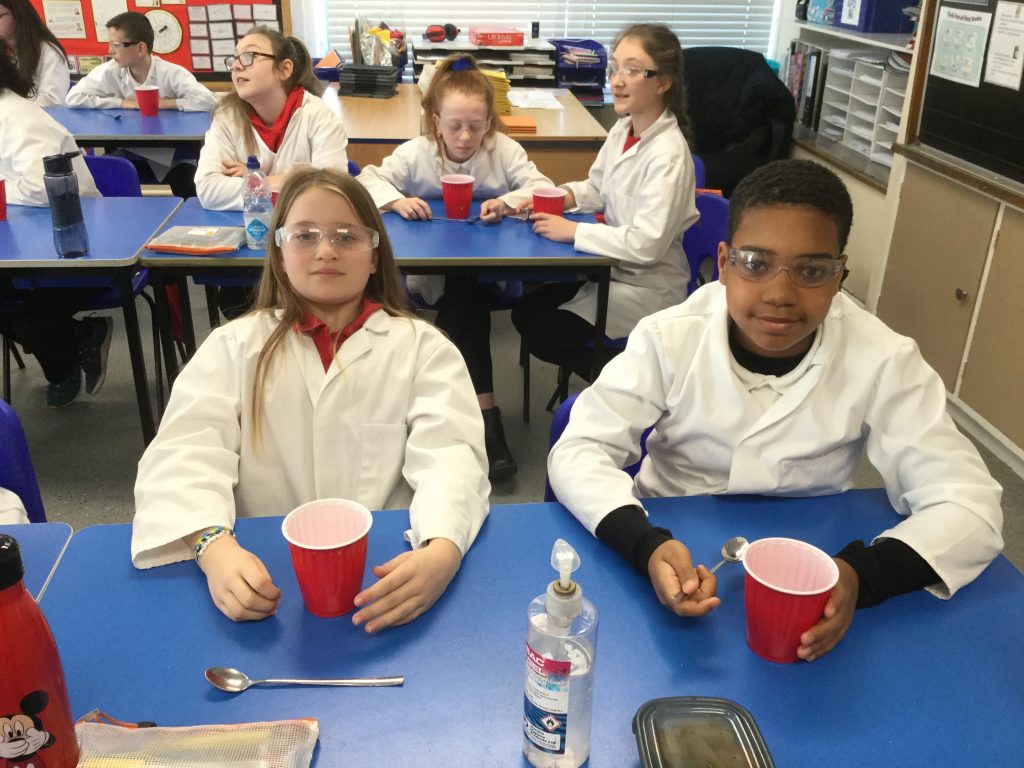
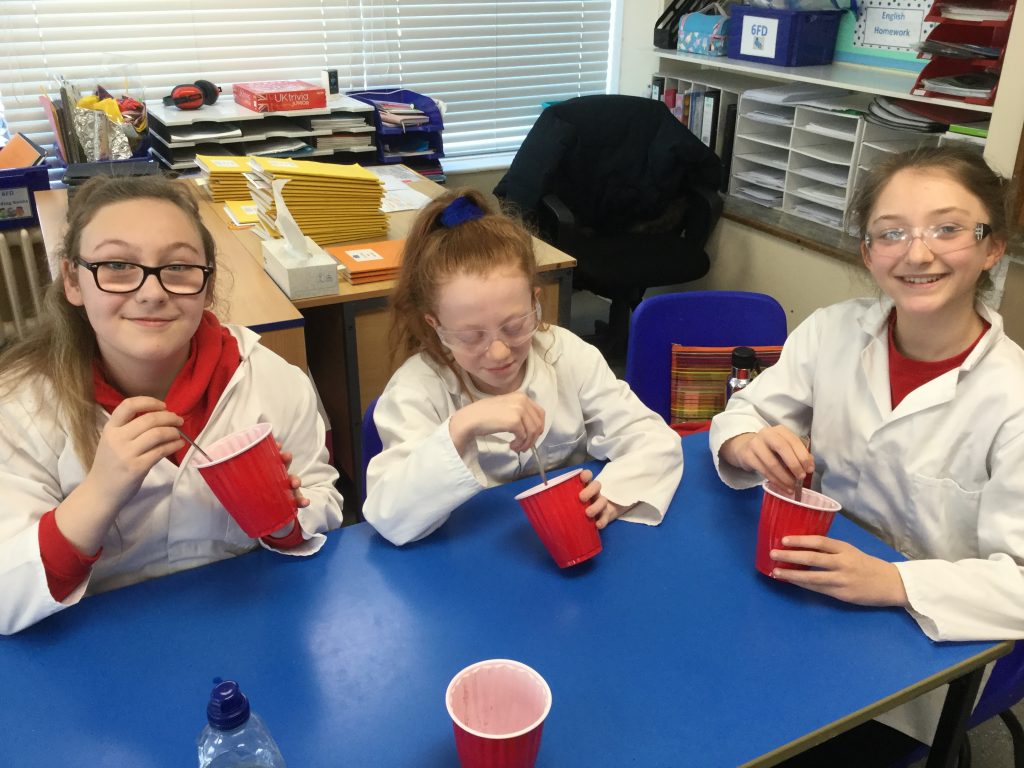
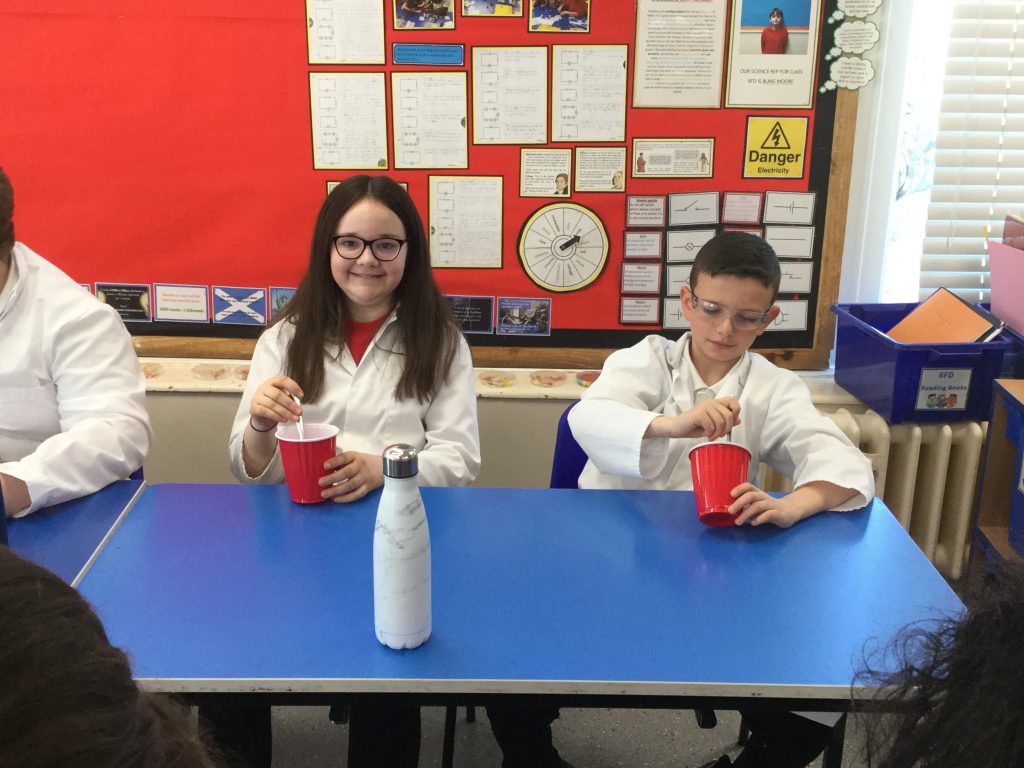
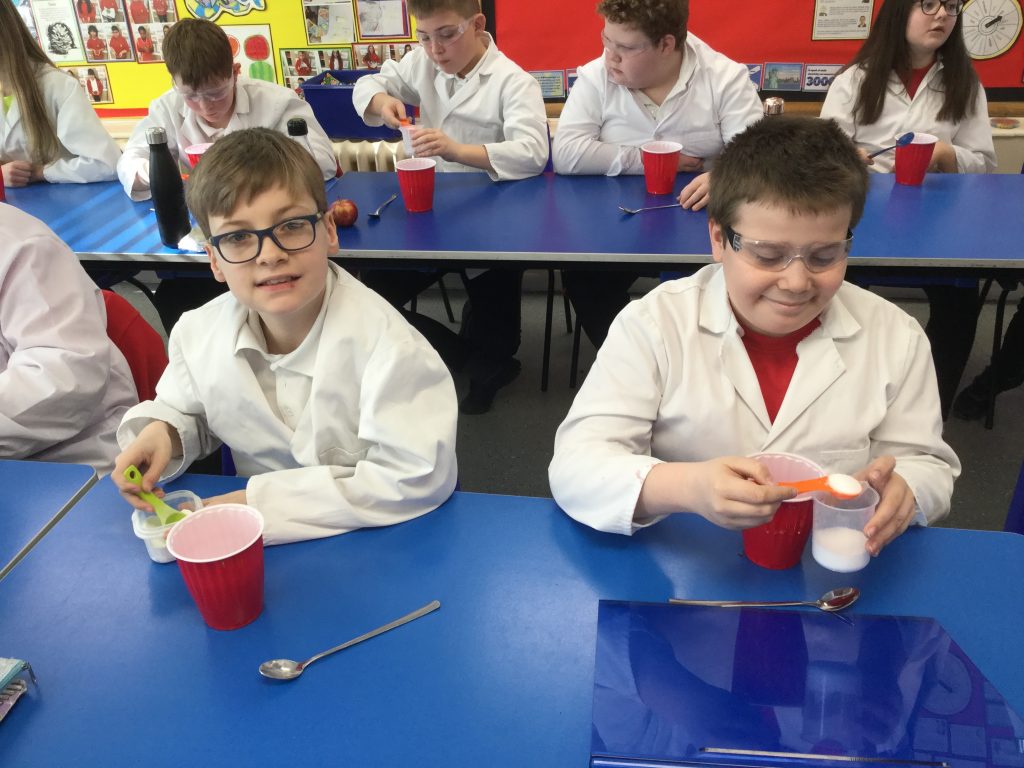
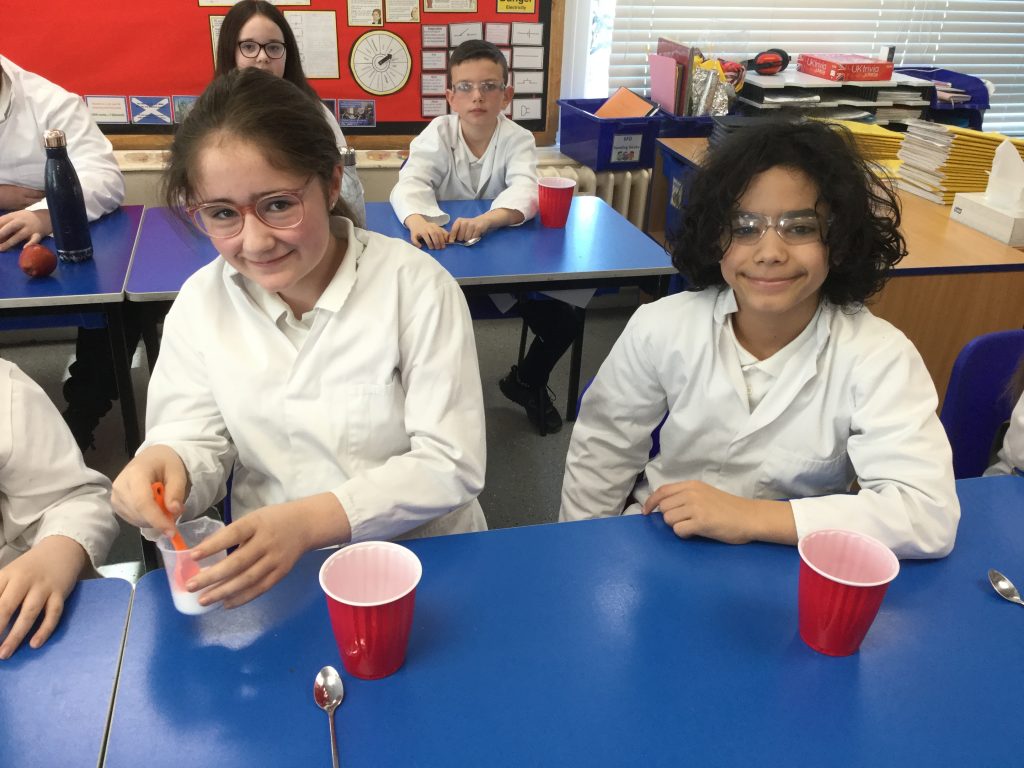
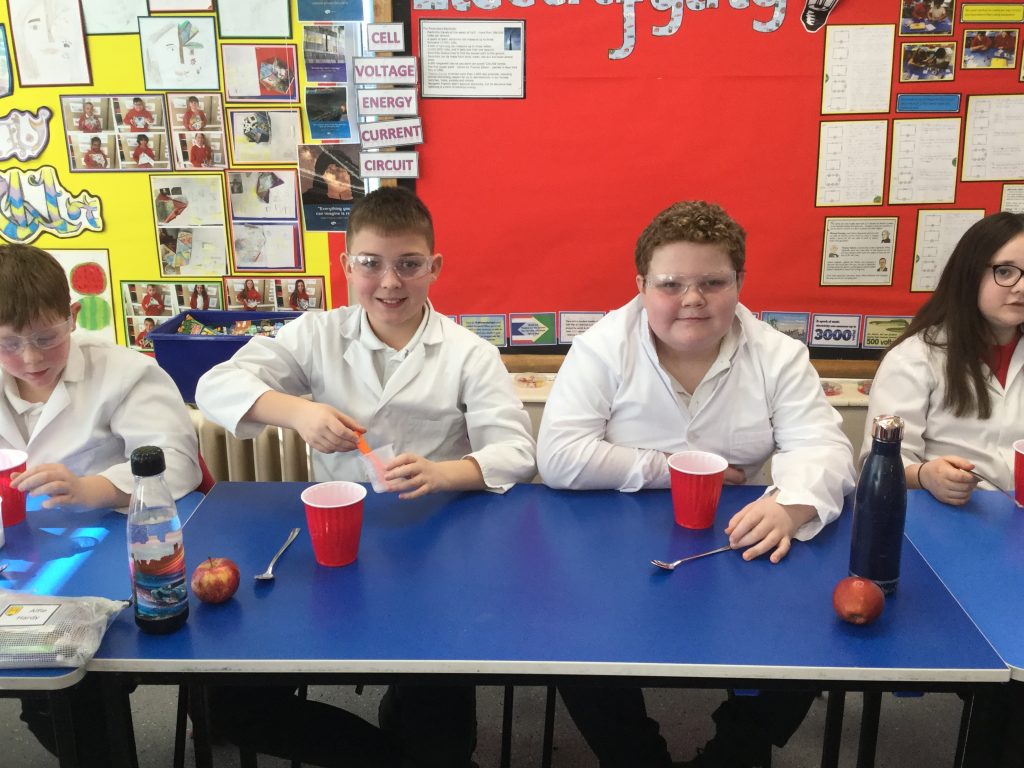
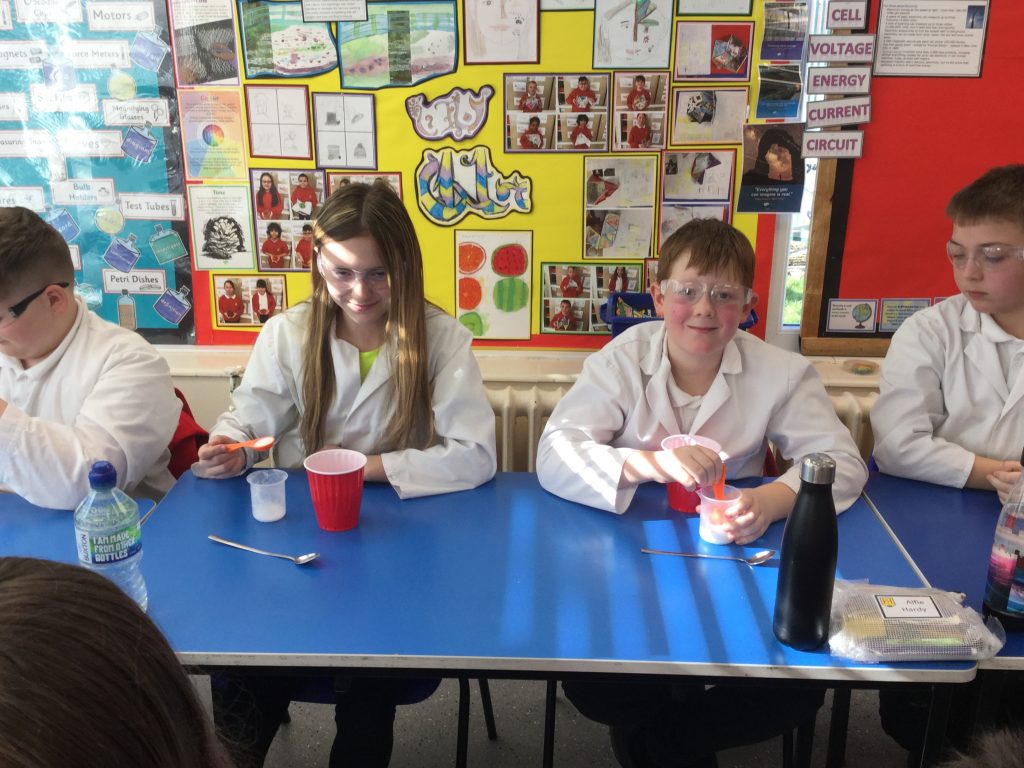
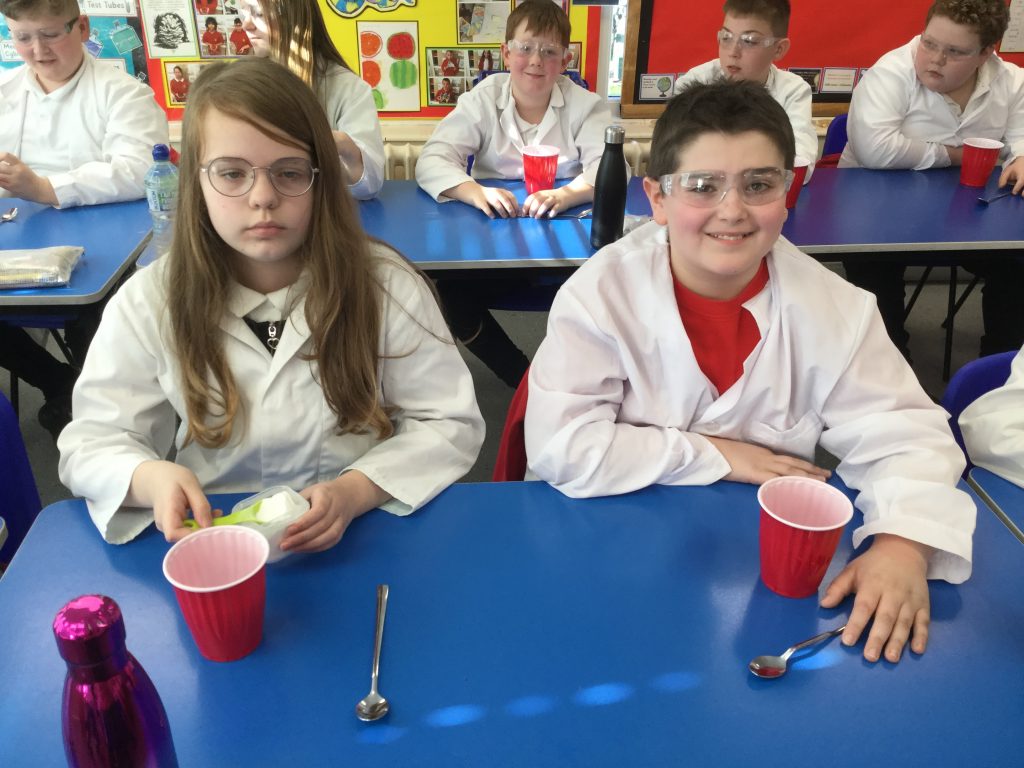
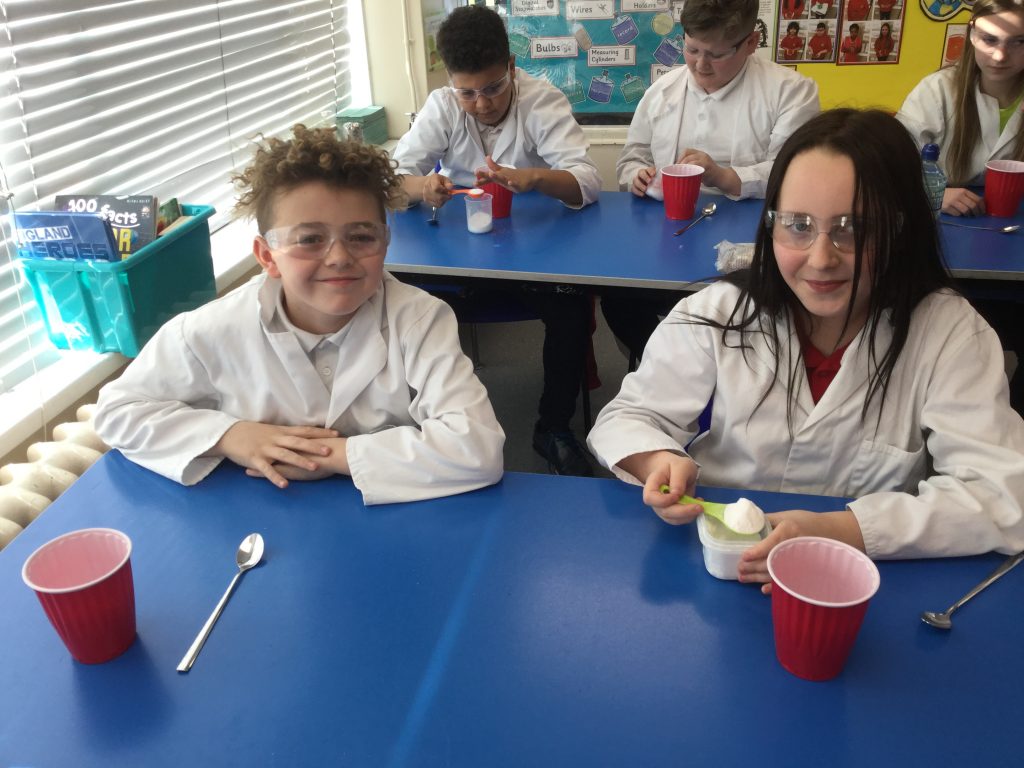
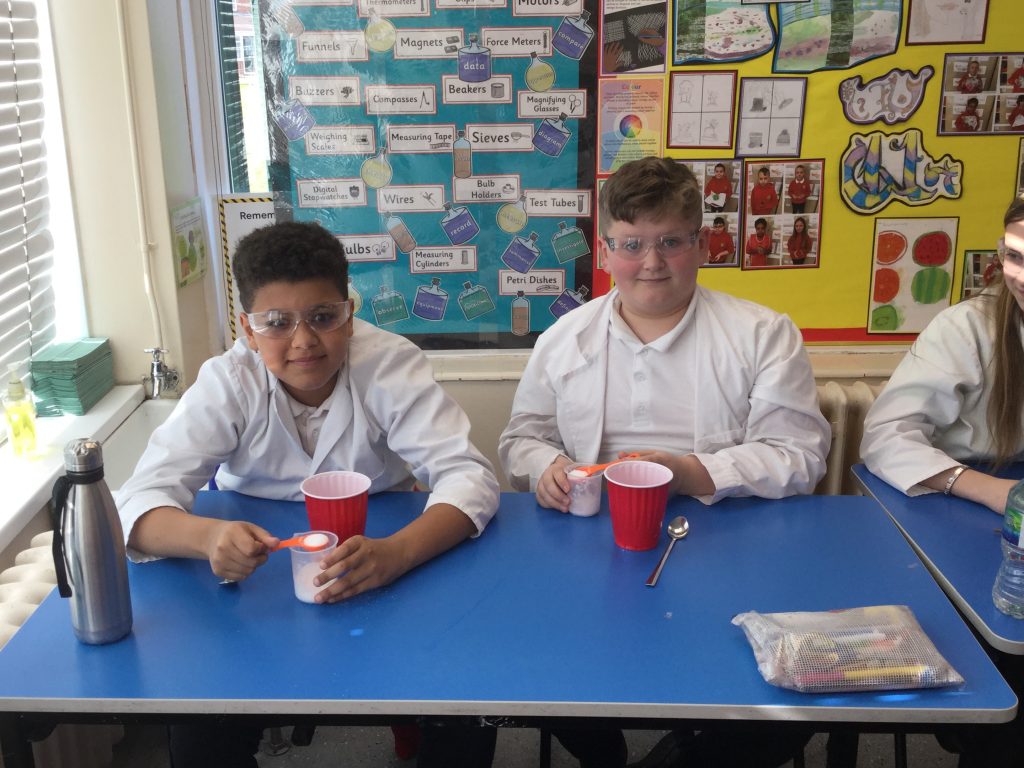
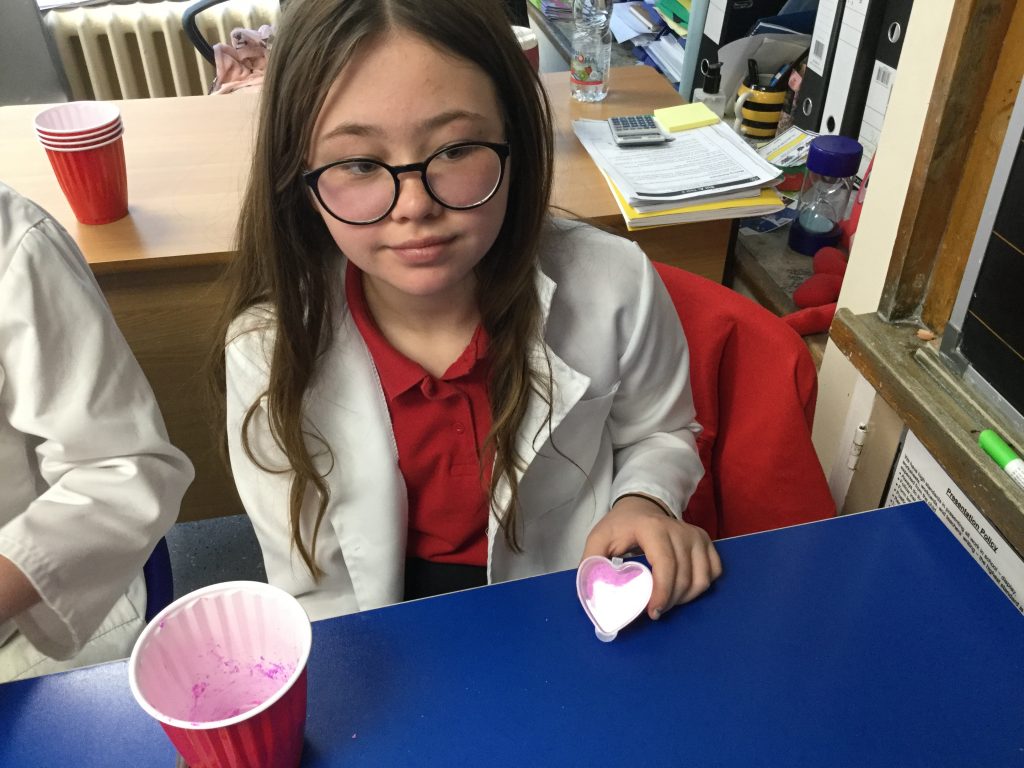
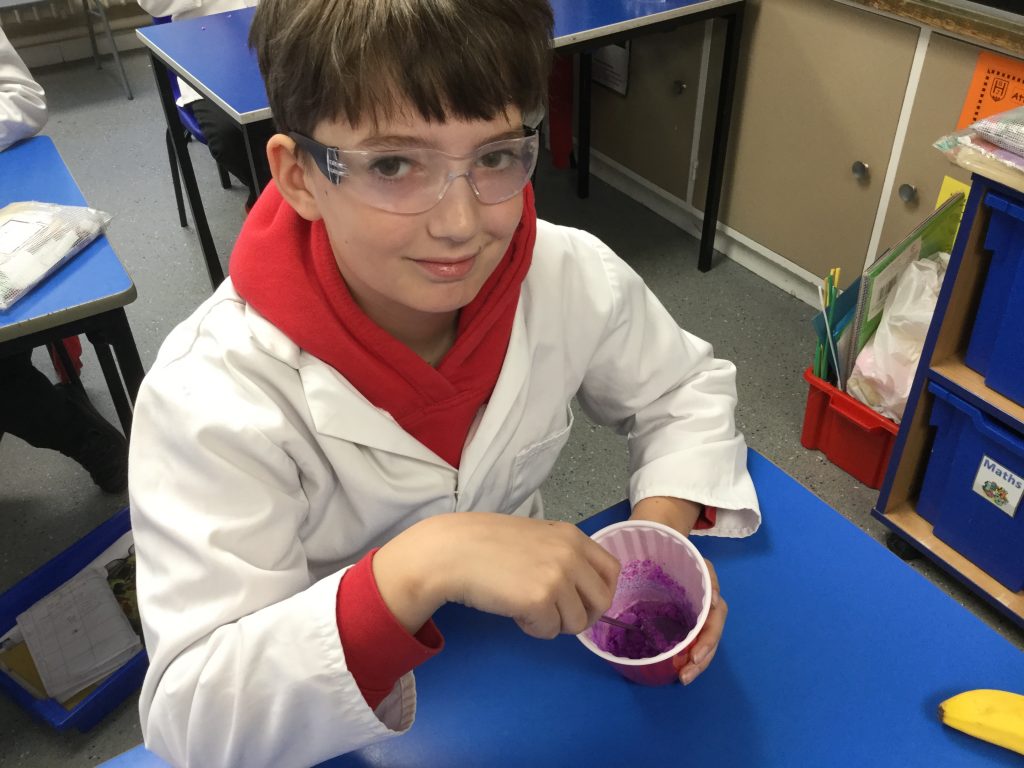
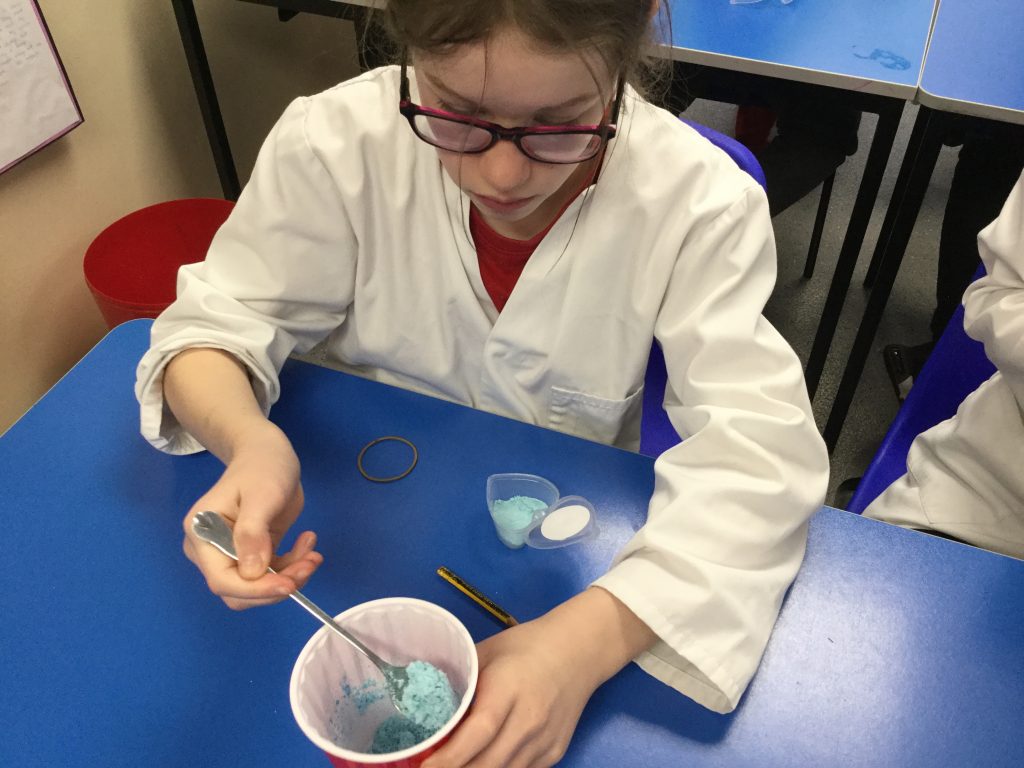
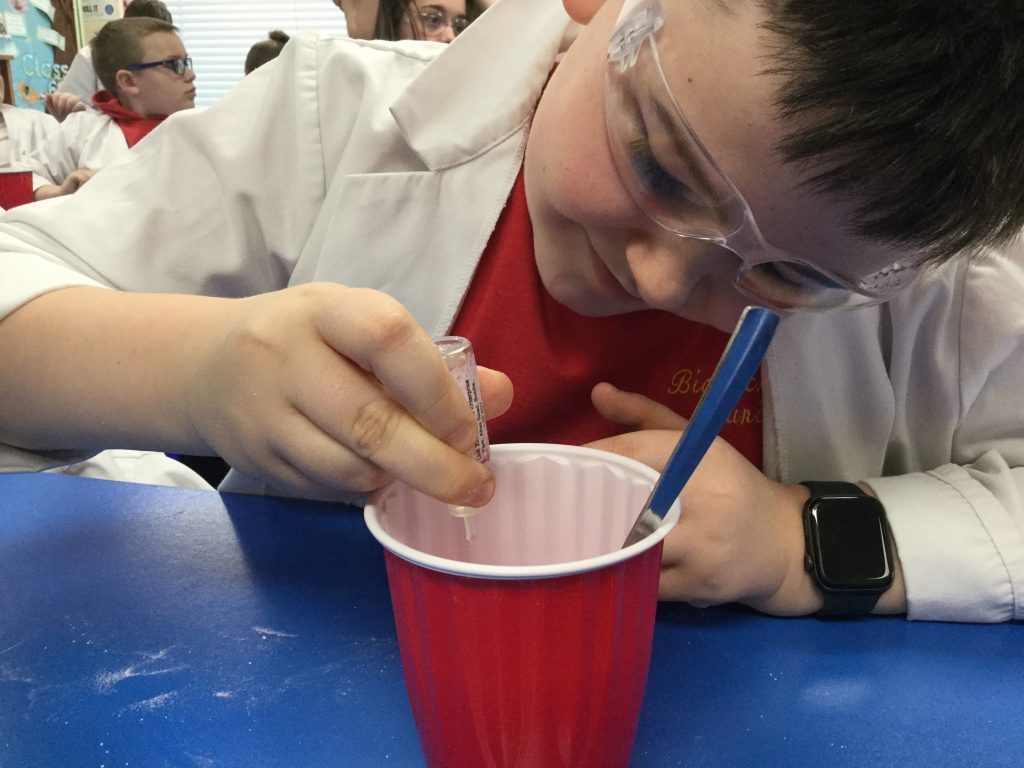
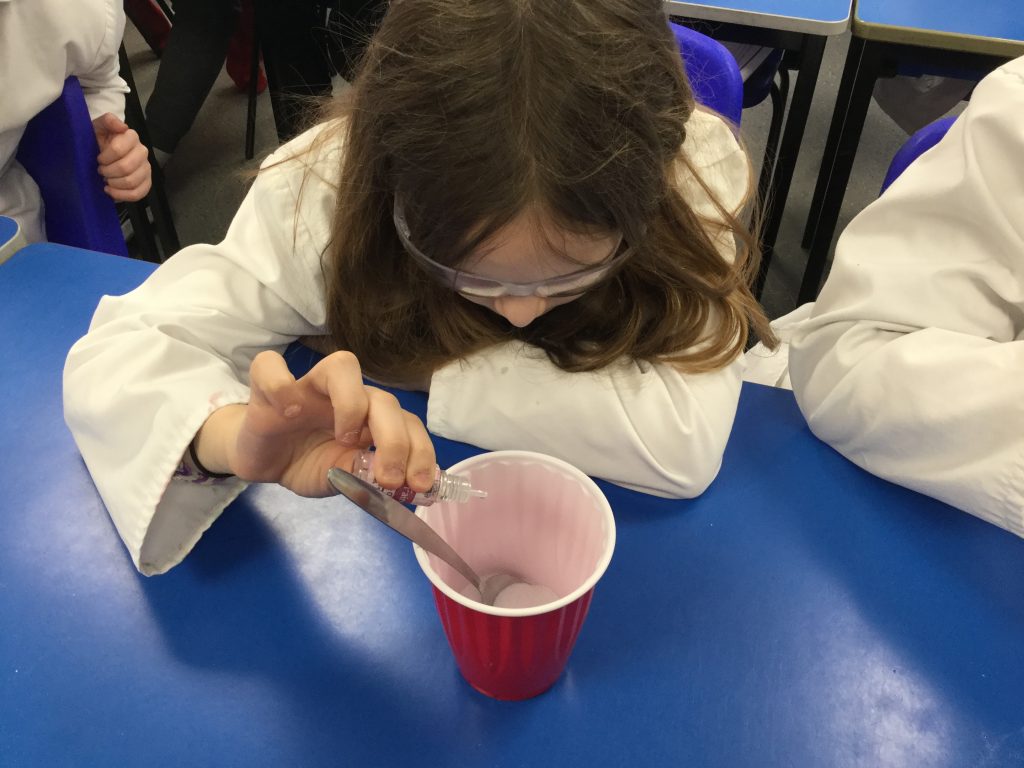
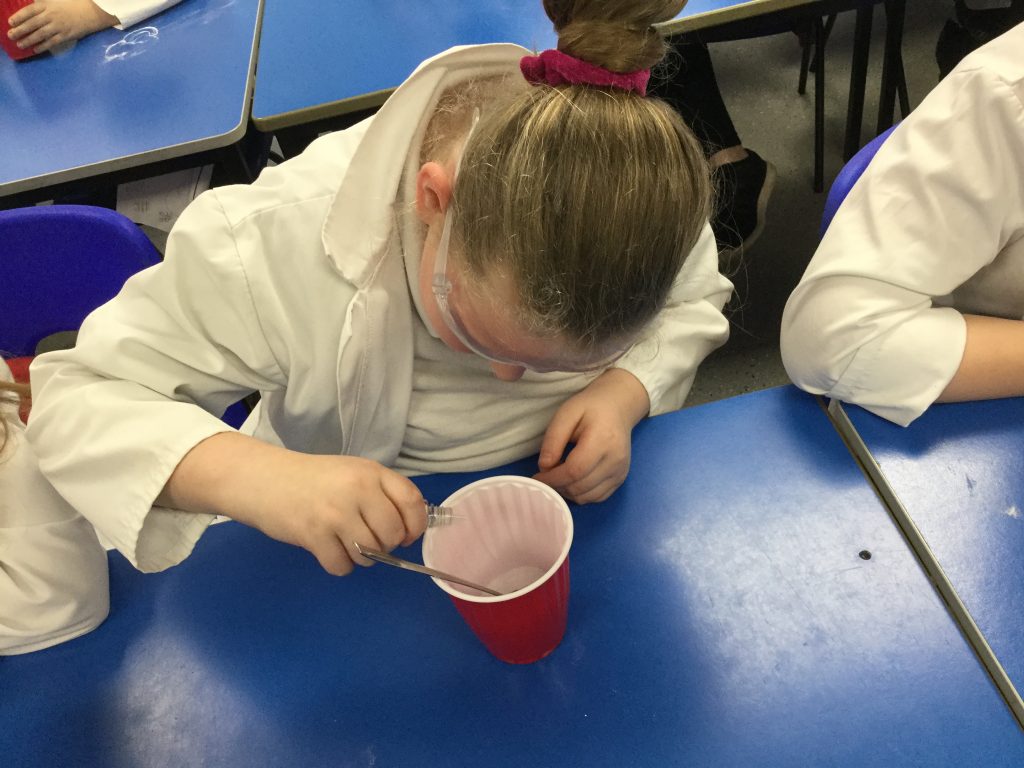
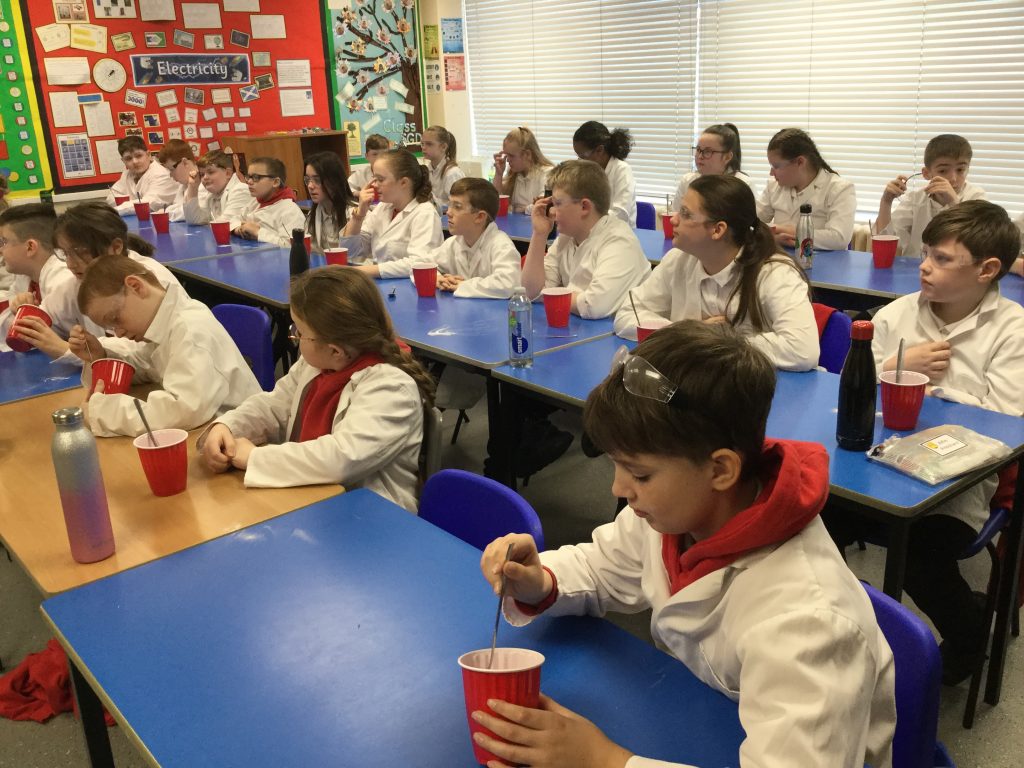
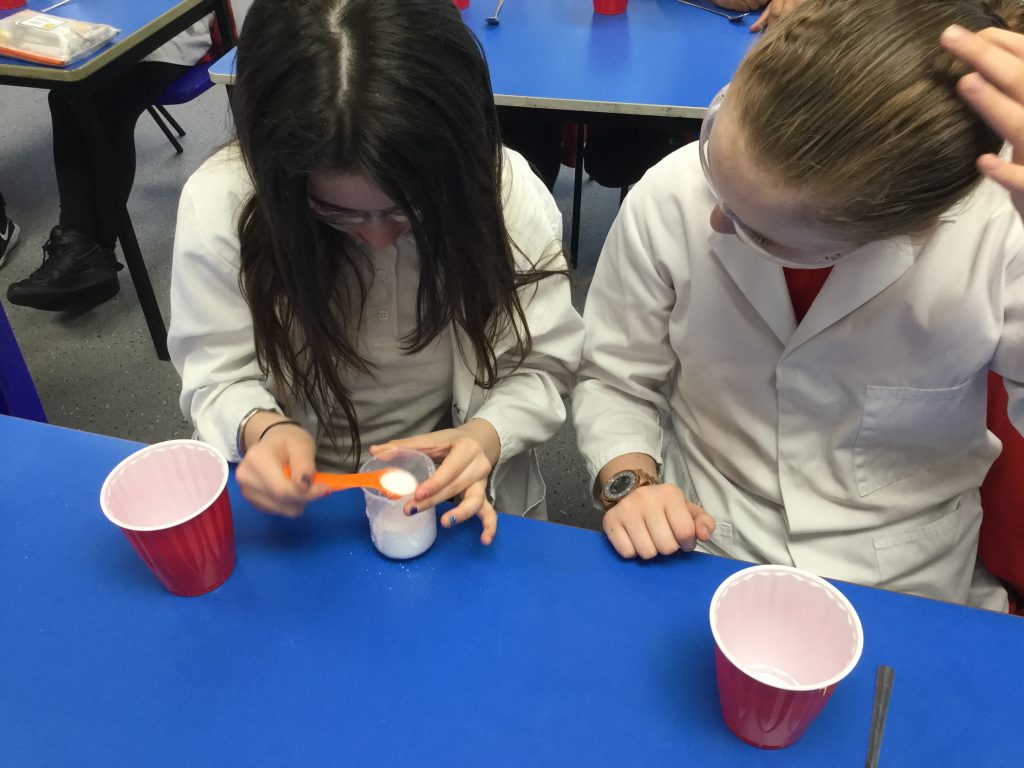
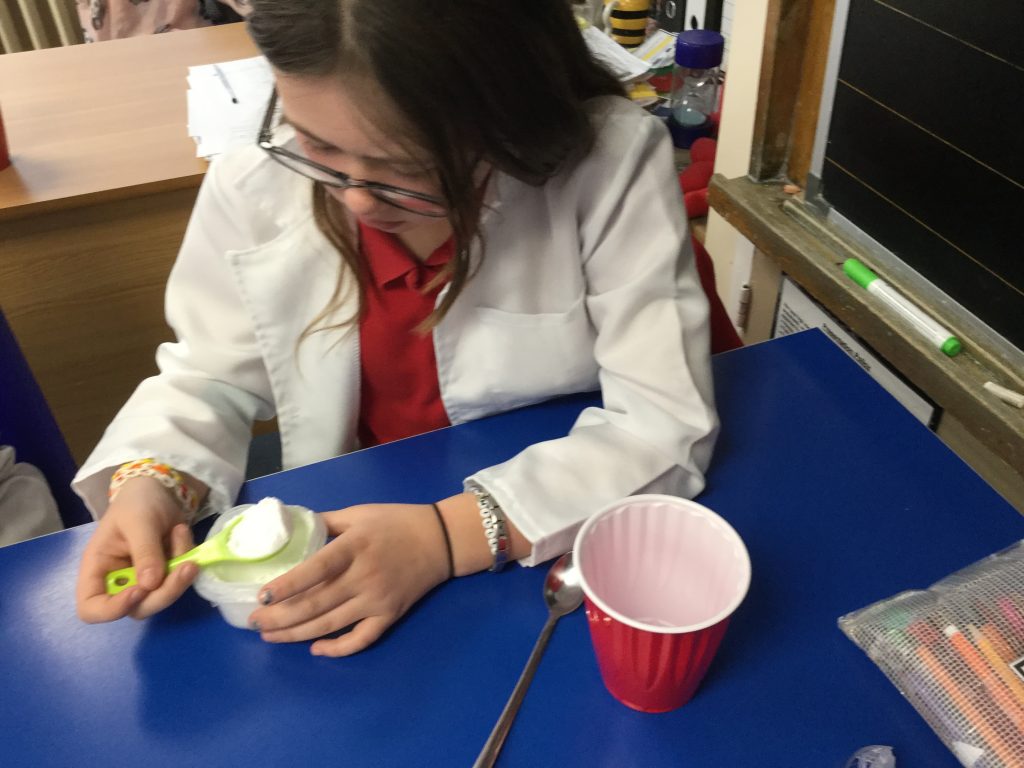
Kate from Science Buddies is a real life scientist and she came to visit us as part of MST week. We had a ‘wow’ workshop where we learned all about bath bombs and how they are made. We got the chance to make our own: we measured out alkali and acid powder ingredients in level amounts, selected scents and colours, mixed them and compacted them into tubs to take home and use ourselves of gift to a family member. We also did a quick skittles investigation where we thought about colour dispersal – it was cool to watch the colours and how they ran into each other and lost pigment on the original sweet once mixed with water. We loved this workshop.
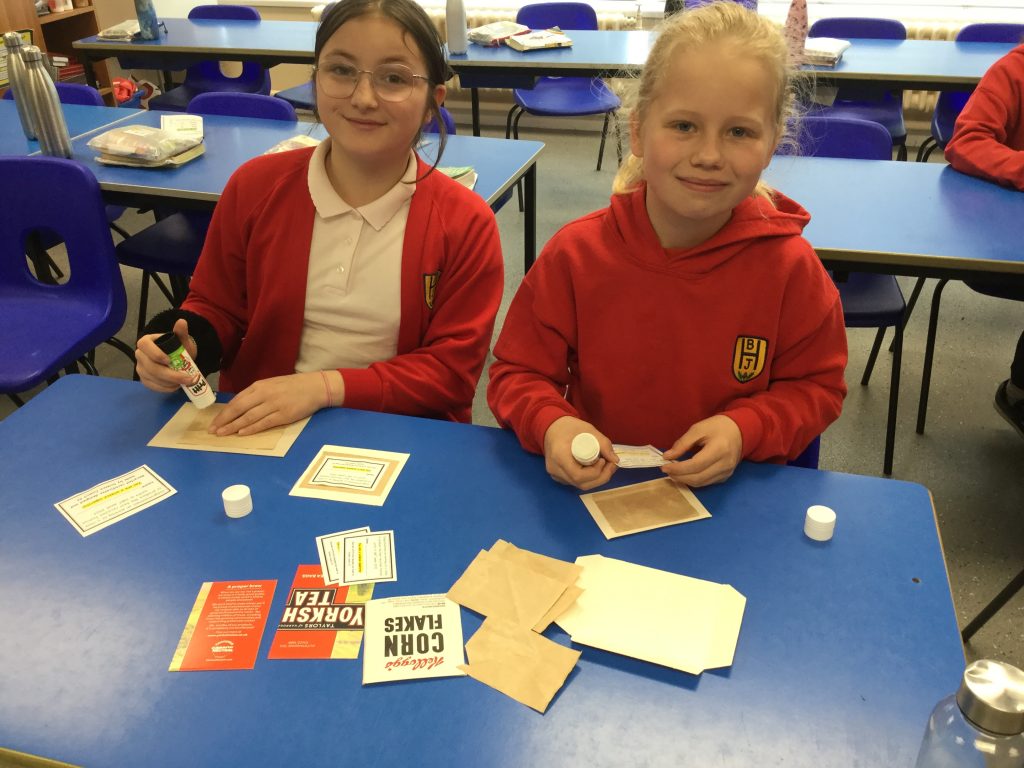
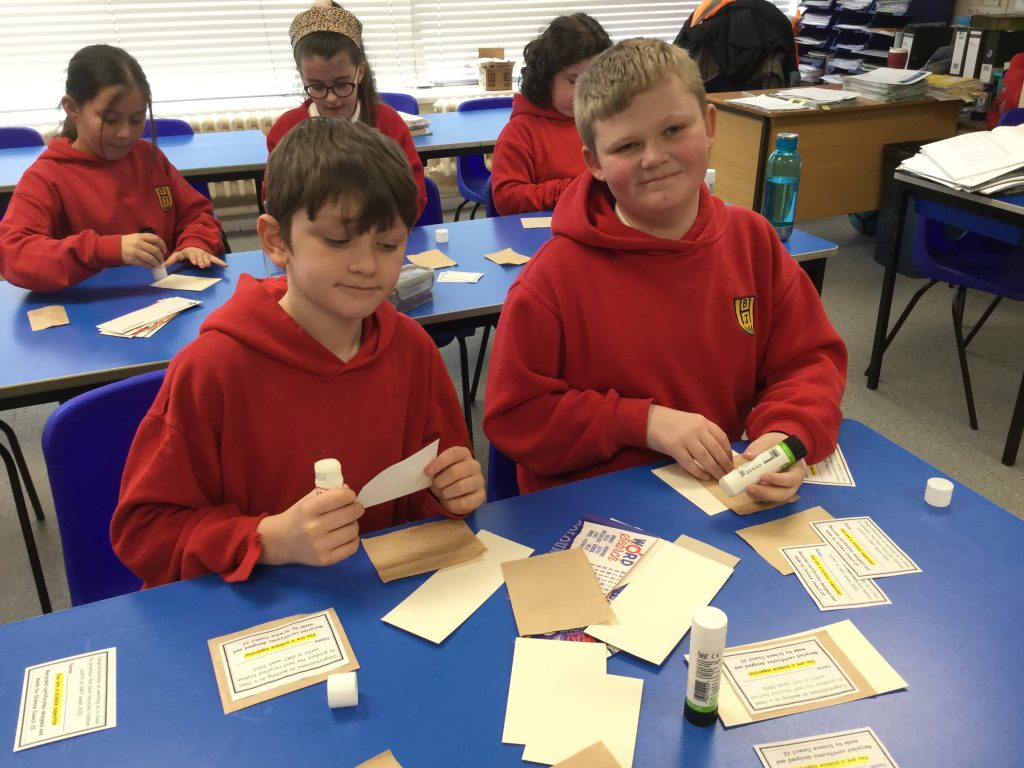
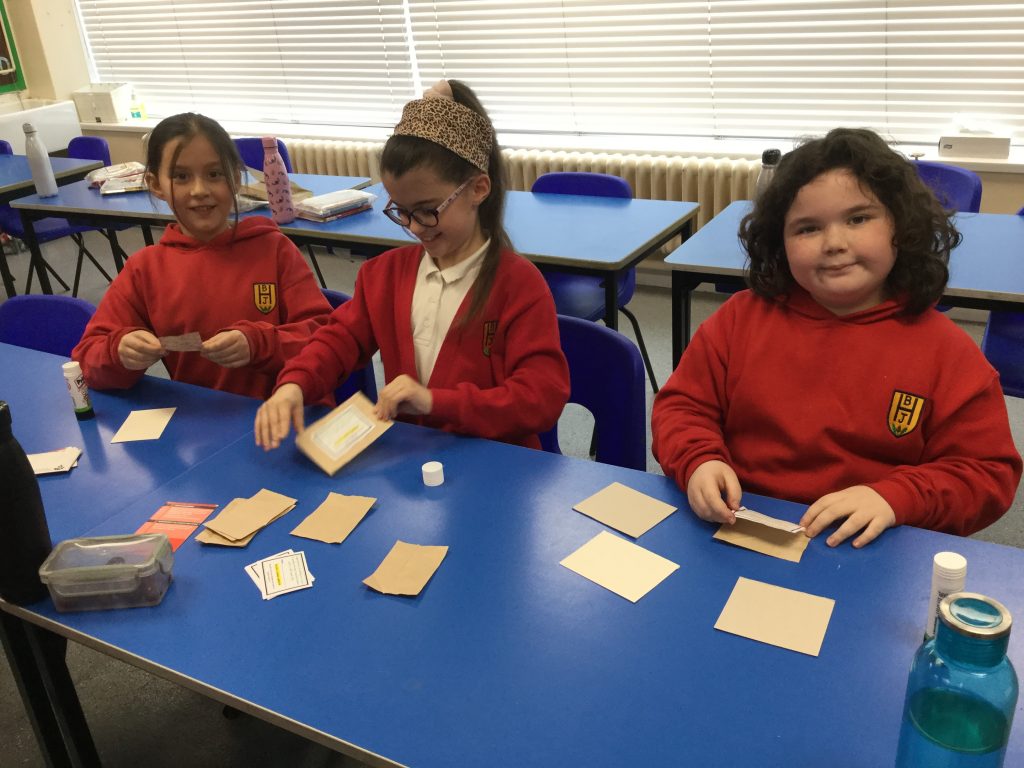
Science Council helped Ms Drake to organise science activities for MST week. Years 3 and 4 representatives created a PowerPoint question round, picture round and a science word anagram sheet to be part of a fun quiz for all the classes in school to do. Years 5 and 6 Science Council members thought up a recycled outfit challenge for each class to take part in. Because there will be a class winner for the best recycled outfit, all Science Council members from year 3, 4, 5, and 6 helped to make recycled certificates for the winners, again trying to incorporate the importance of recycling into the theme. These challenges have kept the pupils busy and focused in the Spring term and they are already planning Summer term activities for the whole school.
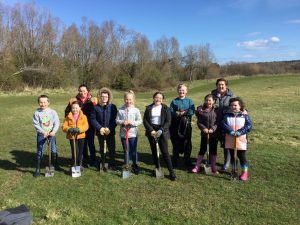
Science Council met at Temple Park near Whiteleas Way with Durham Wildlife Trust where we planted over 500 trees on Thursday morning. These trees will hopefully grow into a large wooded area that will benefit our local community in the future. We did this to support the planet, help provide habitats for species and also gain from the oxygen the trees help put back into the air. We worked tirelessly: it was challenging and required a lot of physical effort. The feeling of success afterwards was rewarding and seeing our amazing Science Council work together was incredible.
Well done Science Council.
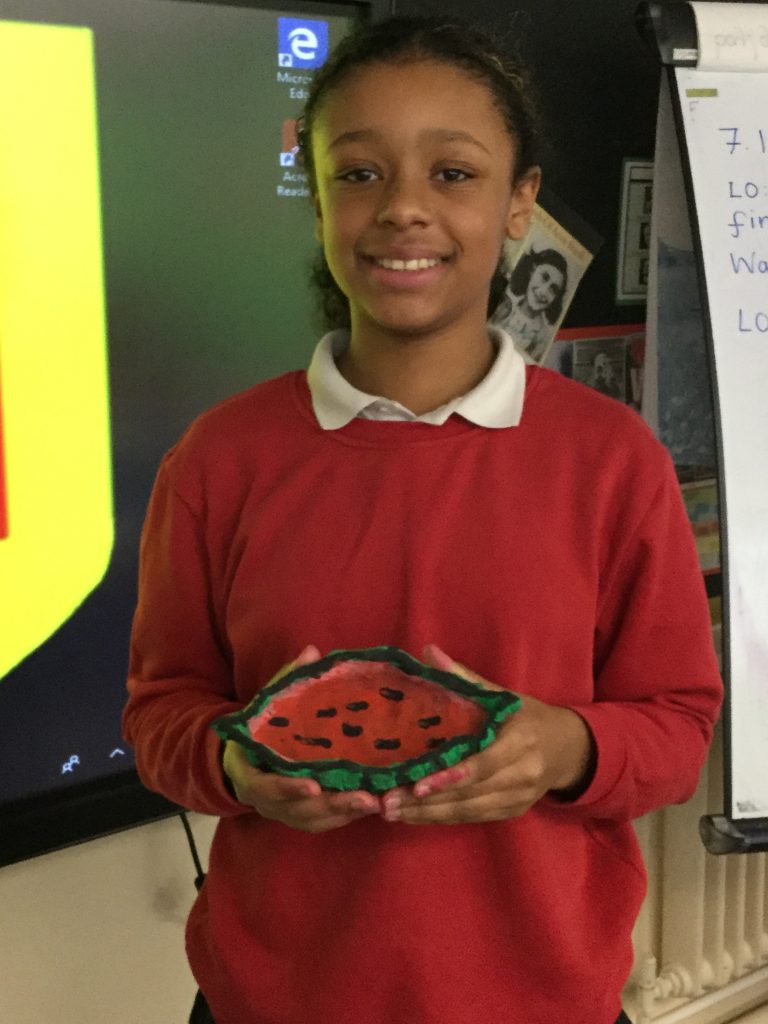
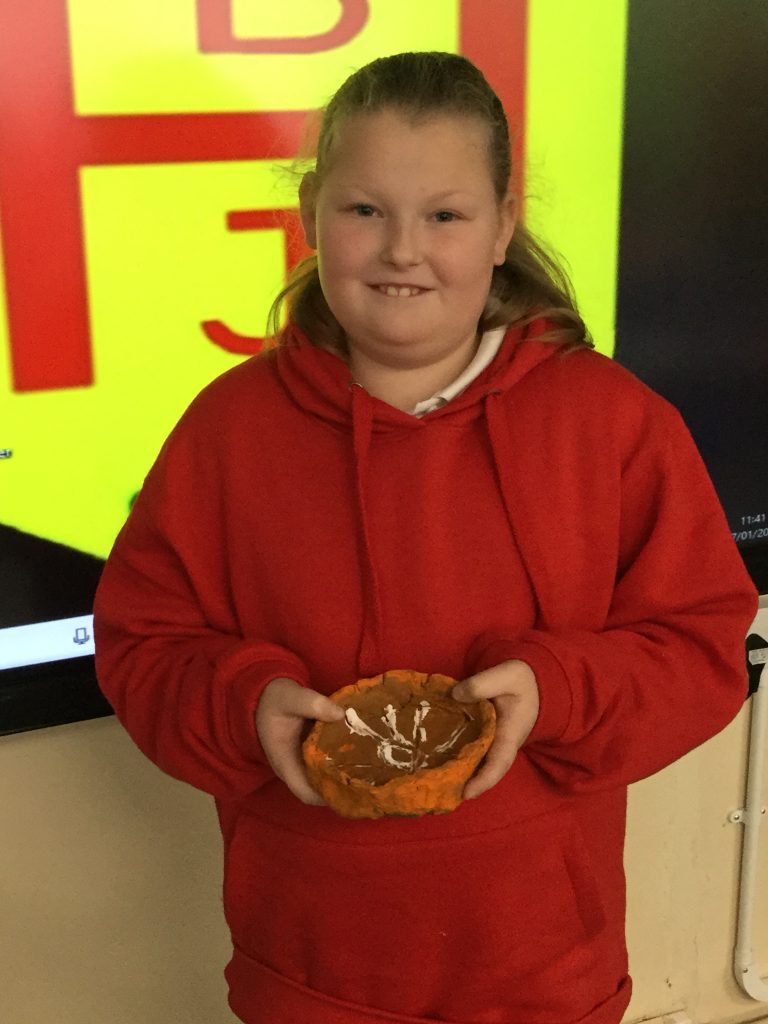
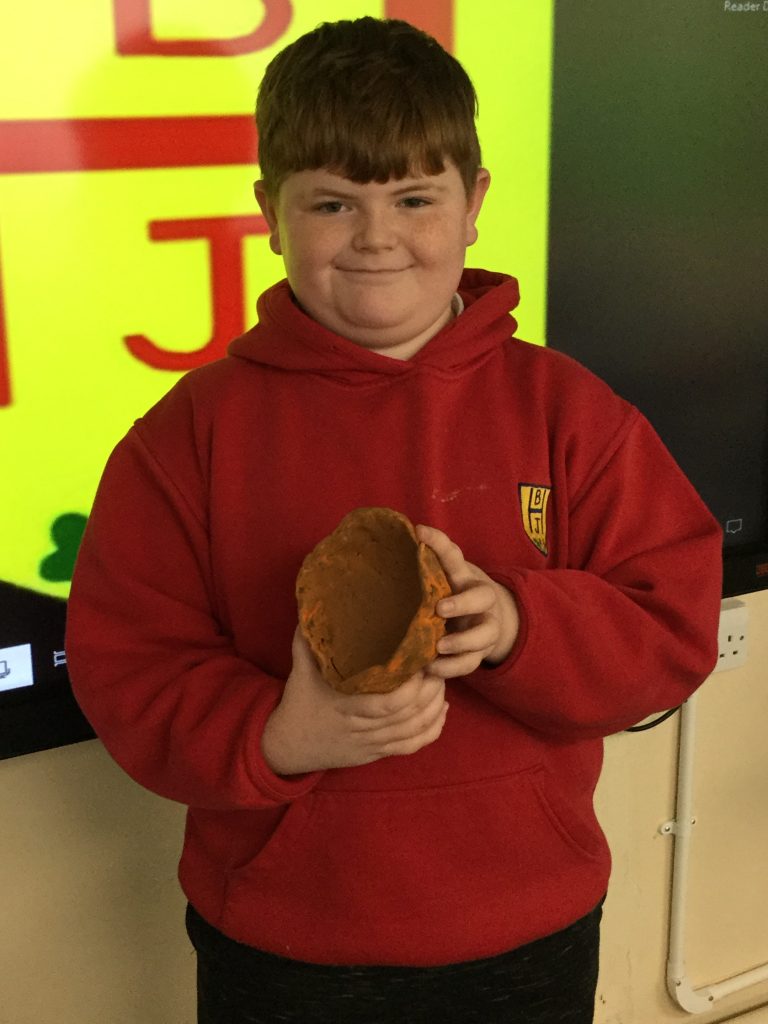
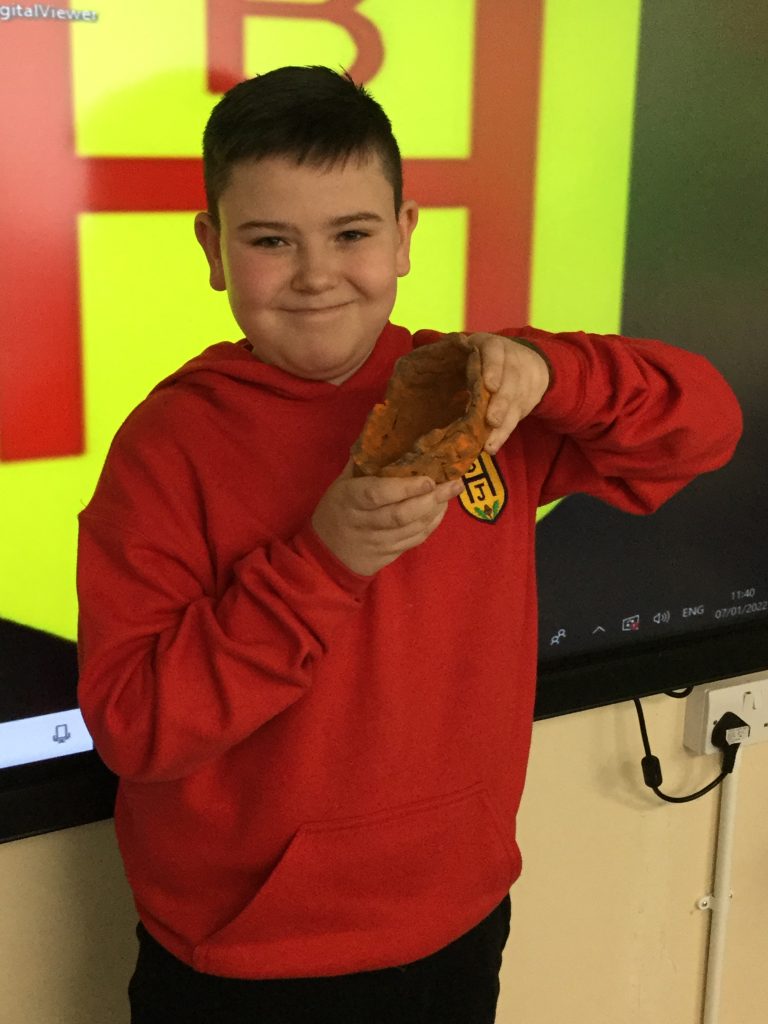
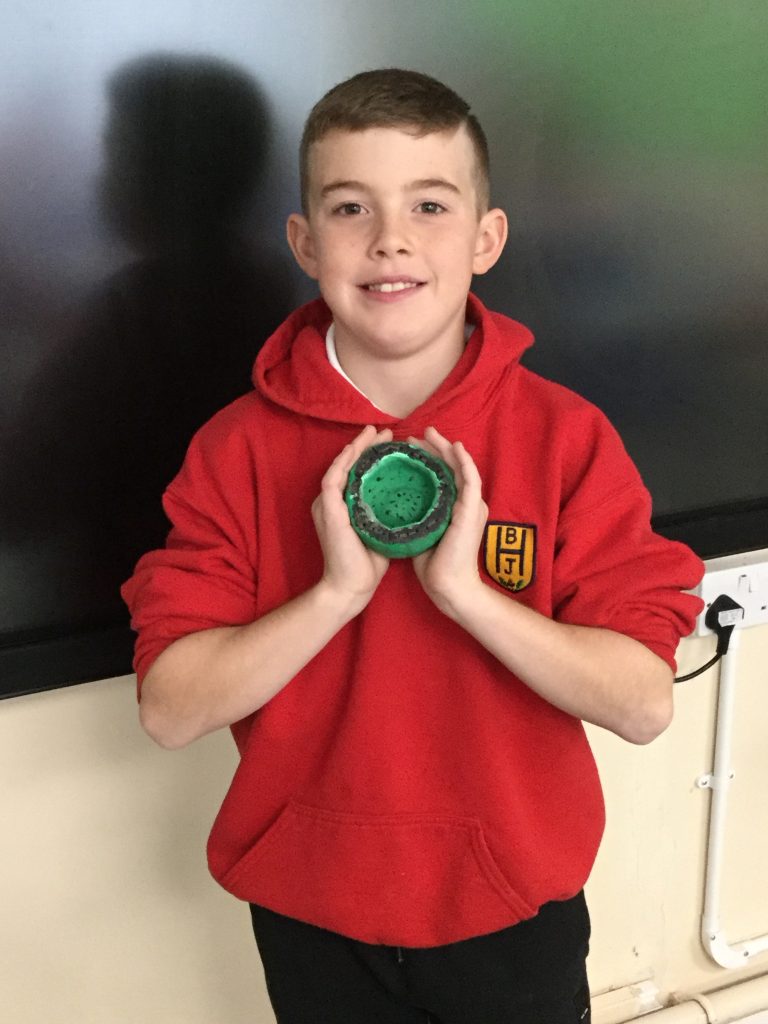
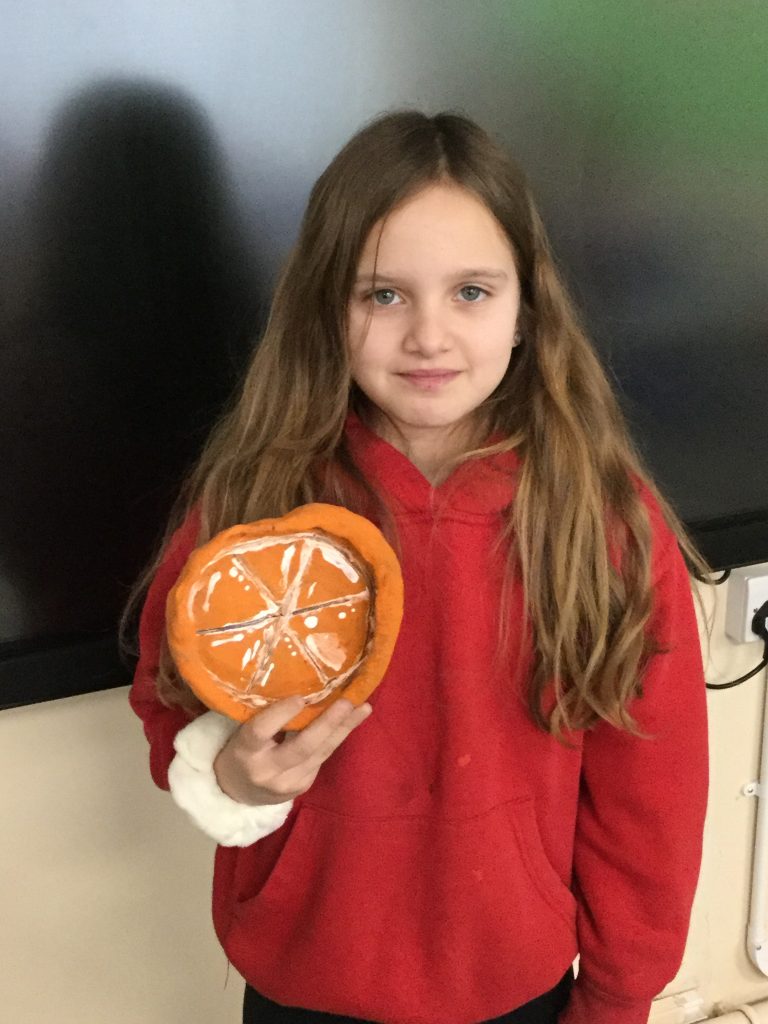
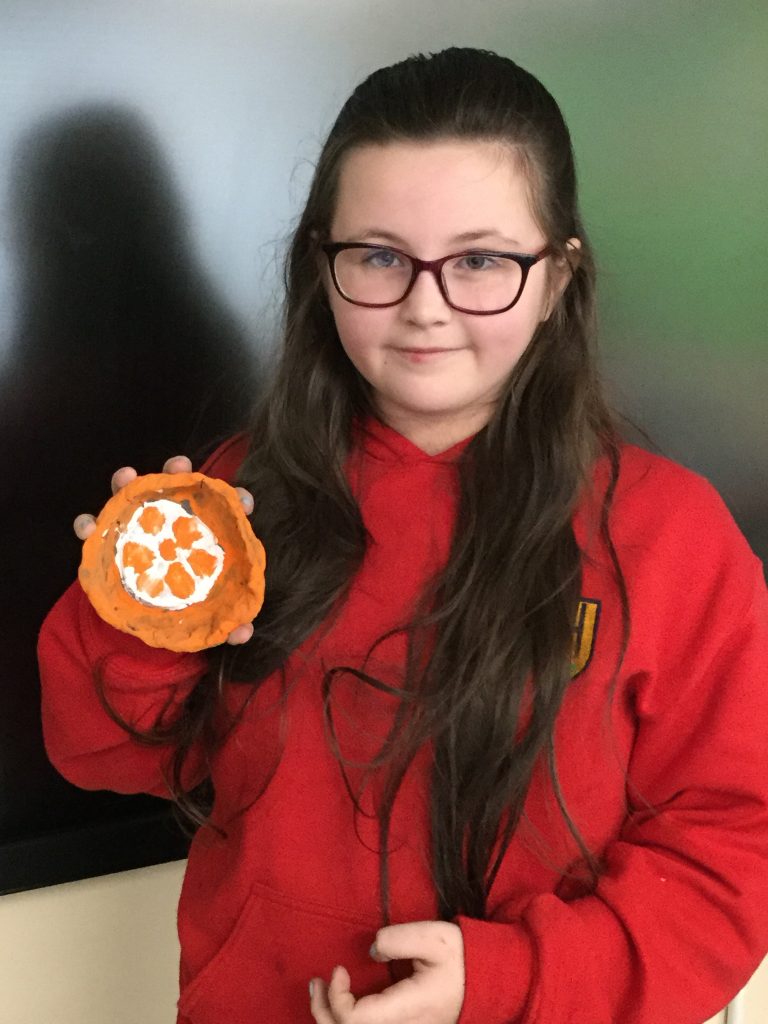
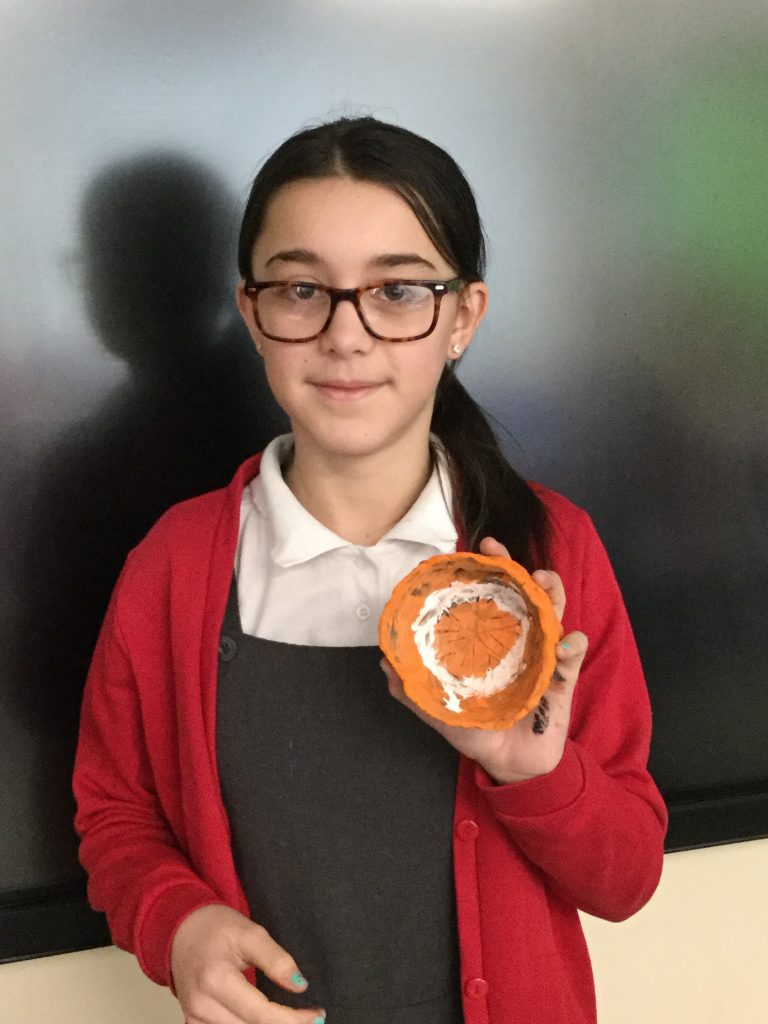
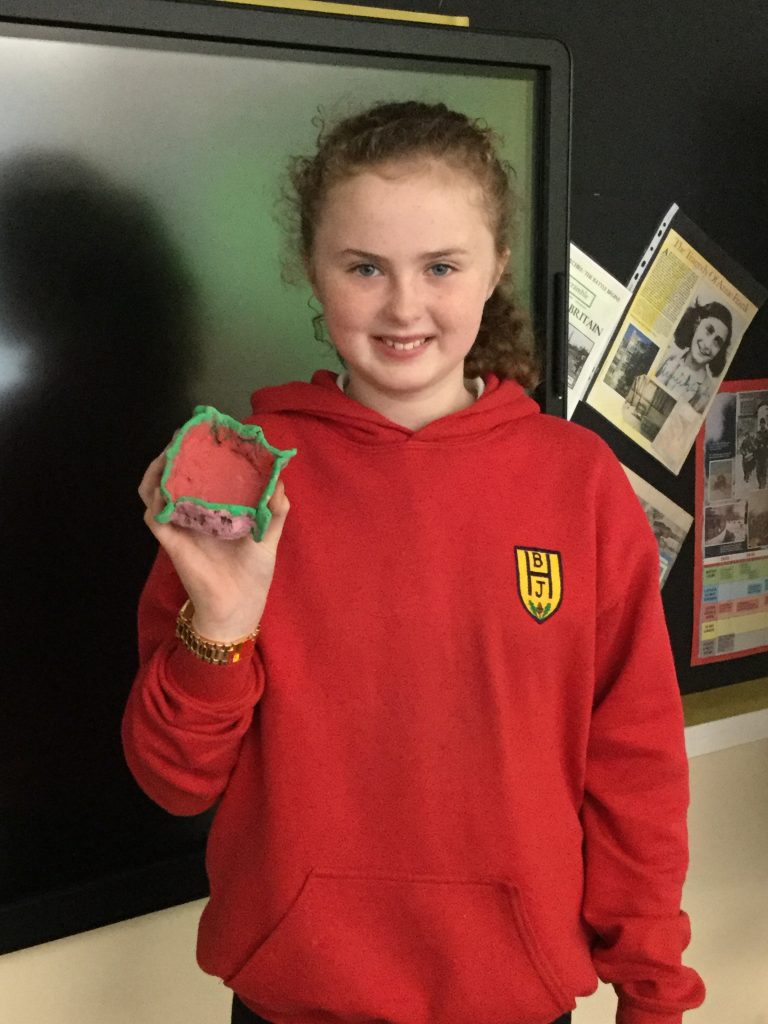
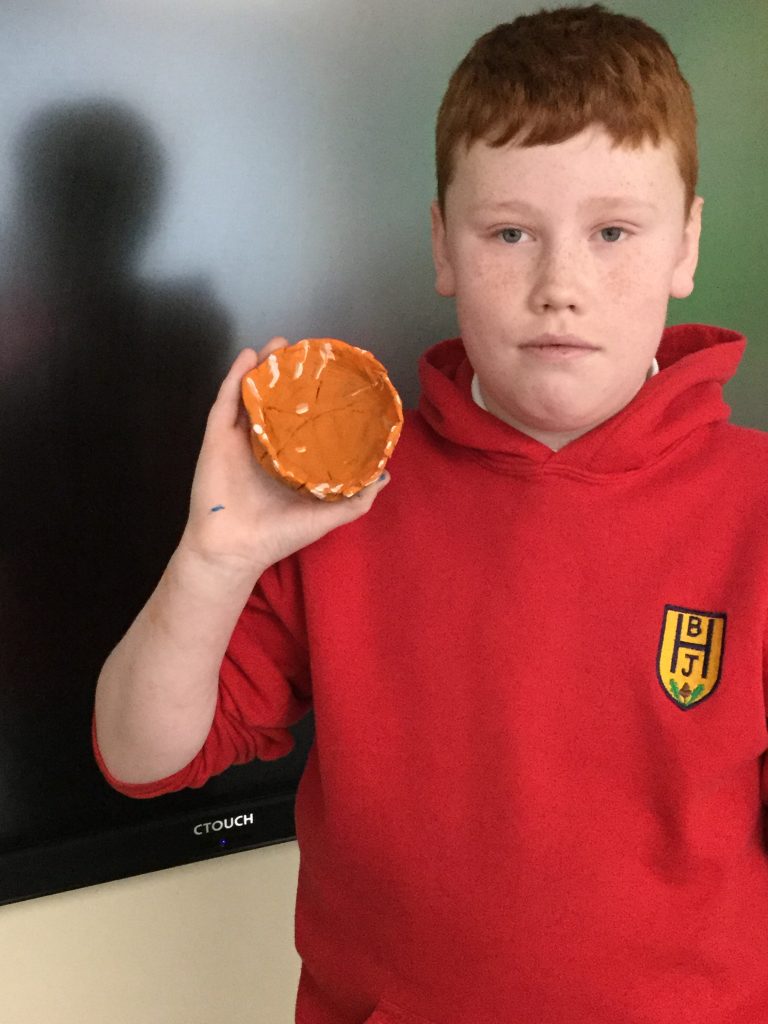
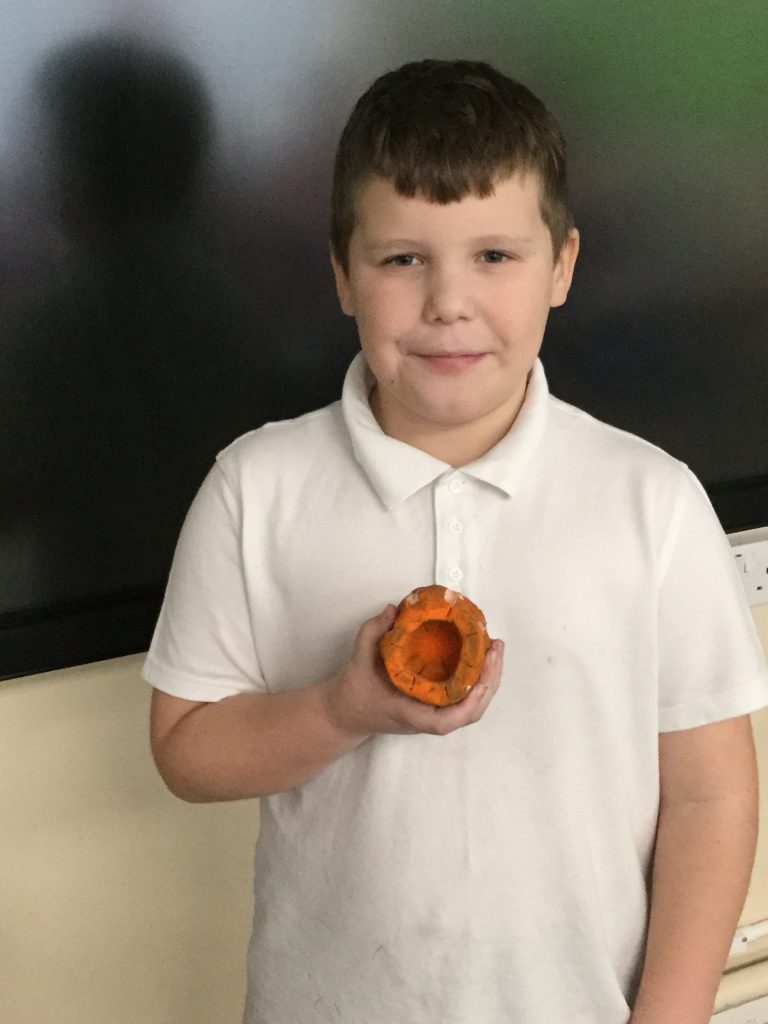
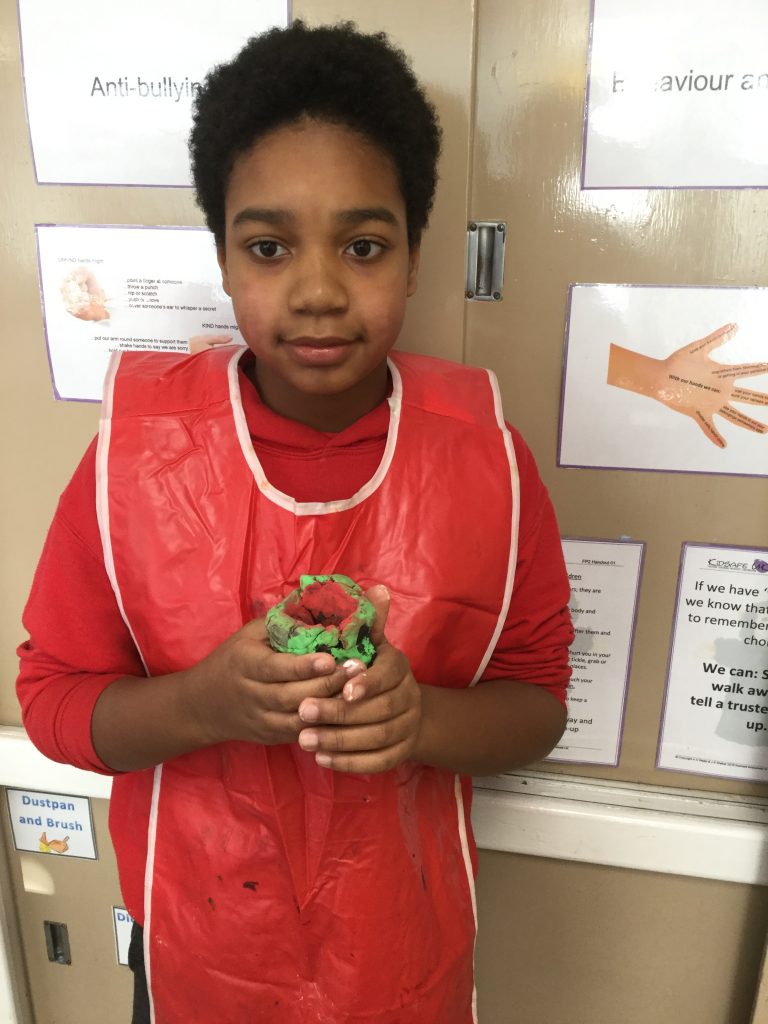
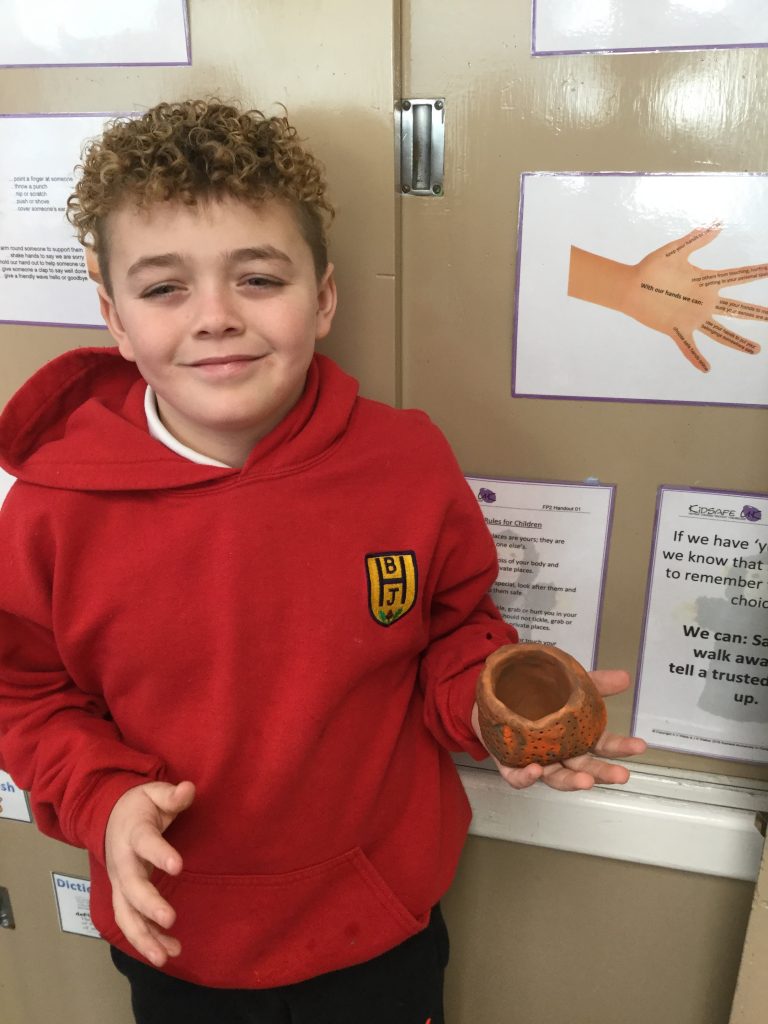
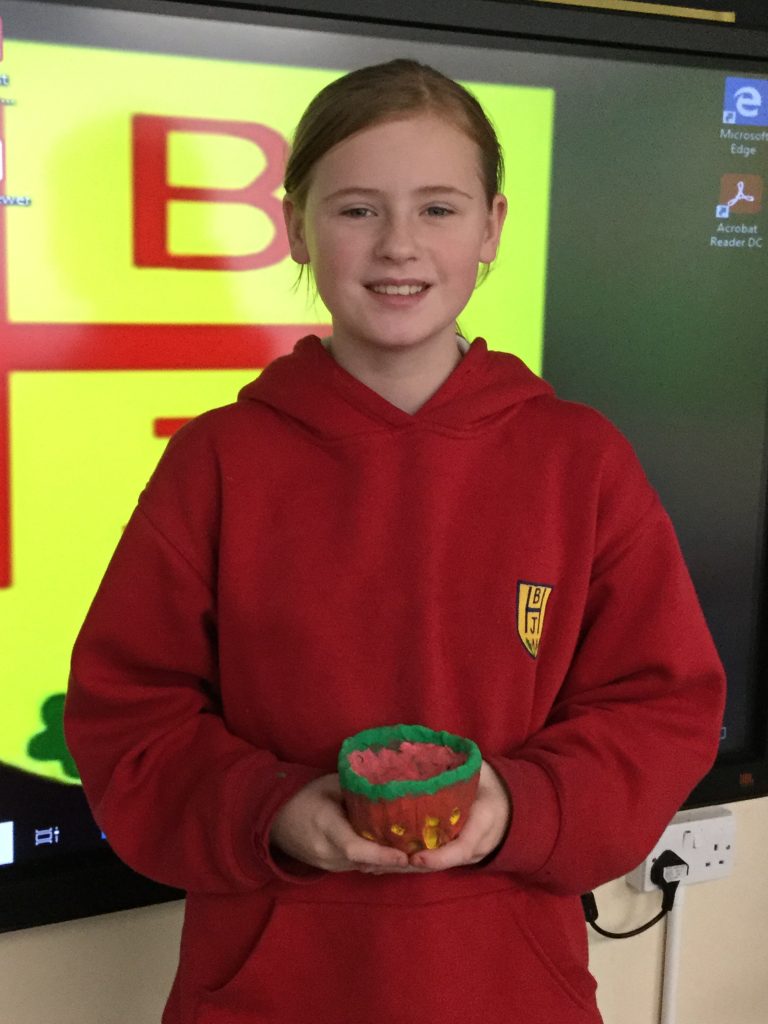
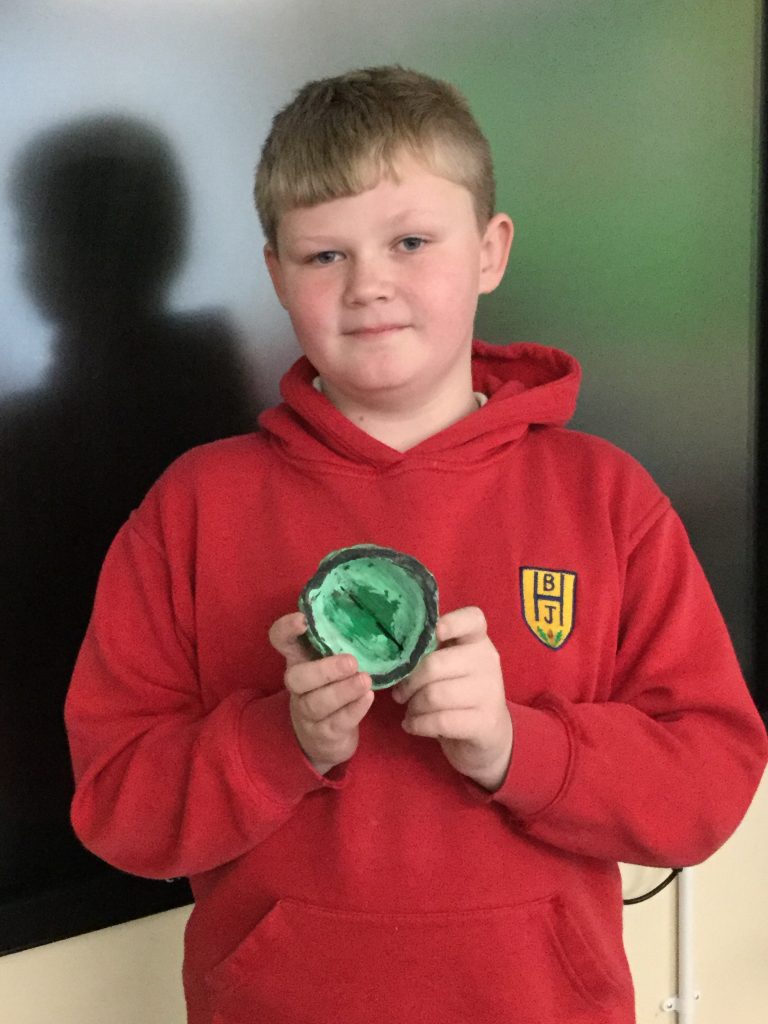
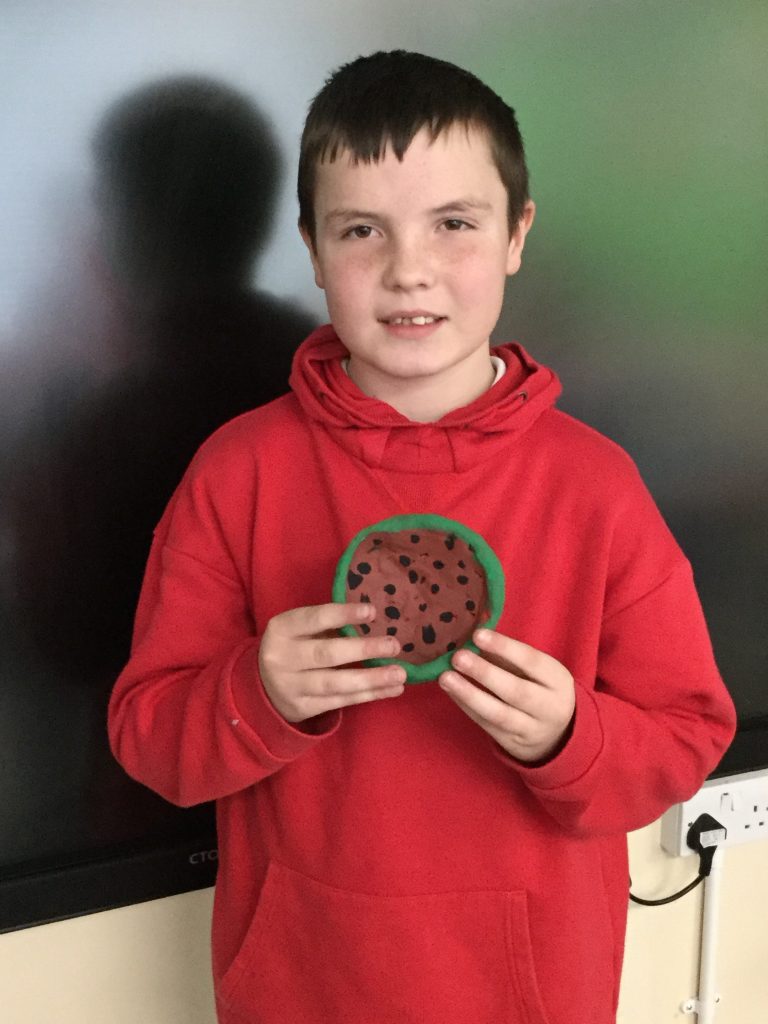
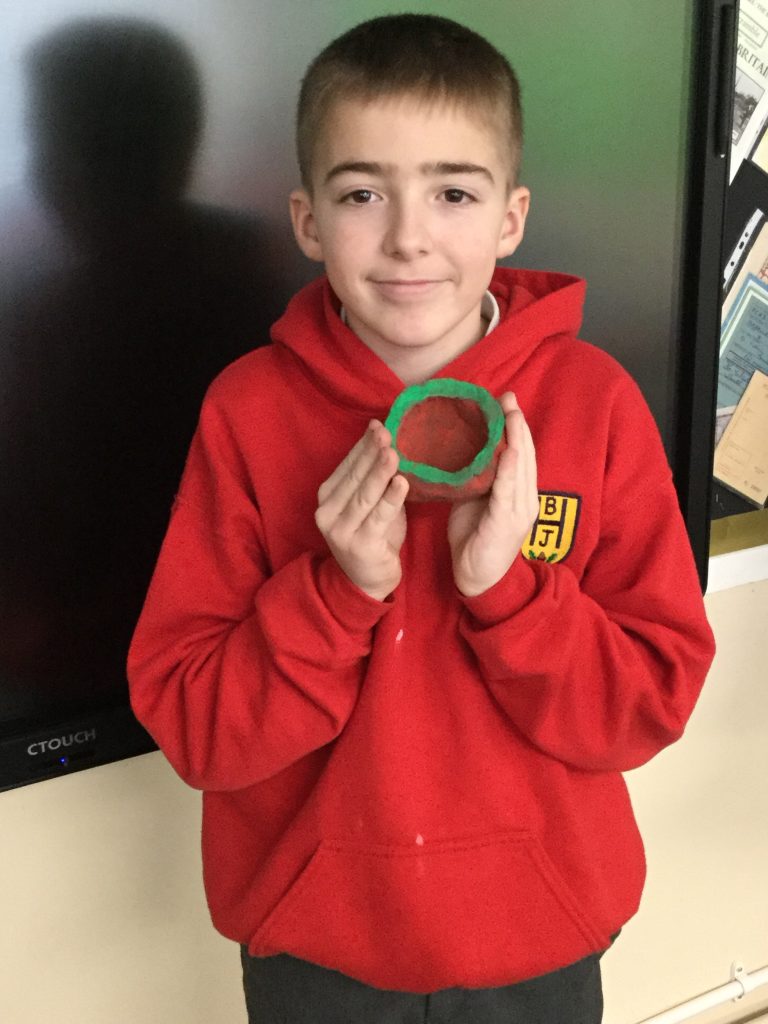
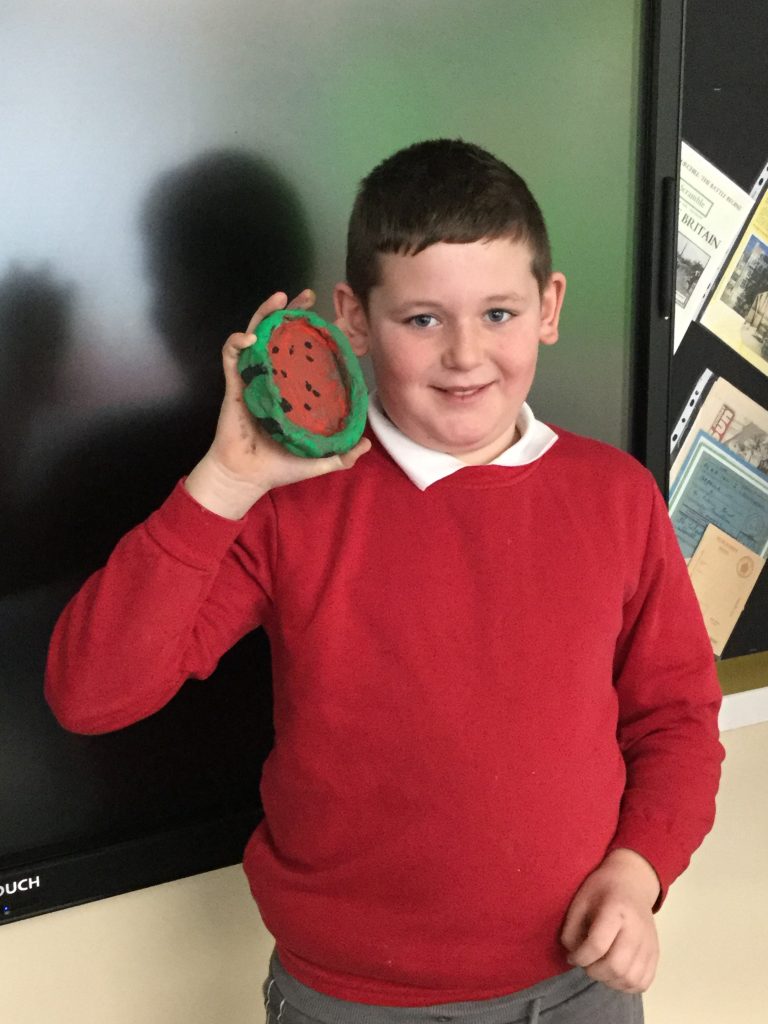
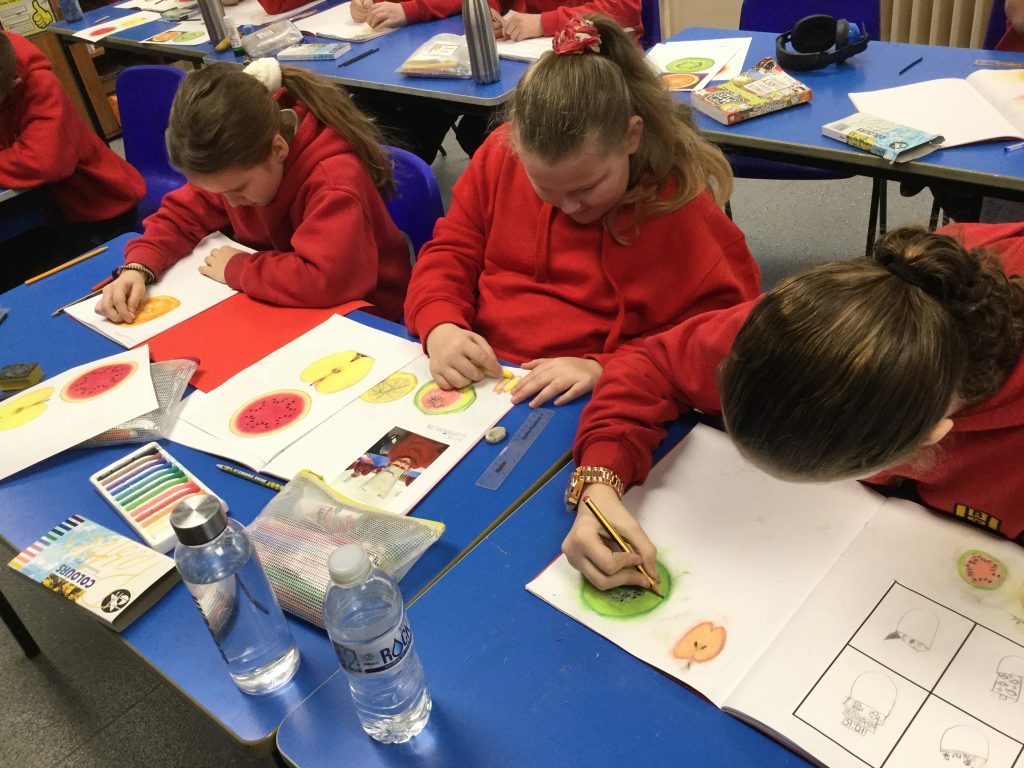
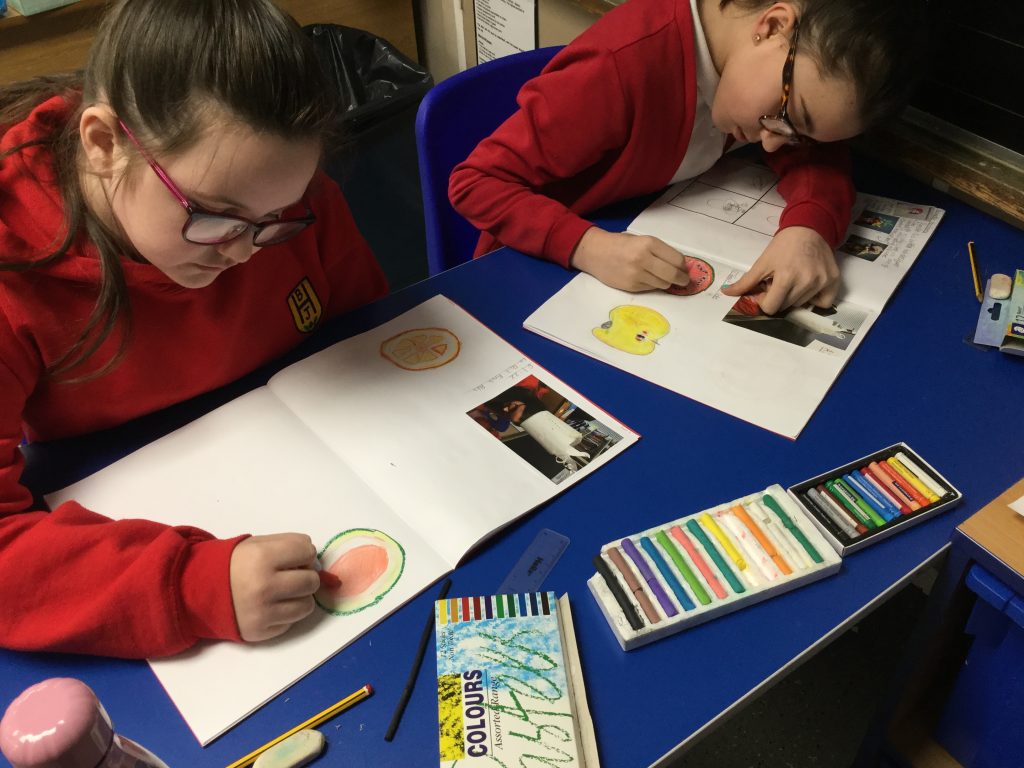
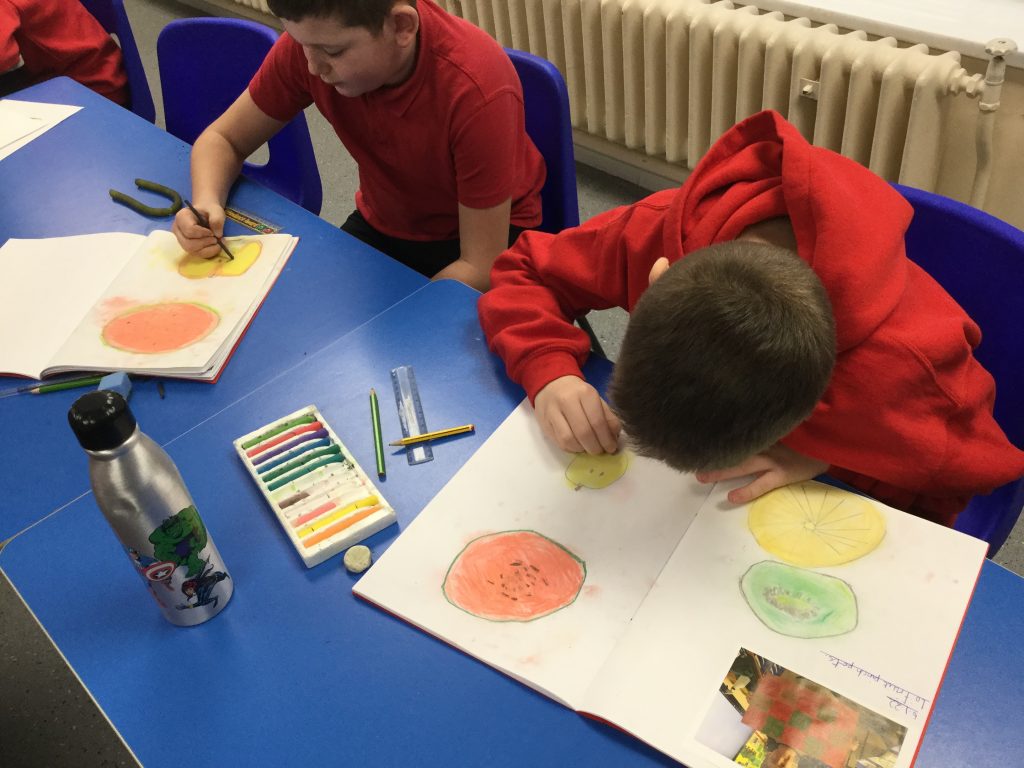
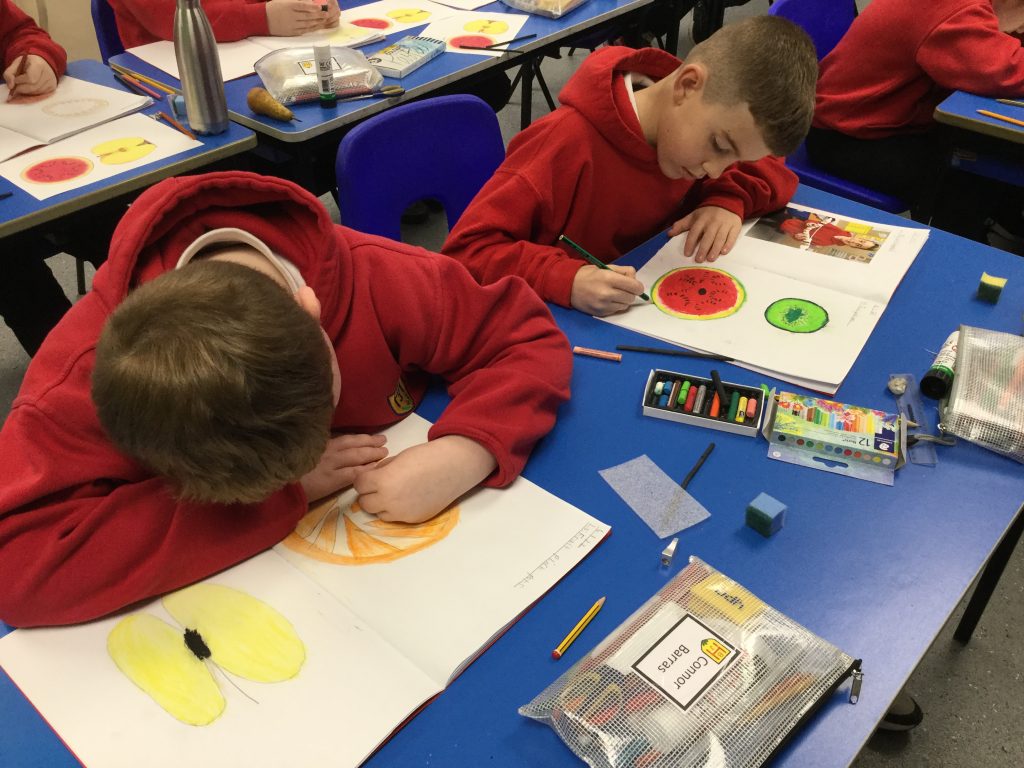
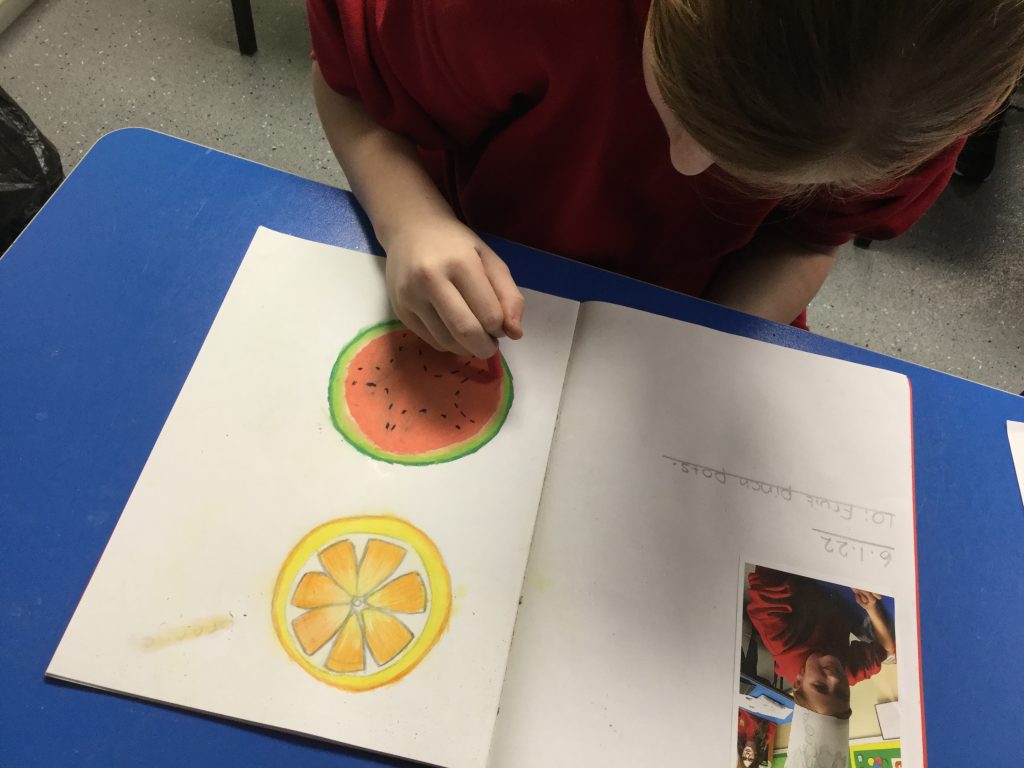
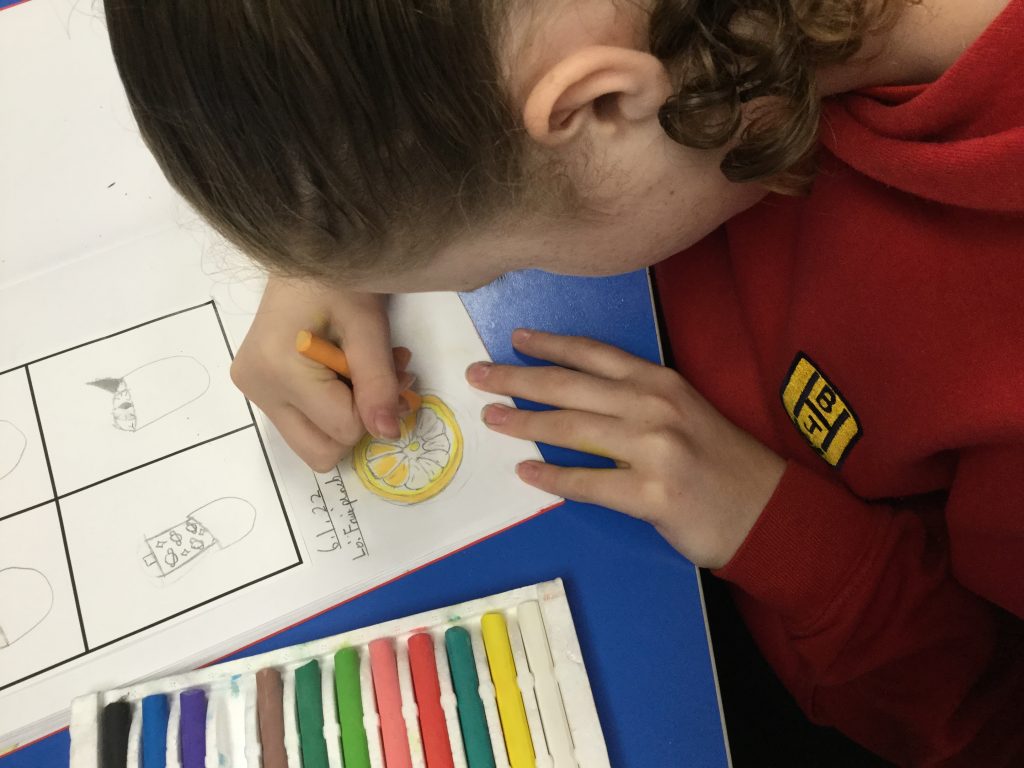
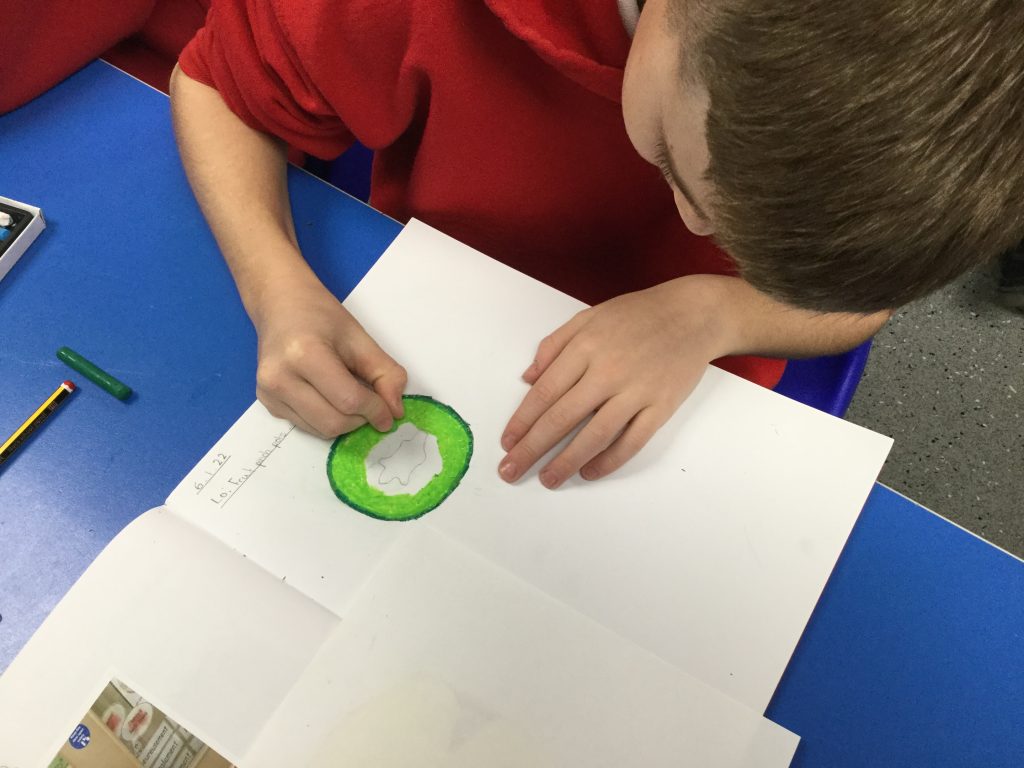
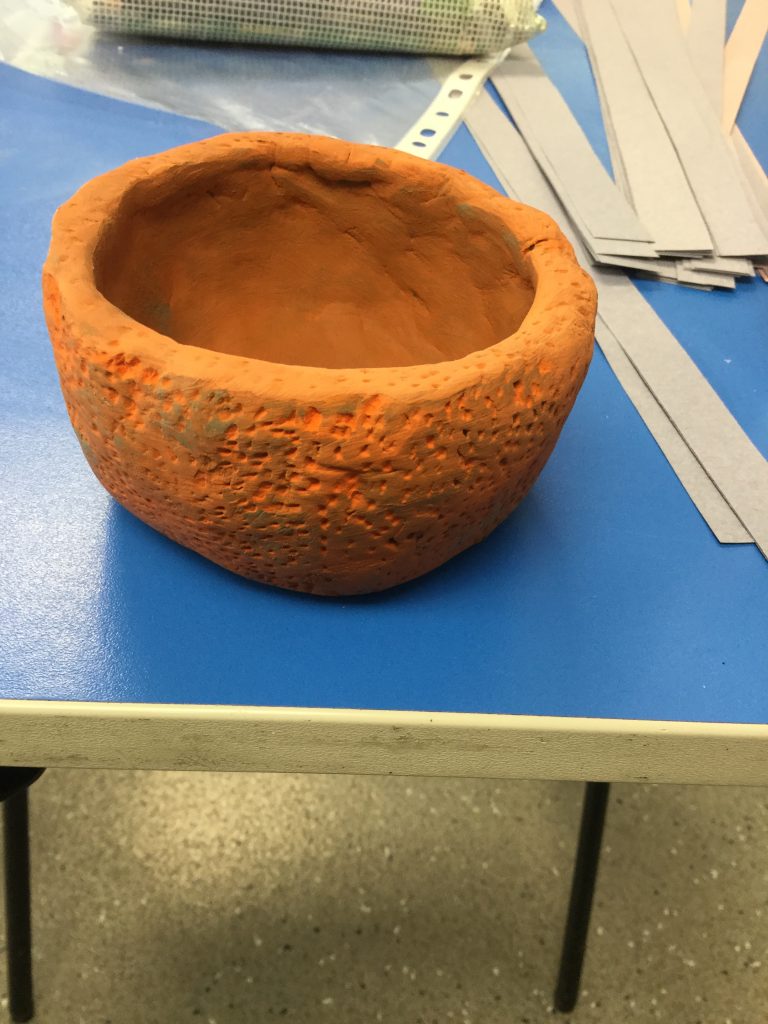
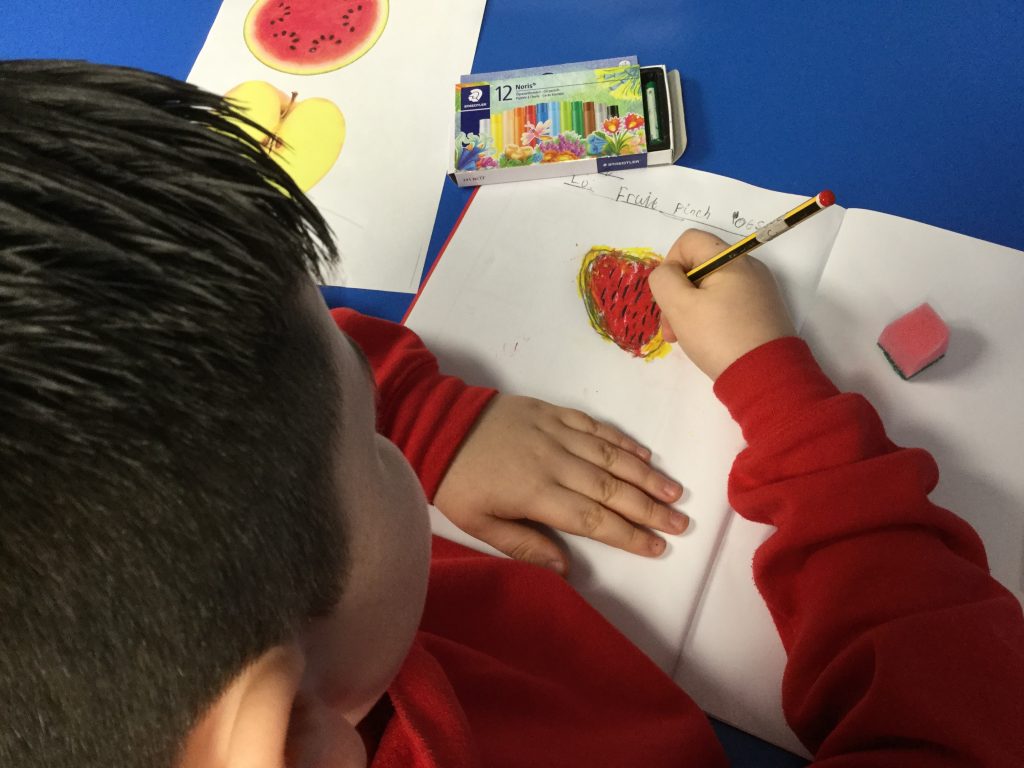
Firstly, we studied the cross section of a range of fruits and then had a go ourselves at drawing our own, considering colour choice, textures, shading and shapes. We chose a medium to use to colour our pictures and really concentrated on detail. Next, we were given a fist sized lump of clay which we had to pinch and manipulate with our fingers to form a cup/ vessel shape. We were given a range of resources to choose from to liken our pinch pot exterior to a fruit texture of our preference: clay tools, patterned rolling pins, glue spreaders, pencil ends, scouring pads, wire brushes and straws. Once we were happy with the design of our pinch pots, we painted them the resemble the fruit we had focused on. We thoroughly enjoyed this art project.
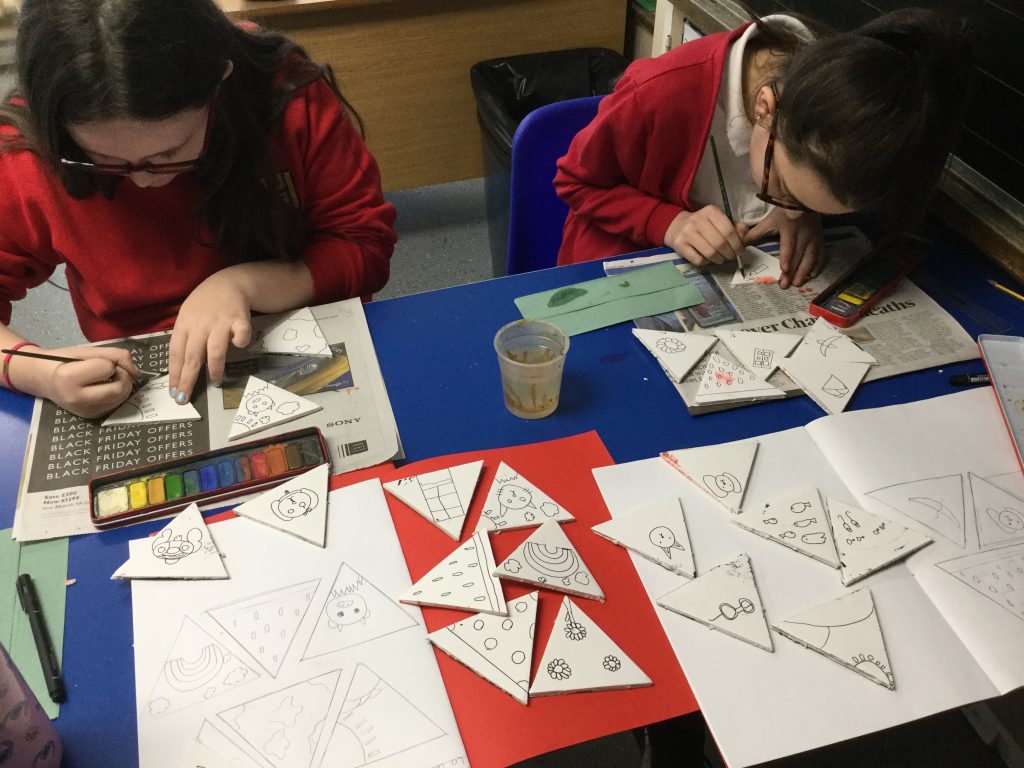
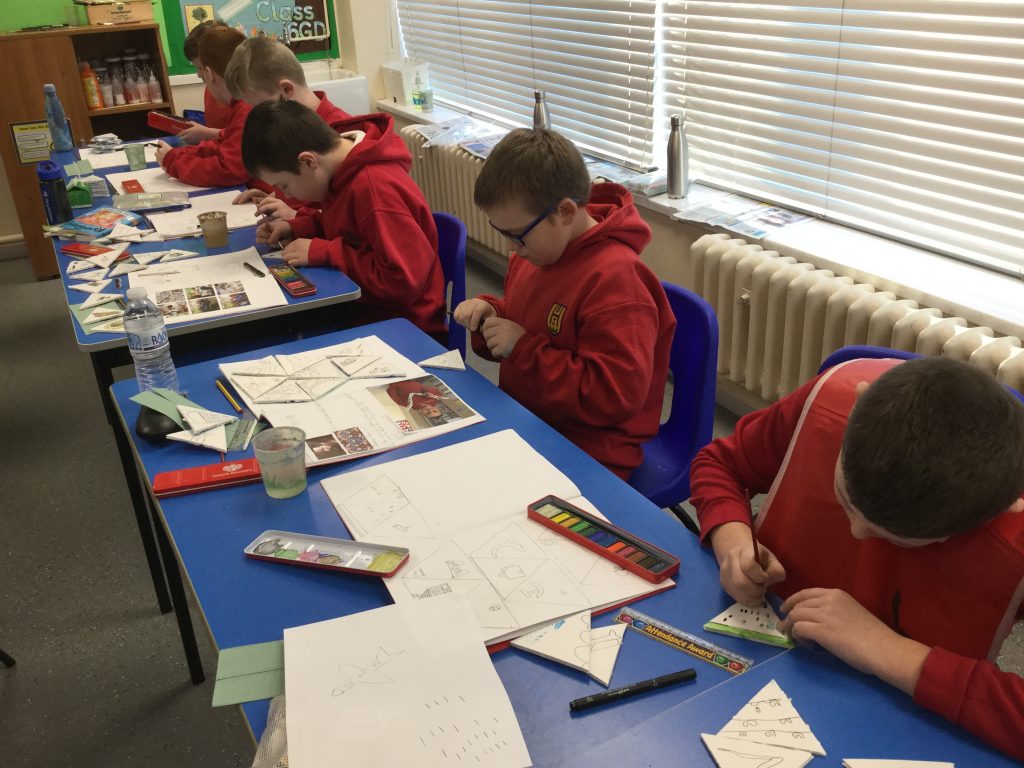
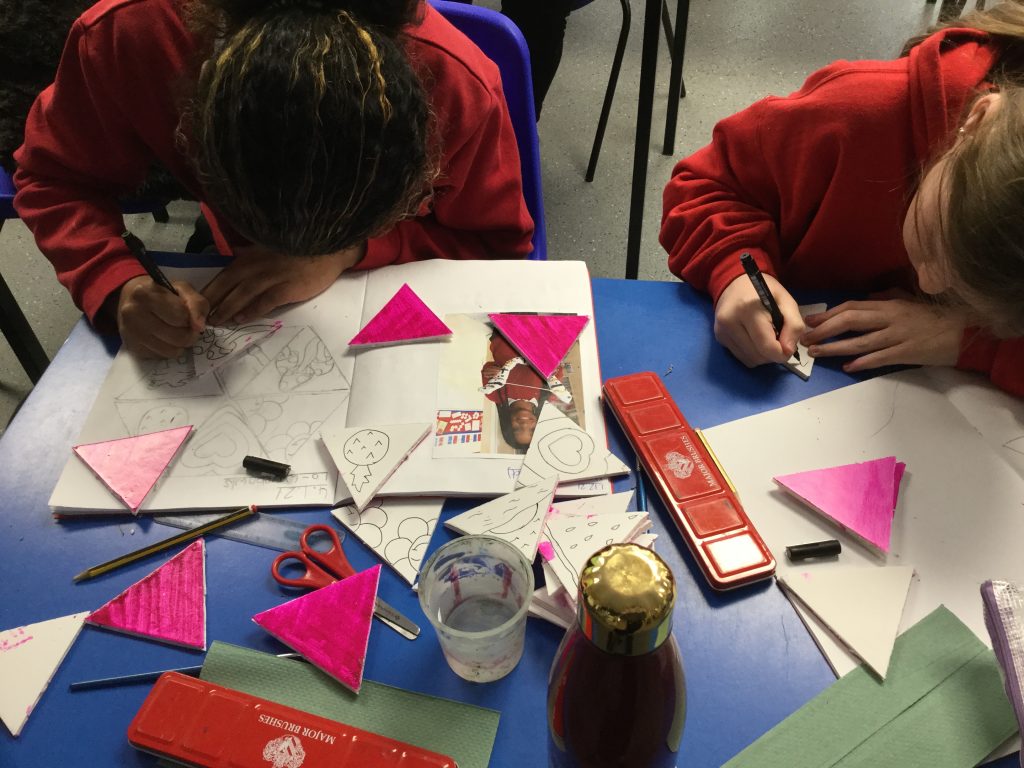
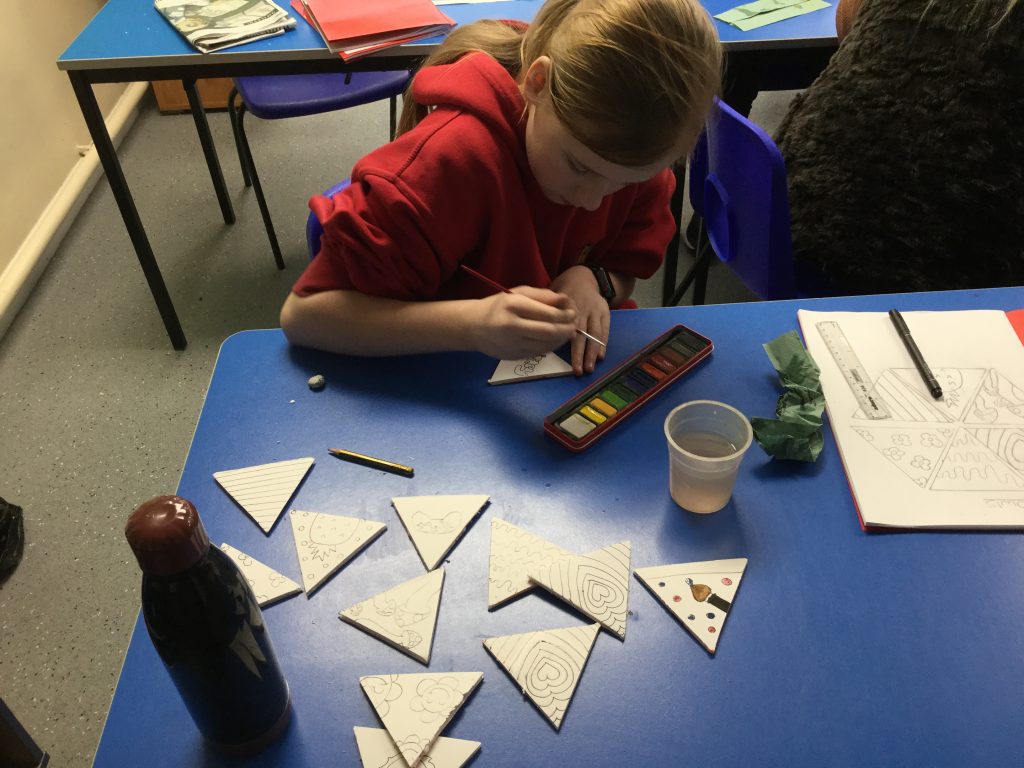
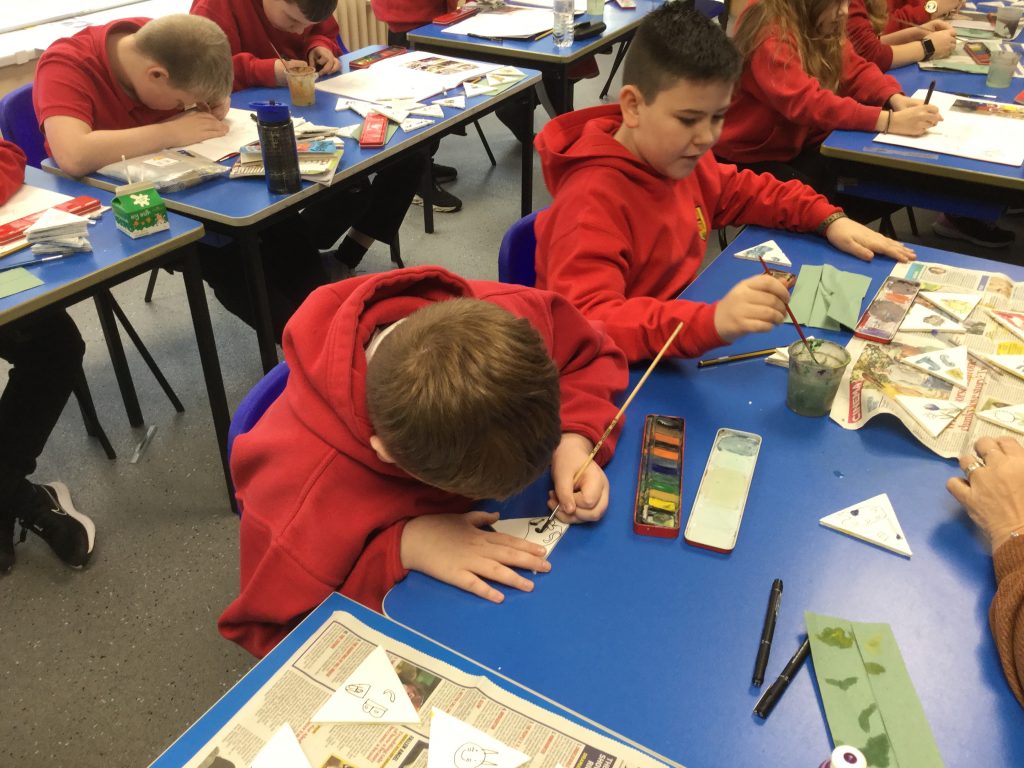
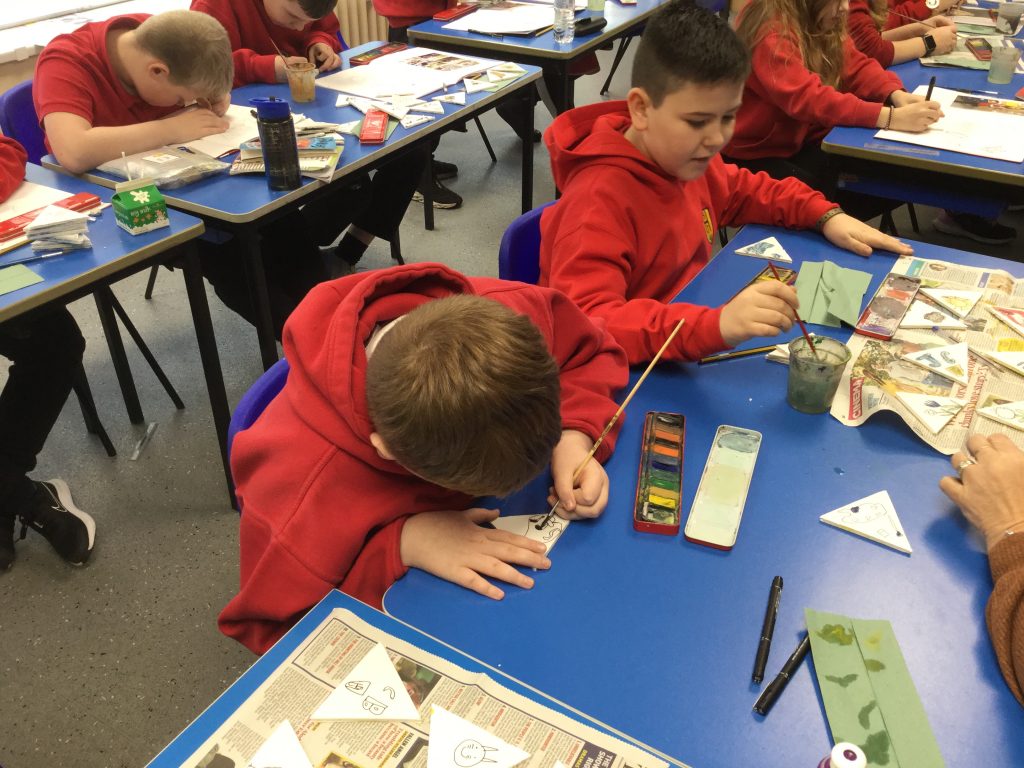
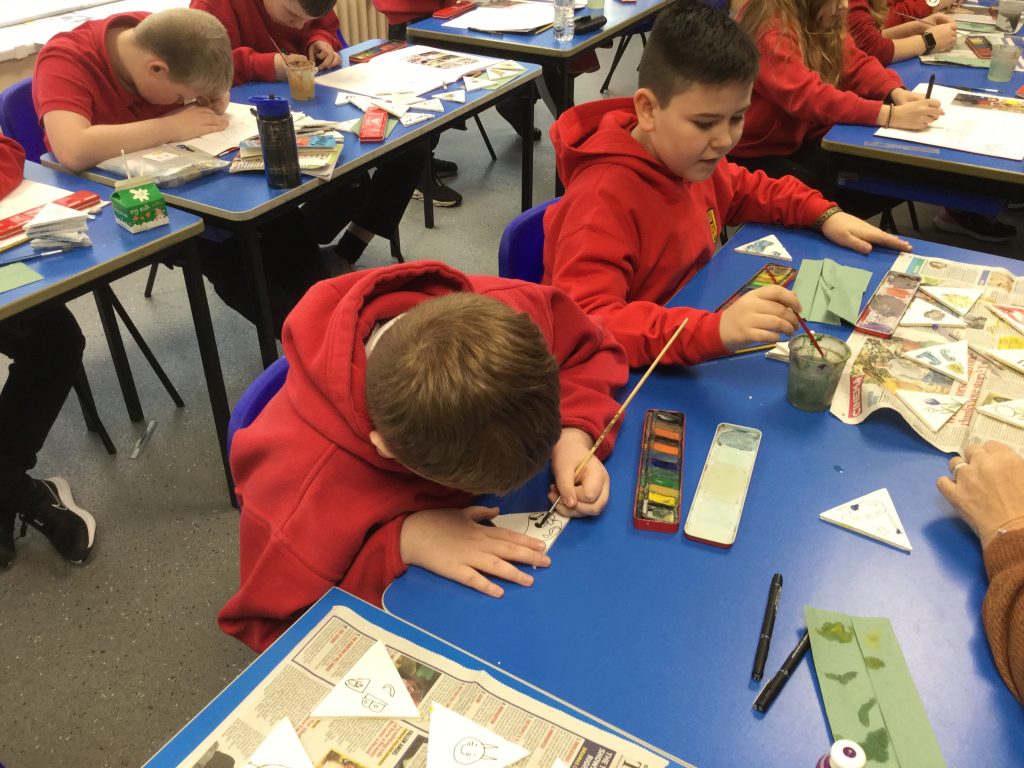
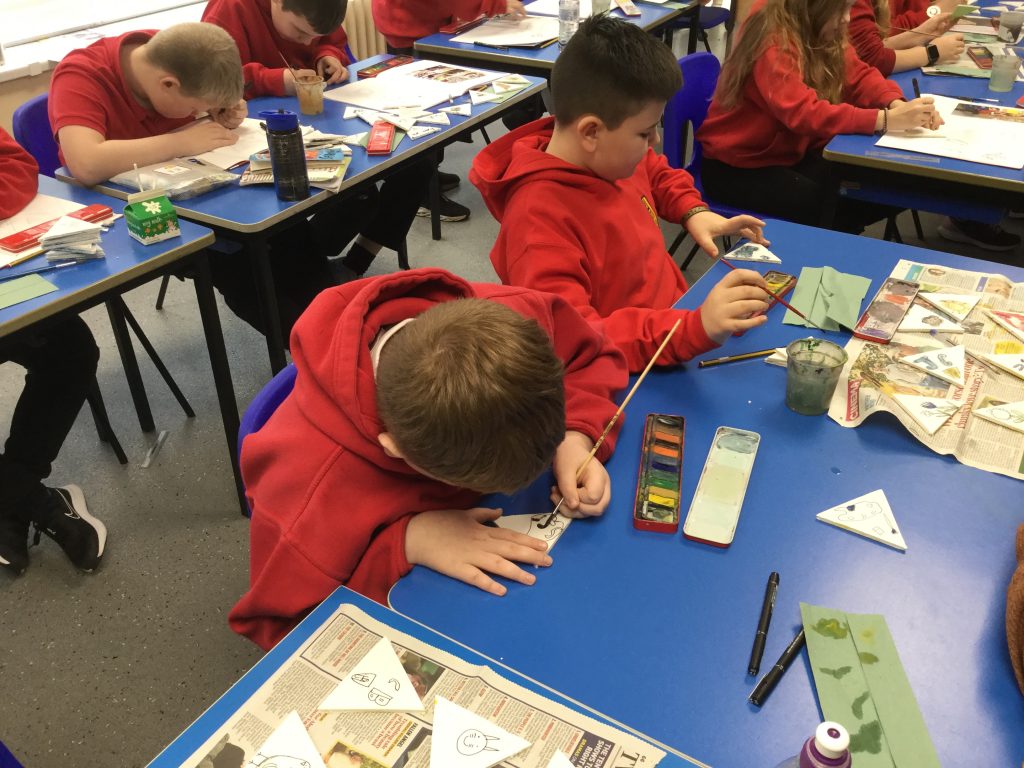
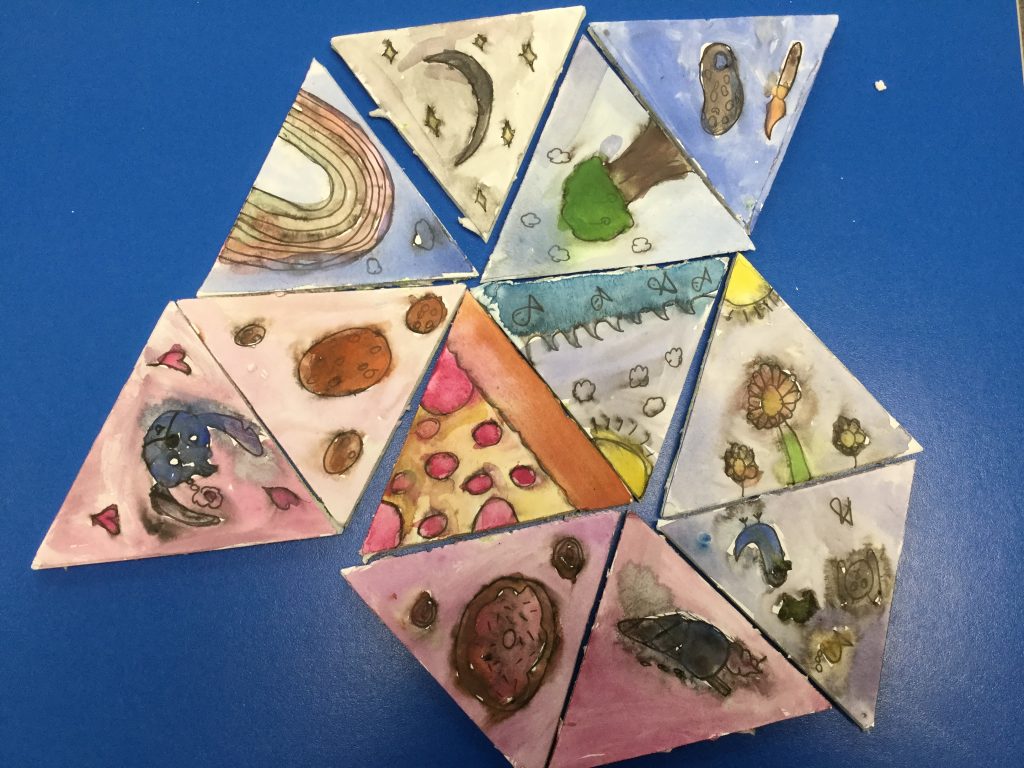
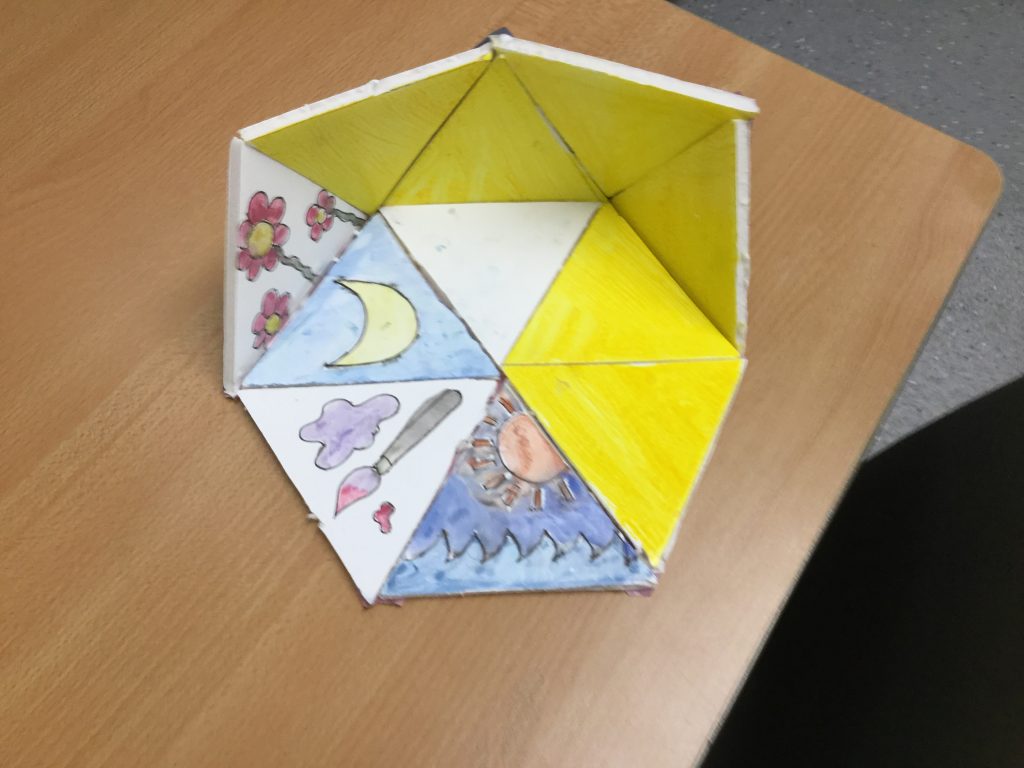
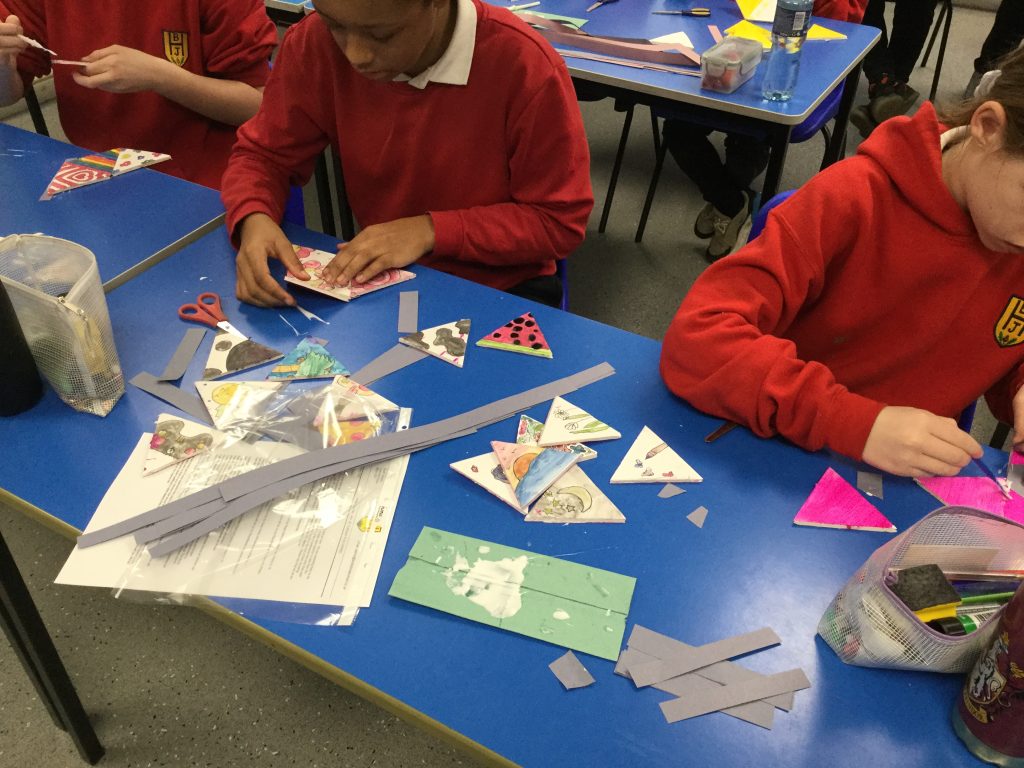
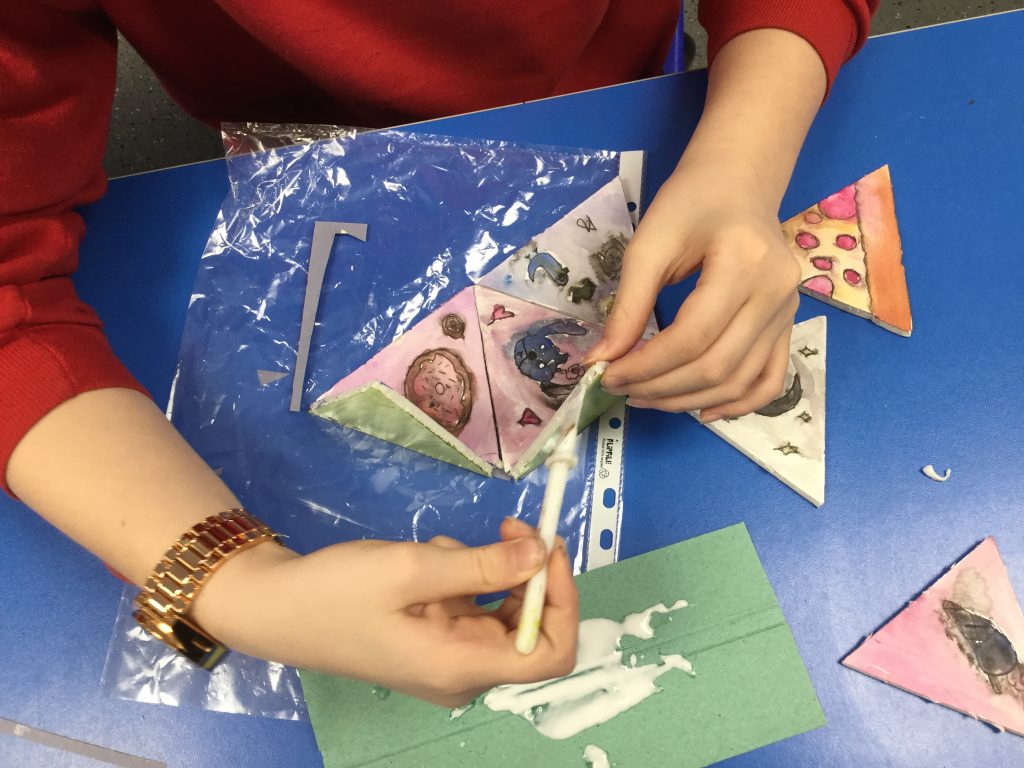
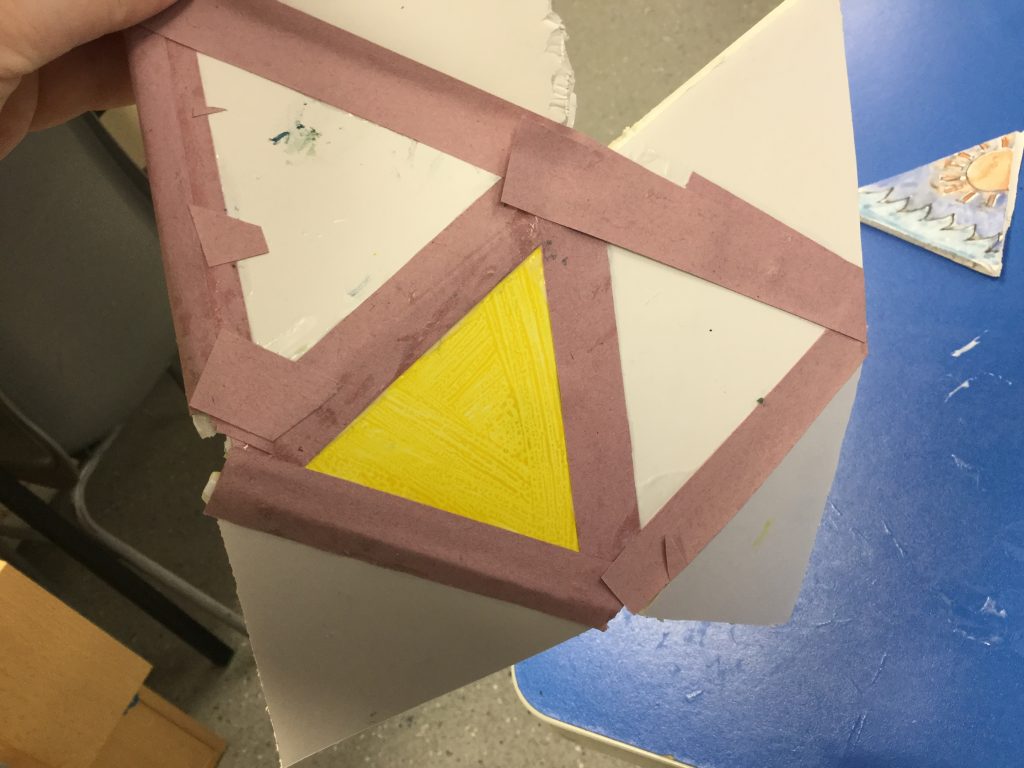
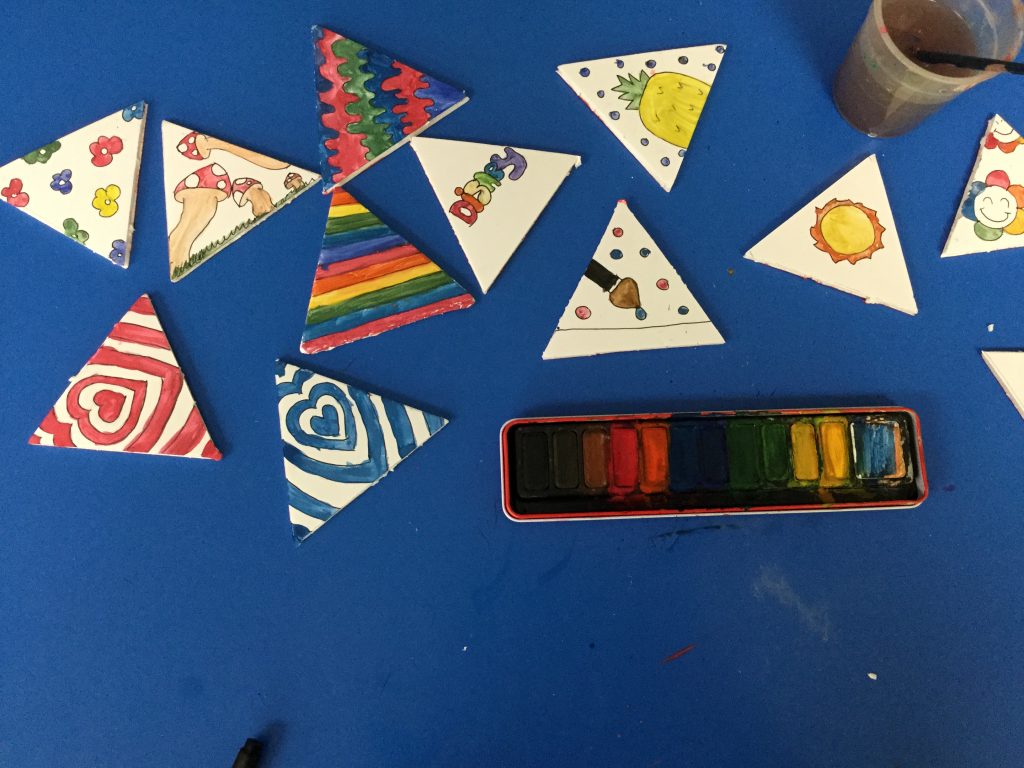
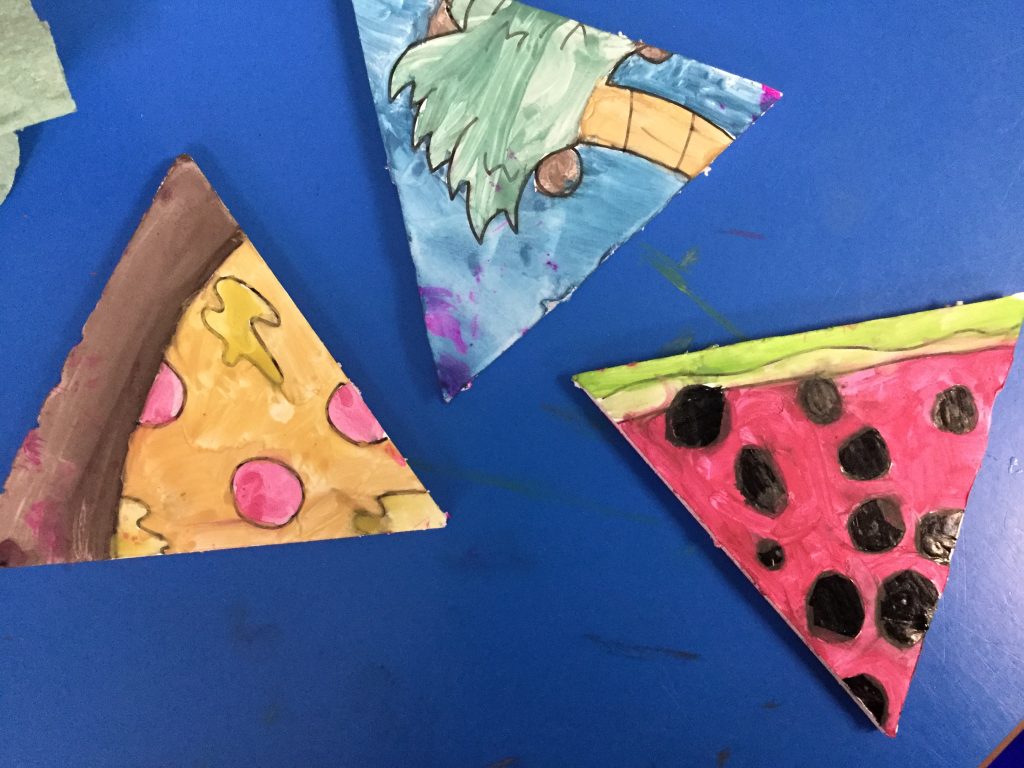
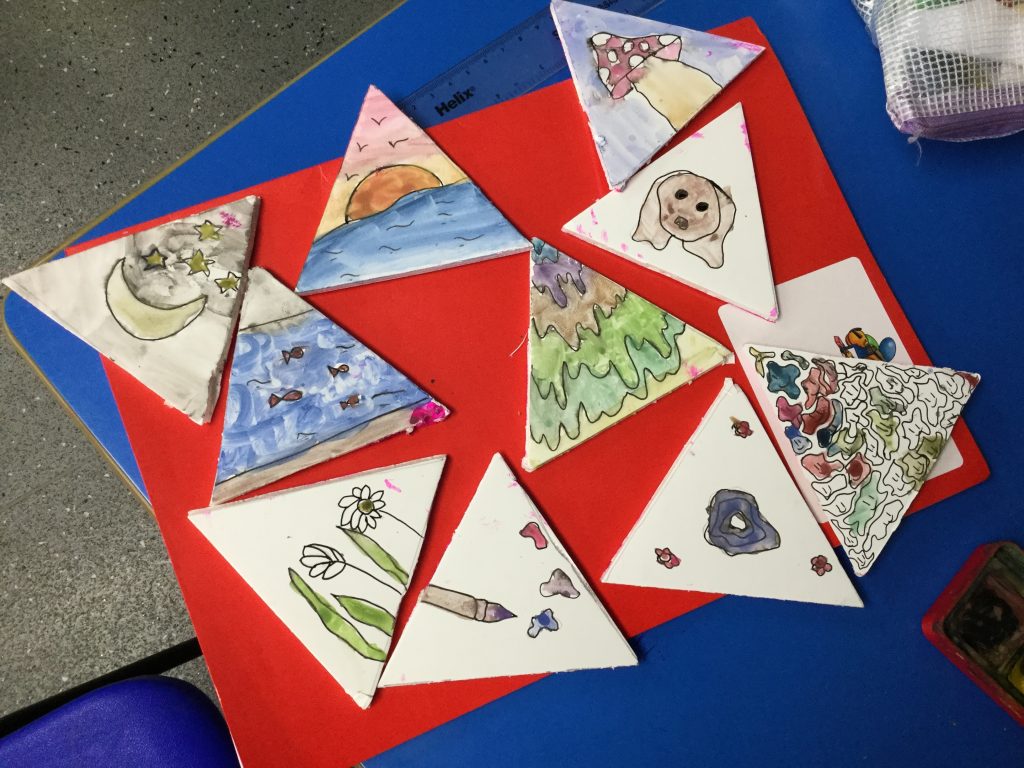
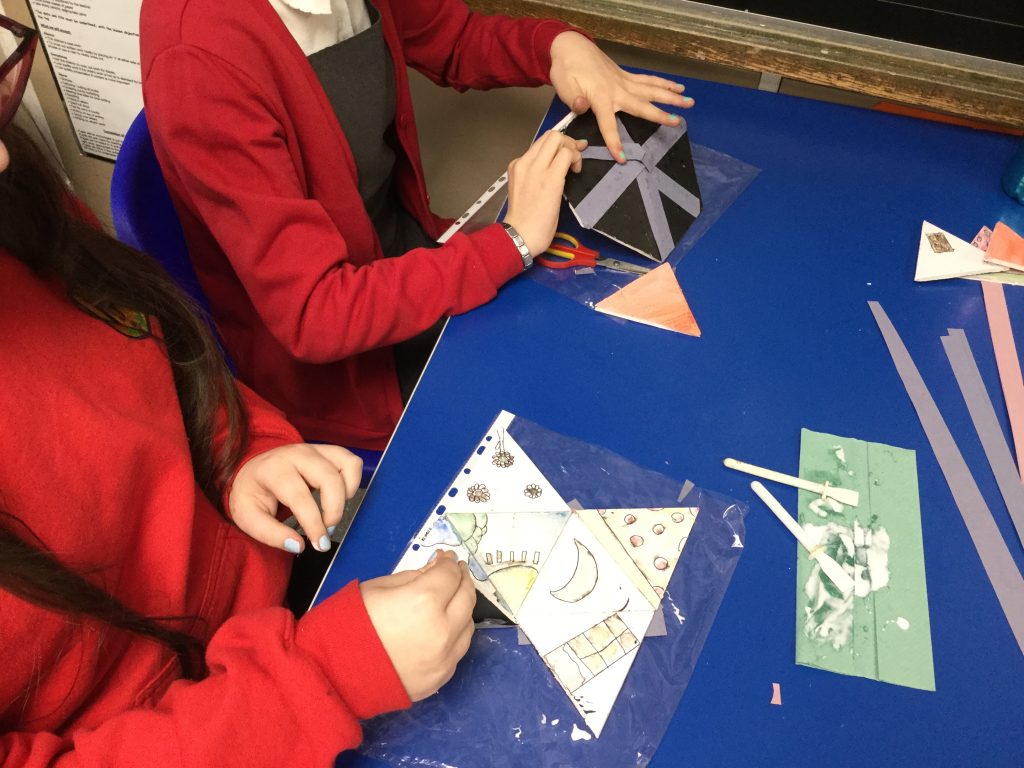
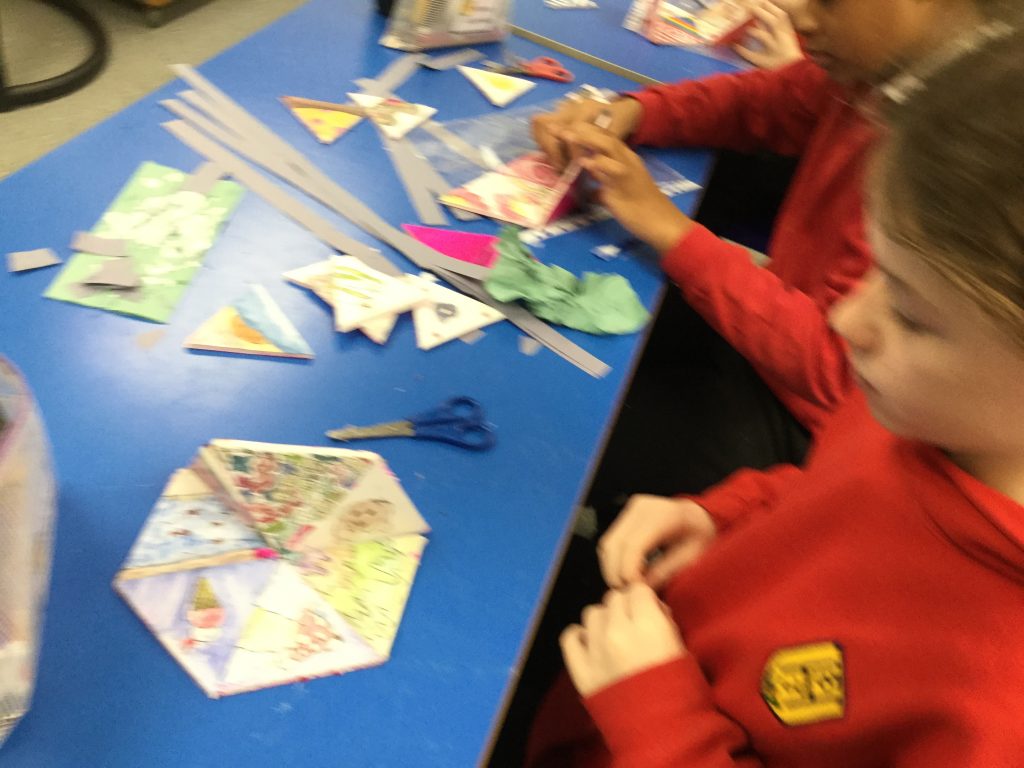
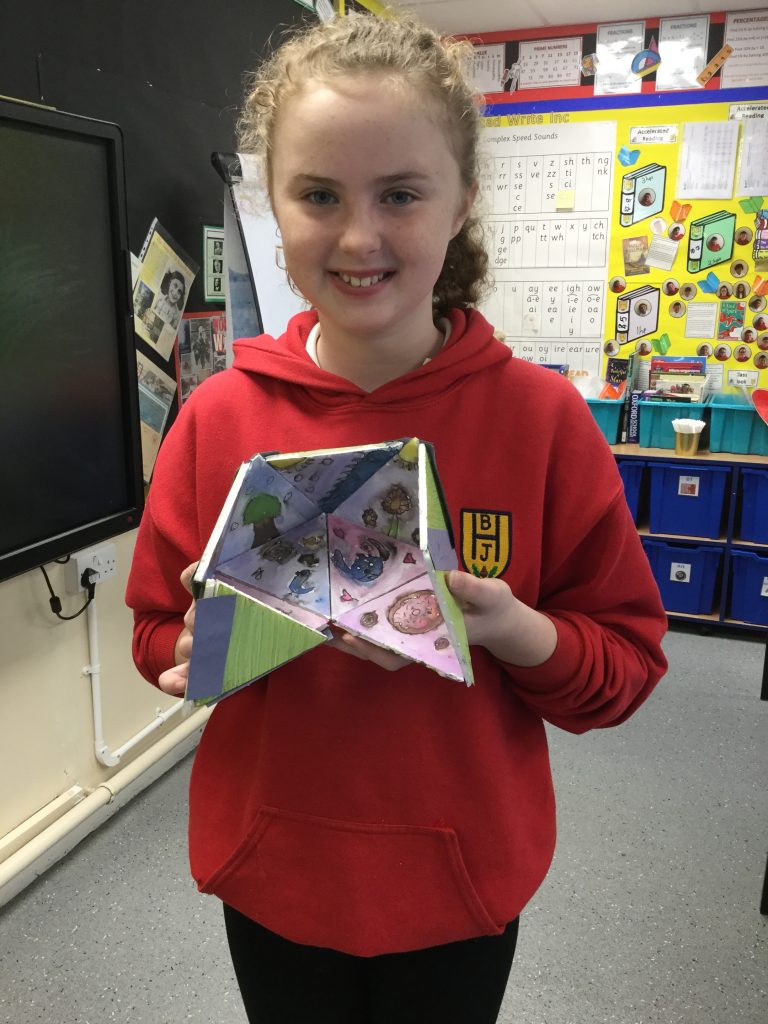
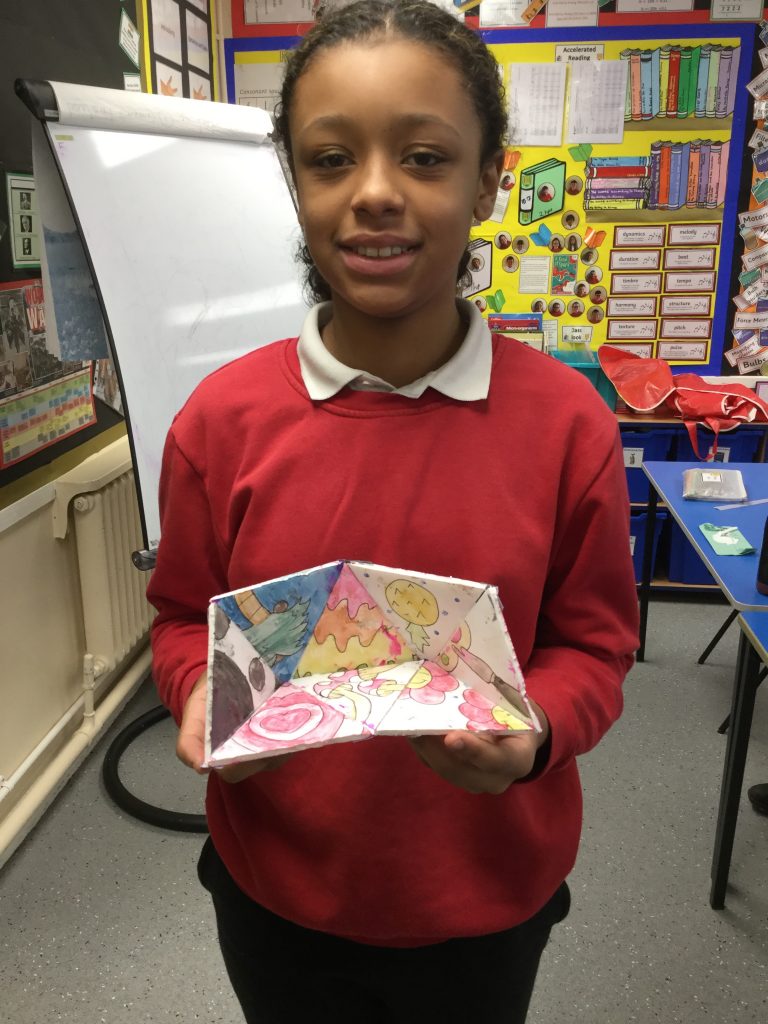
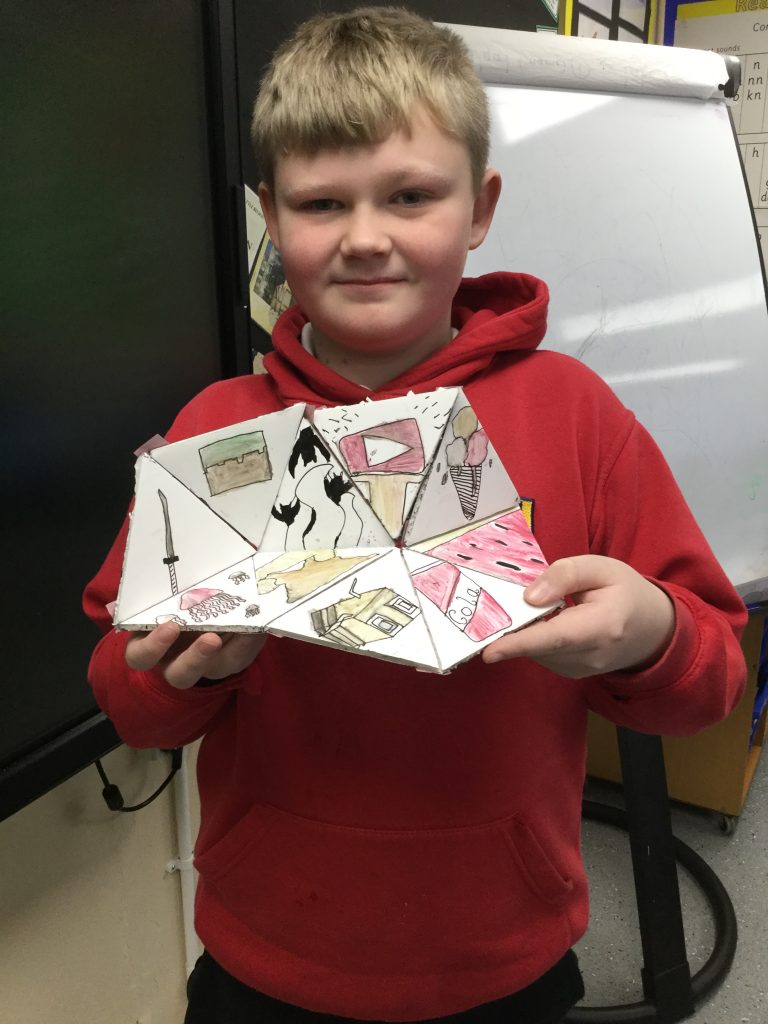
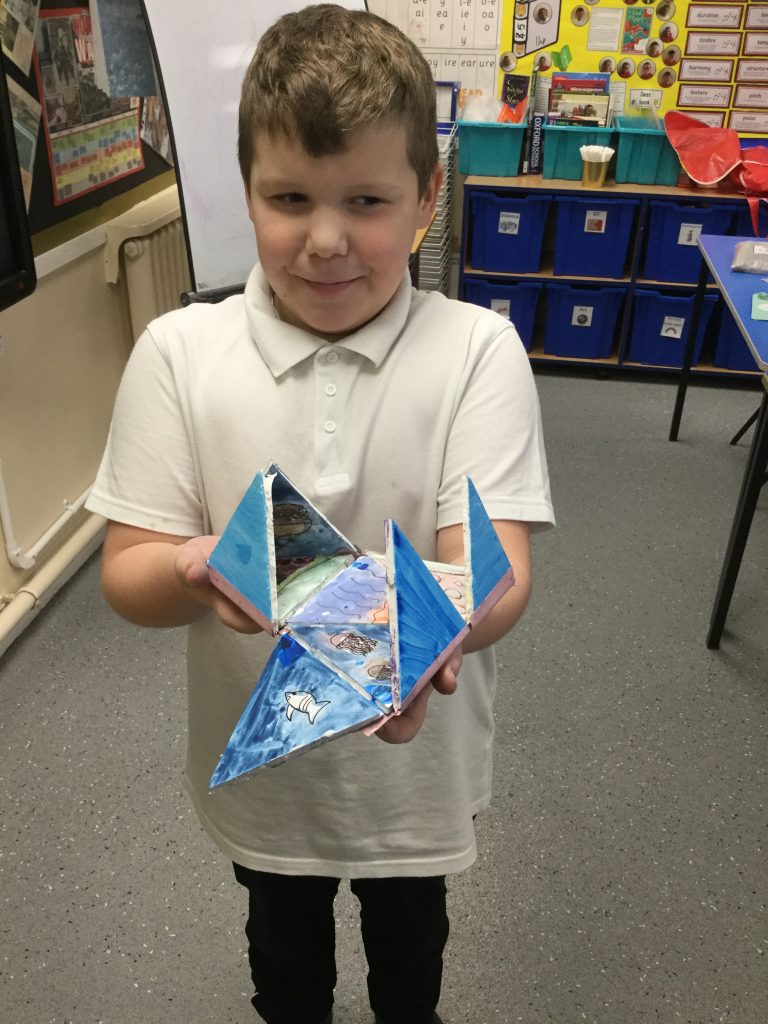
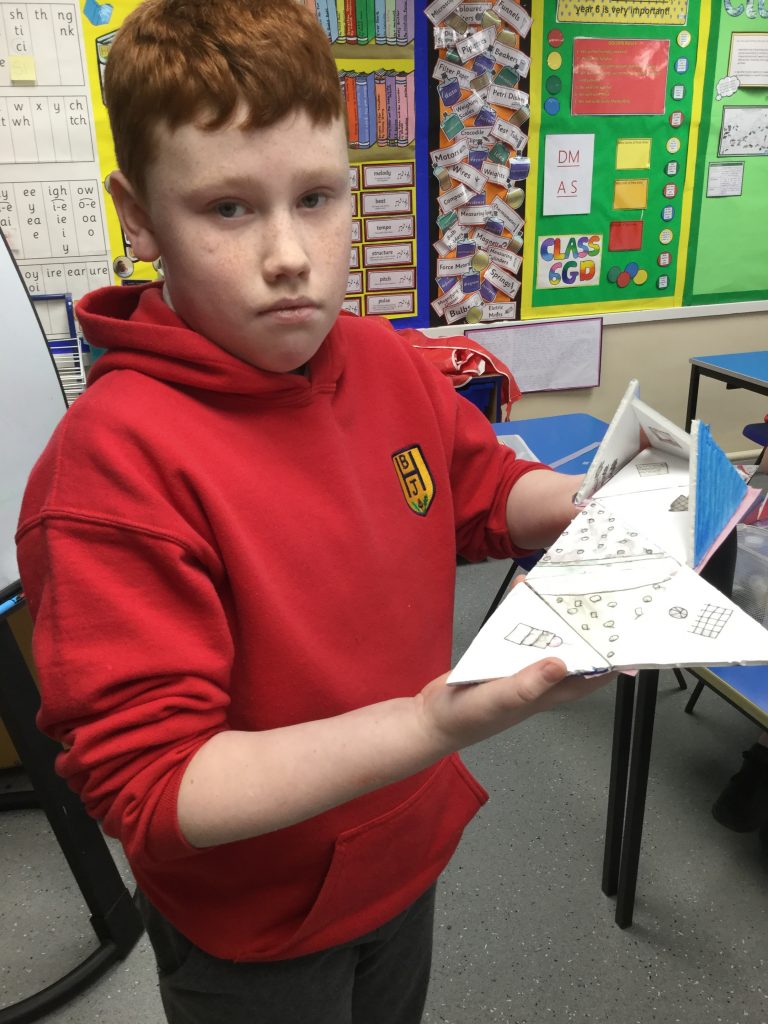
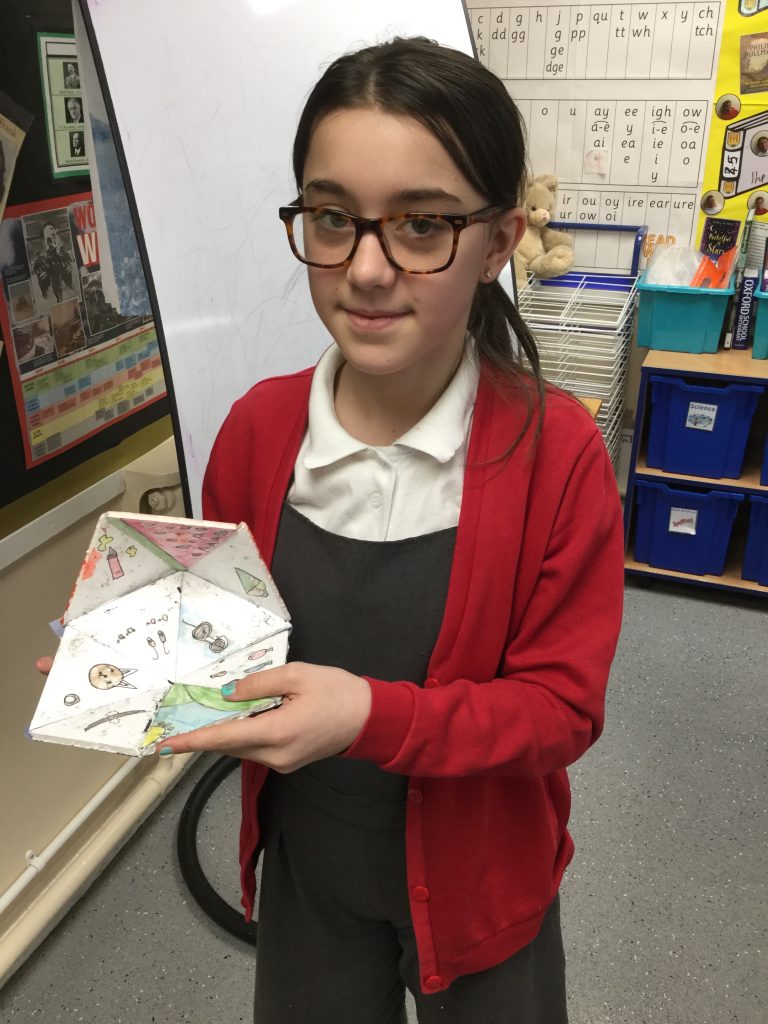
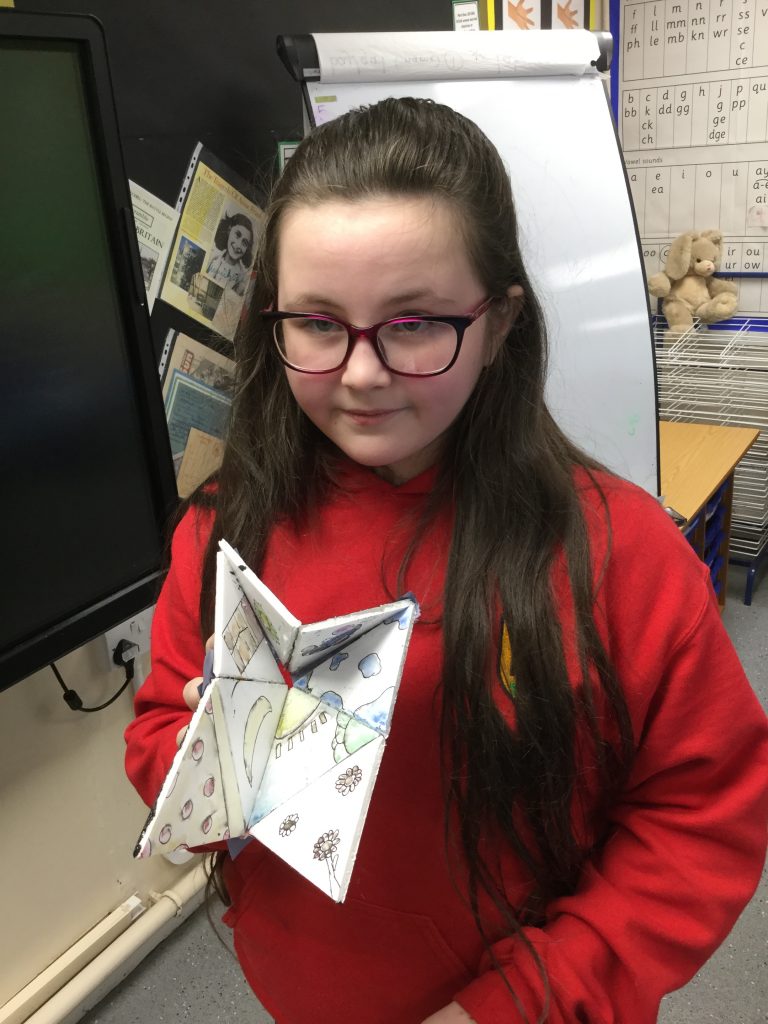
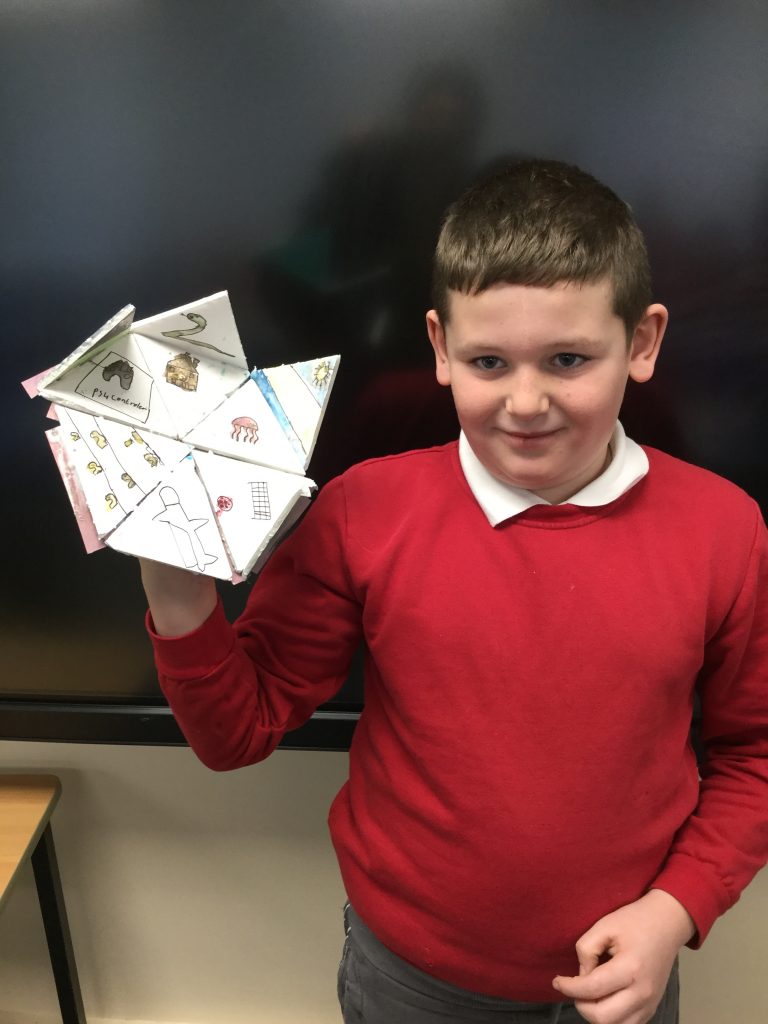
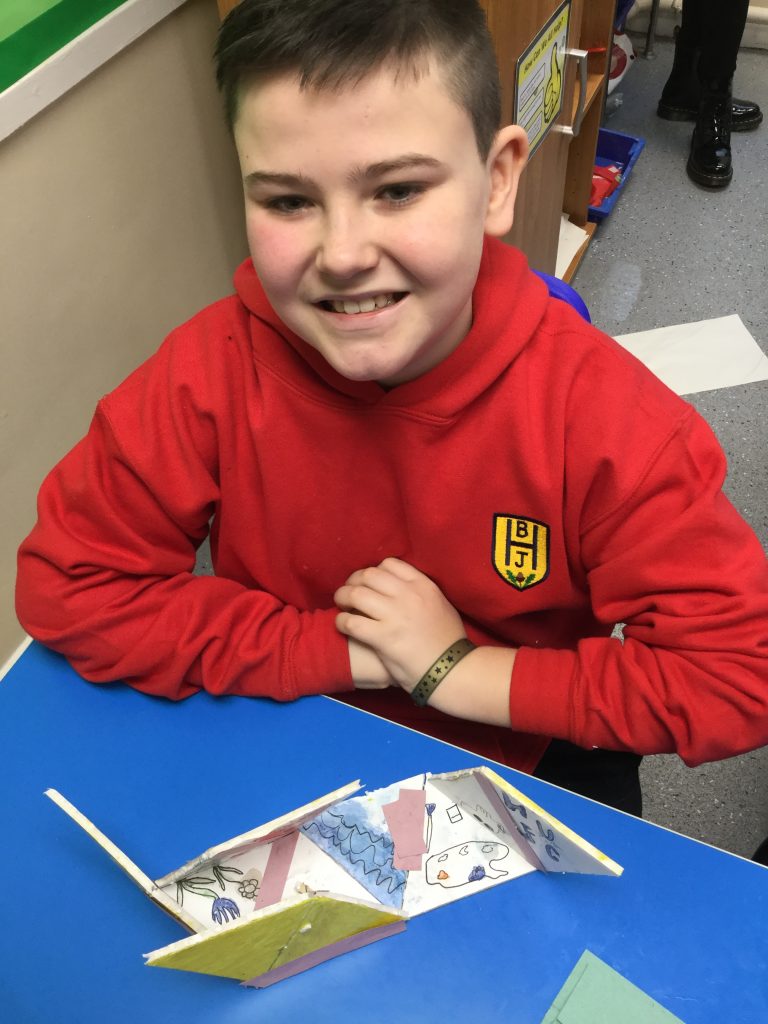
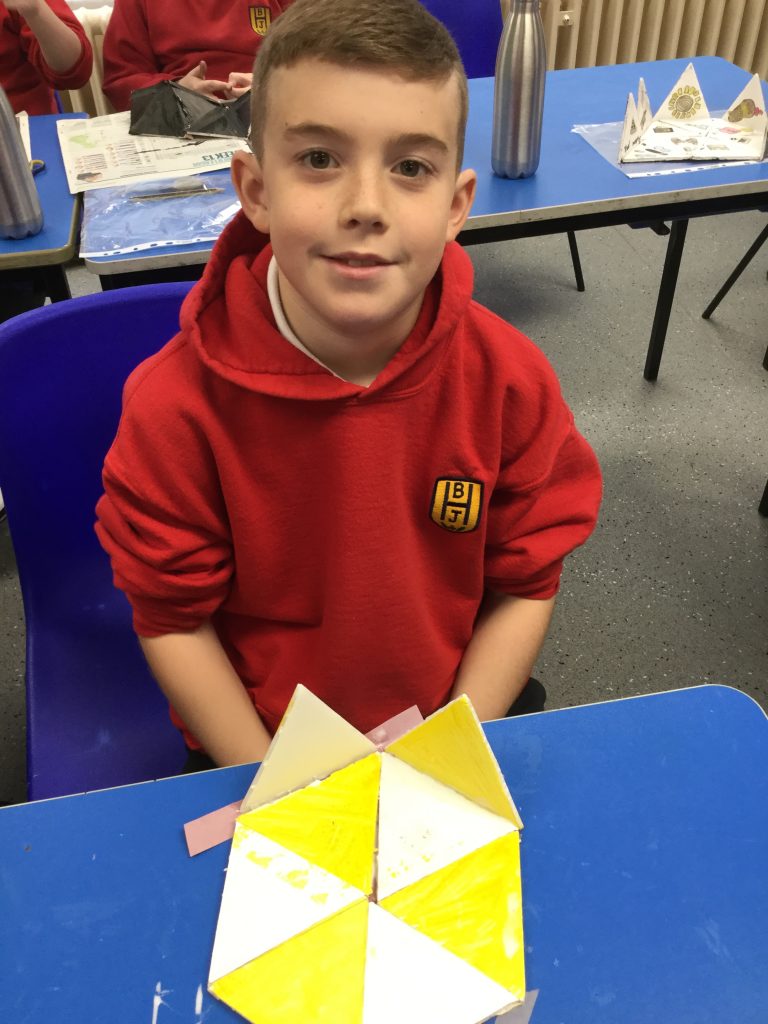
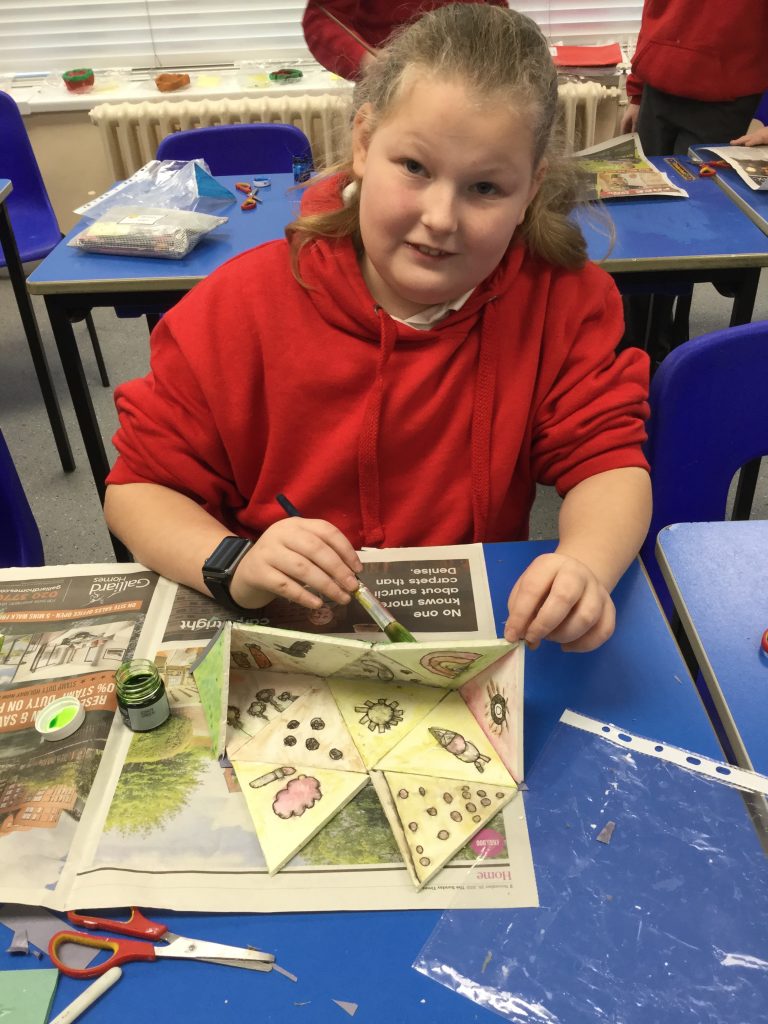
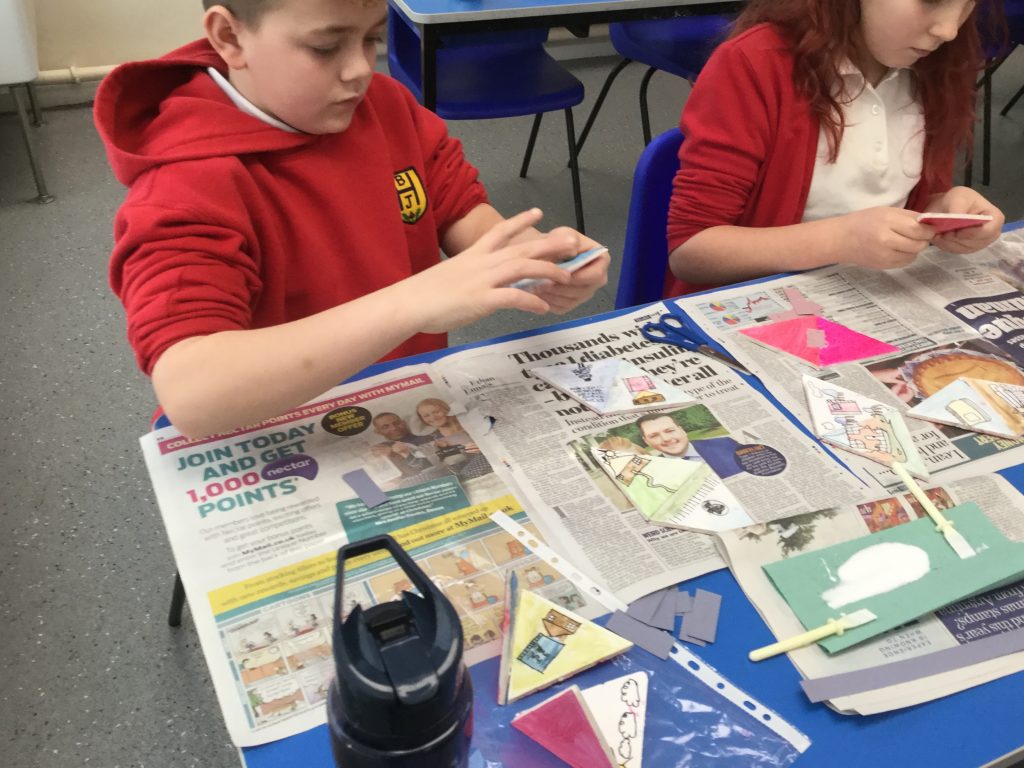
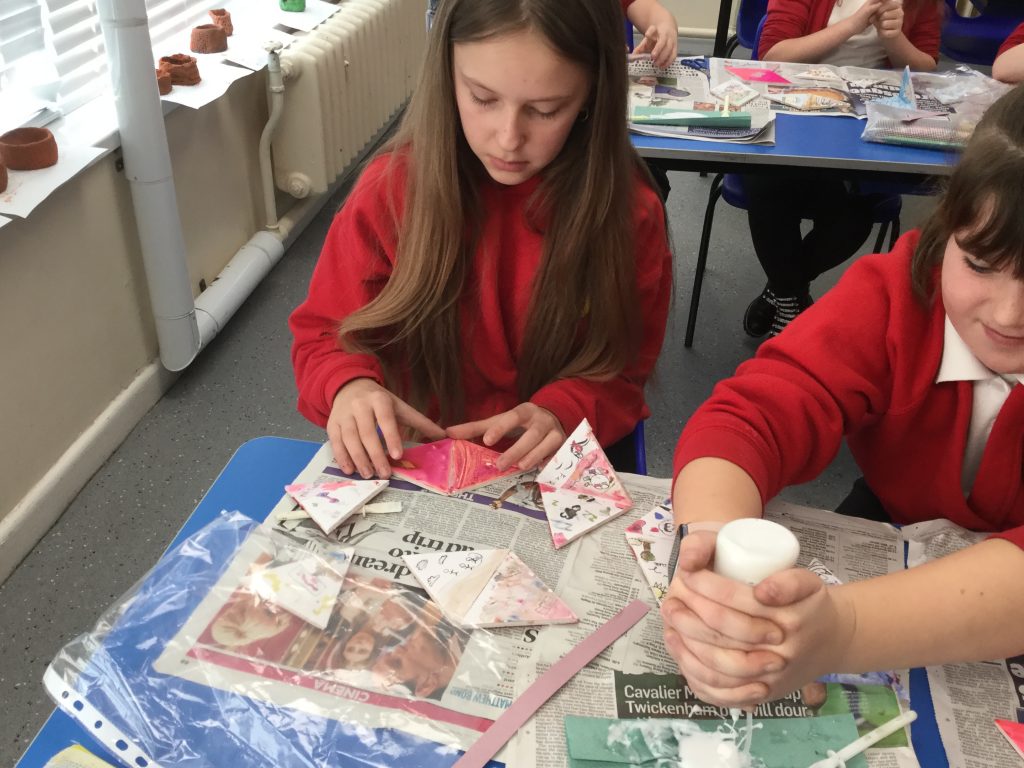
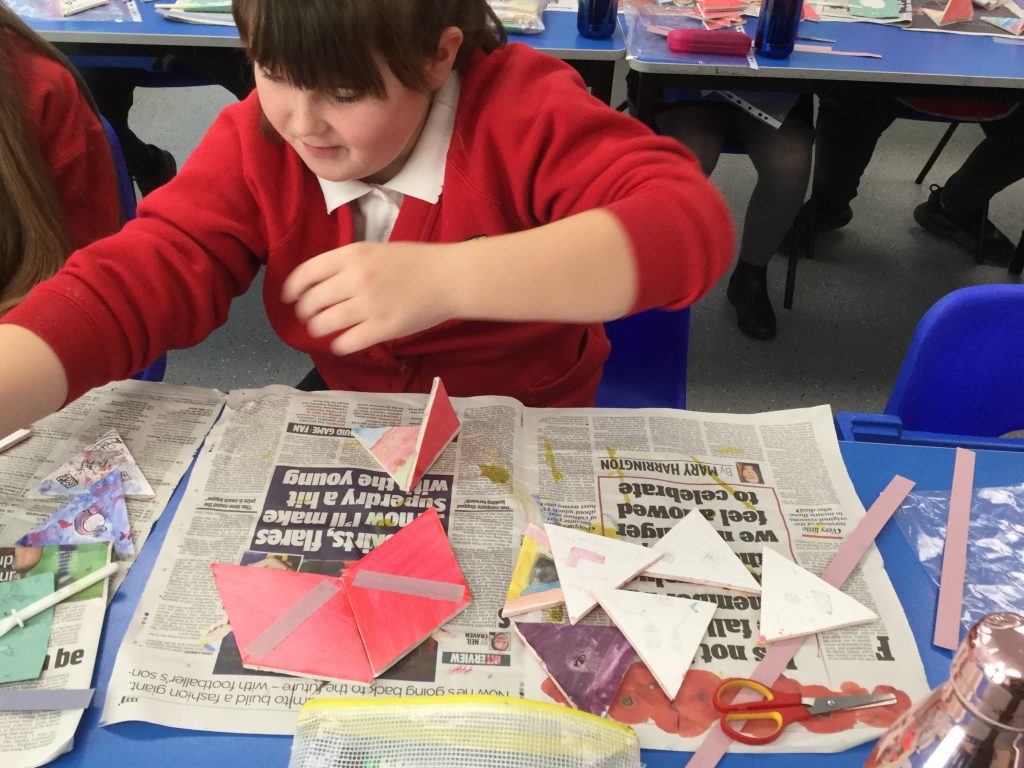
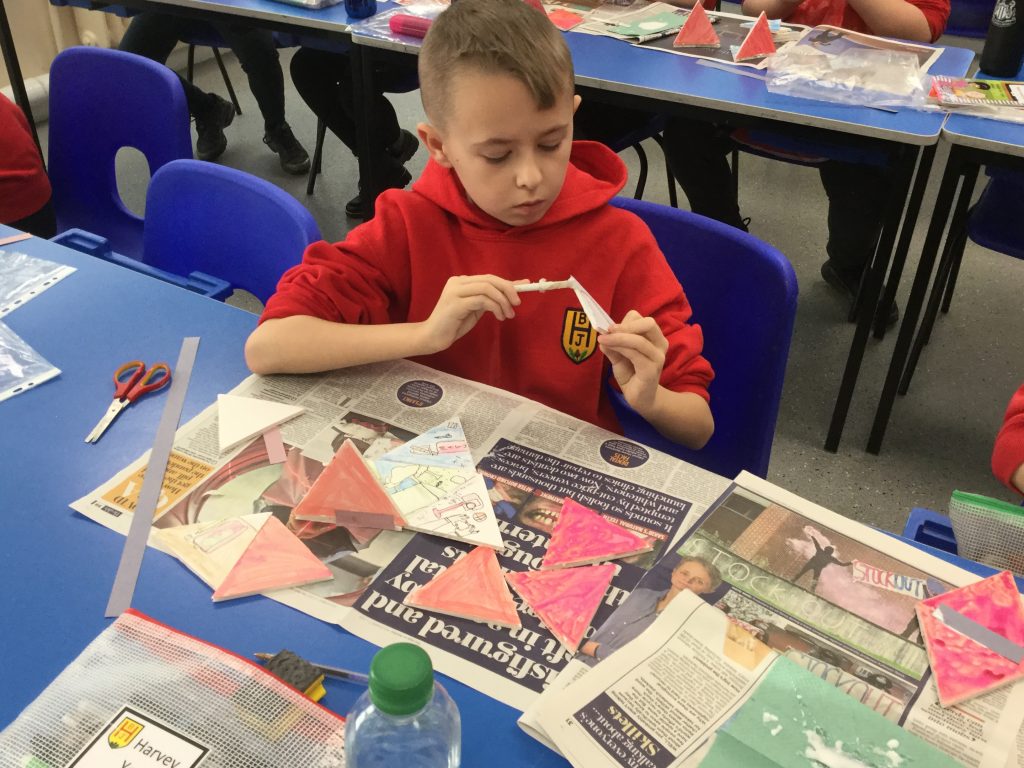
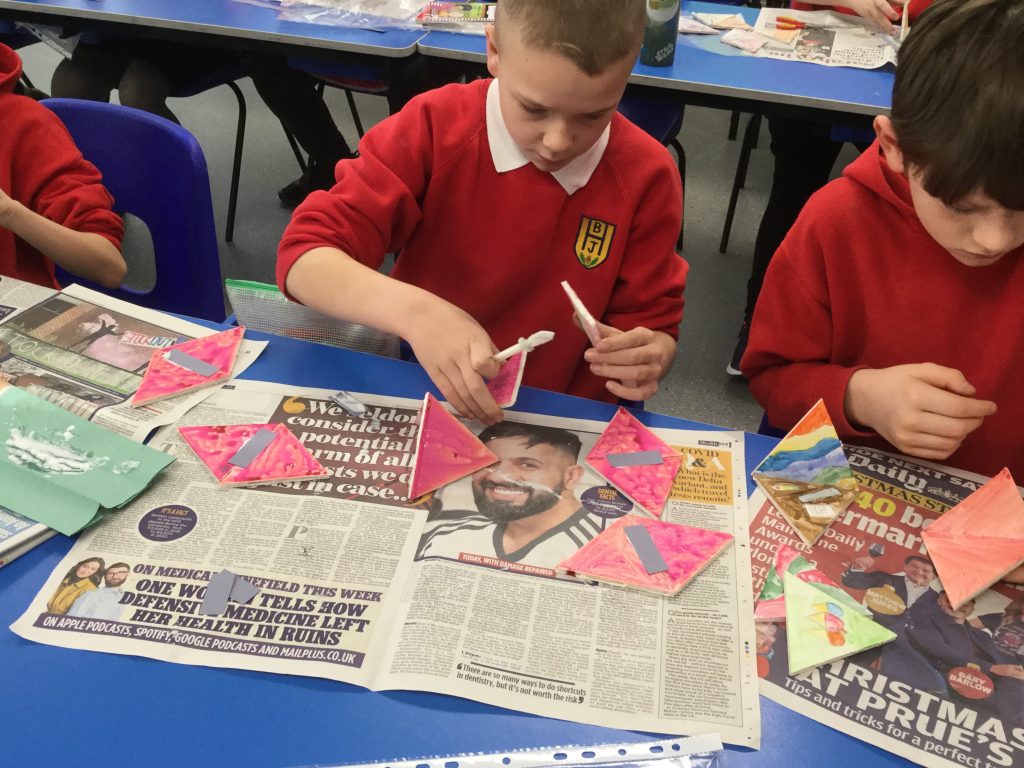
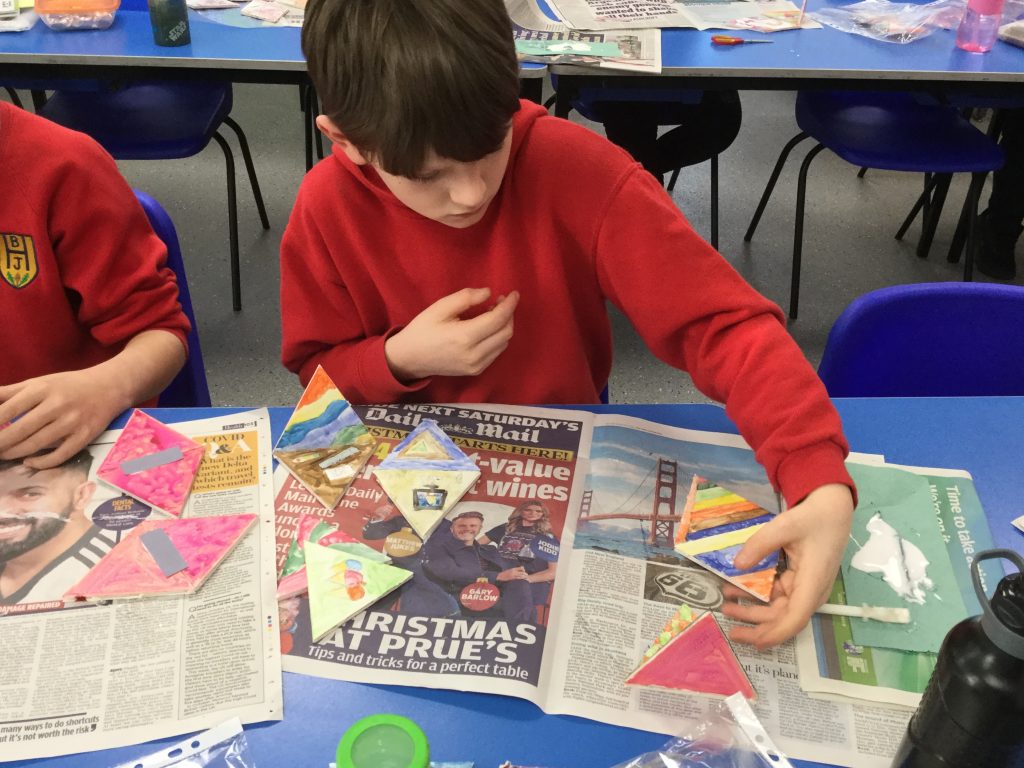
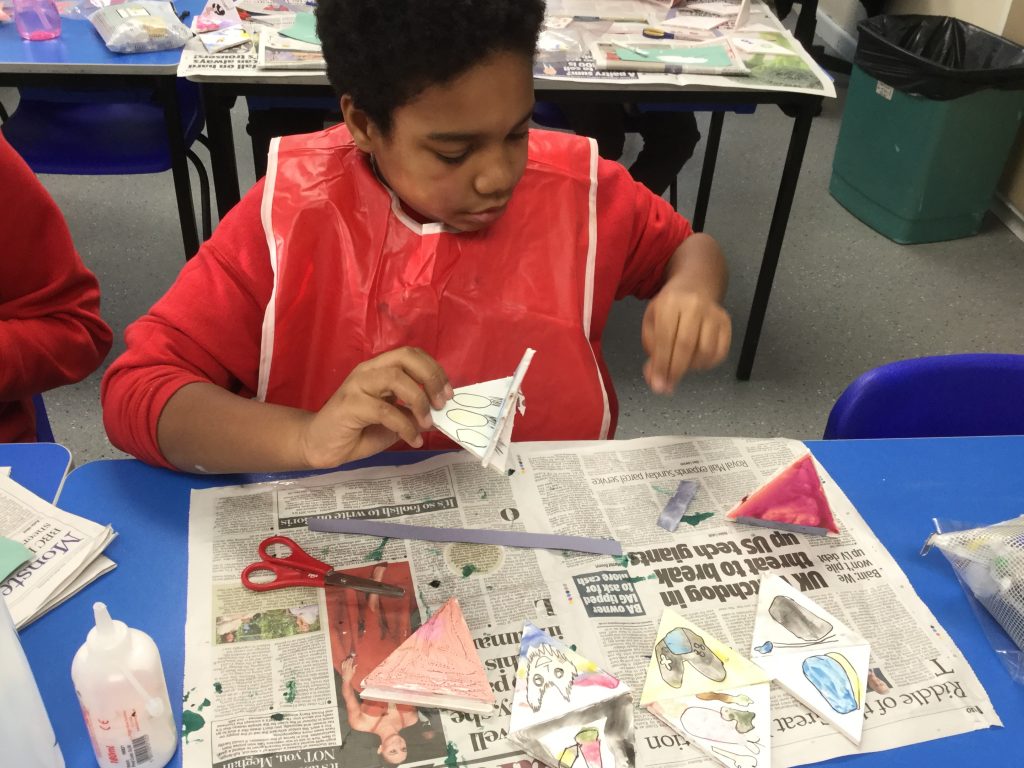
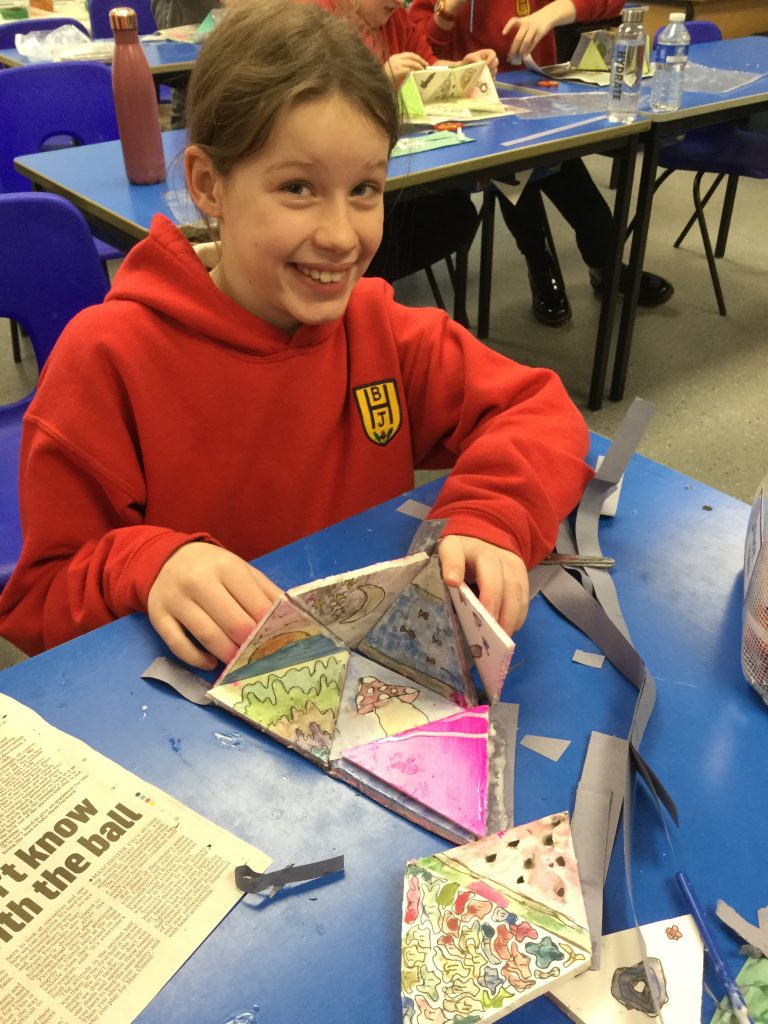
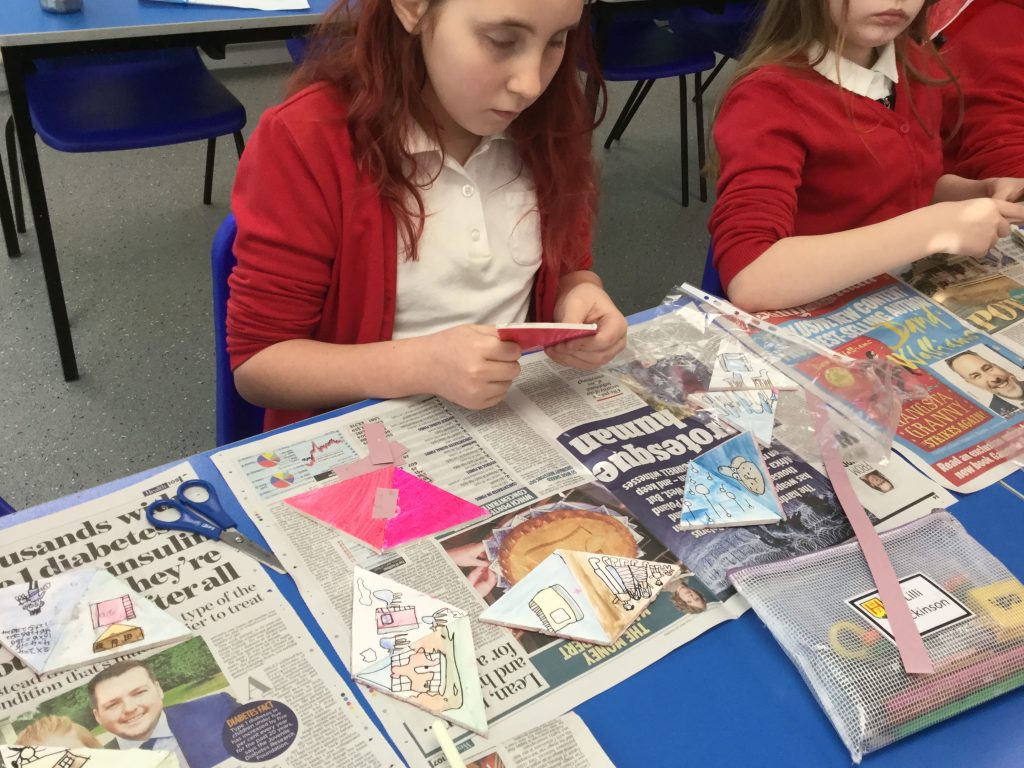
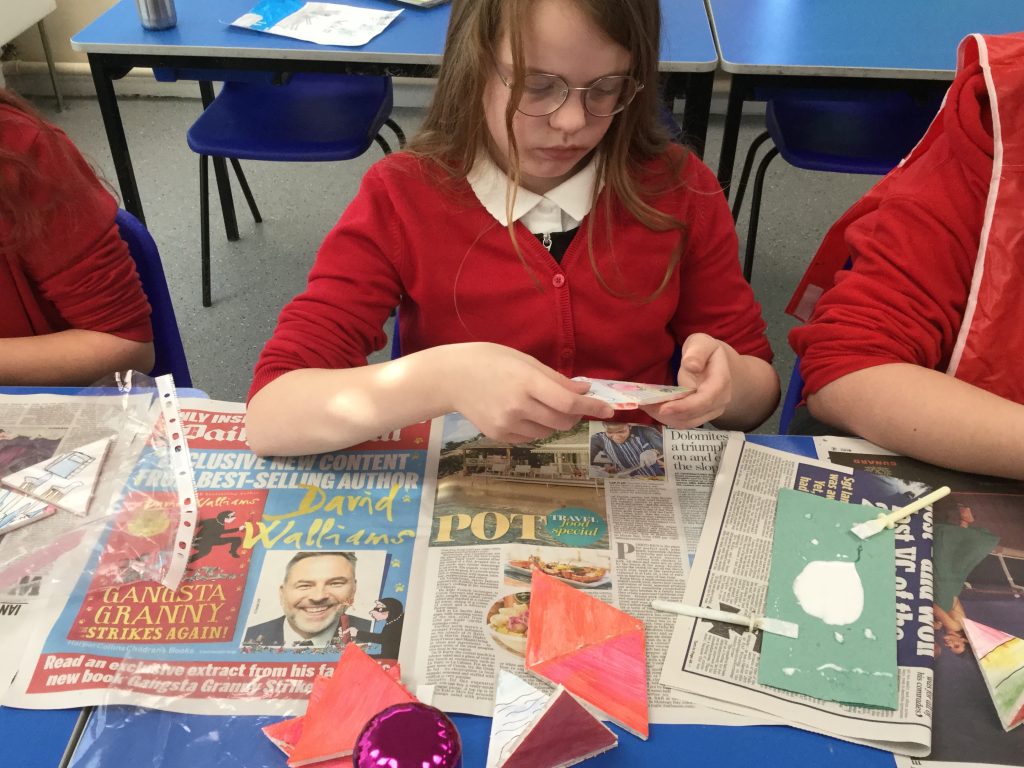
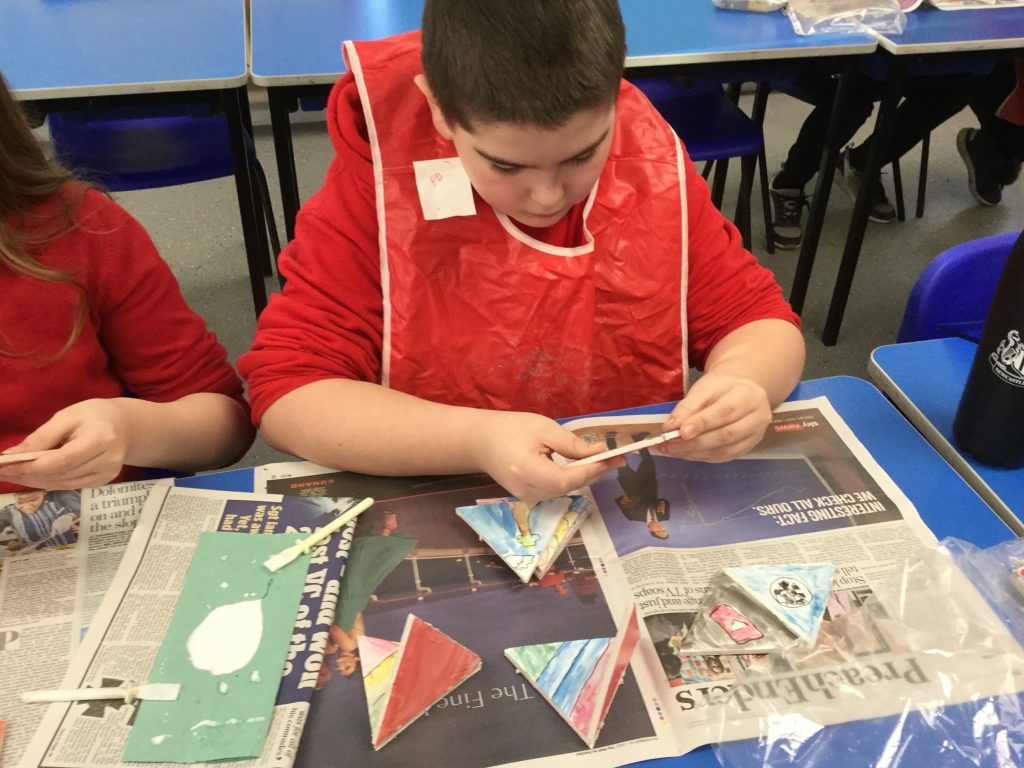
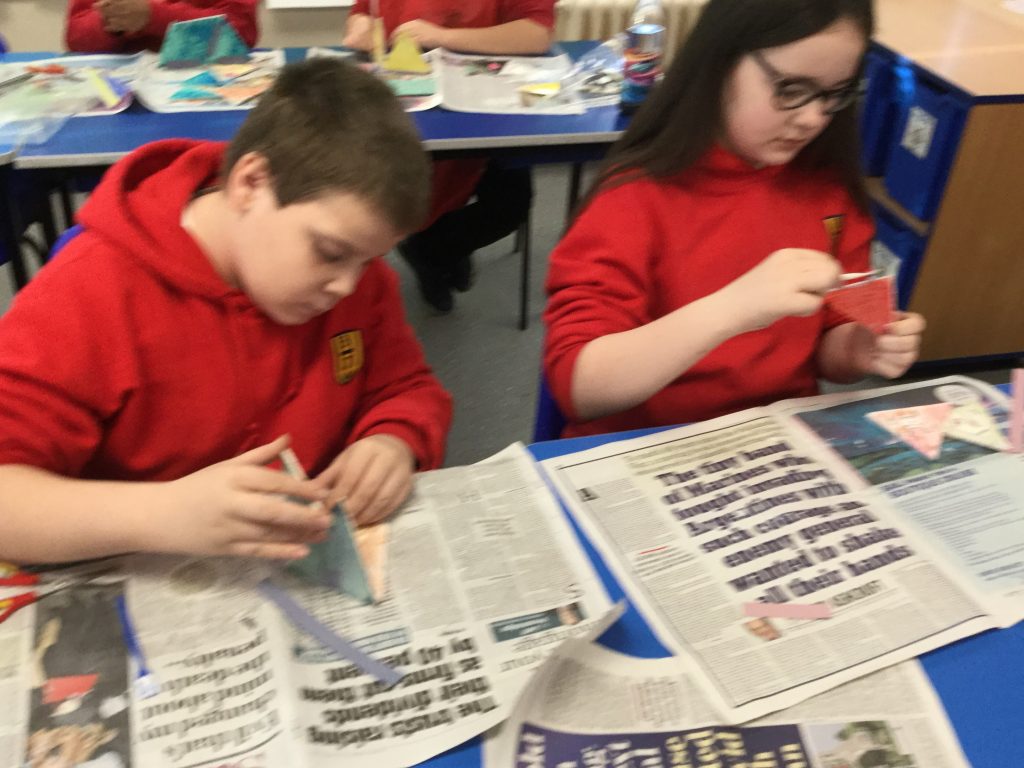
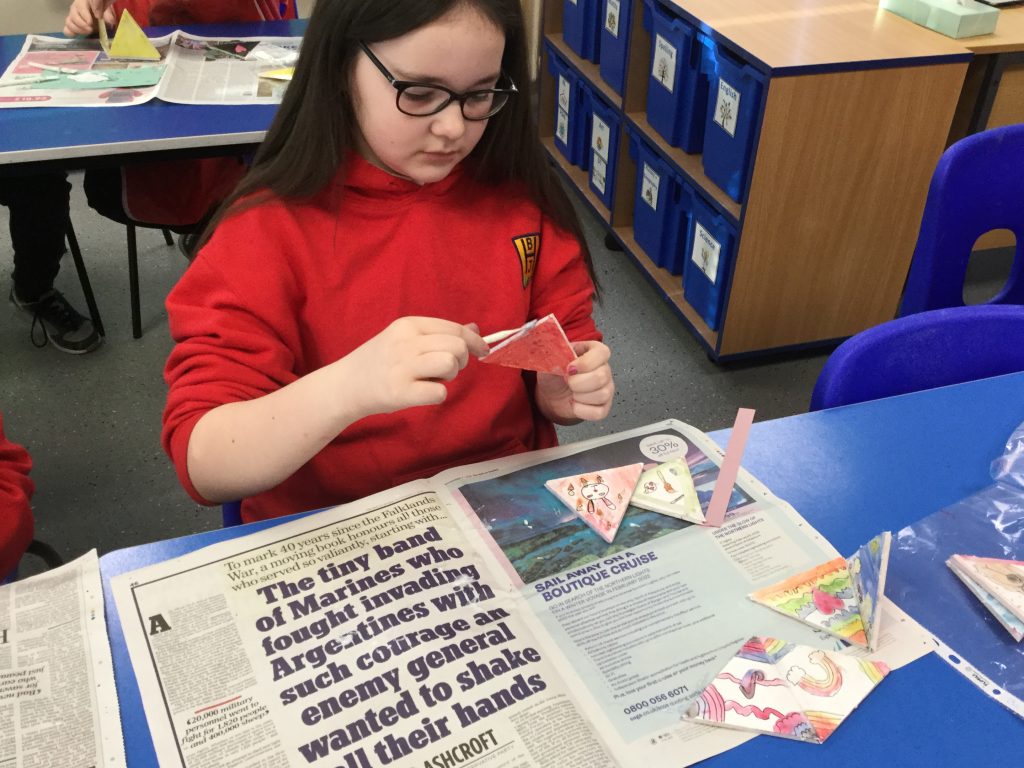
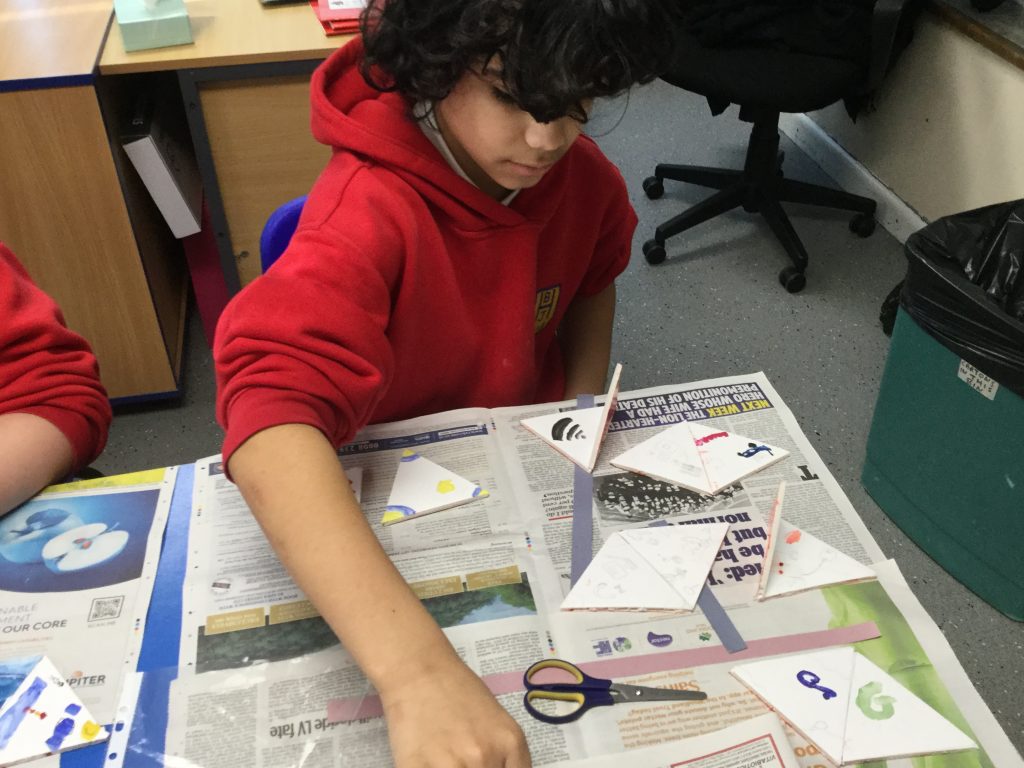
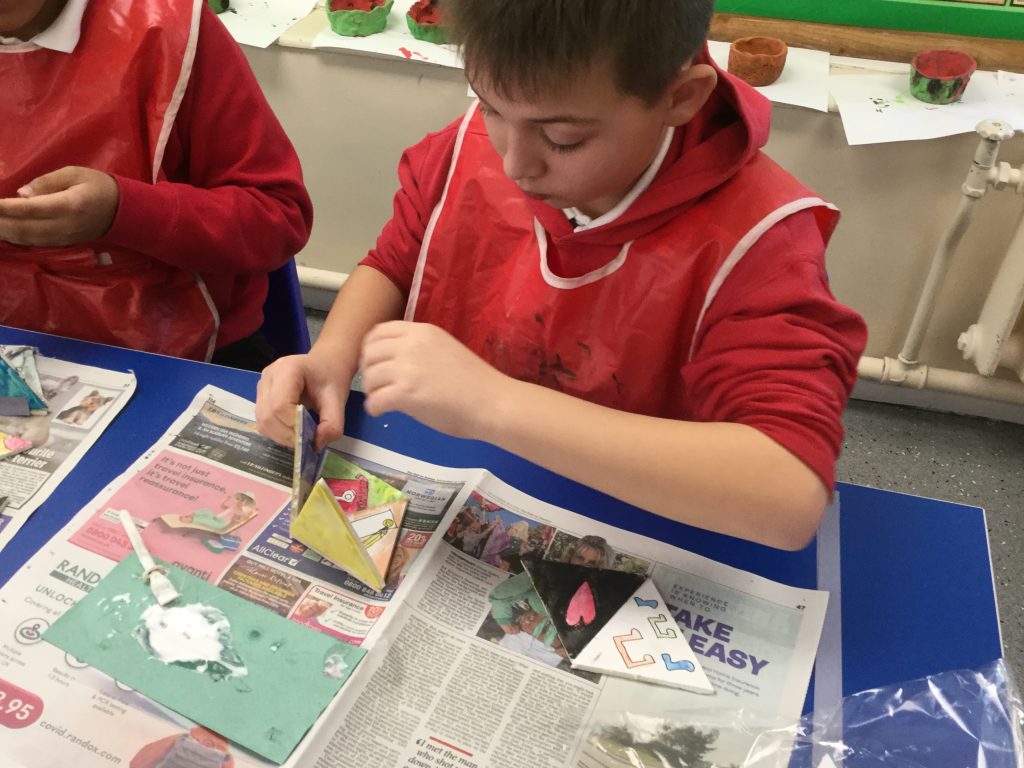
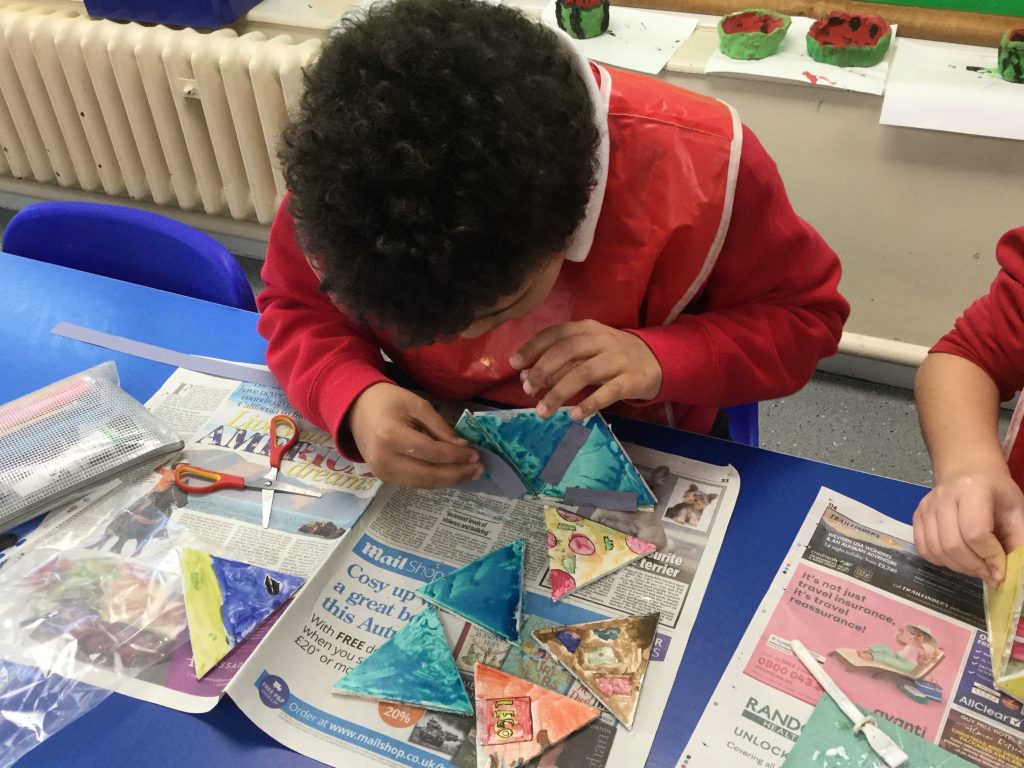
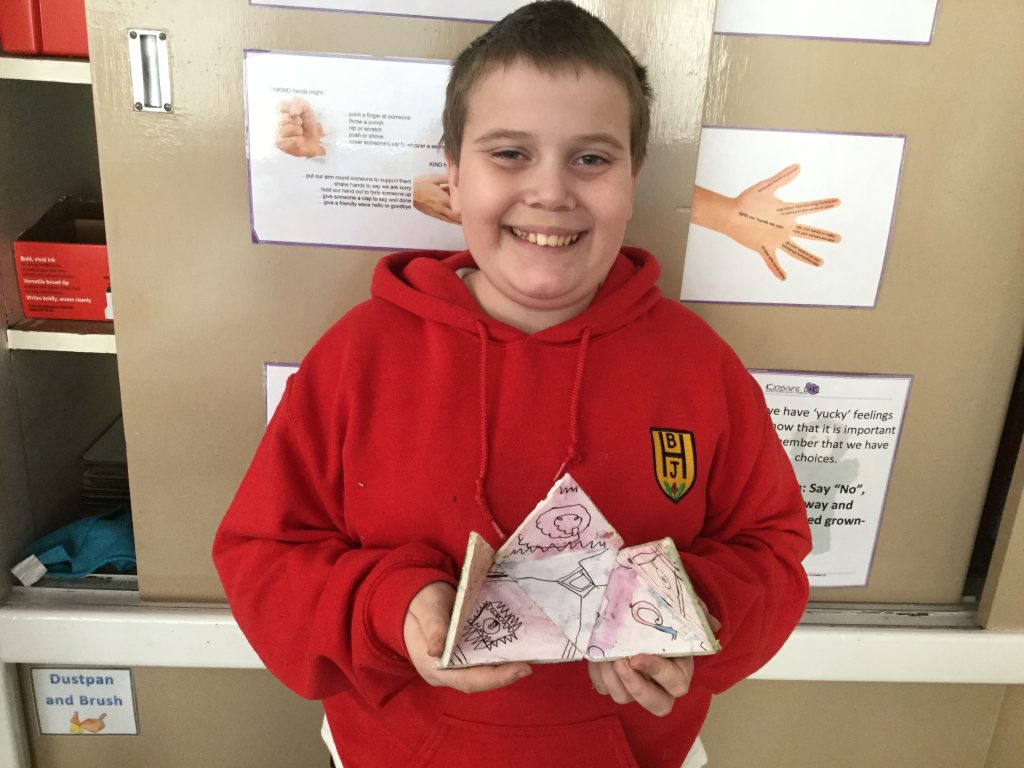
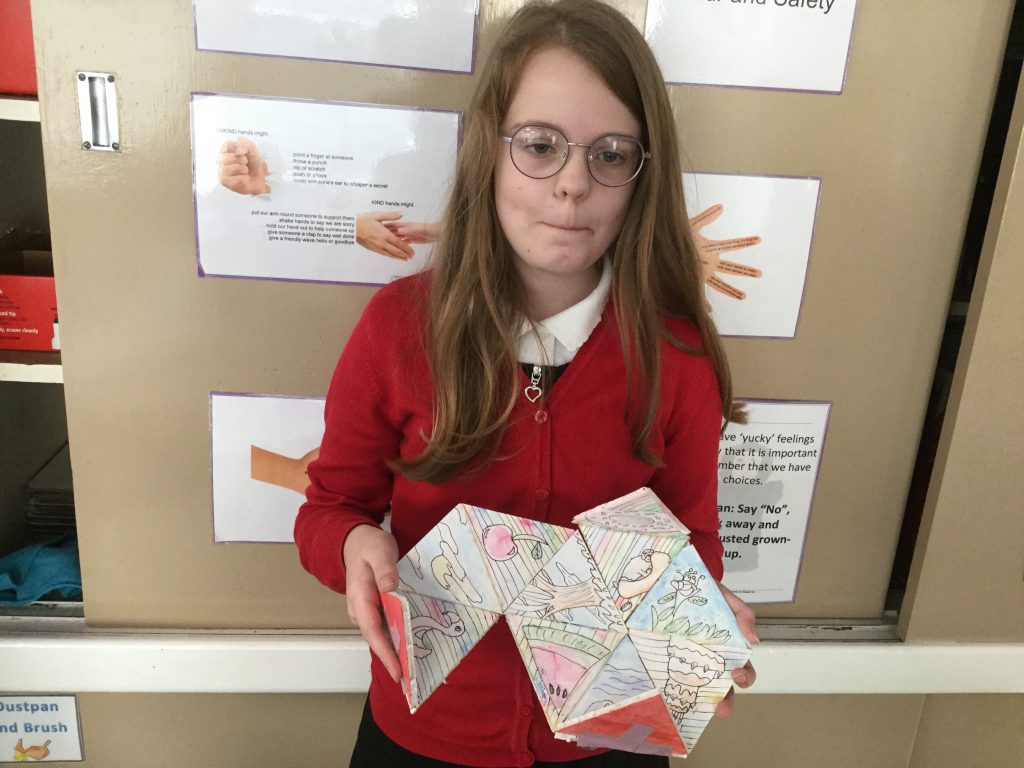
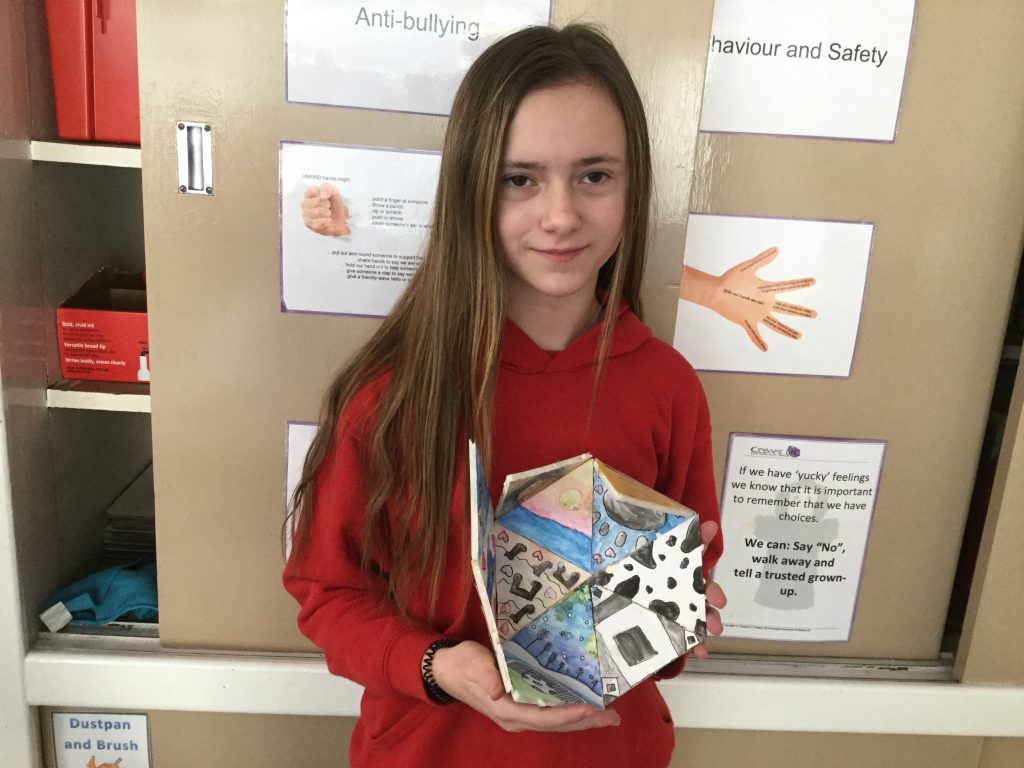
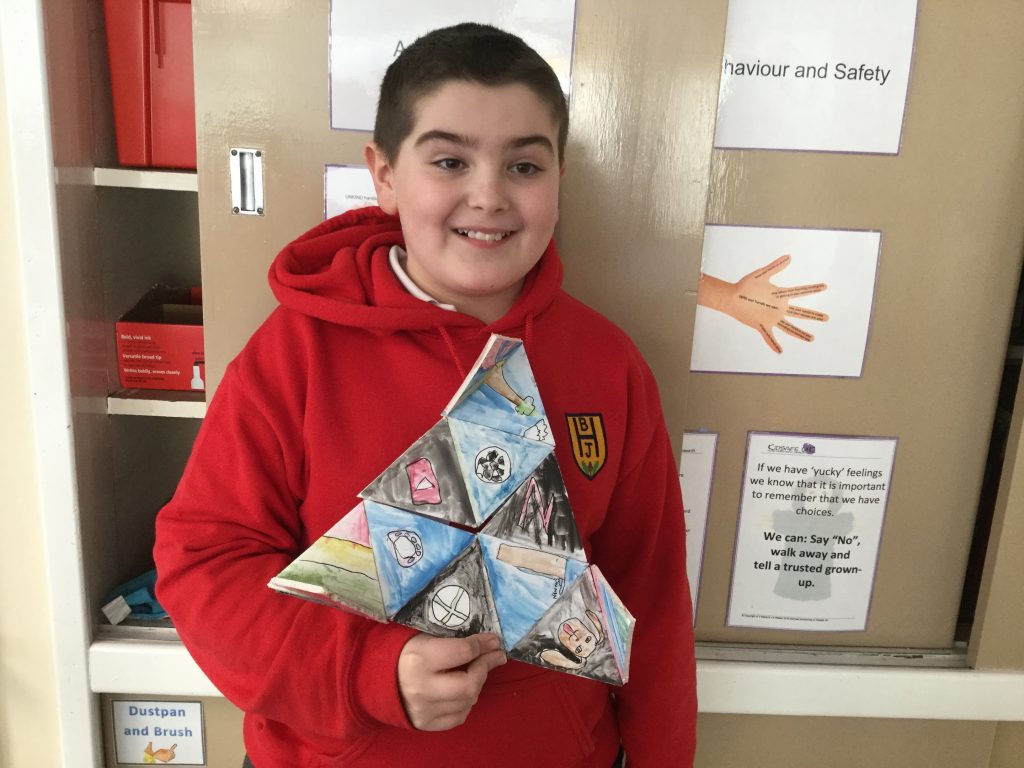
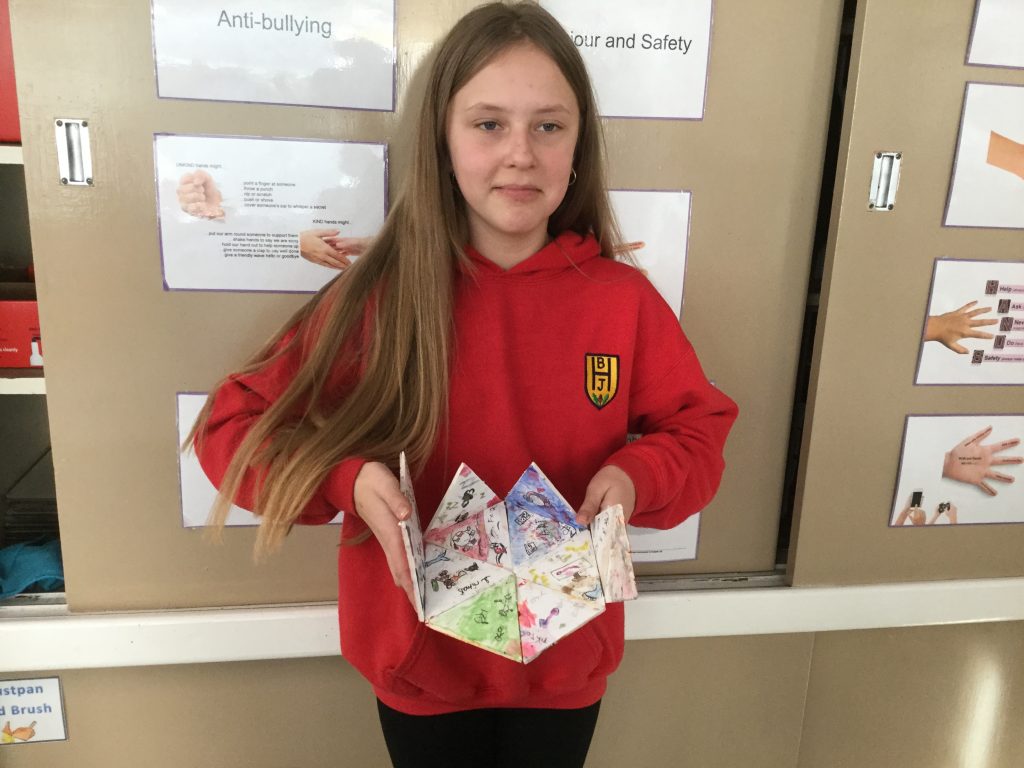
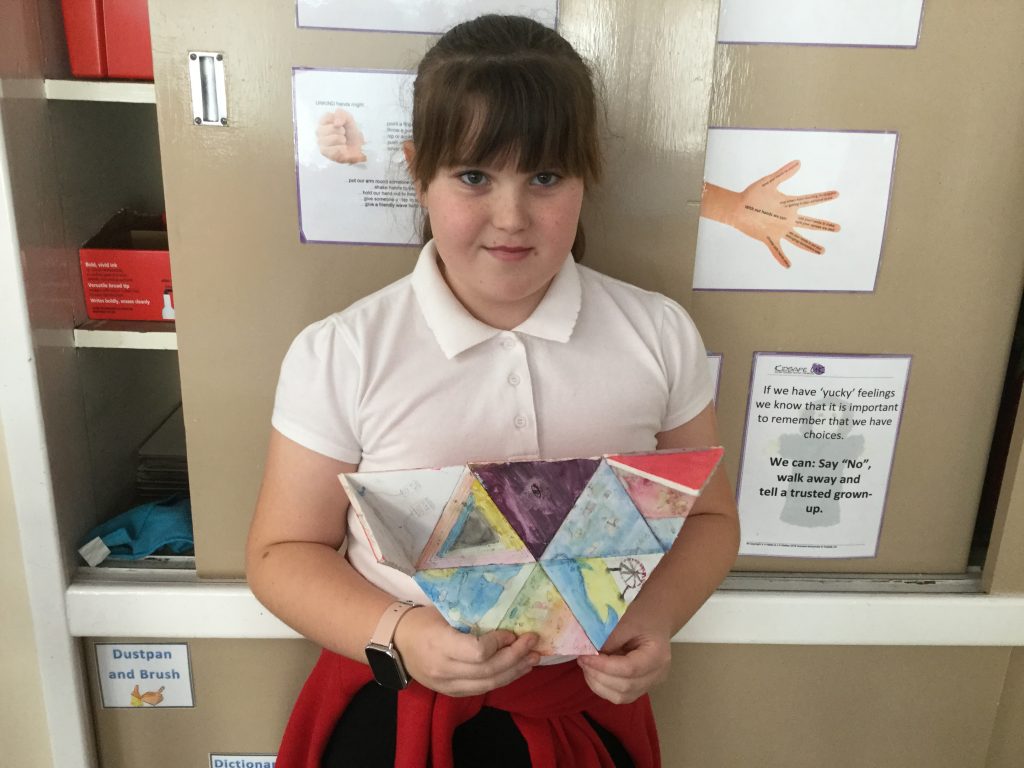
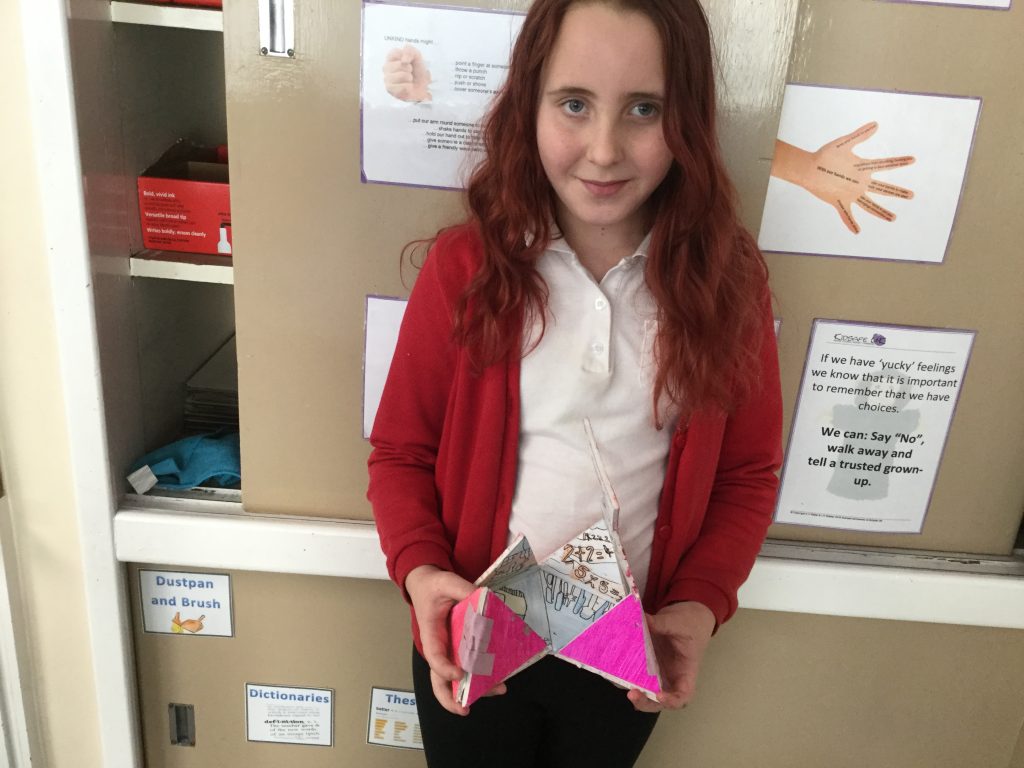
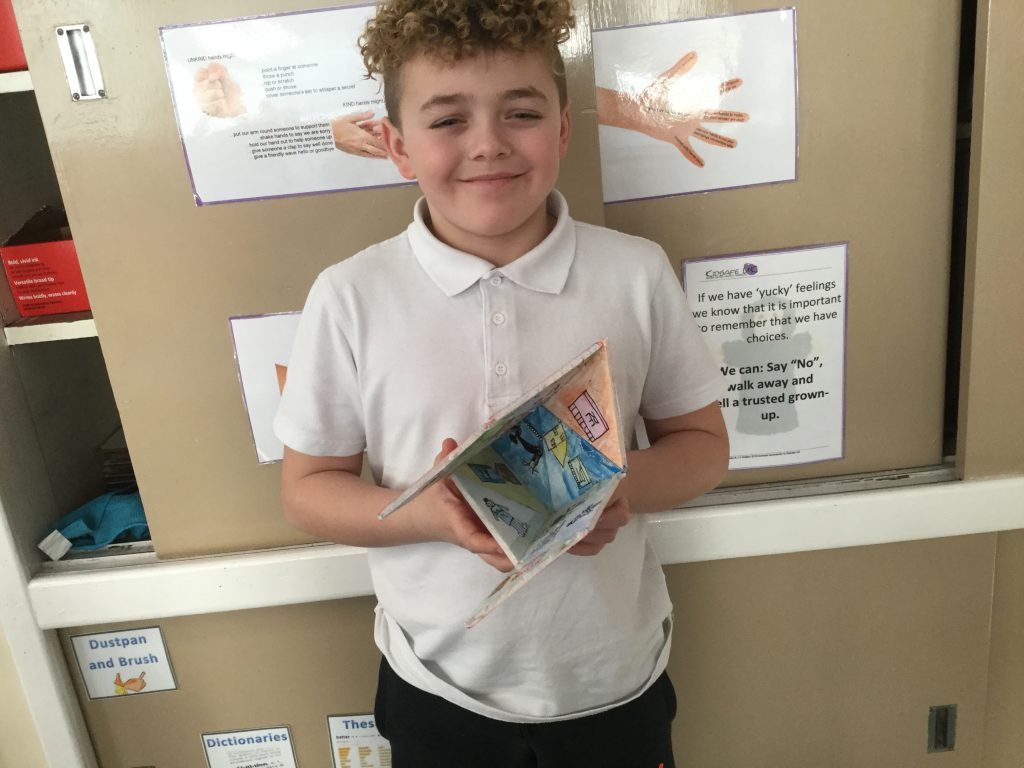
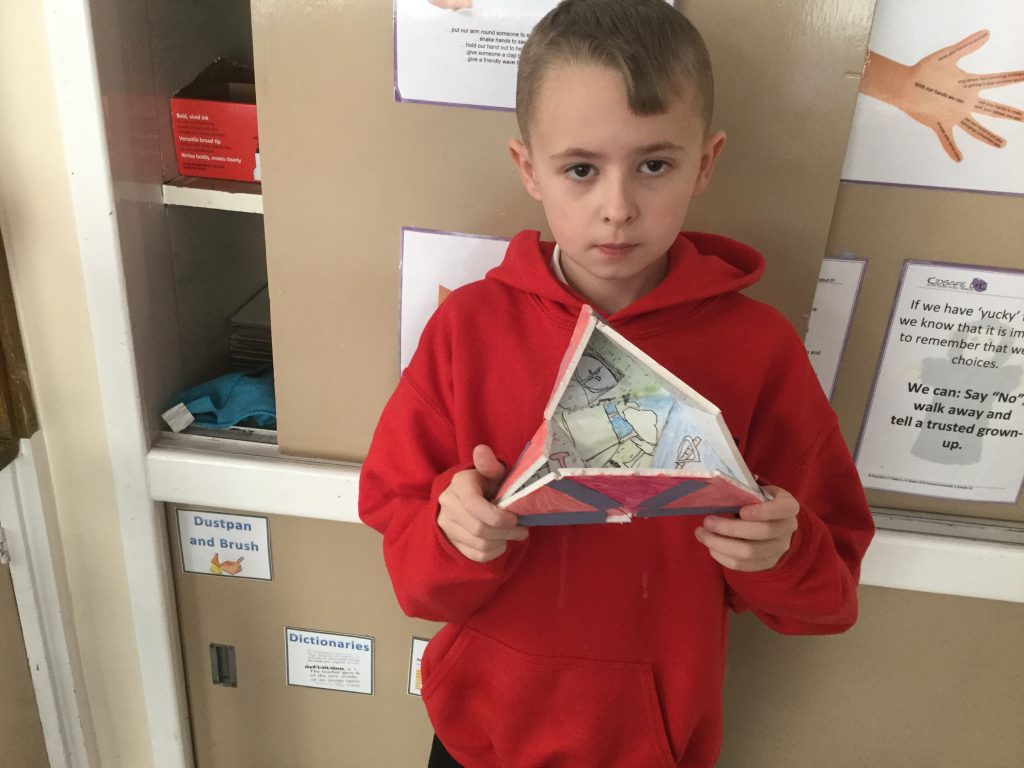
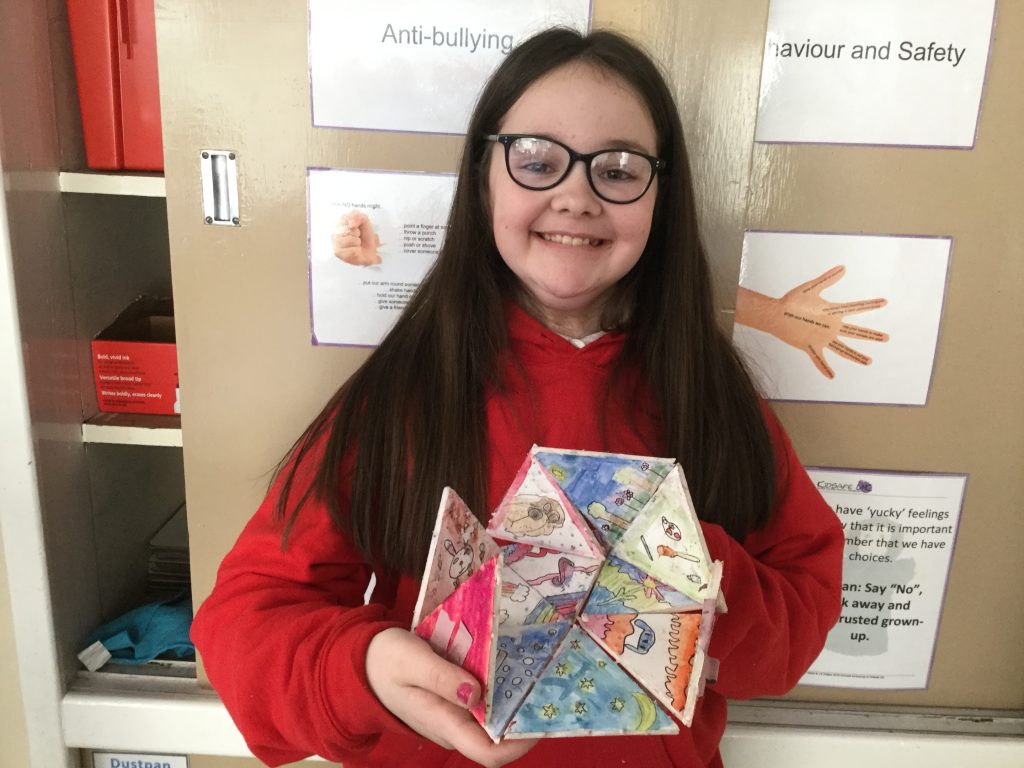
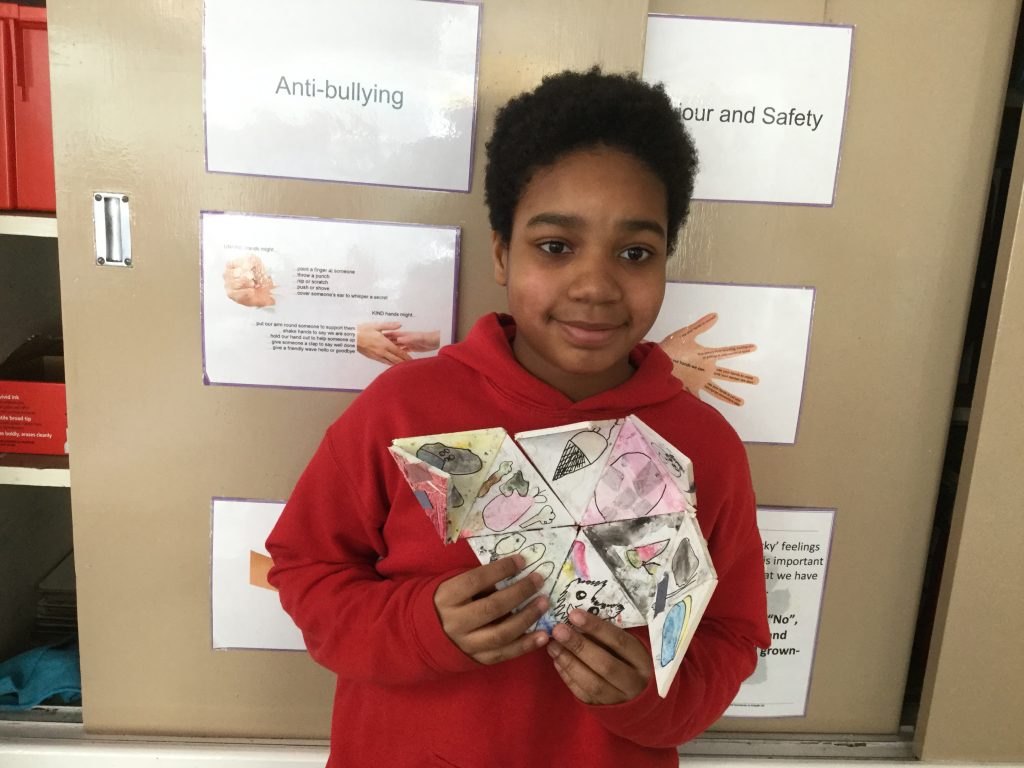
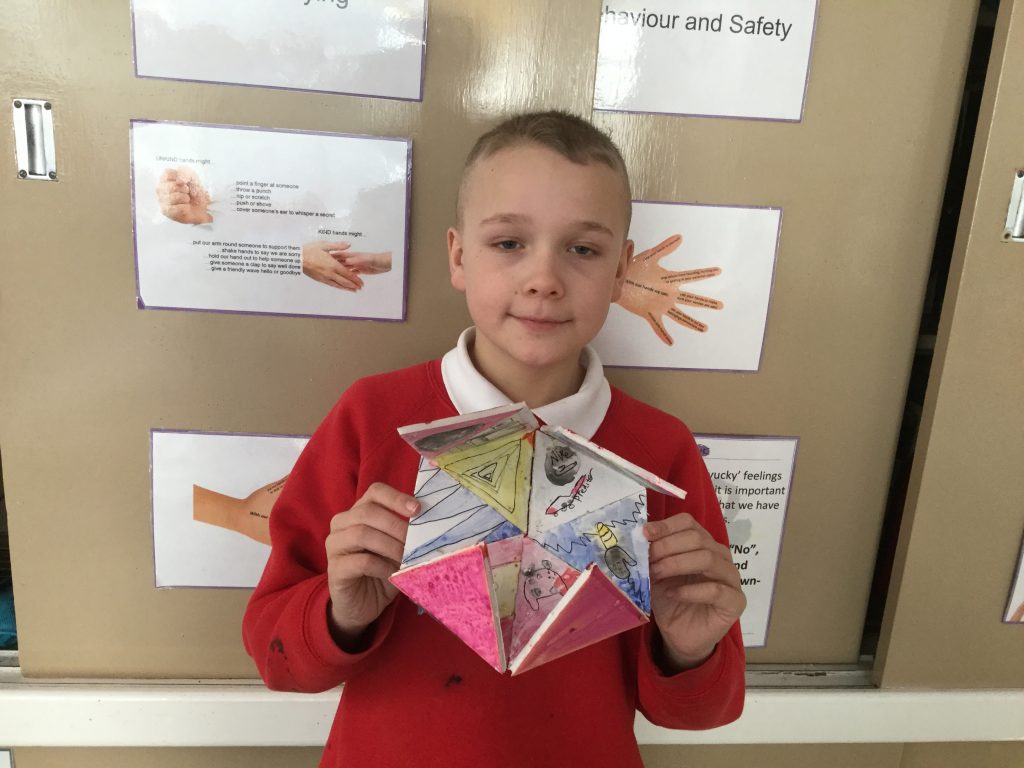
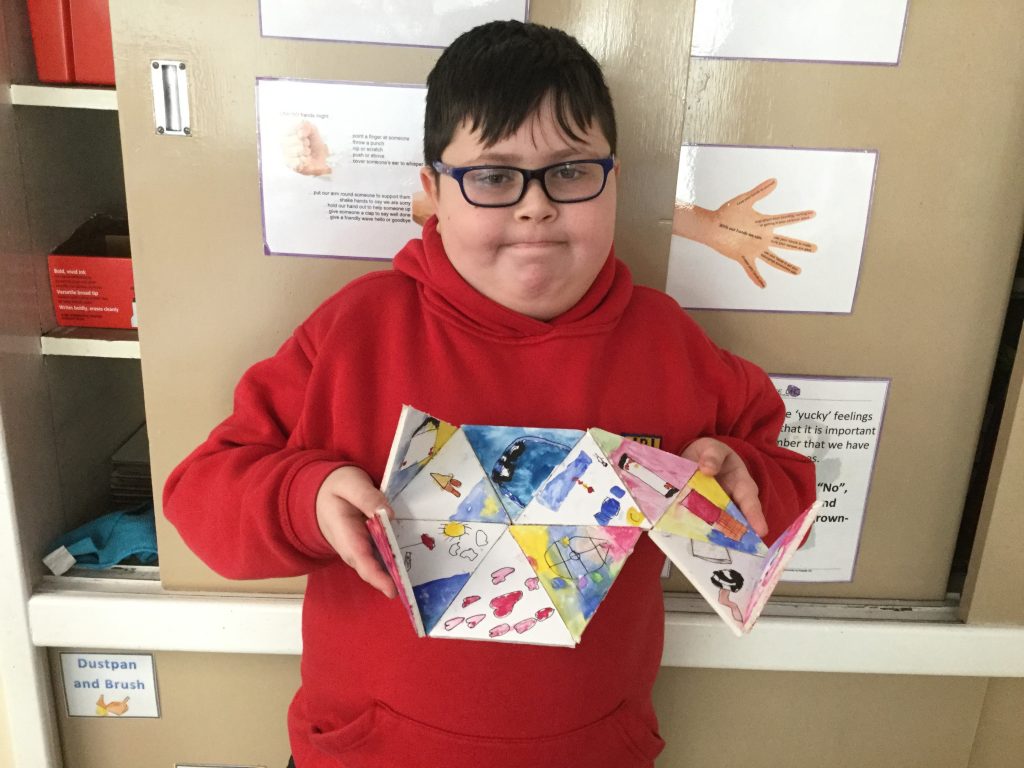
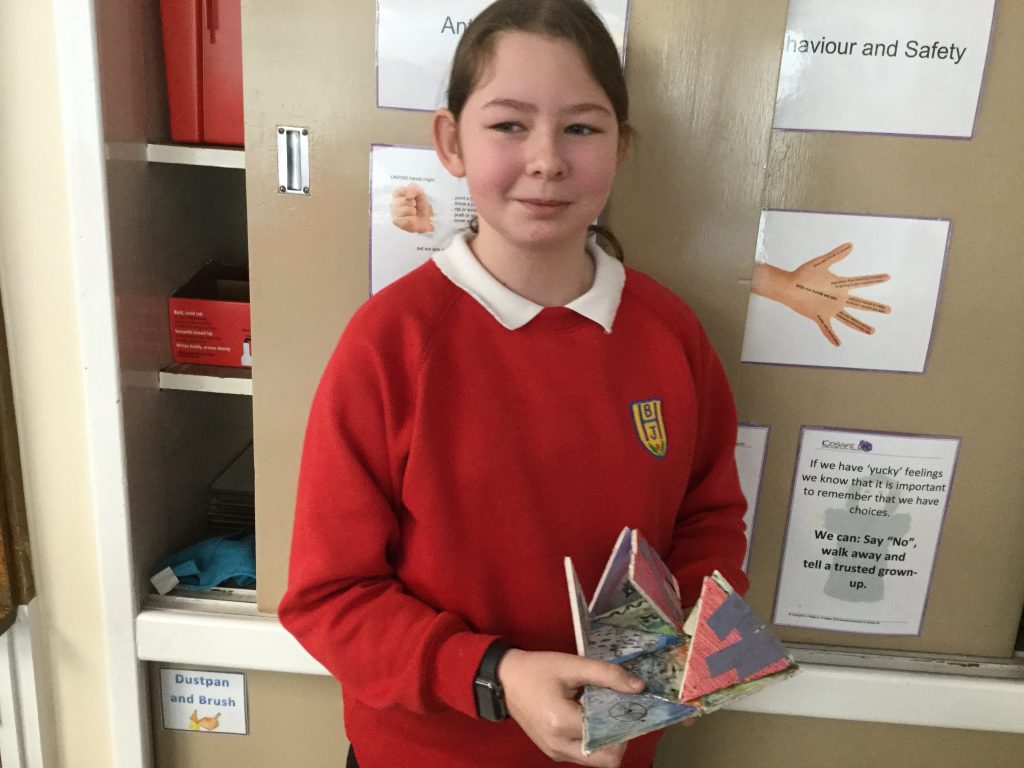
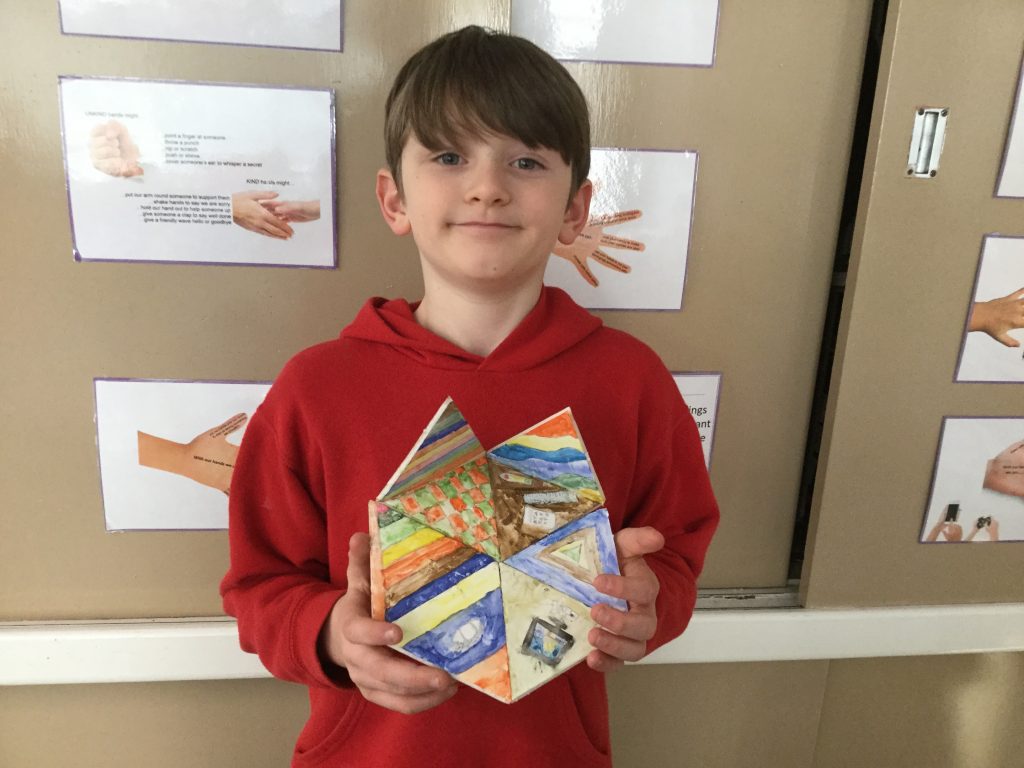
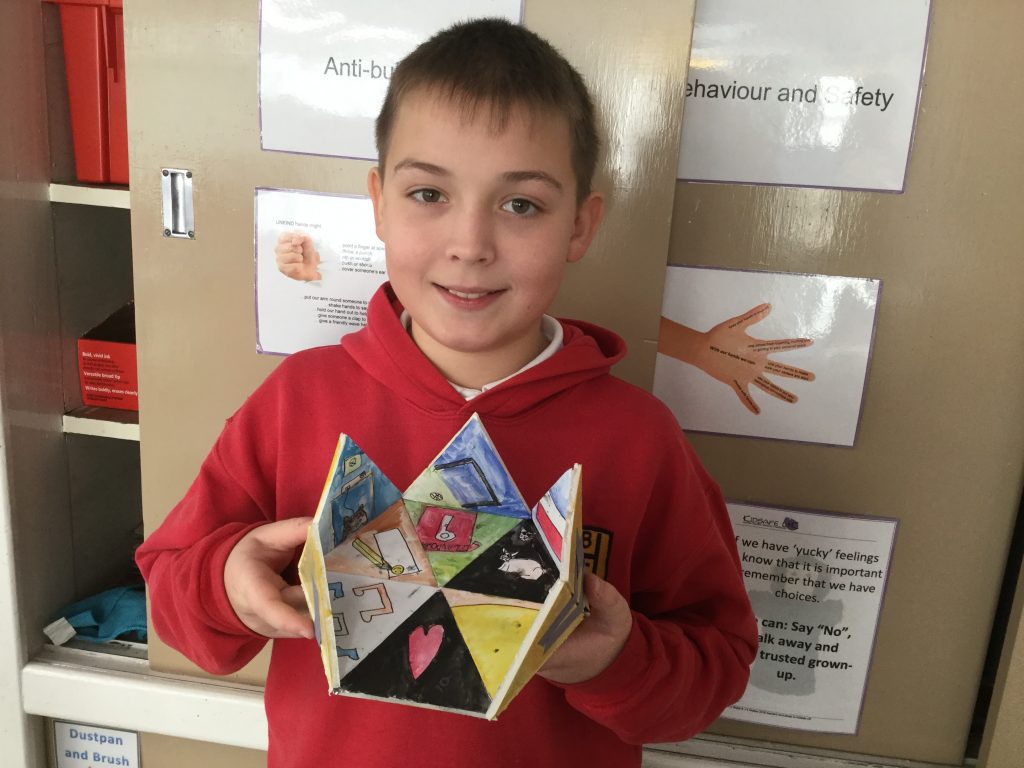
During Creative Week, we made Wave Bowls in year 6. These are funky and creative vessels that used triangular shaped foam board. One side was painted with a block colour of ink and the other side displayed a watercolour picture that was firstly drawn with a fine liner and portrayed an aspect of our unique personality. Using sugar paper to join the triangles with glue, we created individual shaped bowls that we think look funky and imaginative and showcase exciting, organic, decorative structures. We also enjoyed looking at the creations of our peers and evaluating and commenting on their work through analysis and comments that linked to the bowls – for e.g. neat joins, well drawn illustrations, good brush work when using ink etc.
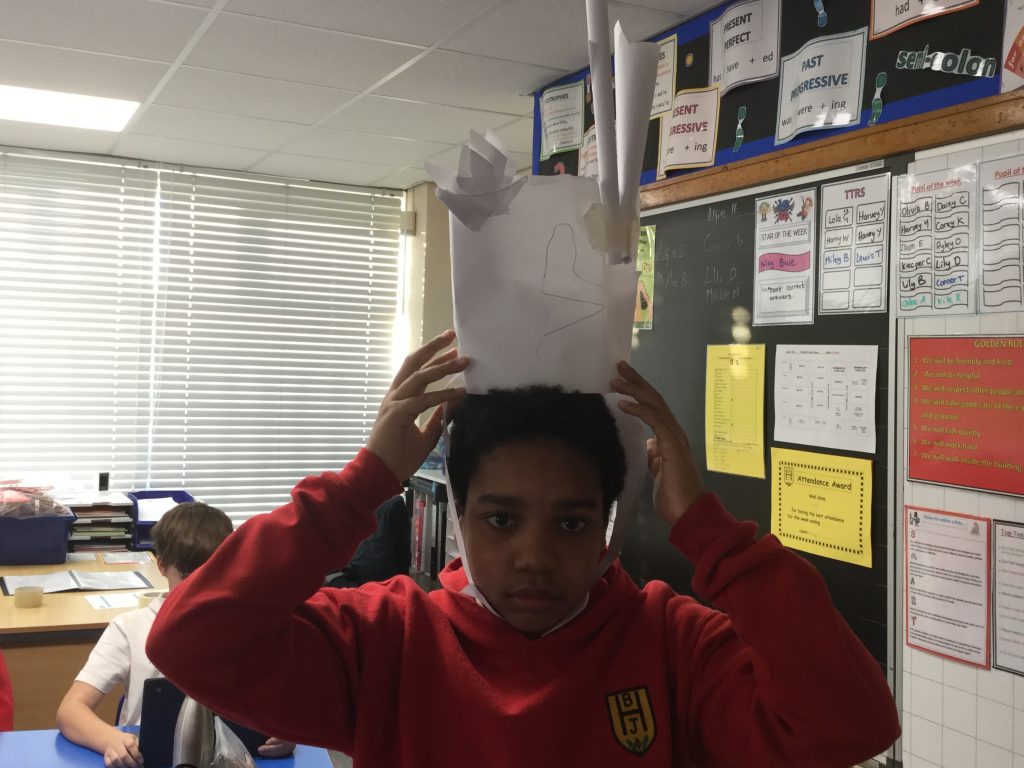
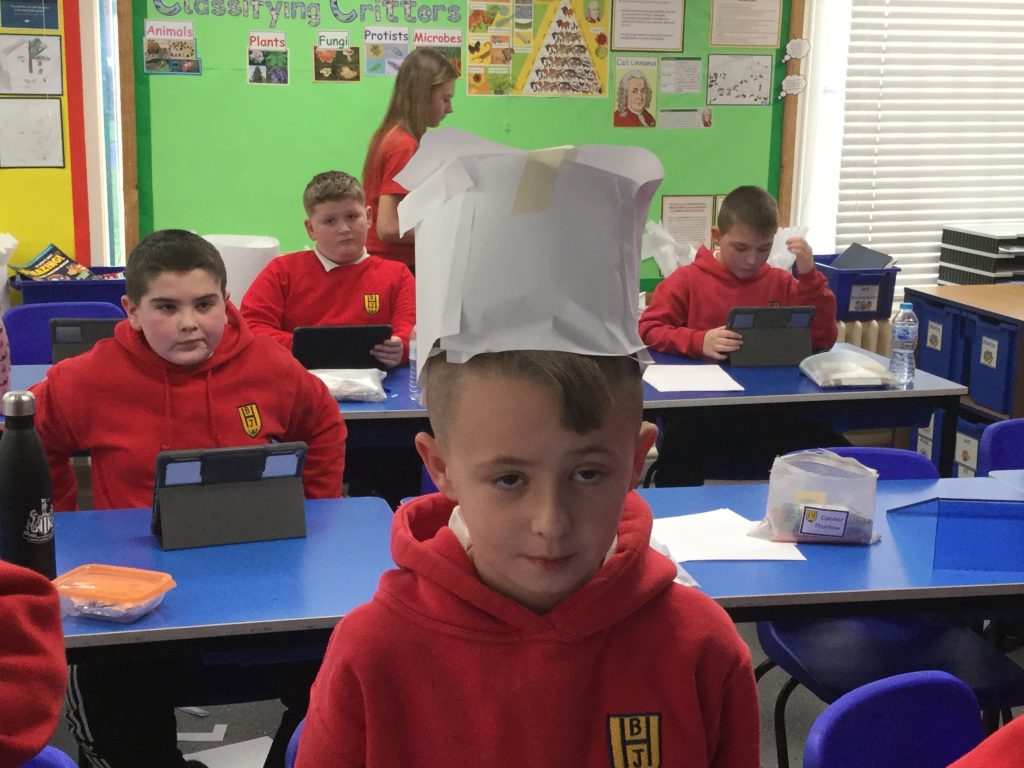
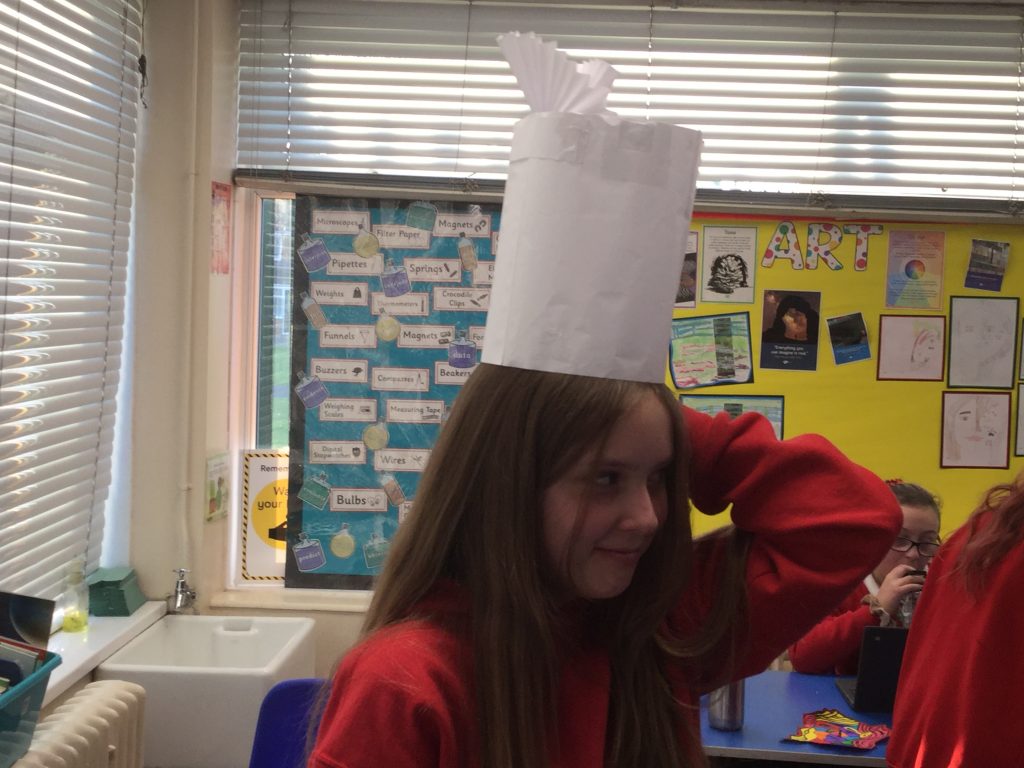
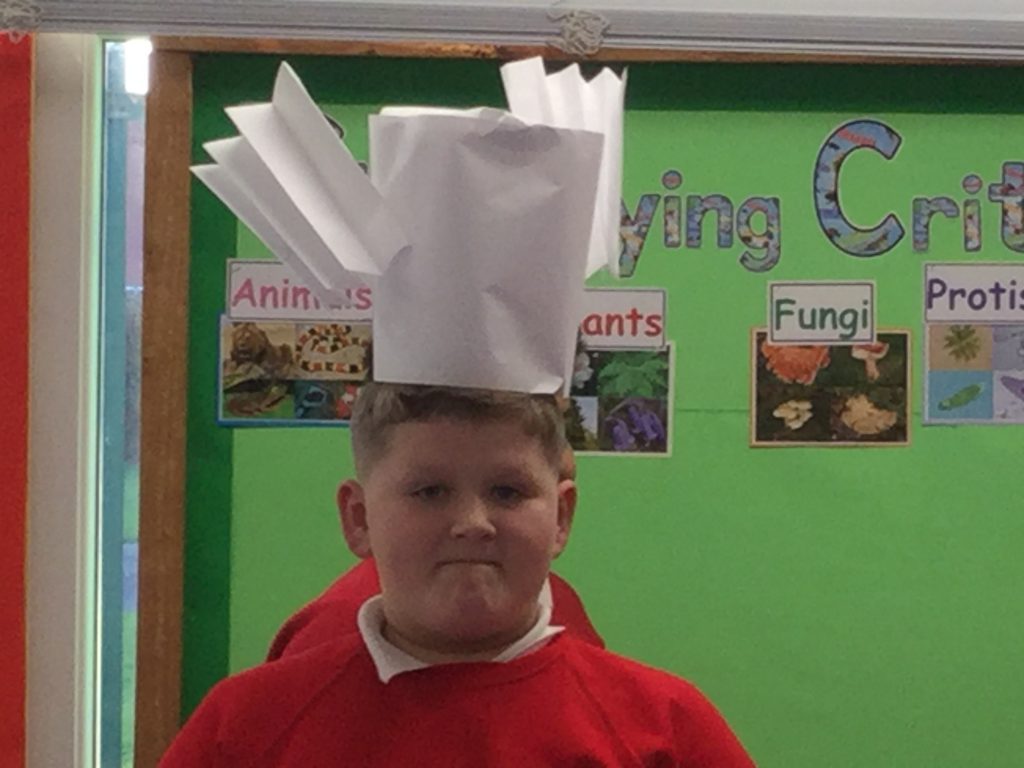
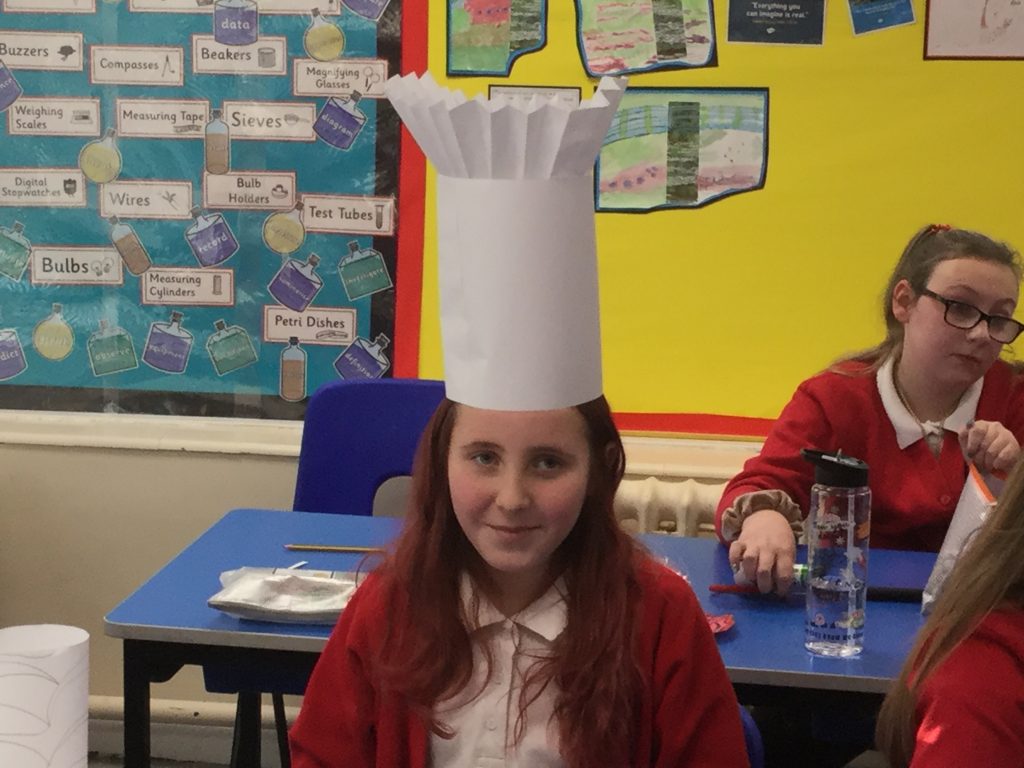
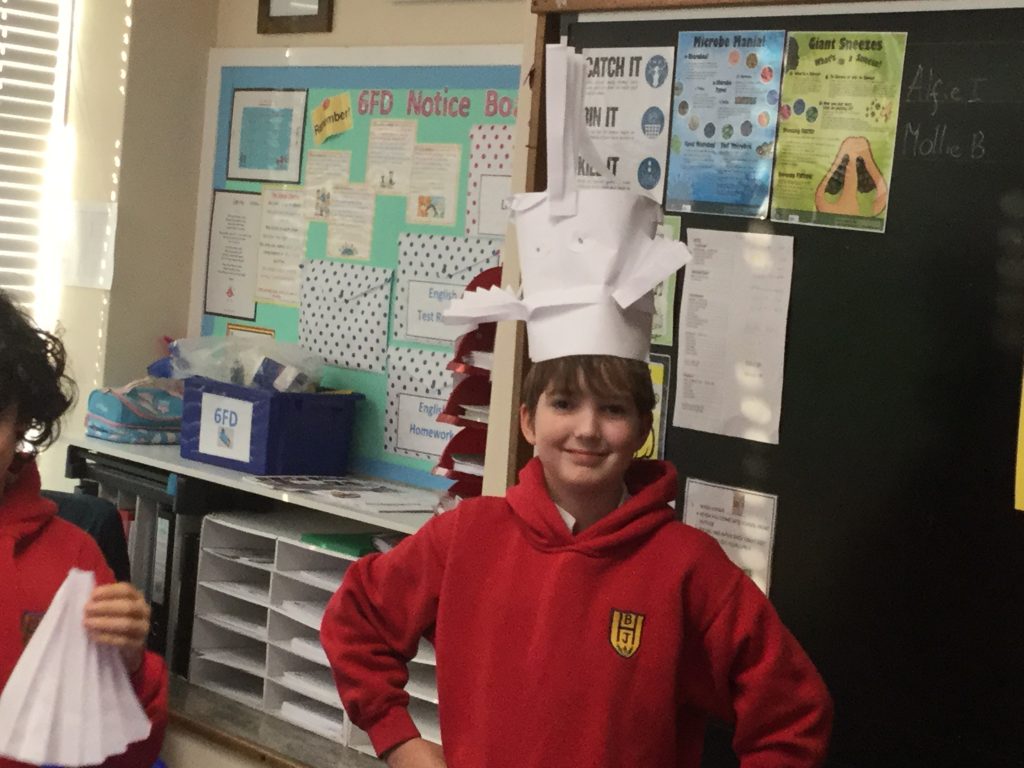
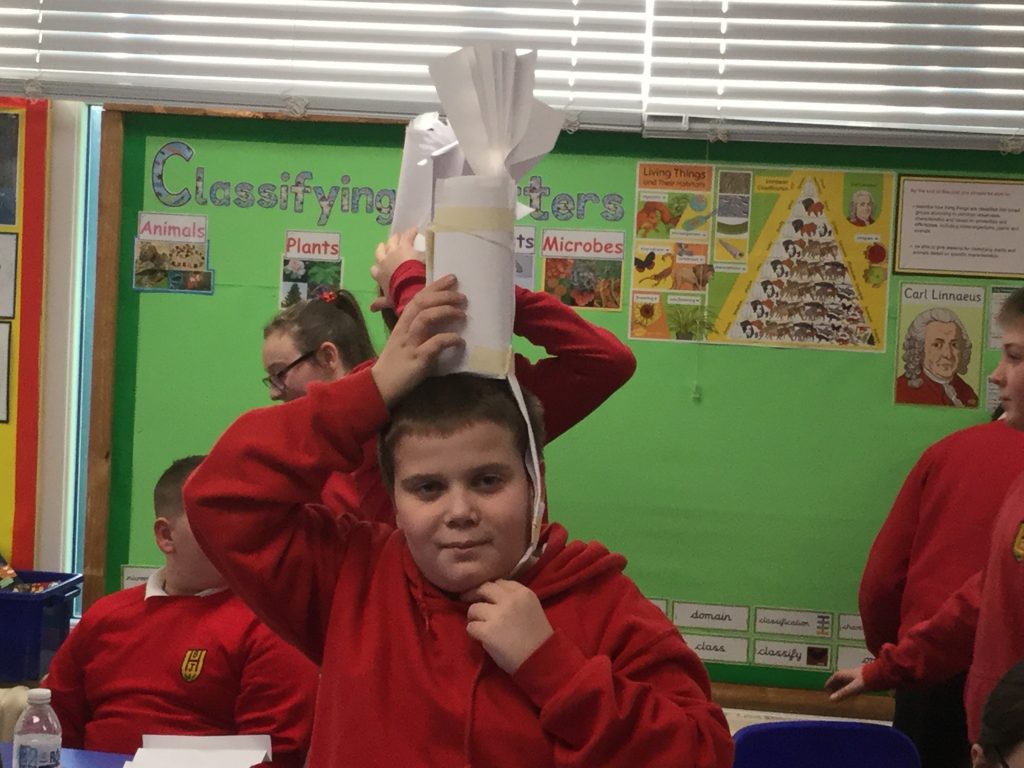
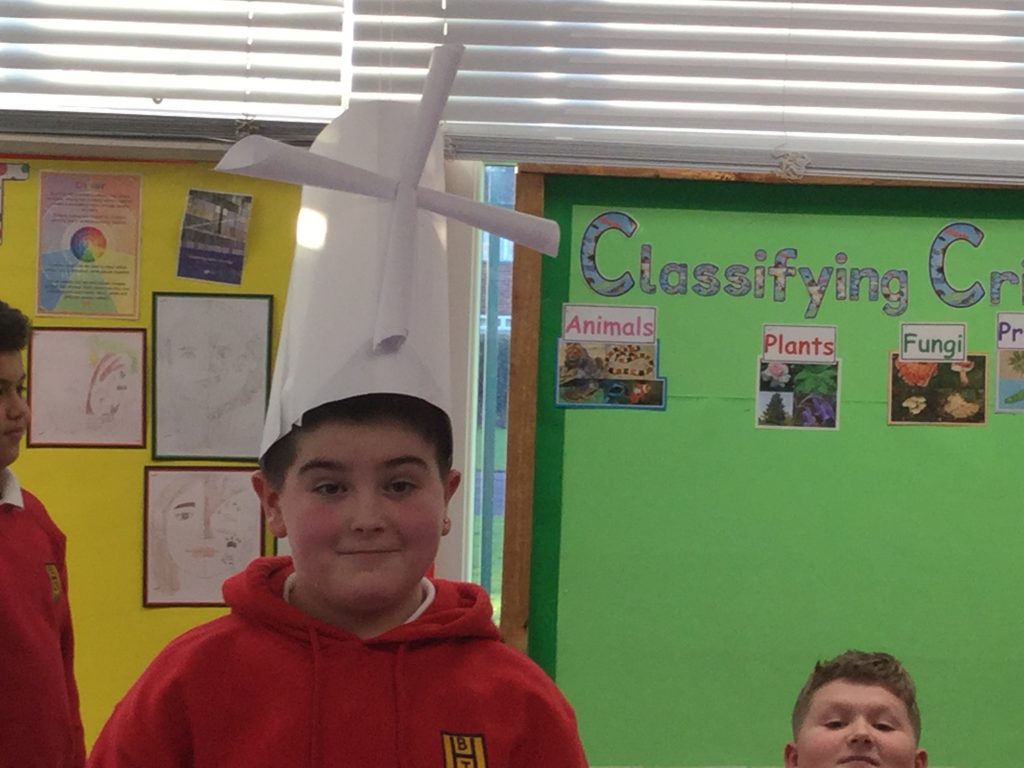
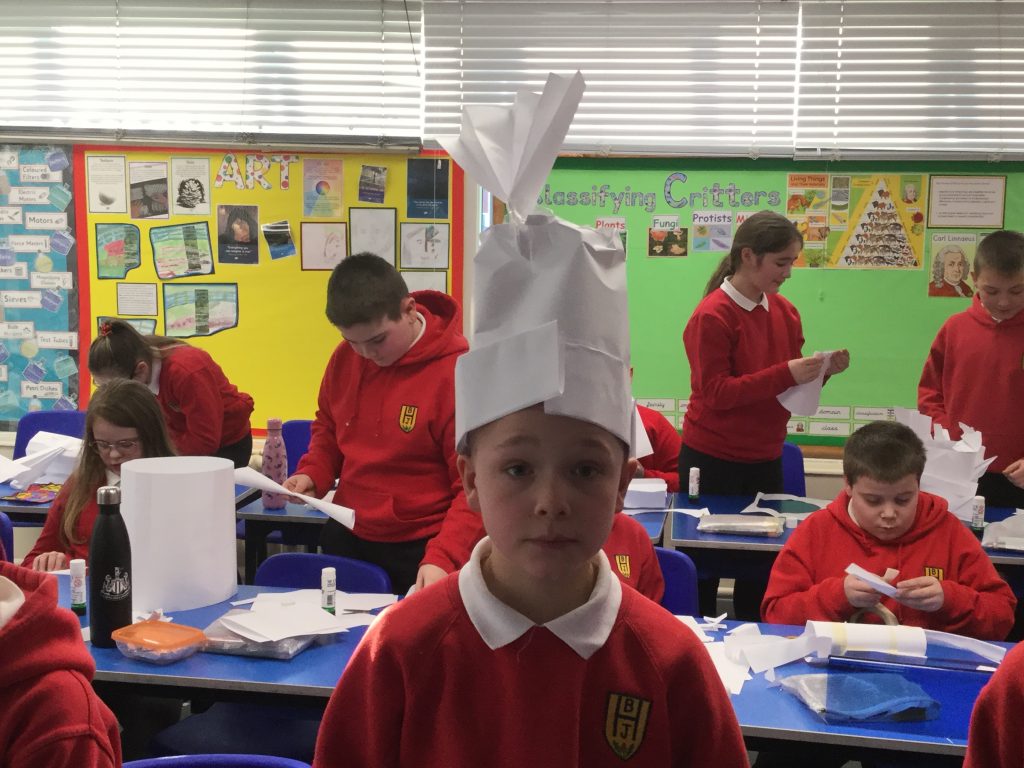
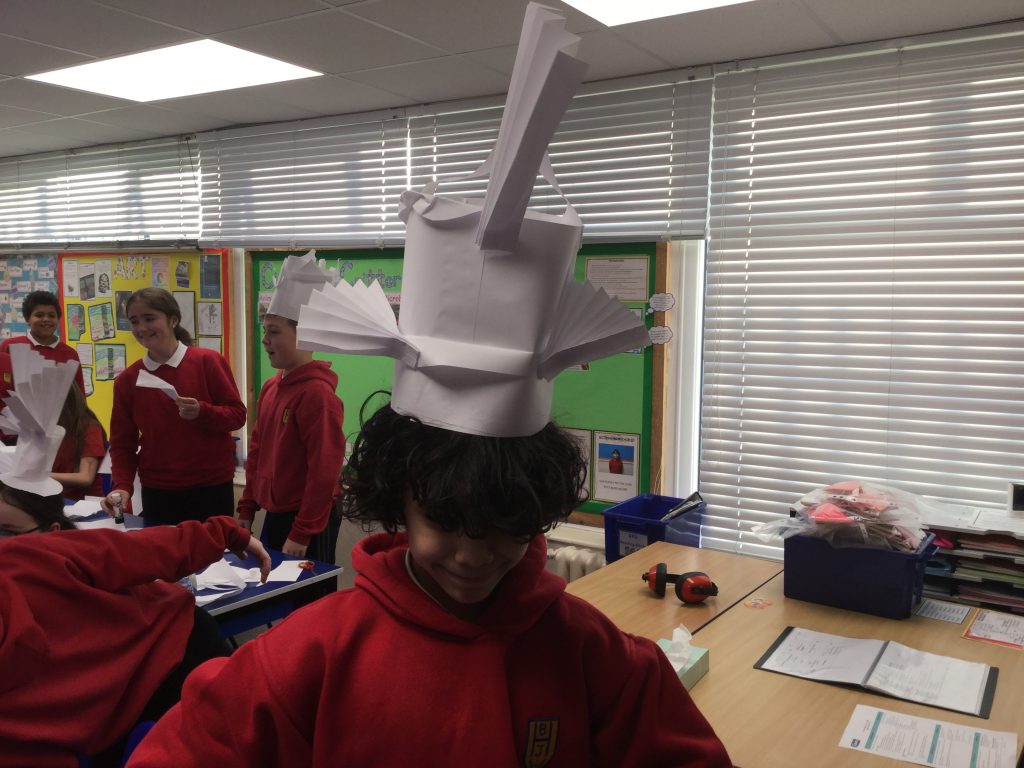
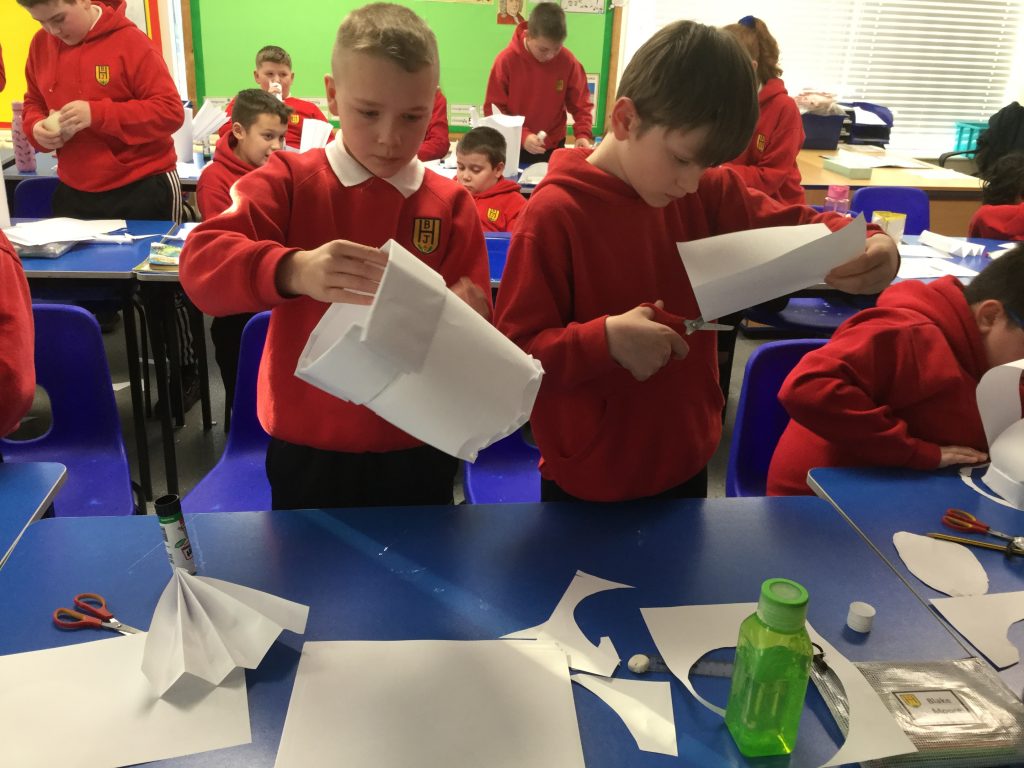
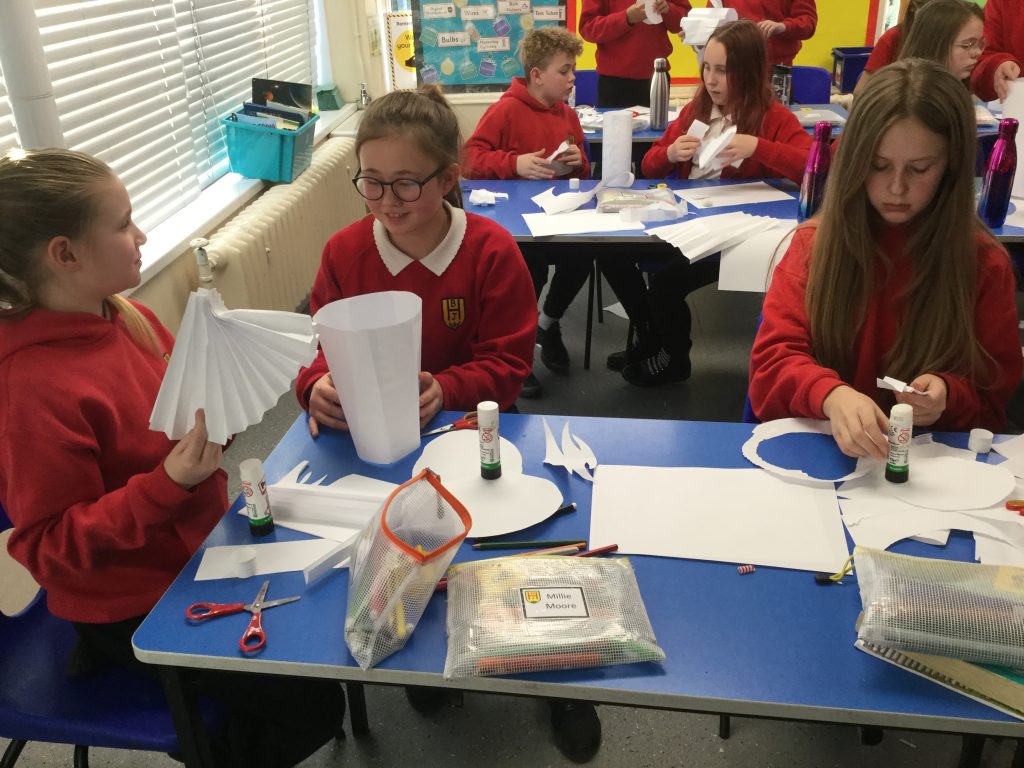
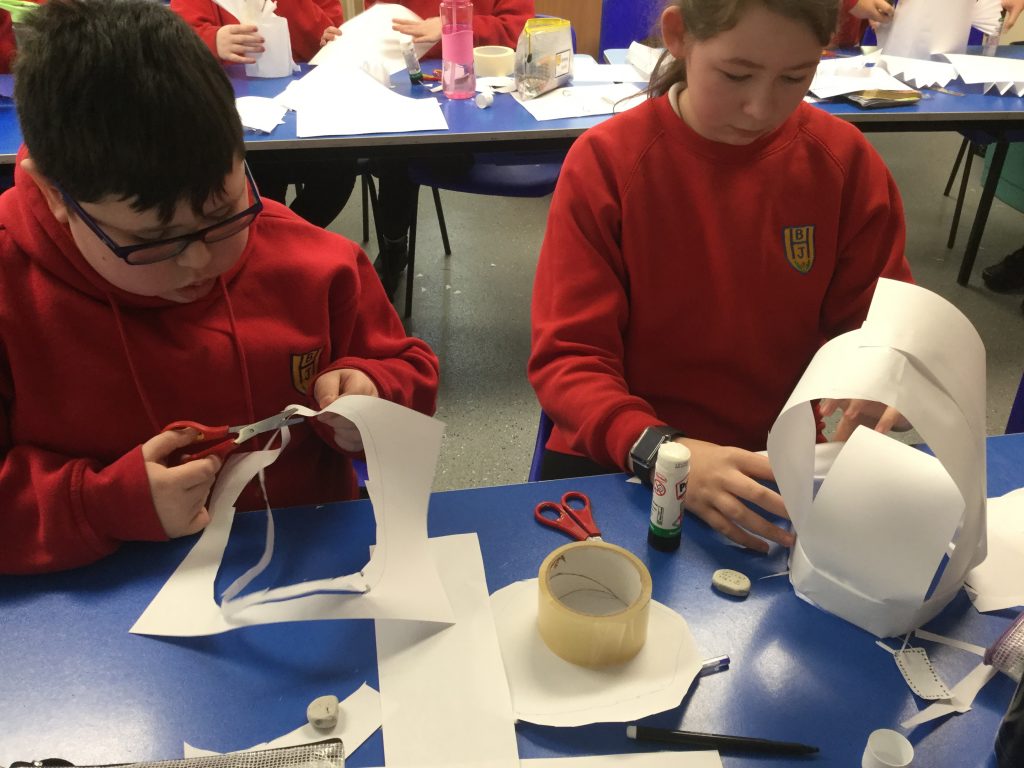
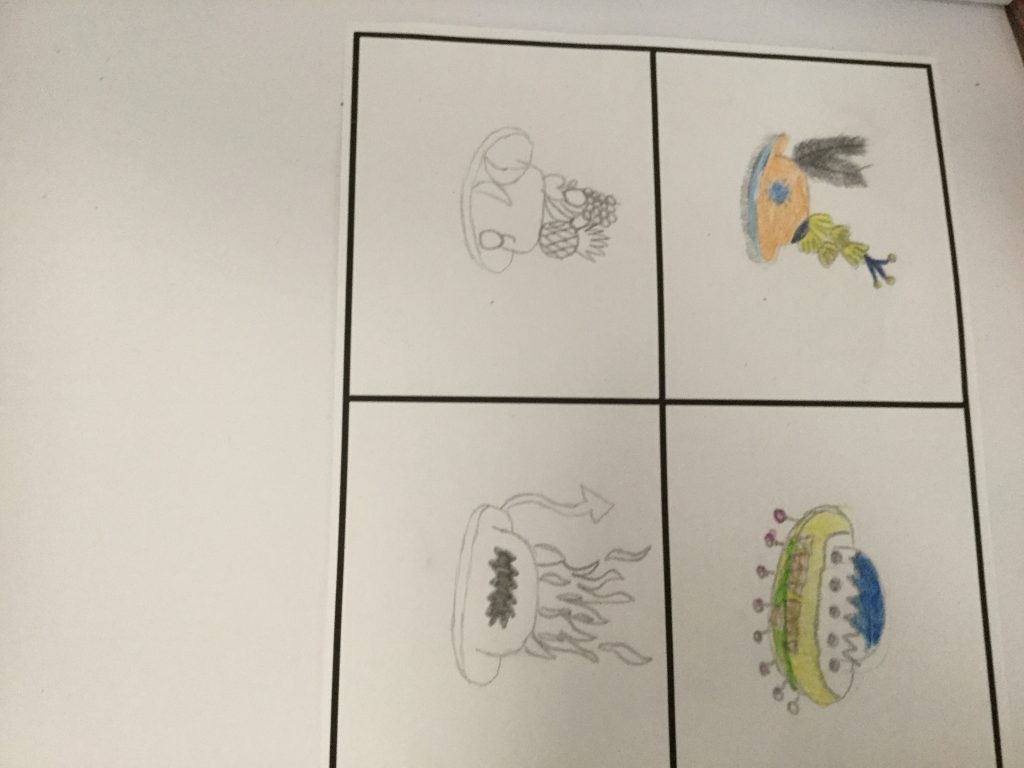
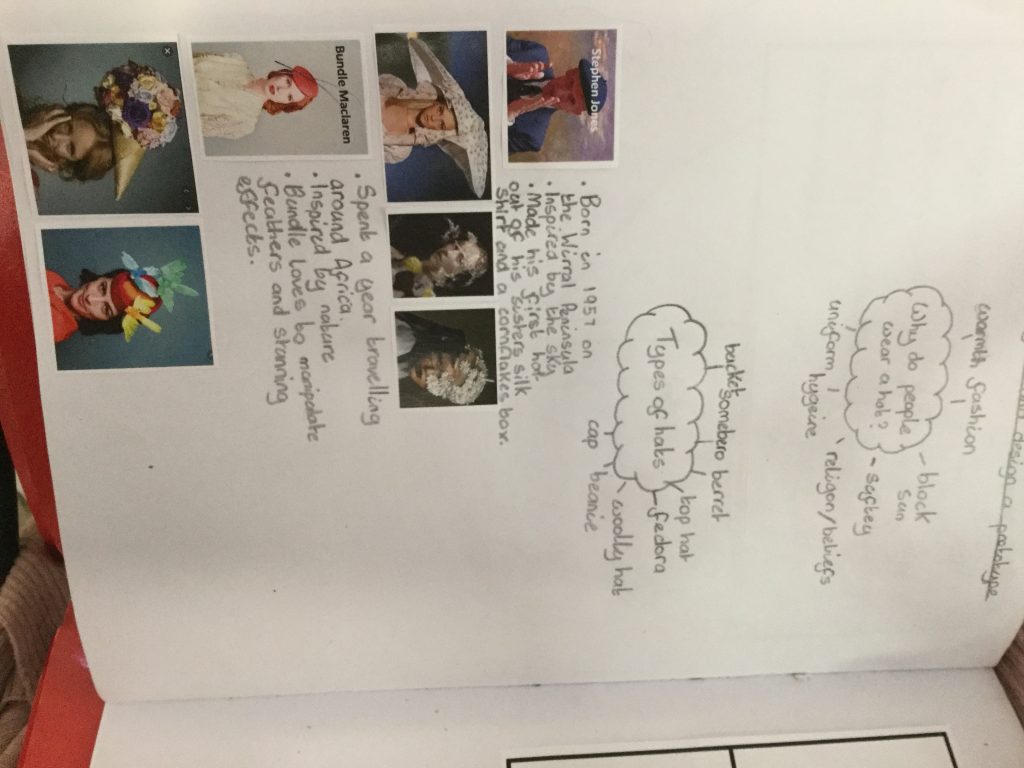
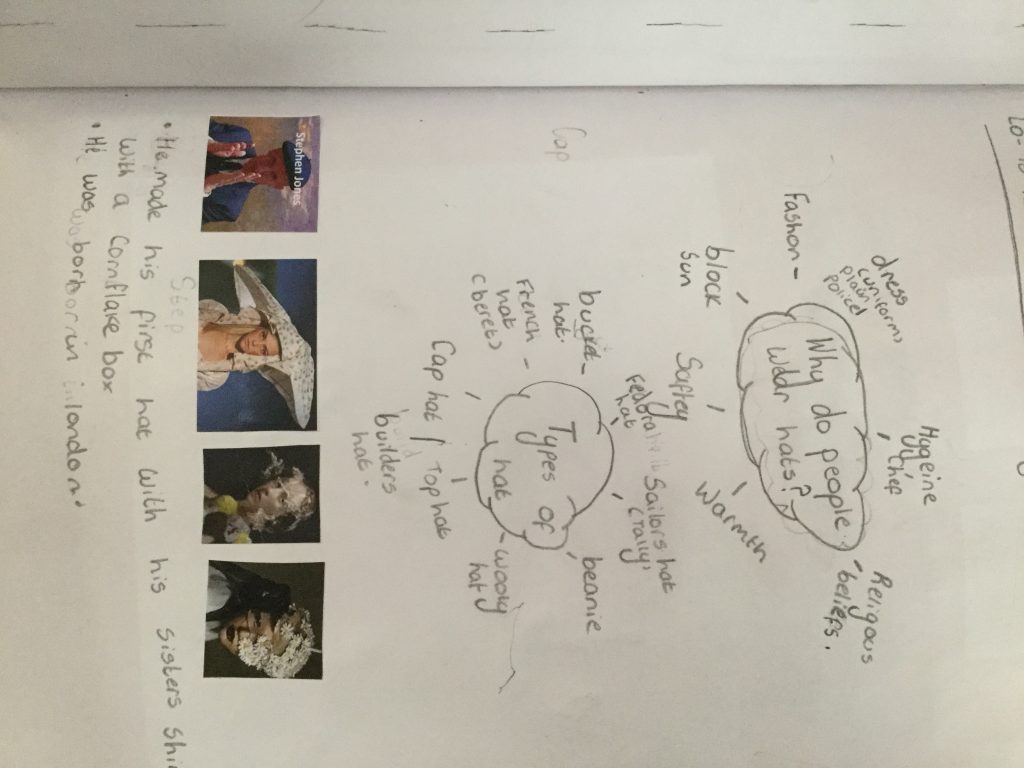
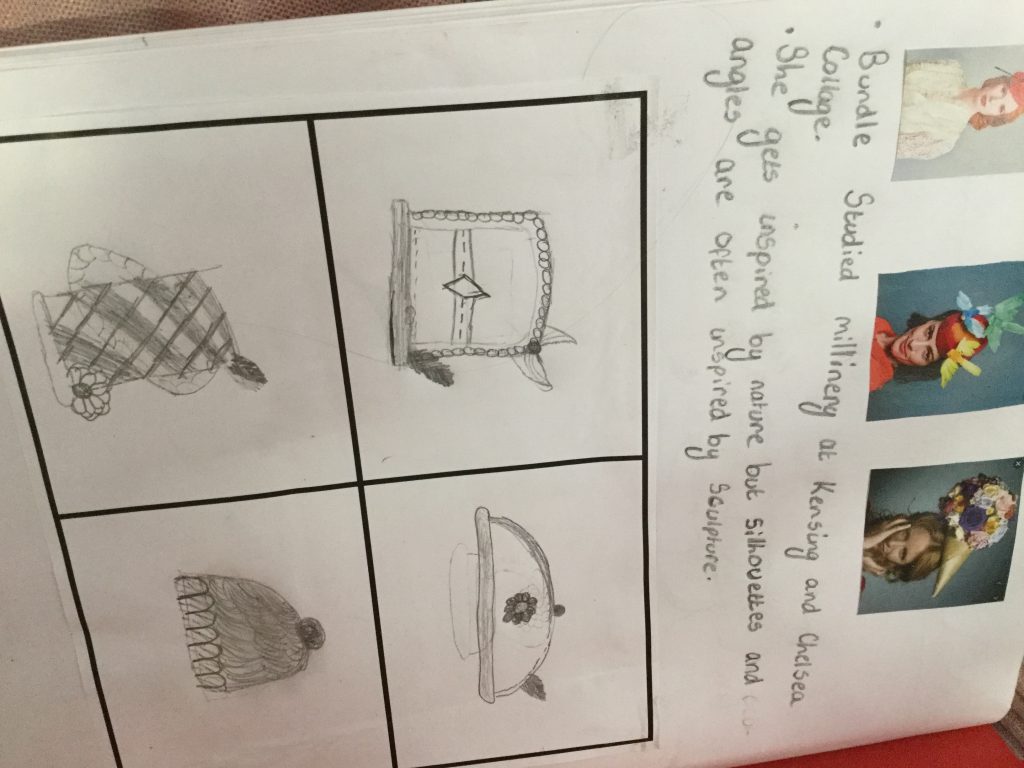
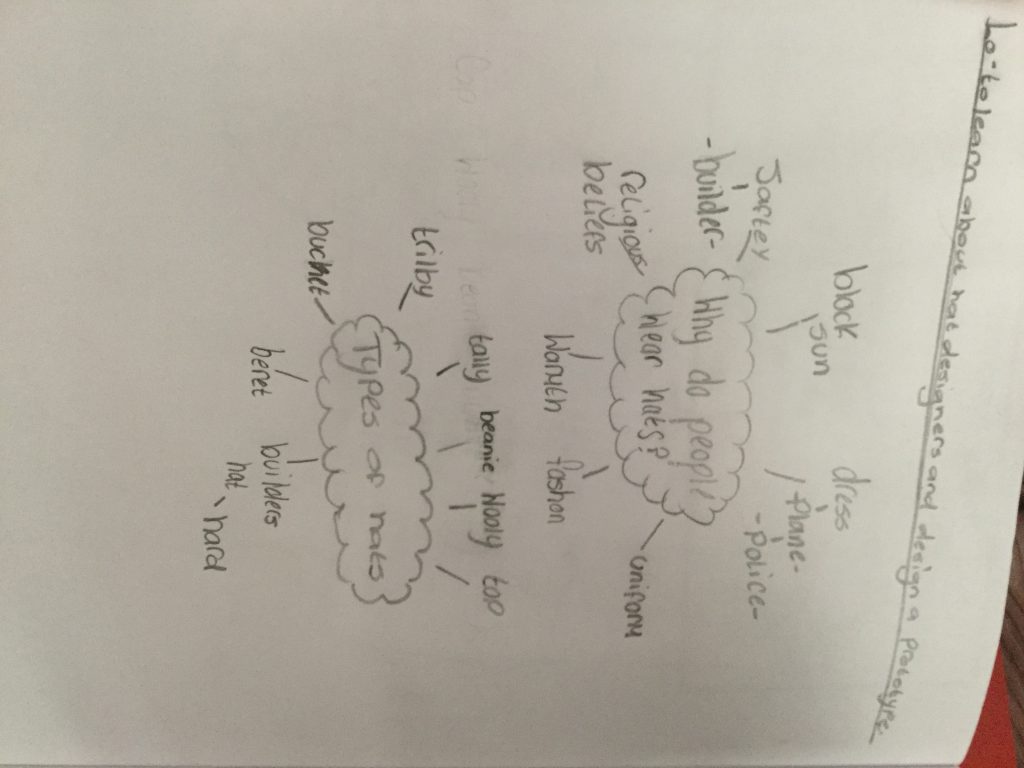
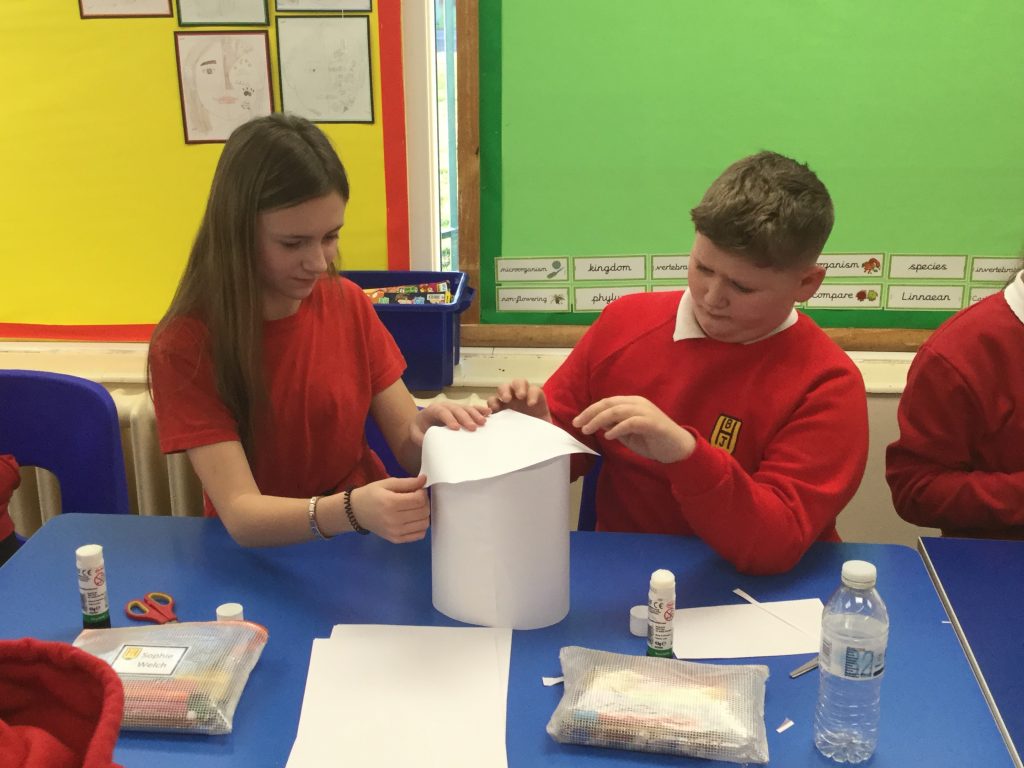
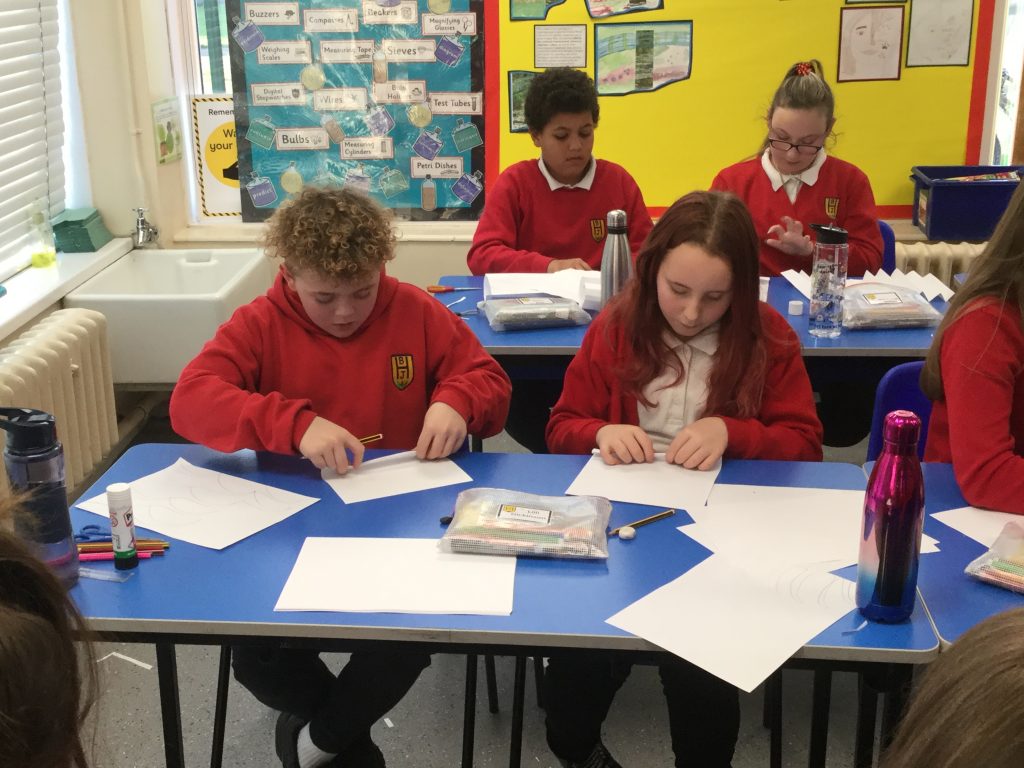
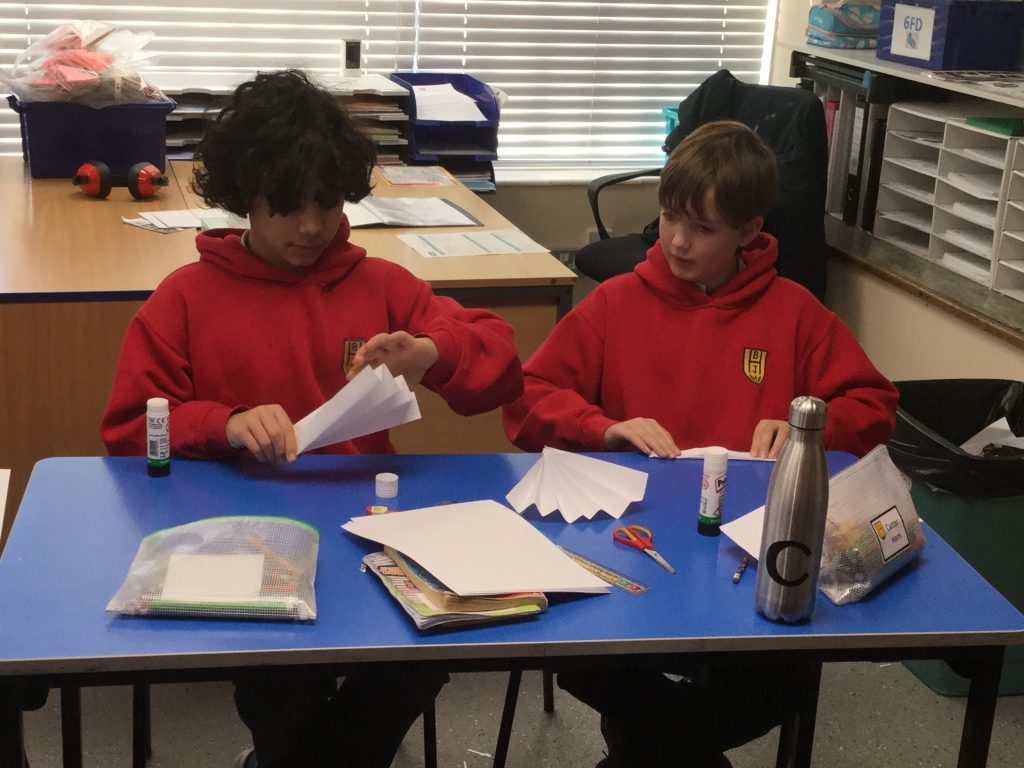
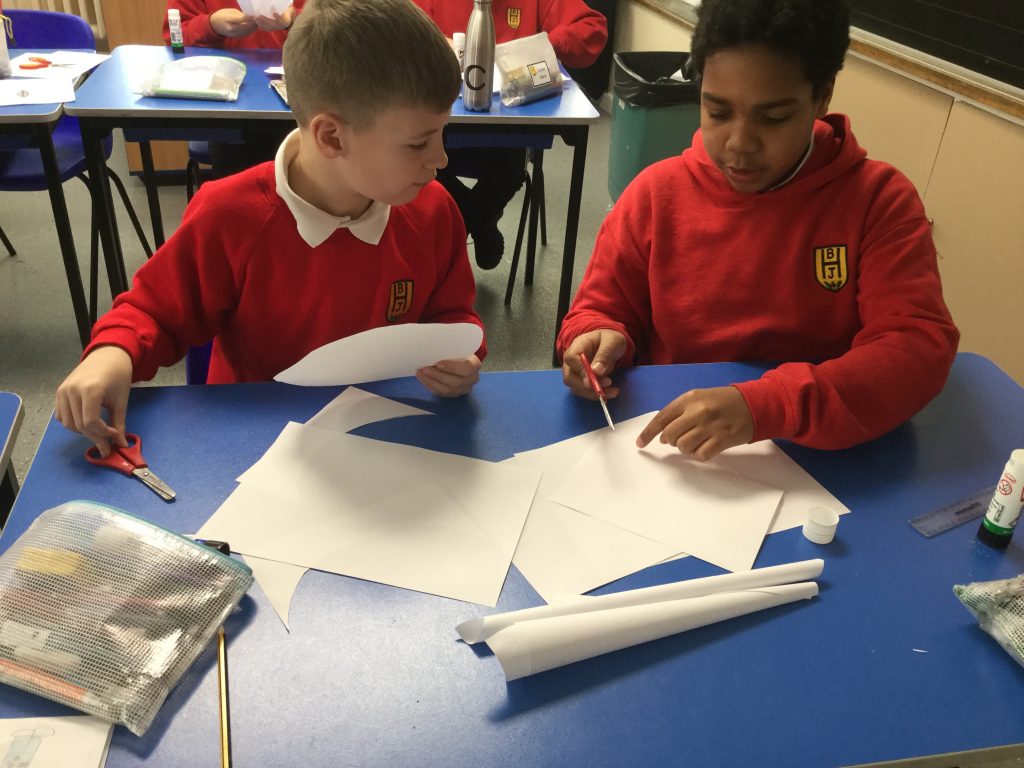
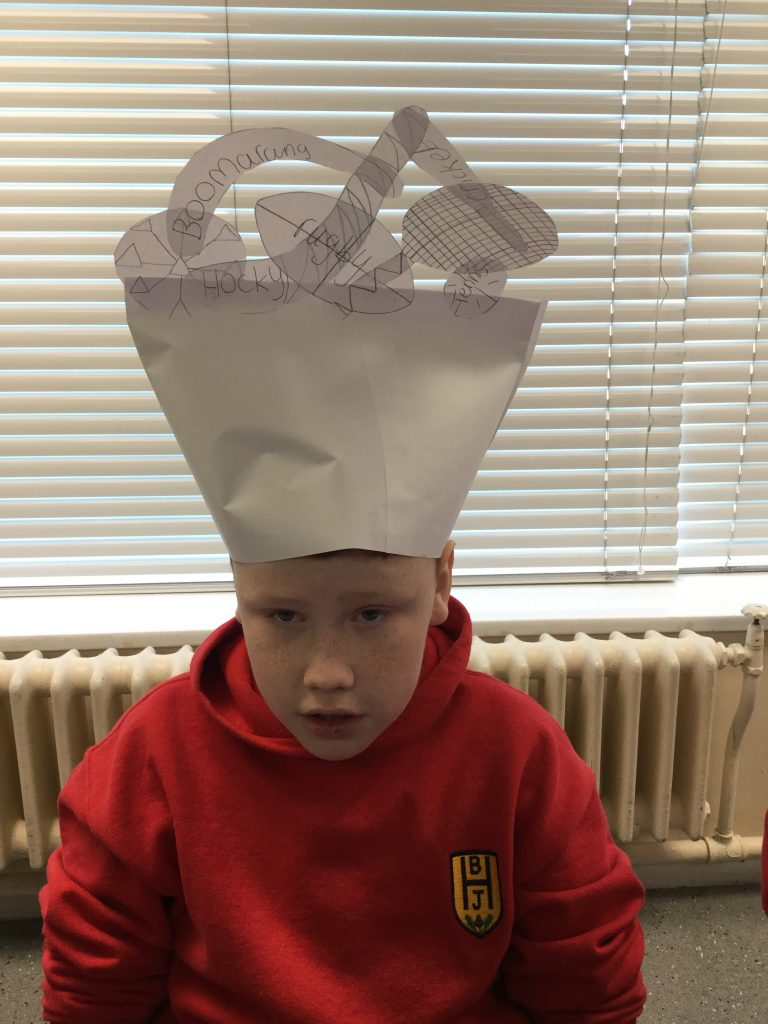
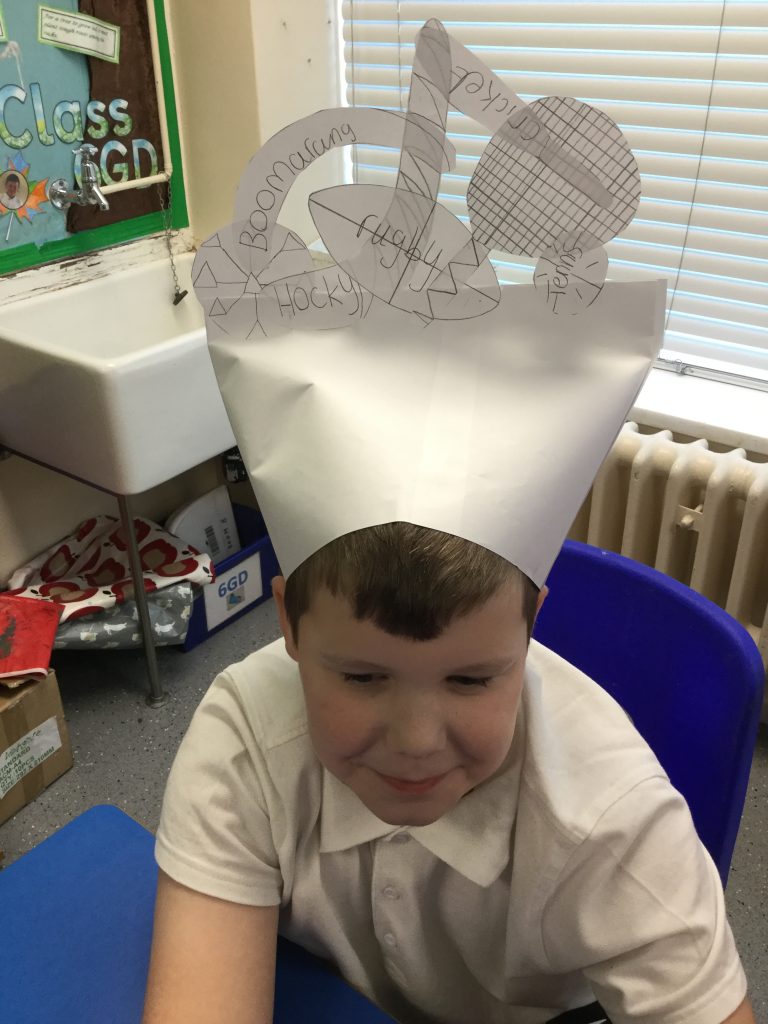
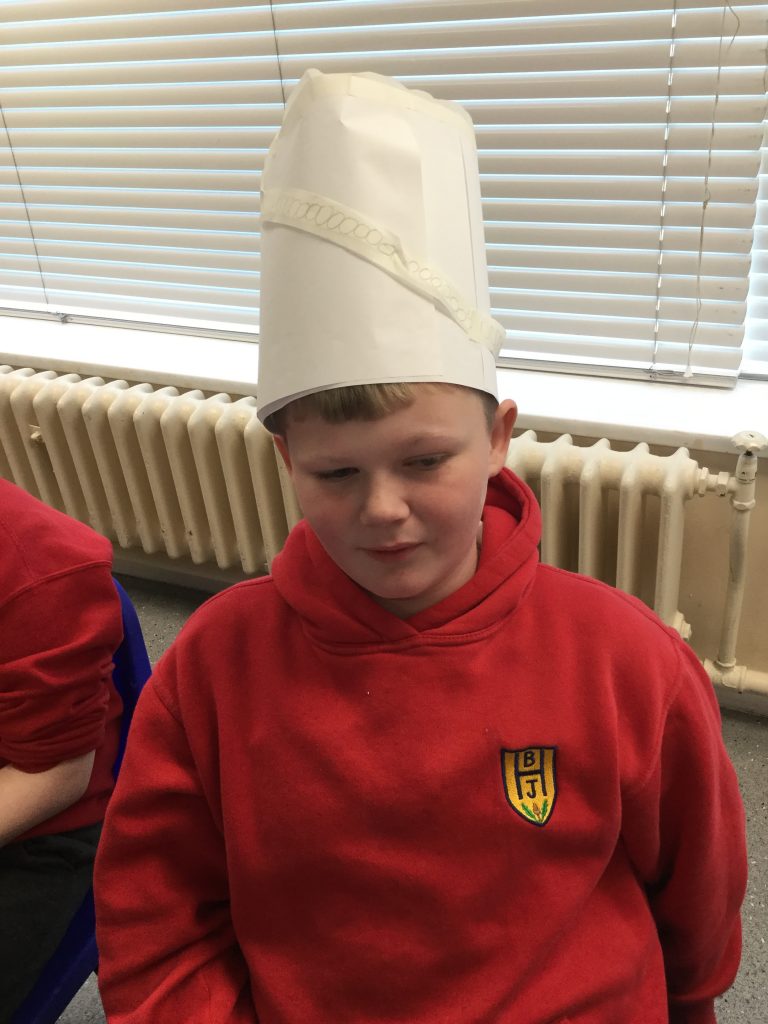
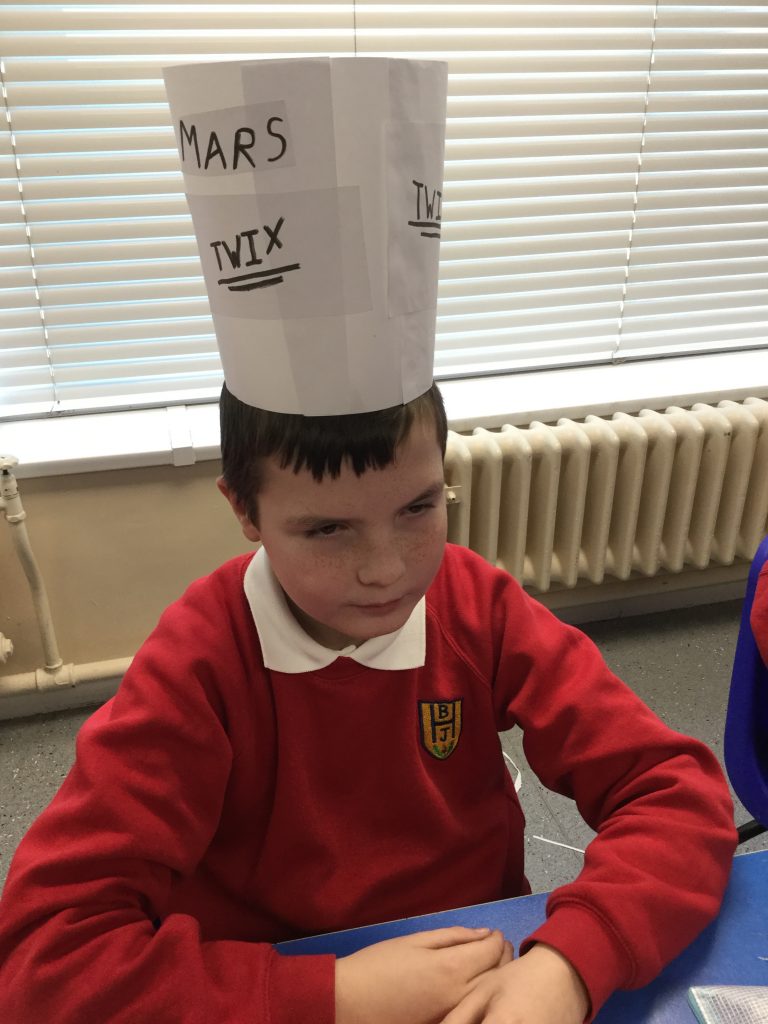
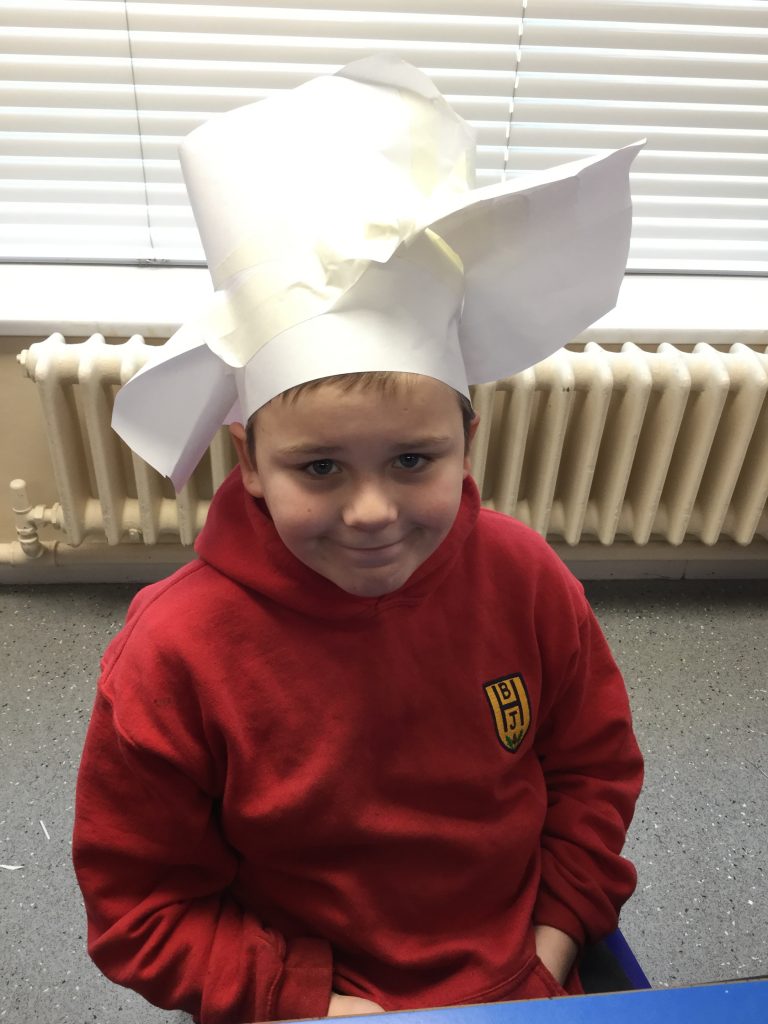
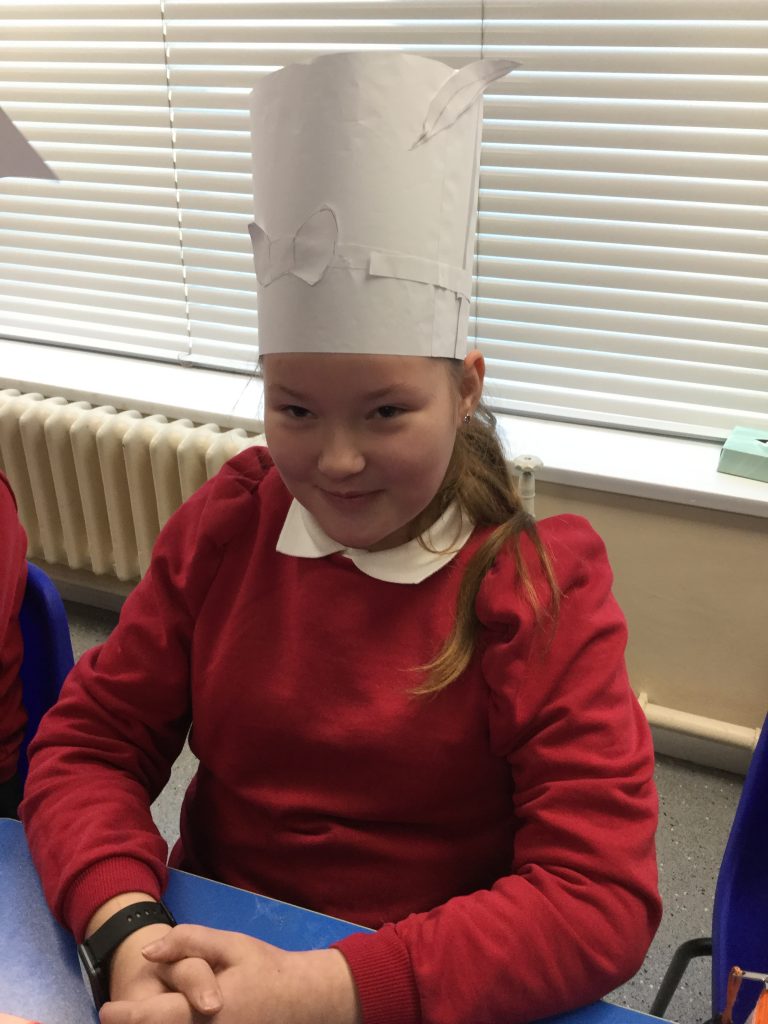
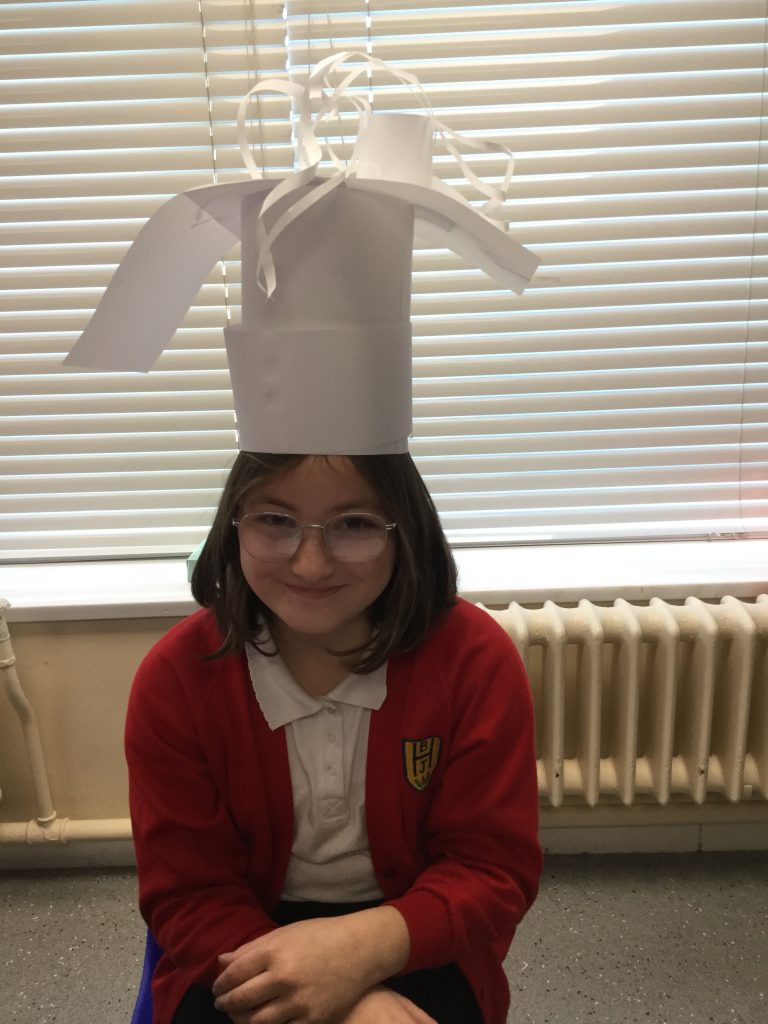
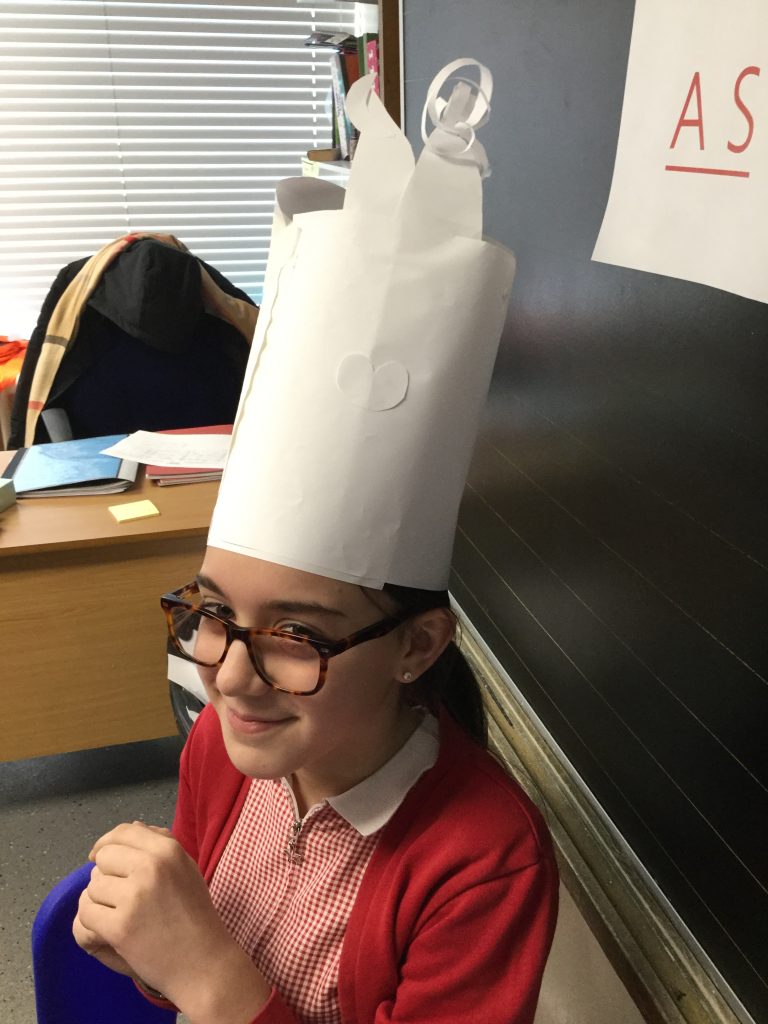
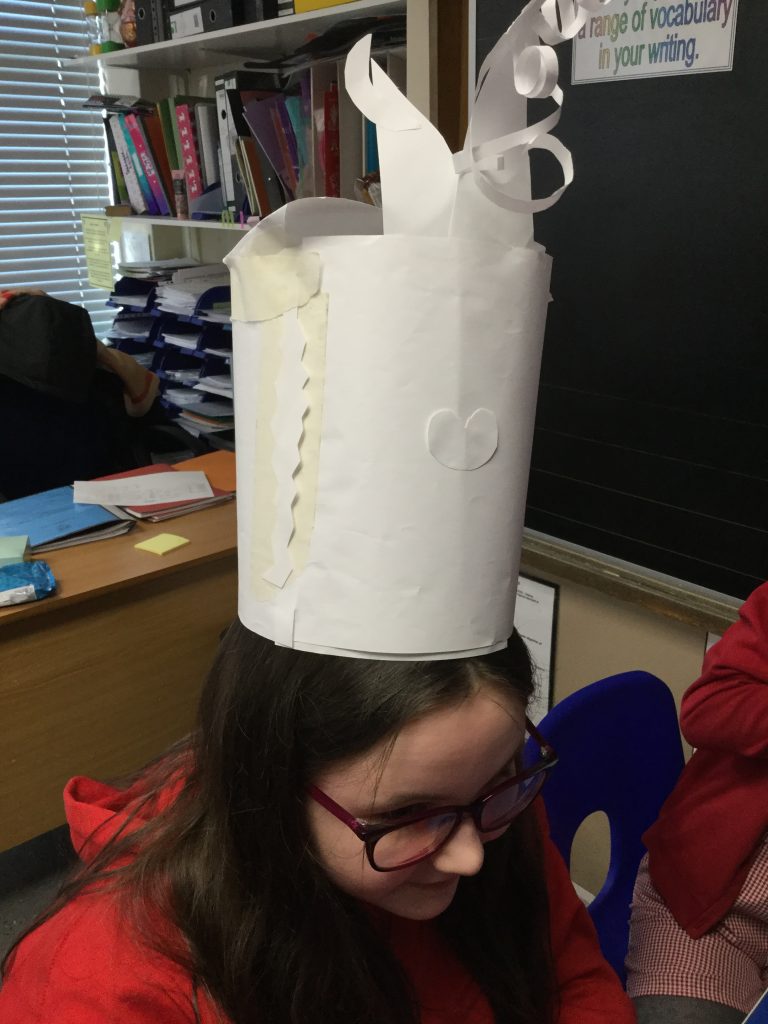
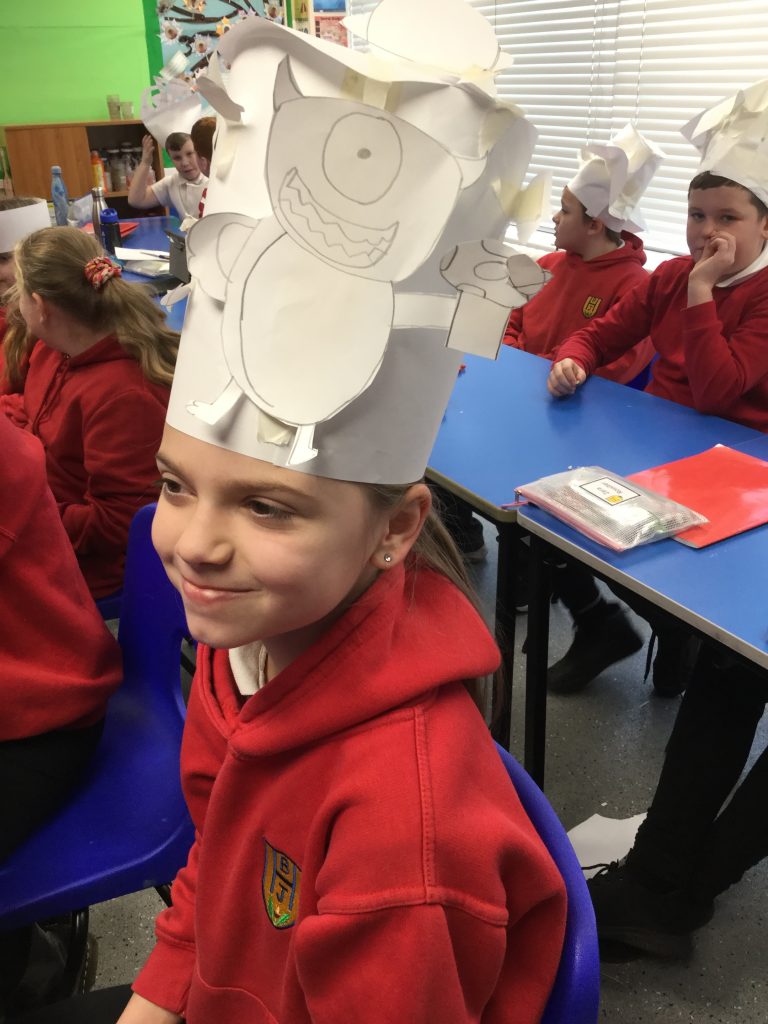
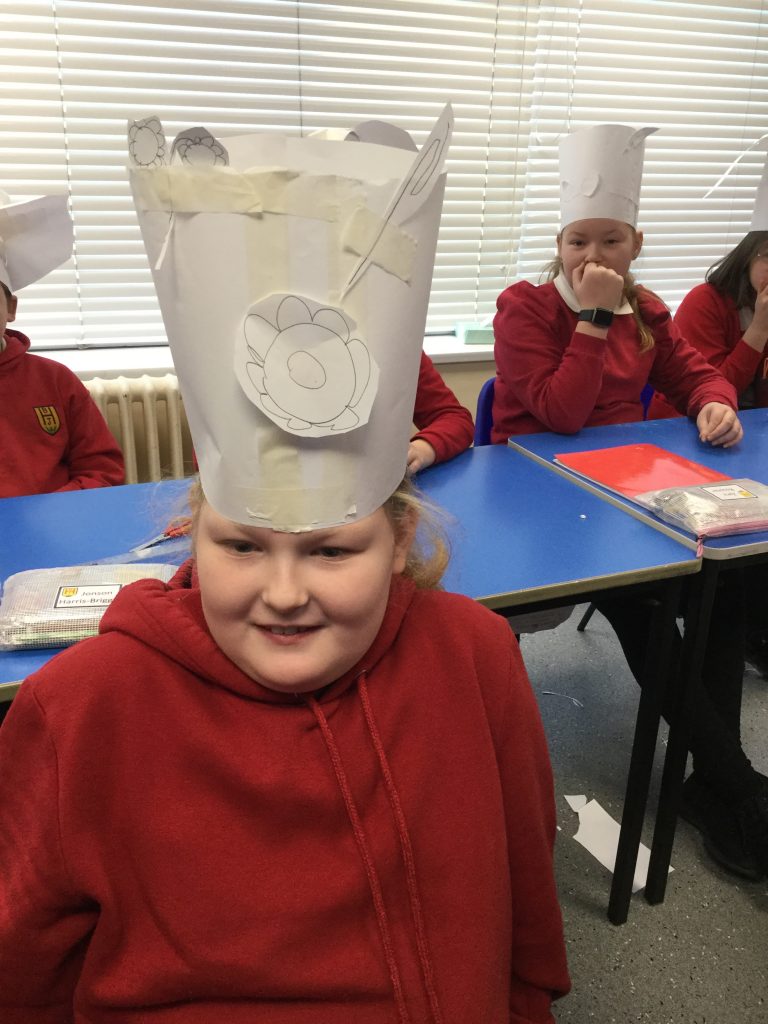
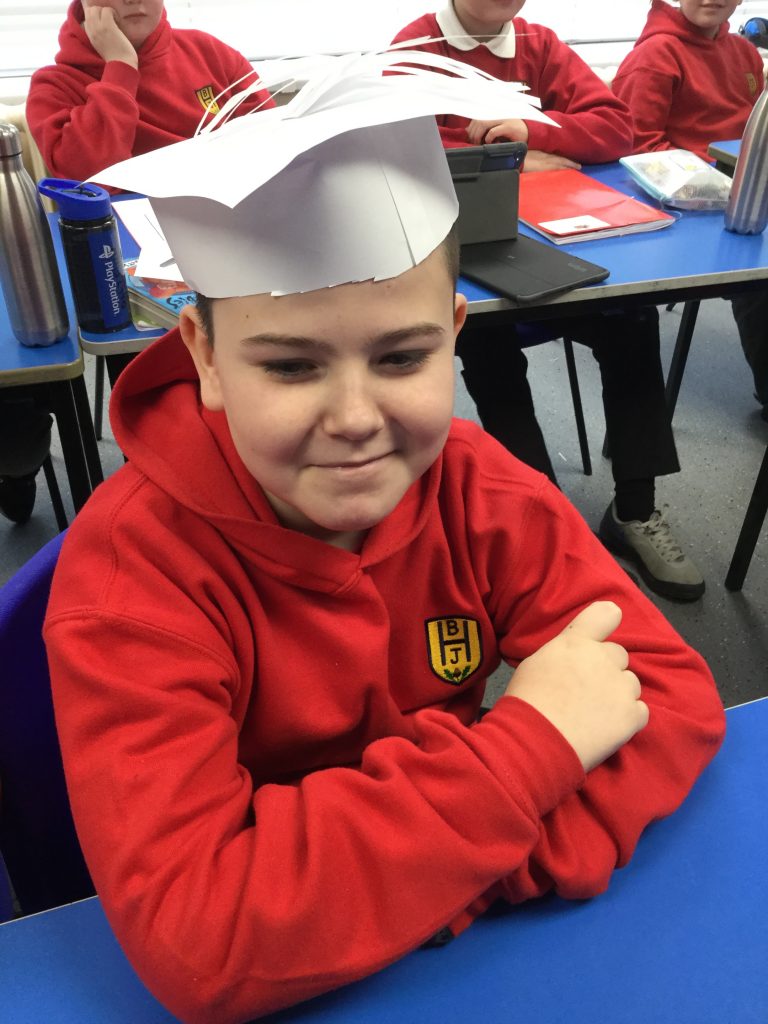
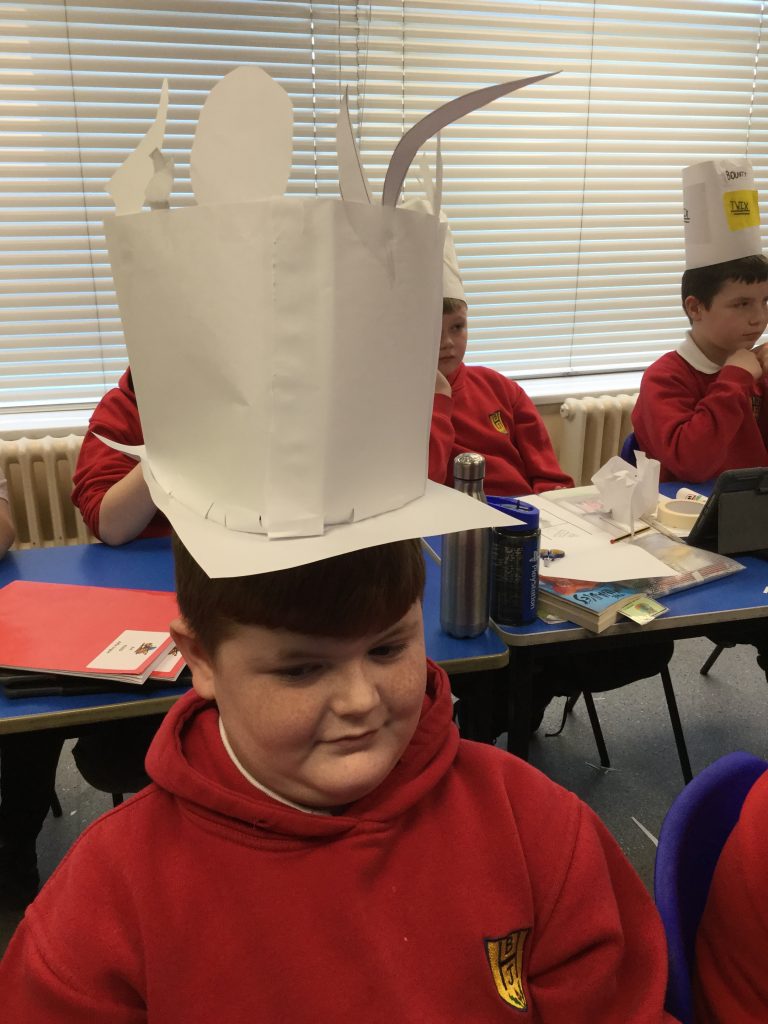
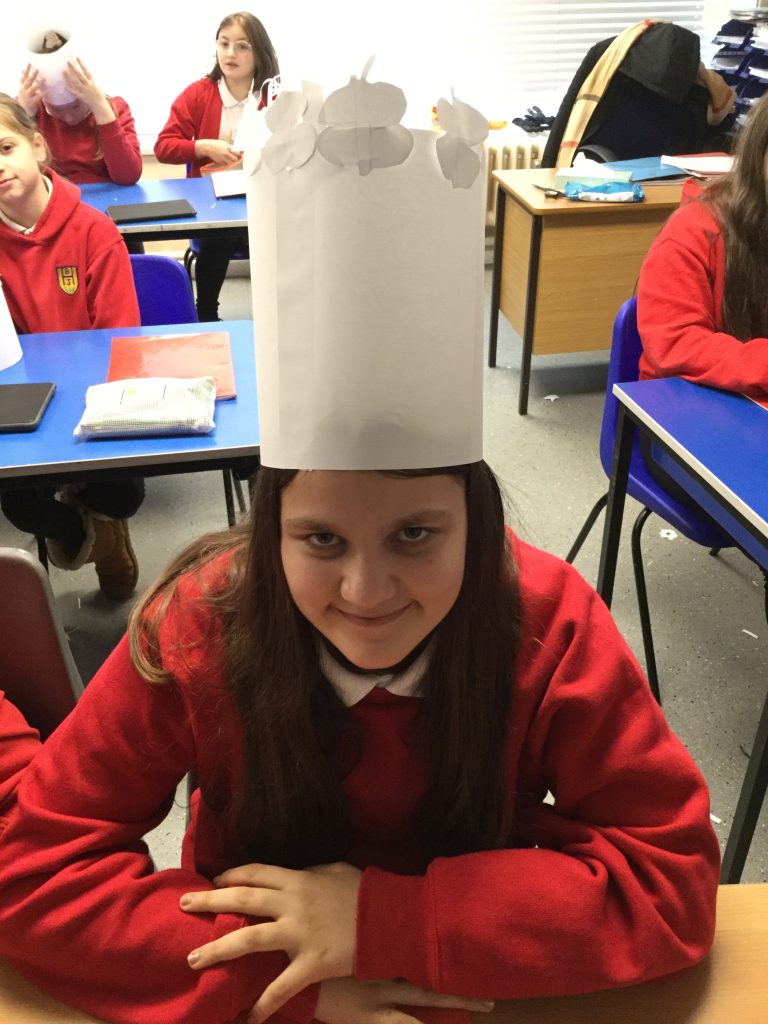
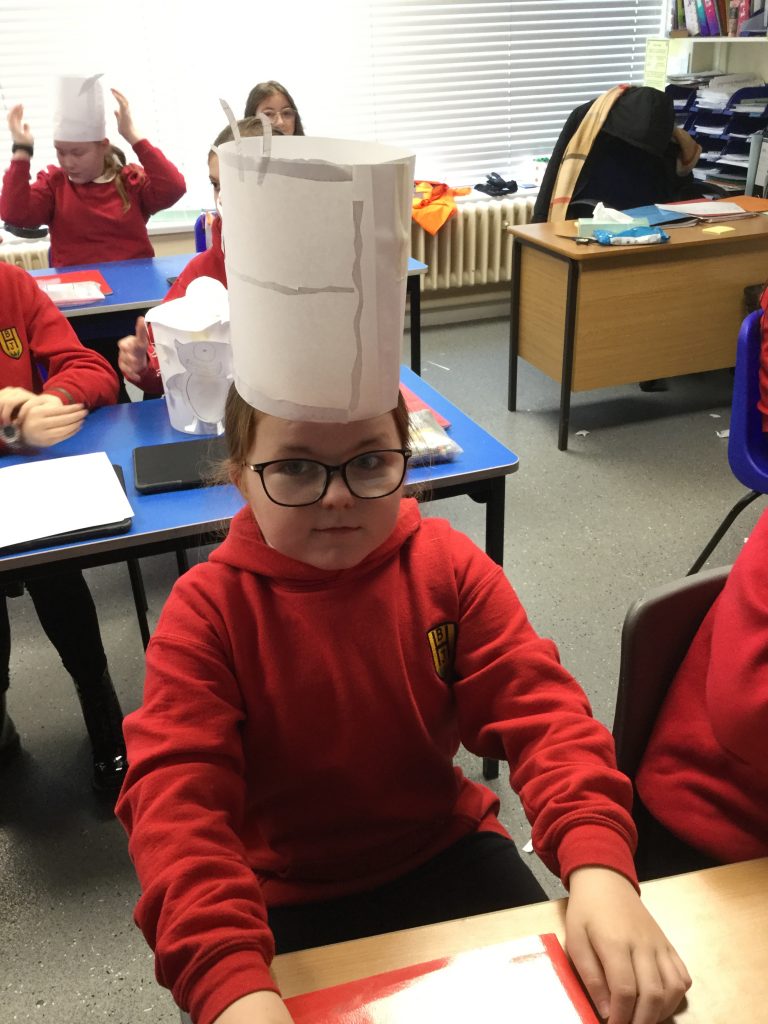
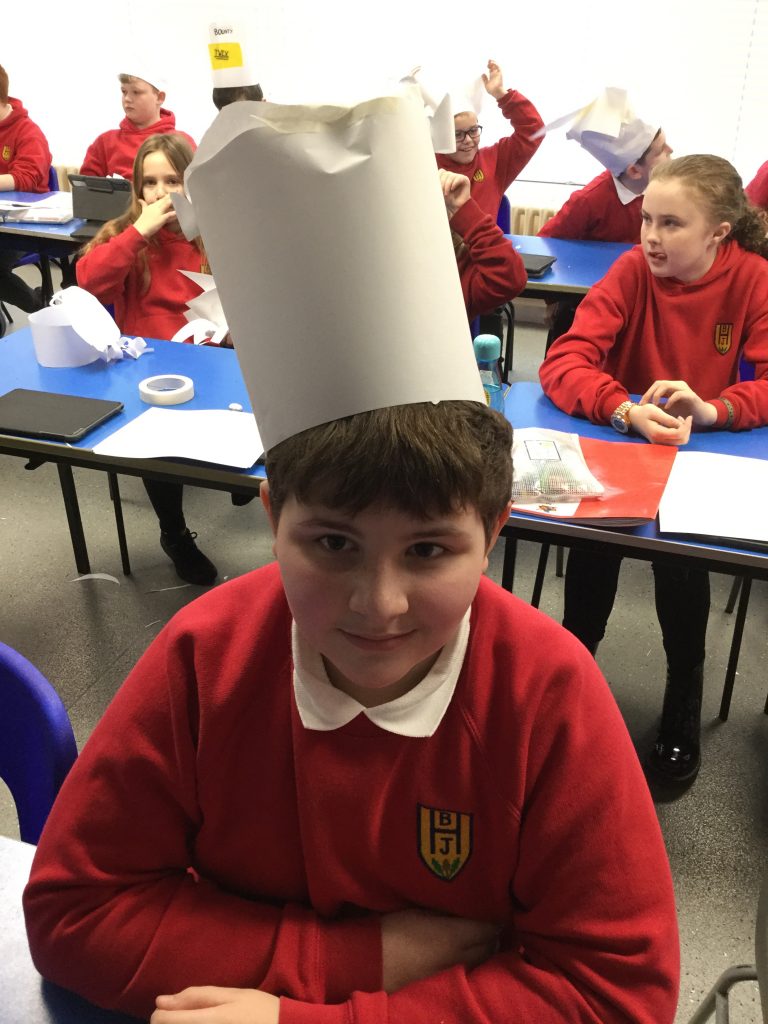
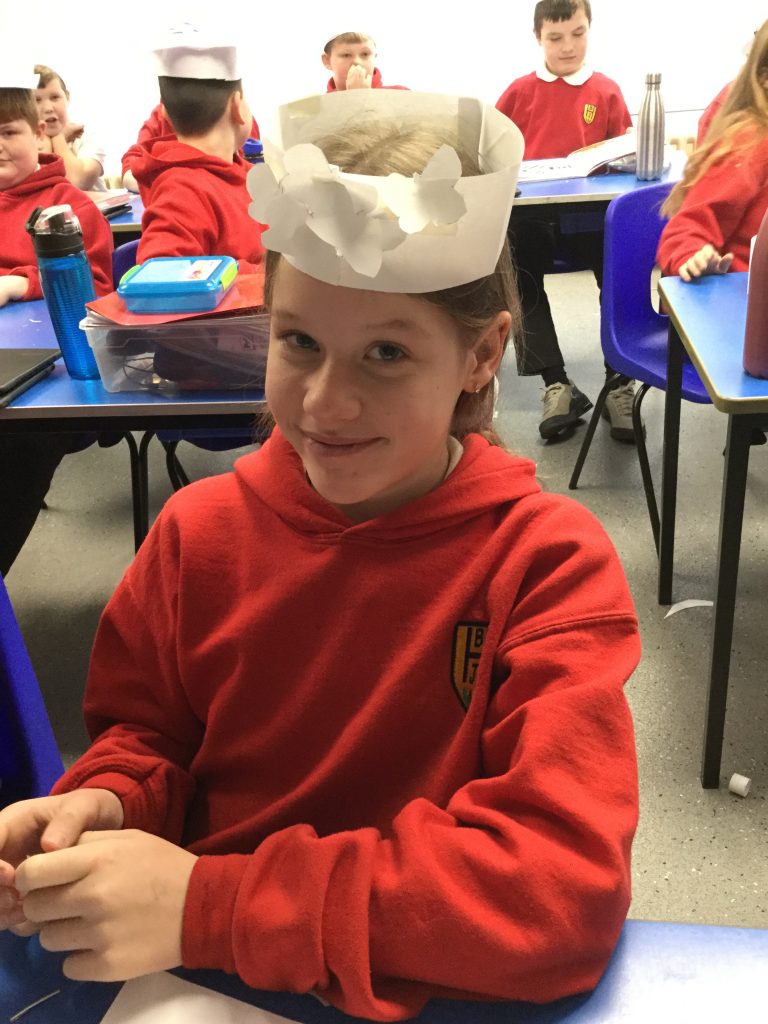
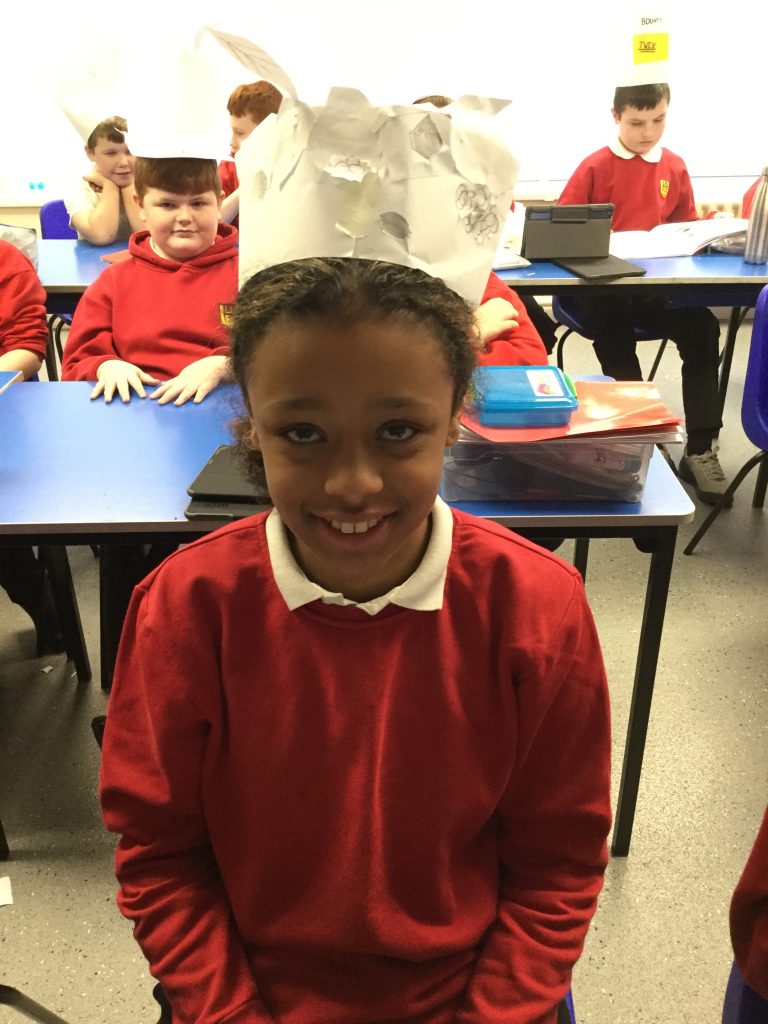
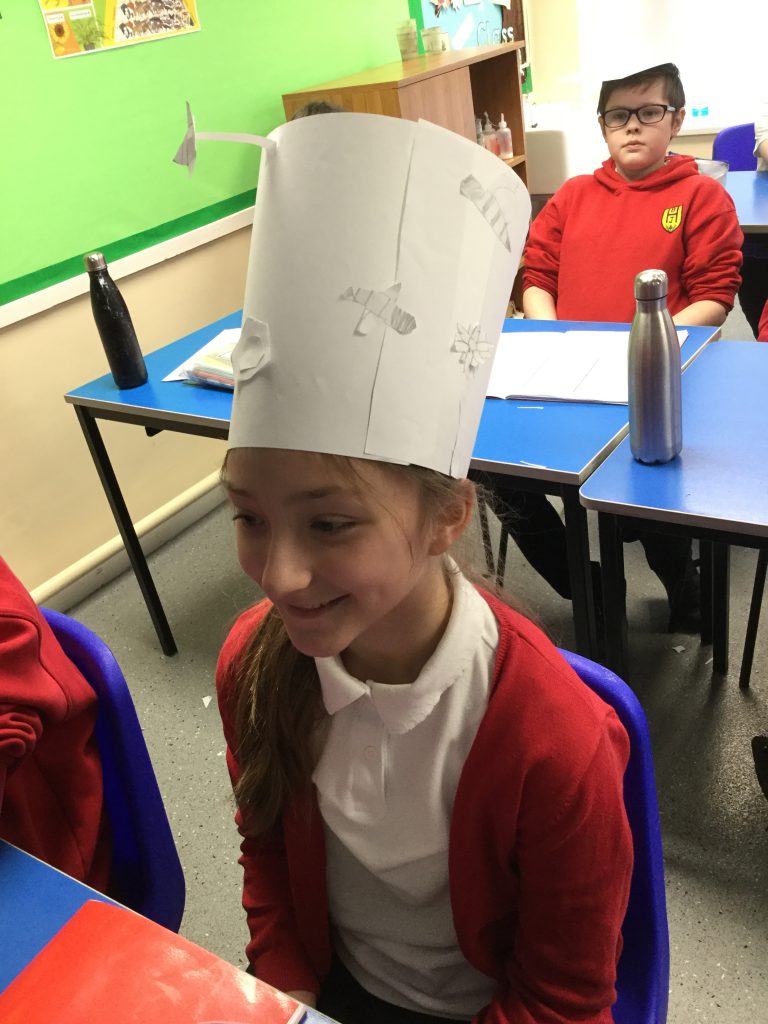
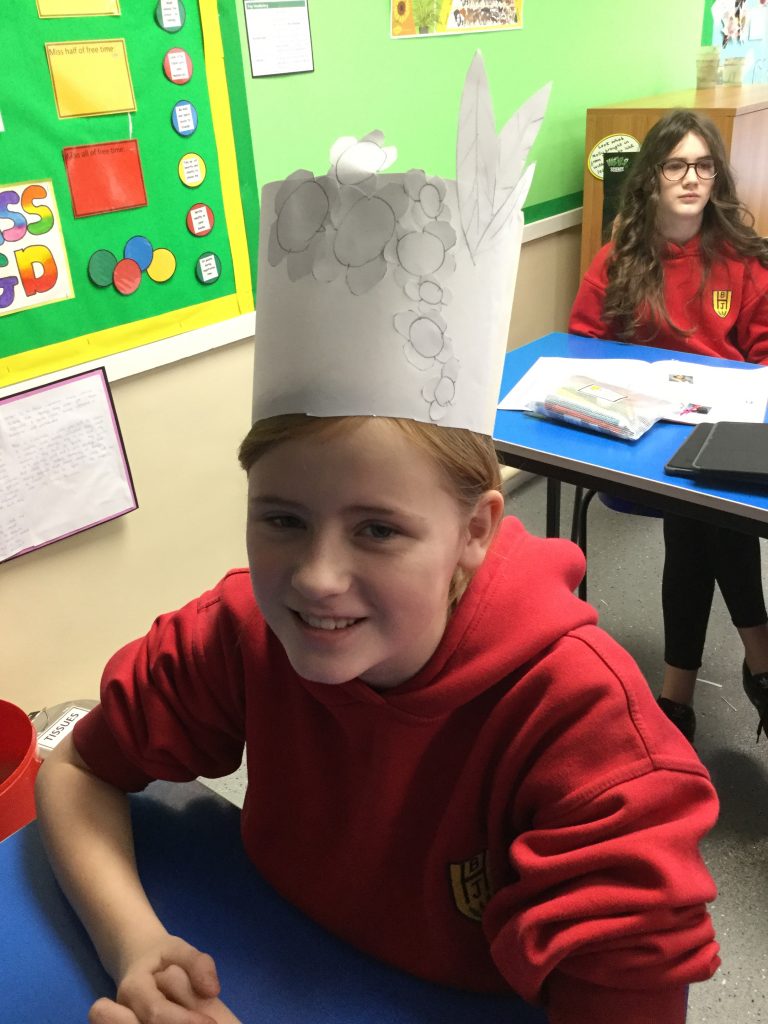
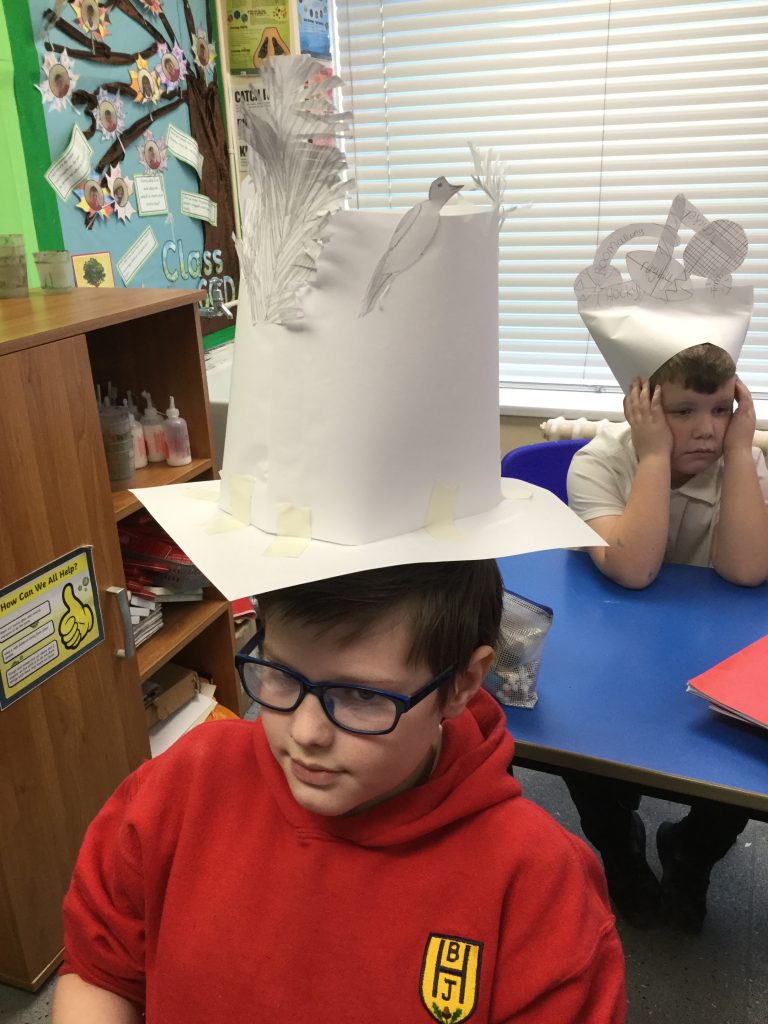
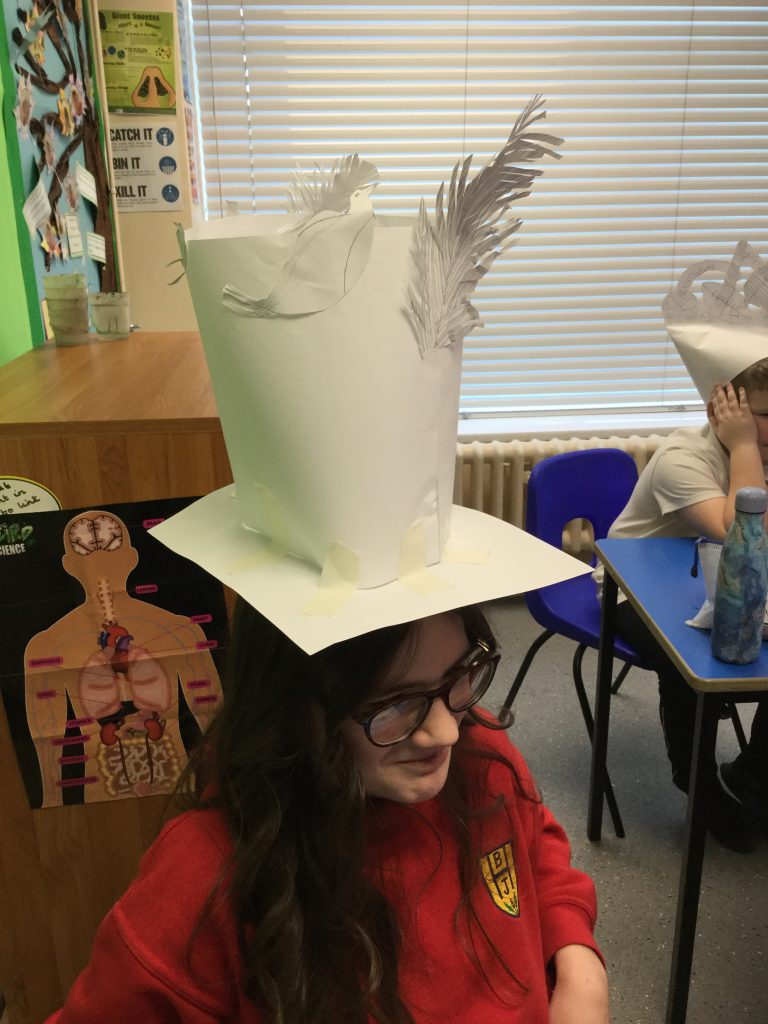
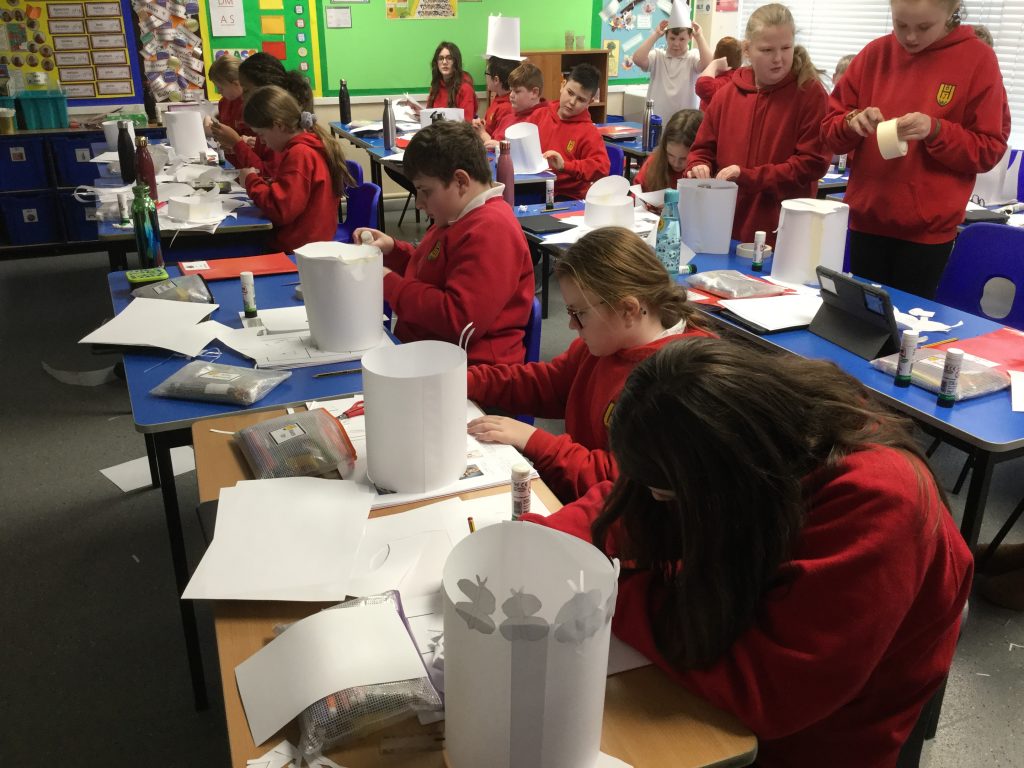
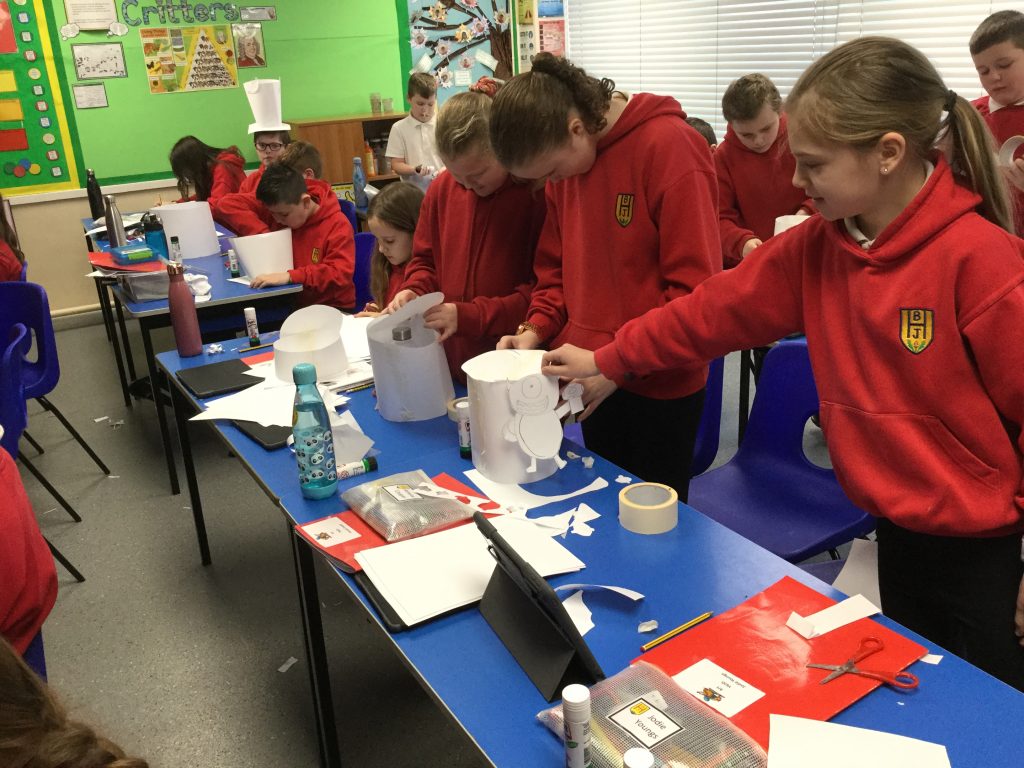
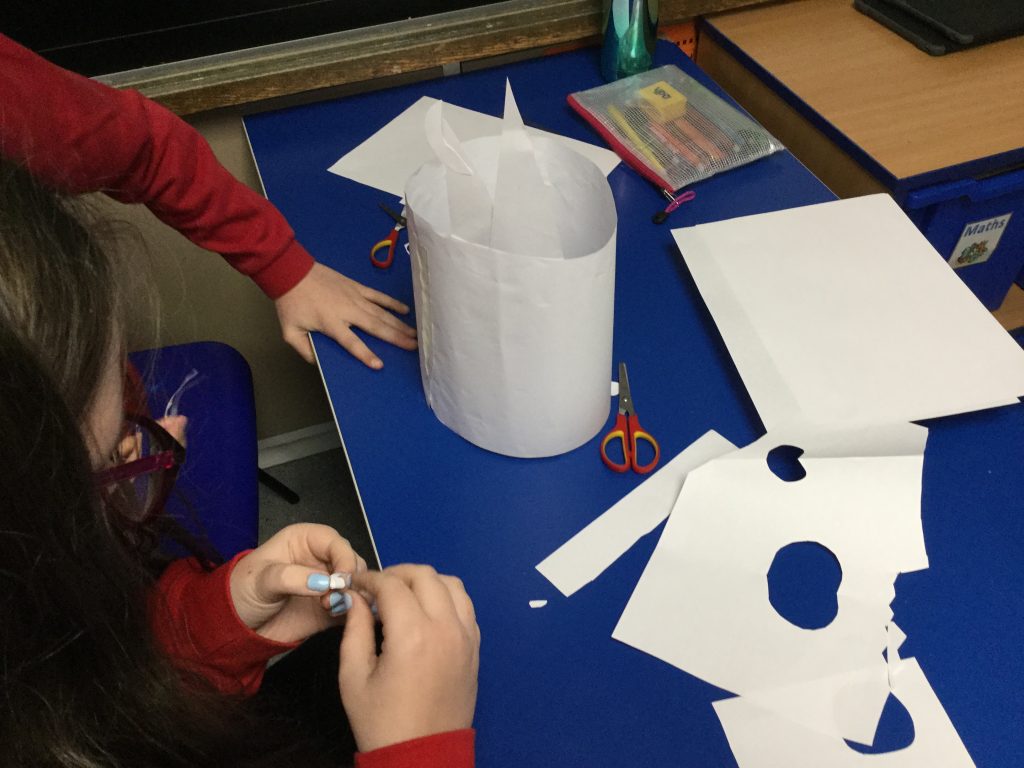
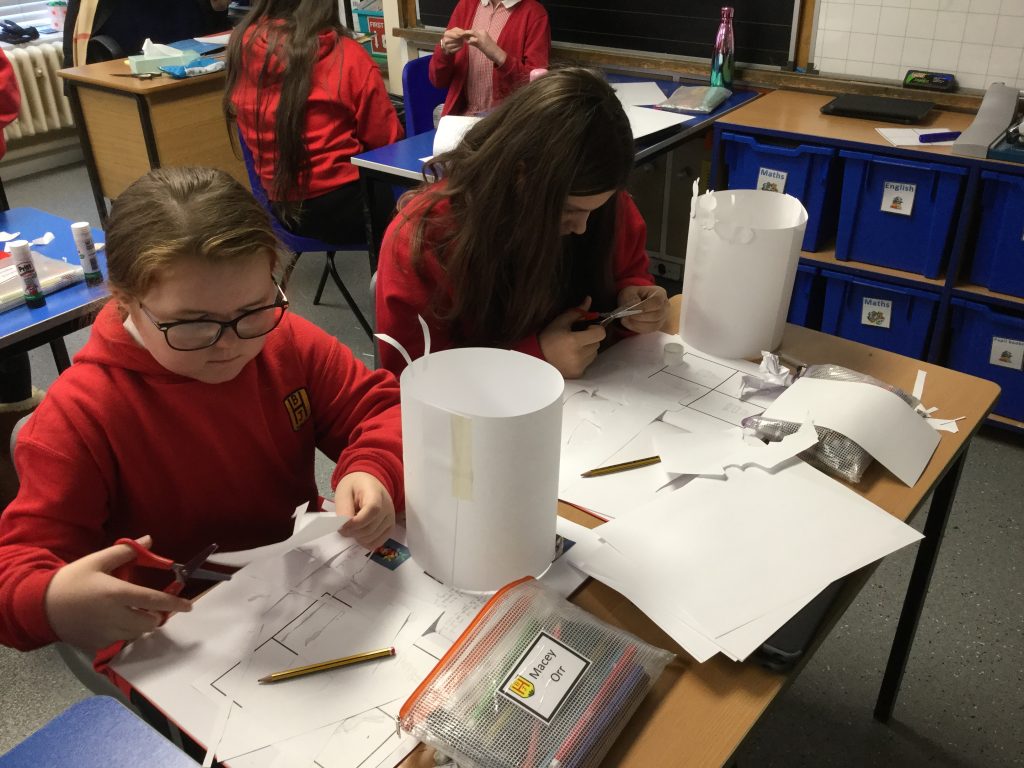
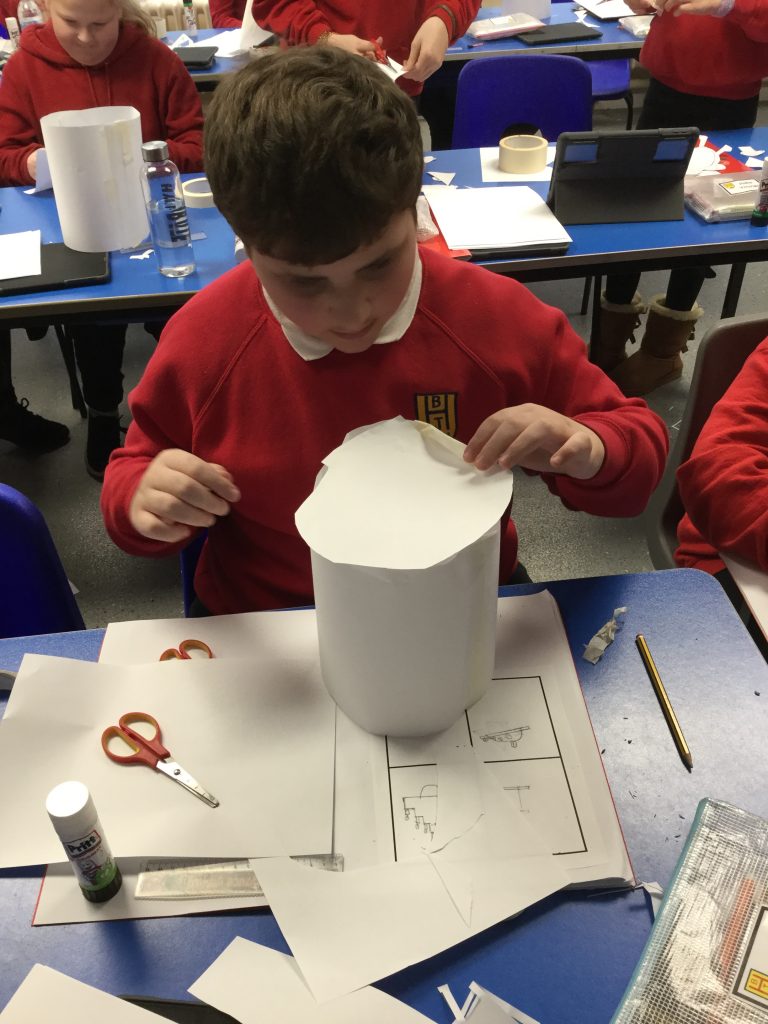
As part of Creative Week, year 6 took part in a hat project. We researched what type of people wear hats, why and considered the range of hats available. We studied two famous British milliners: Bundle Maclaren and Stephen Jones and then looked at a variety of hats that aim to outdo others and stand out in a crowd. After all this exploration, we then created our own hat prototypes using only white paper, scissors and glue and took on the role of milliners ourselves. We modelled our final design prototypes and evaluated successes and challenges with our peers.
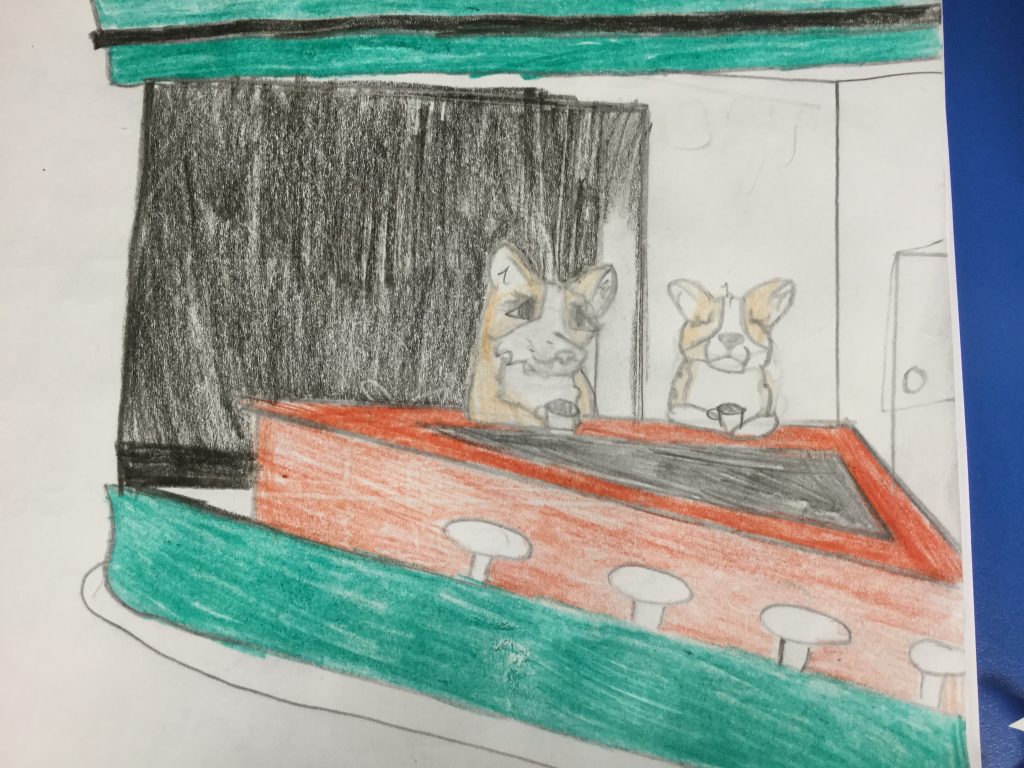
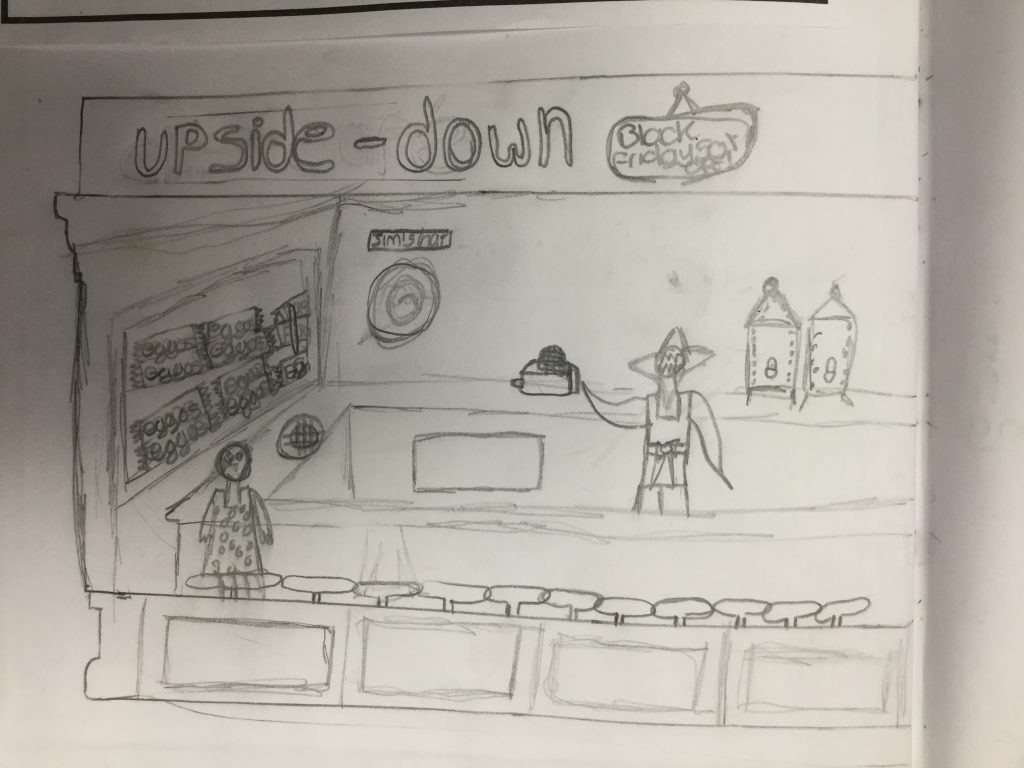
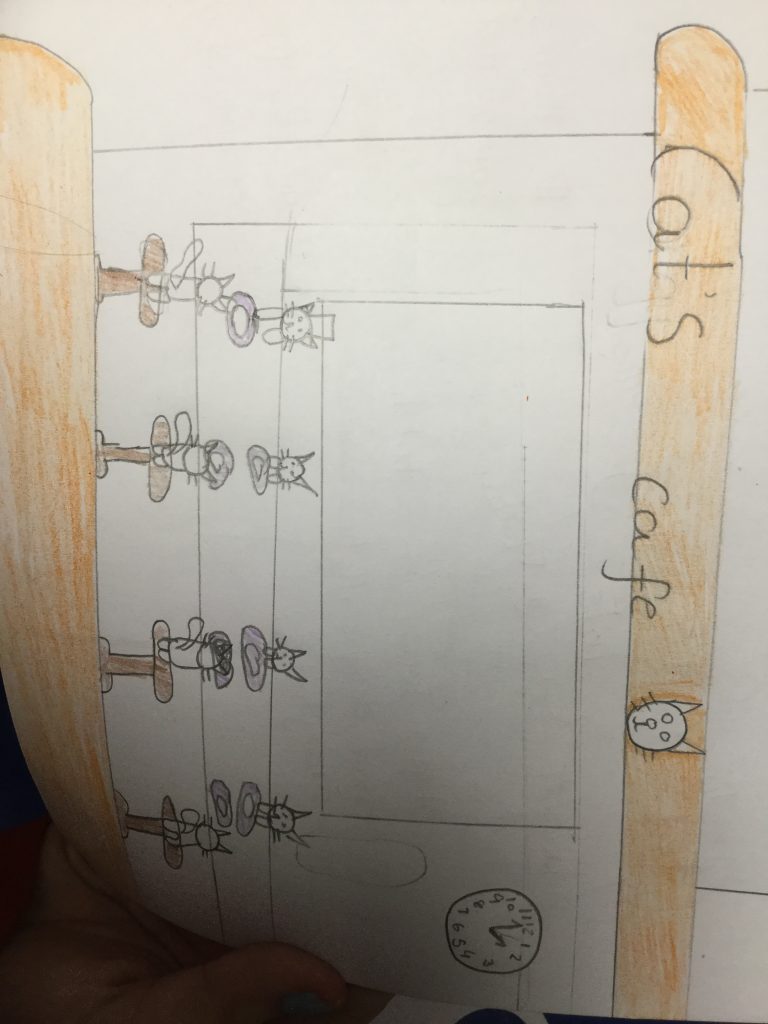
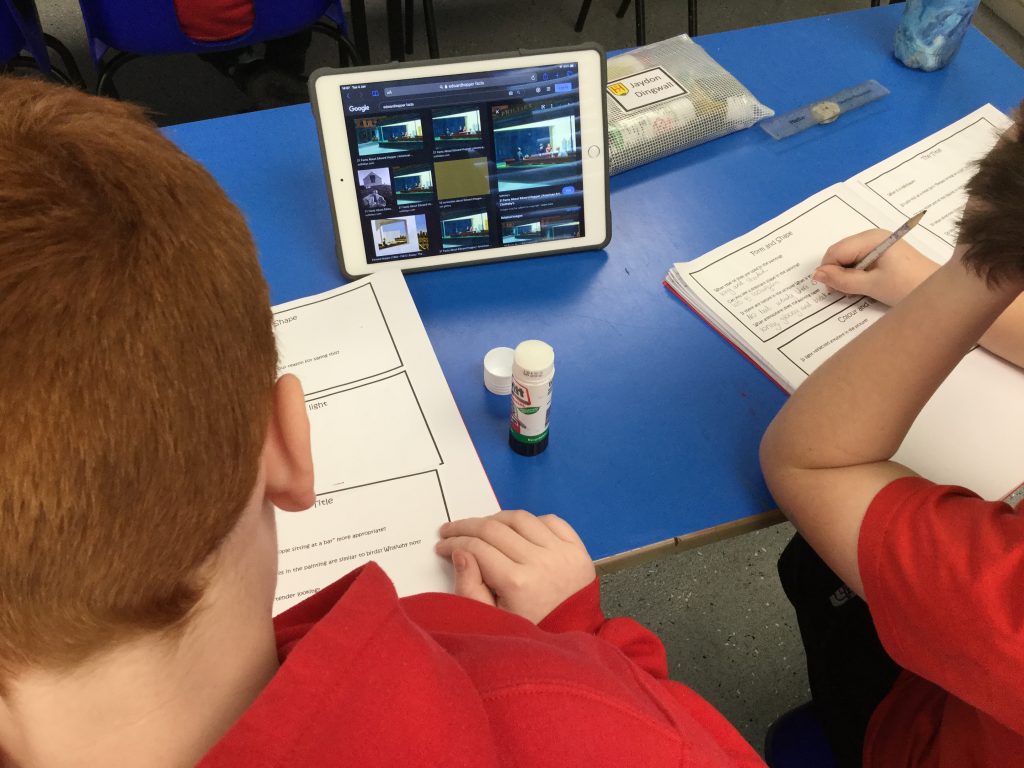
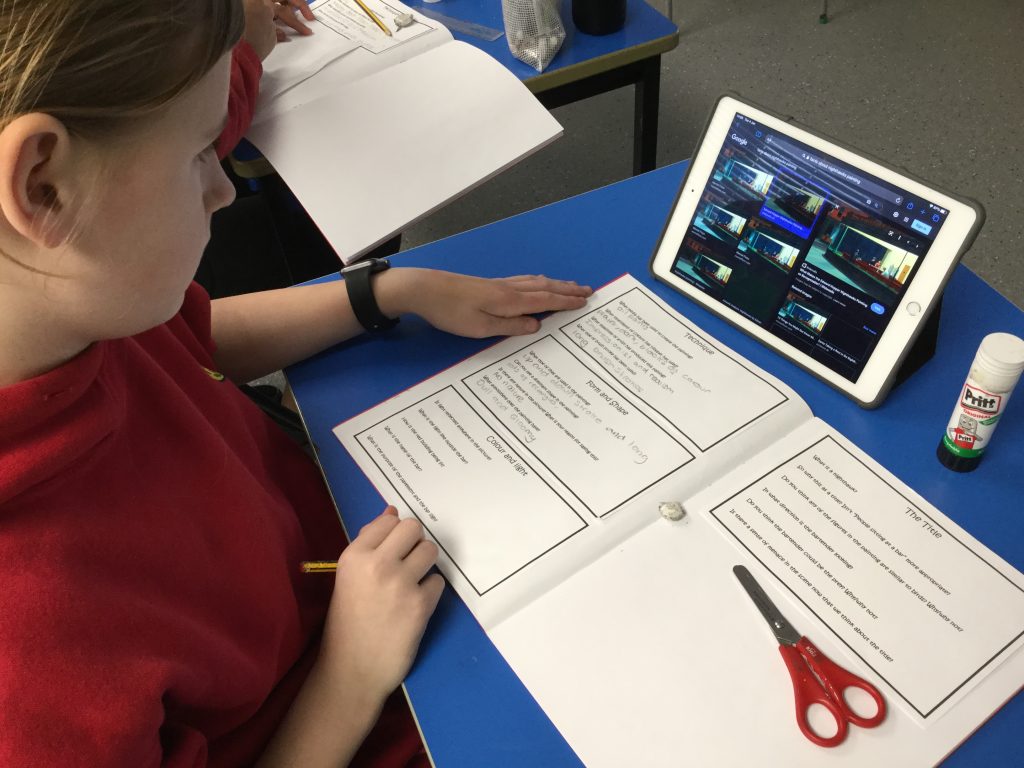
We studied the artist Edward Hopper and really concentrated on his famous piece of artwork, Nighthawks. We completed an art appreciation task that considered form and shape, the title, techniques used, the scene itself and the colour and light used within the painting. It was very interesting listening to others ideas about the painting and being able to share and discus what we thought.
Nighthawks is a 1942 oil on canvas painting that portrays four people in a downtown diner late at night as viewed through the diner’s large glass window. The light coming from the diner illuminates a darkened and deserted urban streetscape shortly after the attack on Pearl Harbour during the Second World War in 1941.
It has been described as Hopper’s best-known work and is one of the most recognisable paintings in American art. Within months of its completion, it was sold to the Art Institute of Chicago on May 13, 1942, for $3,000.