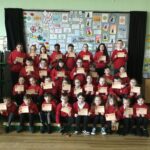
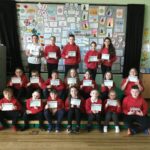
Well done to those children who have managed one full term’s attendance and received a bronze certificate and wrist band and well done to those children who have managed two full term’s attendance and received a silver certificate and wrist band.
Post inside this category will show up on the front page
Well done to those children who have managed one full term’s attendance and received a bronze certificate and wrist band and well done to those children who have managed two full term’s attendance and received a silver certificate and wrist band.
https://forms.office.com/r/0kTspz3W4T


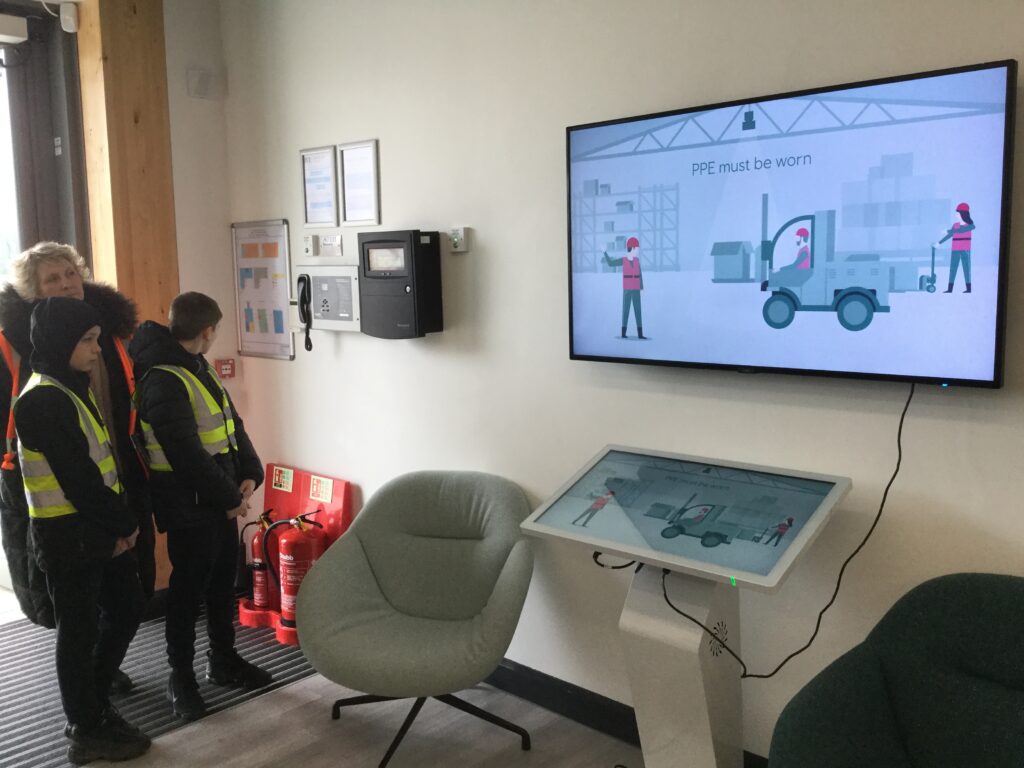
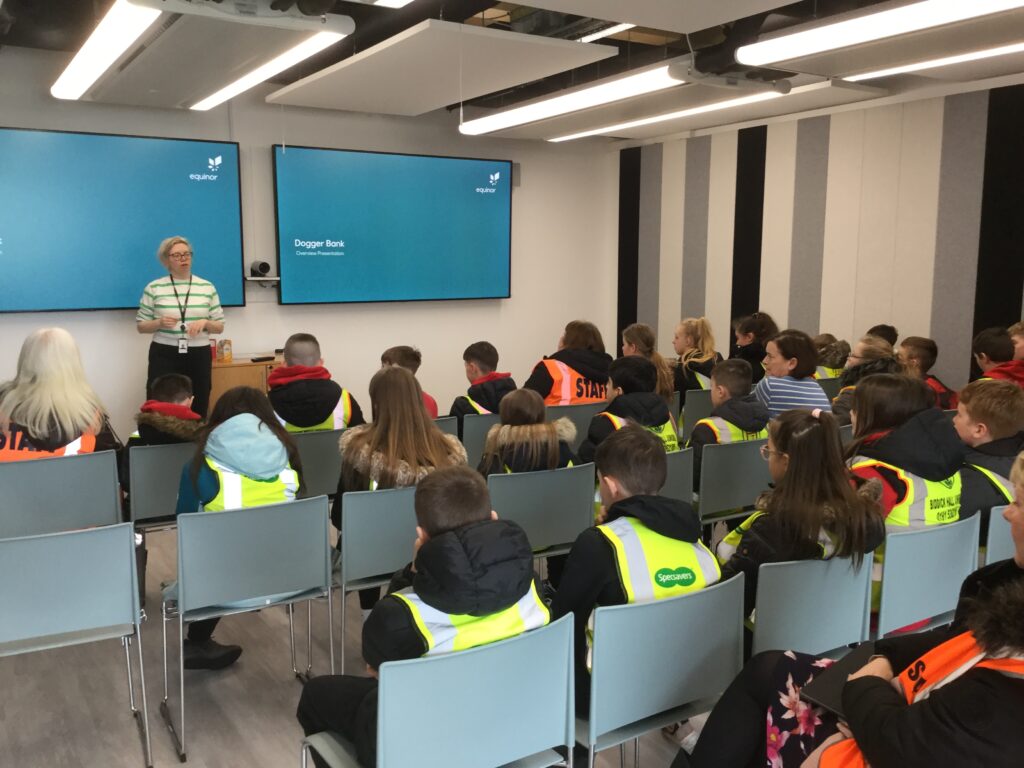
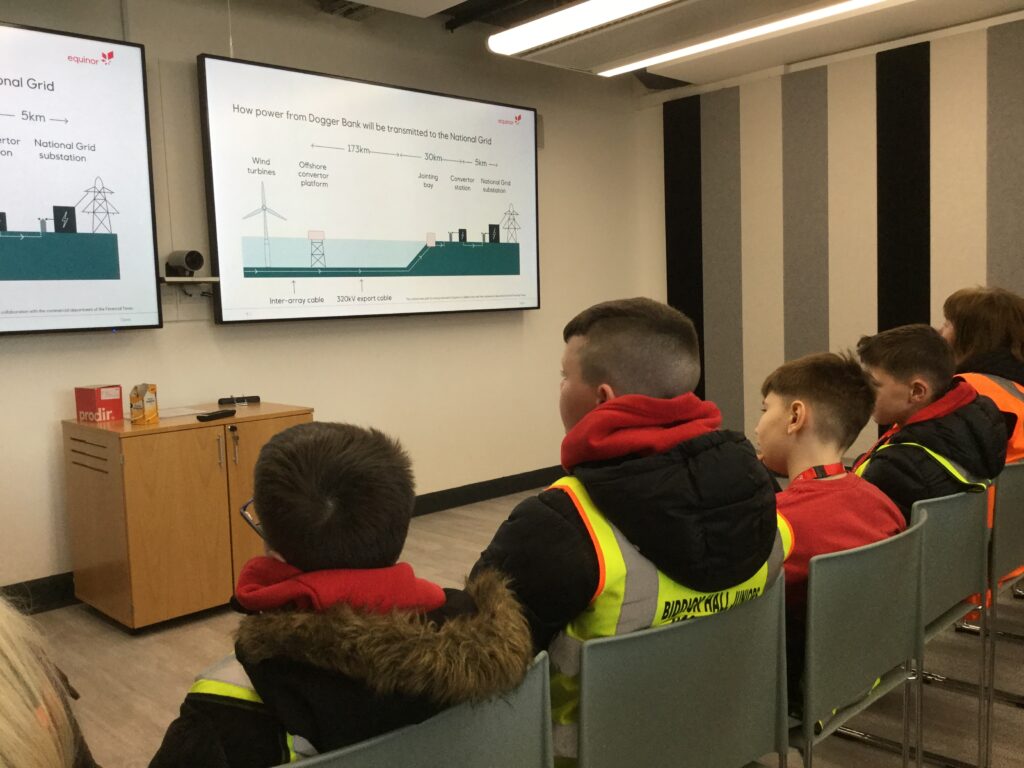
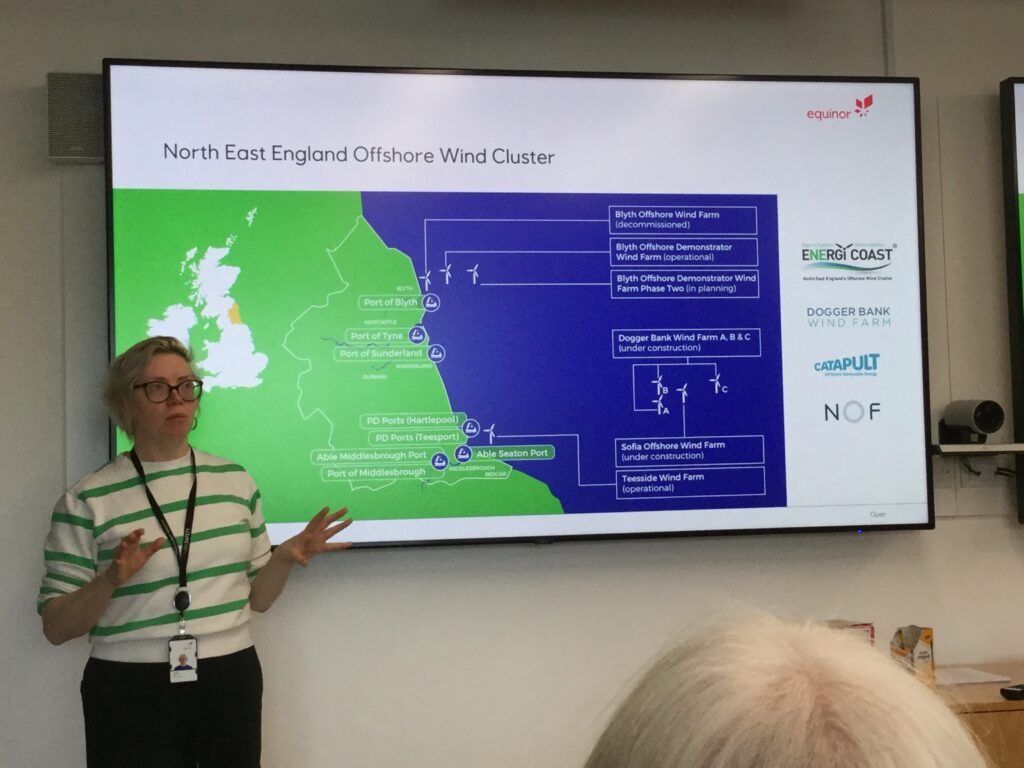
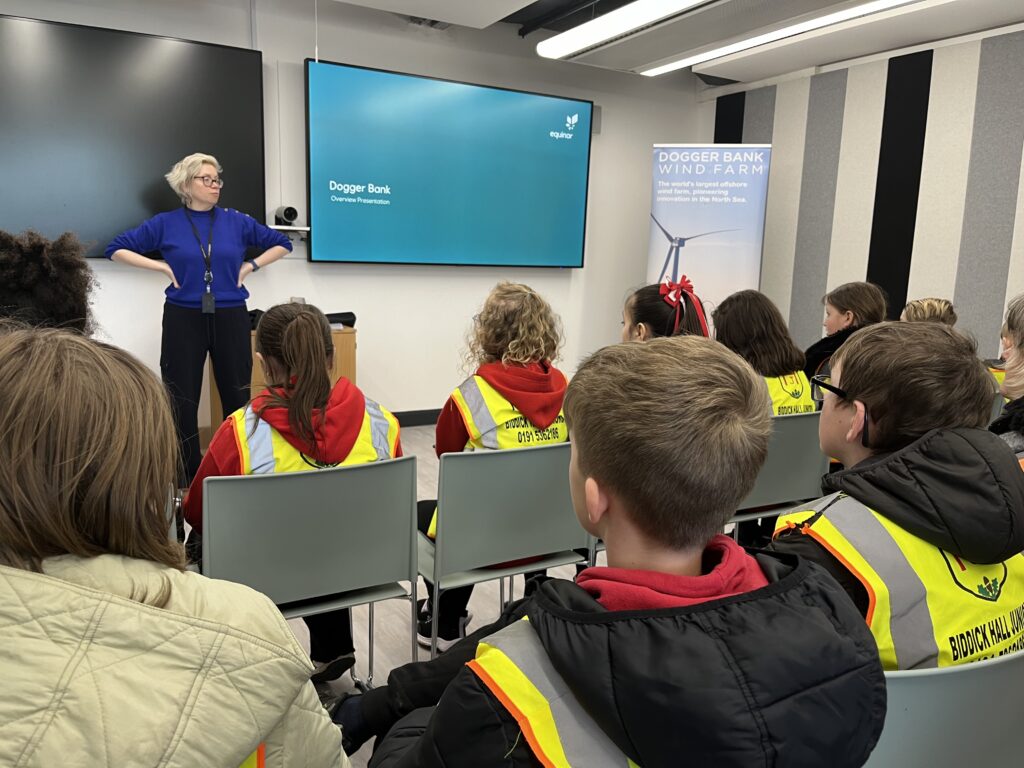
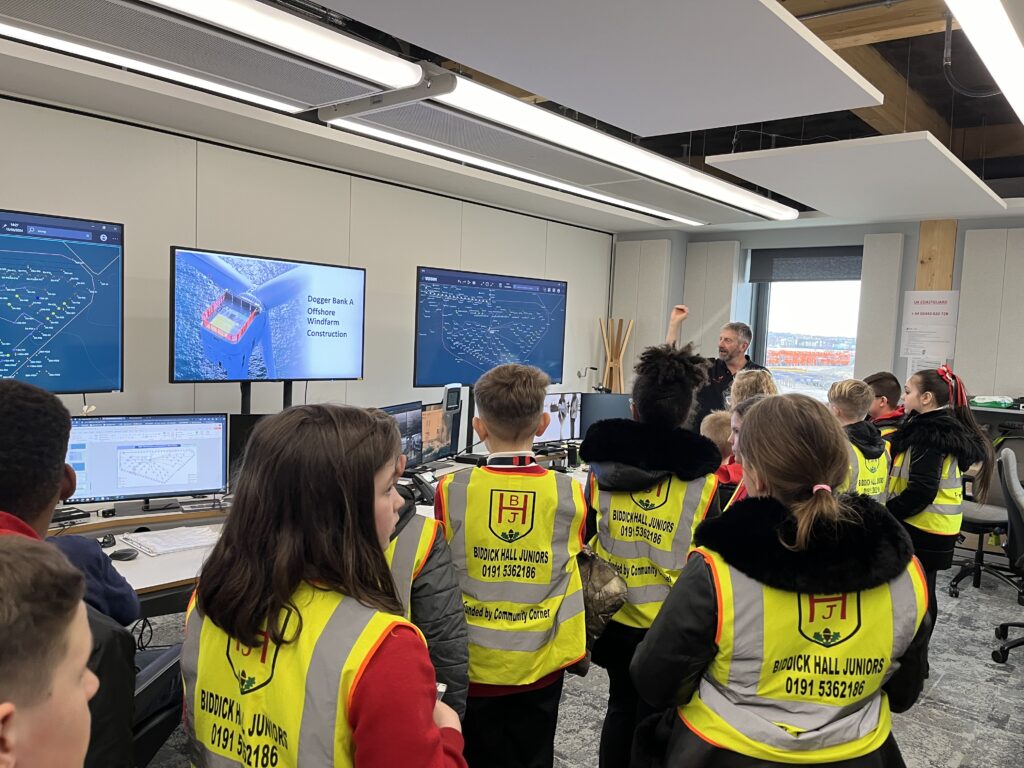
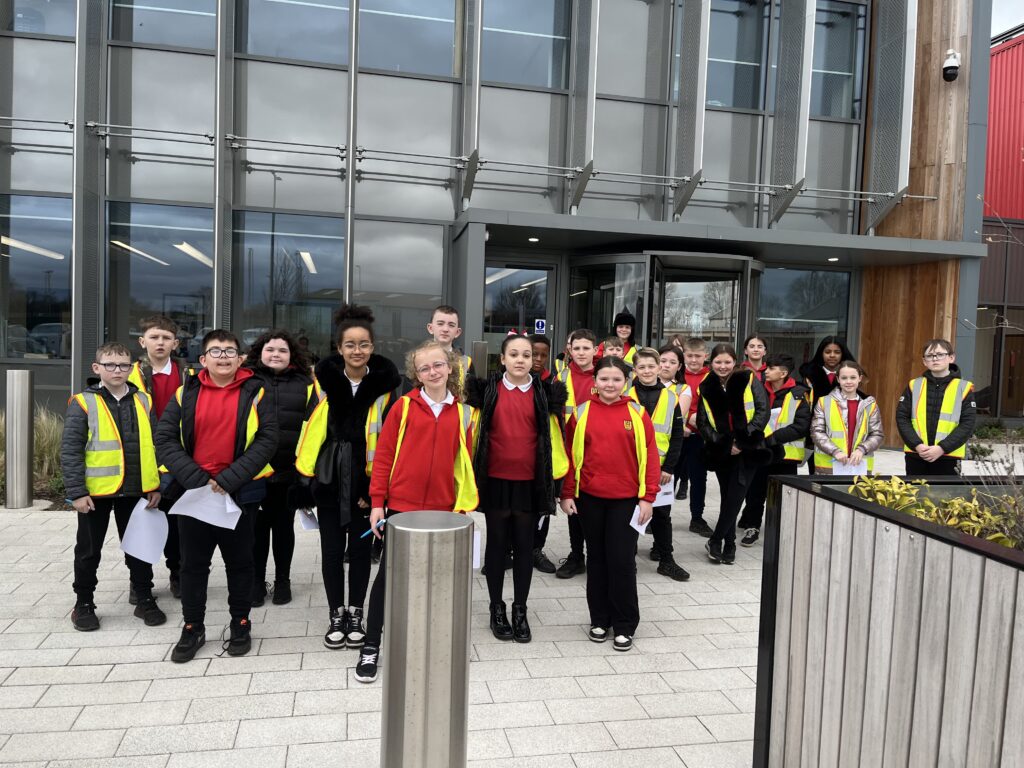
As a year group we visited Dogger Bank which is North East England’s offshore wind cluster. We learned about how companies such as Equinor are working hard to revolutionise renewable energy with wind farms using the awesome power of the North Sea wind. It was very interesting and aspirational too with lots of children learning about a range of jobs and company benefits in this industry. This trip linked well to our Geography topic ‘Energy’ but also with STEM too.
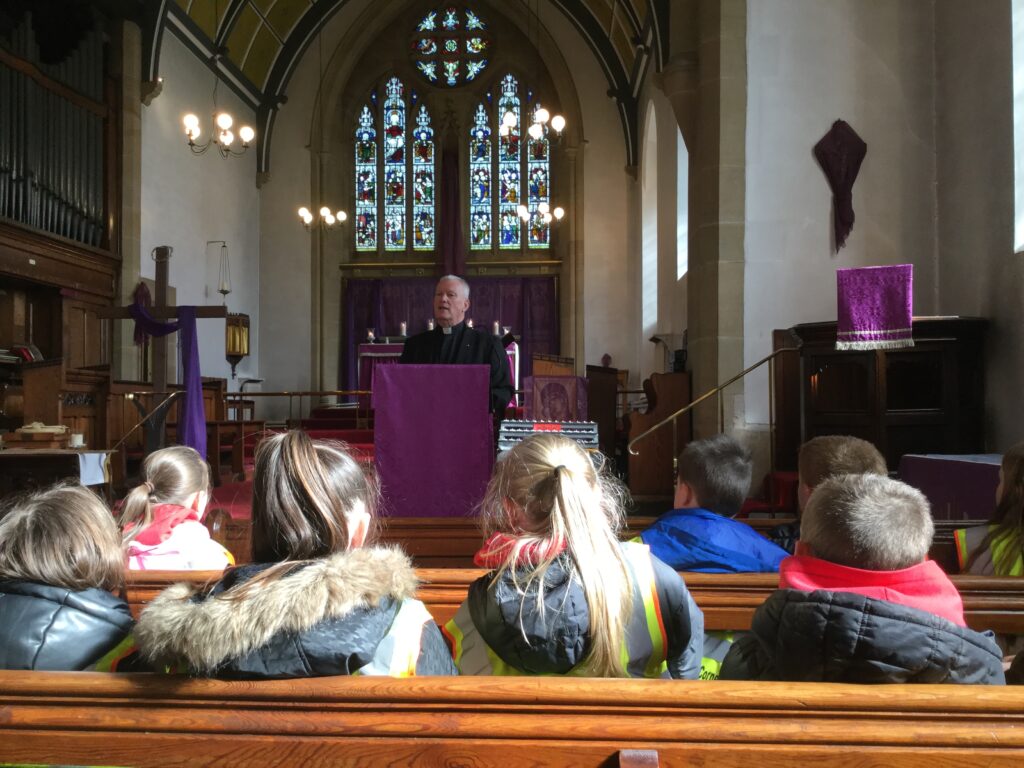
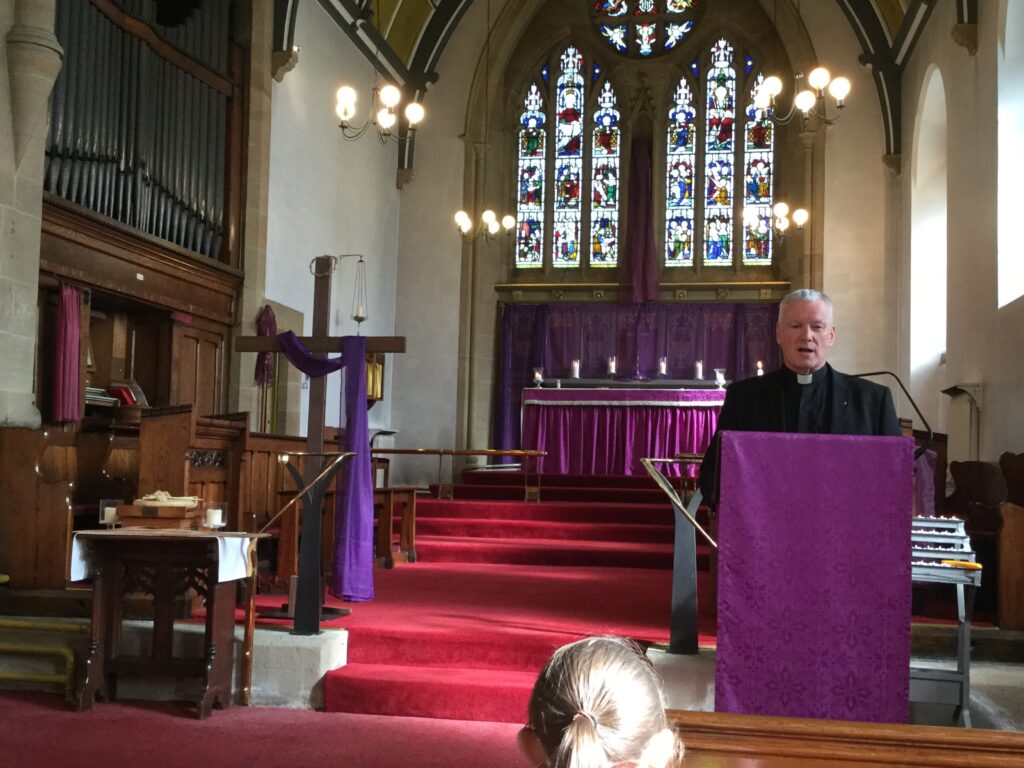
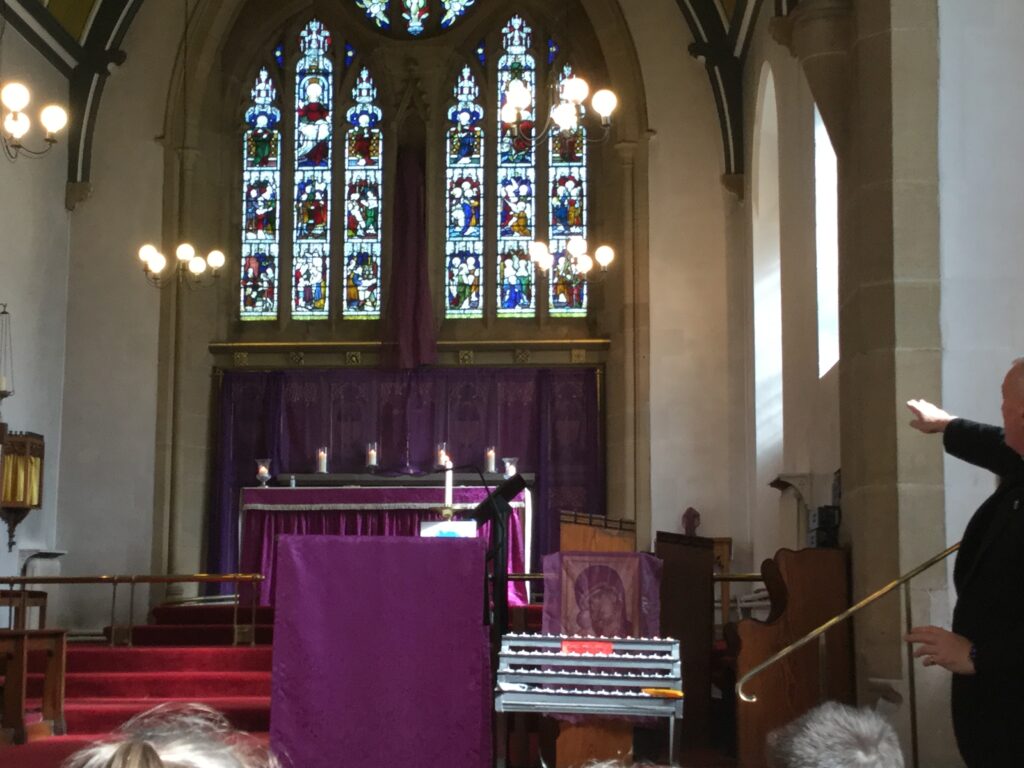
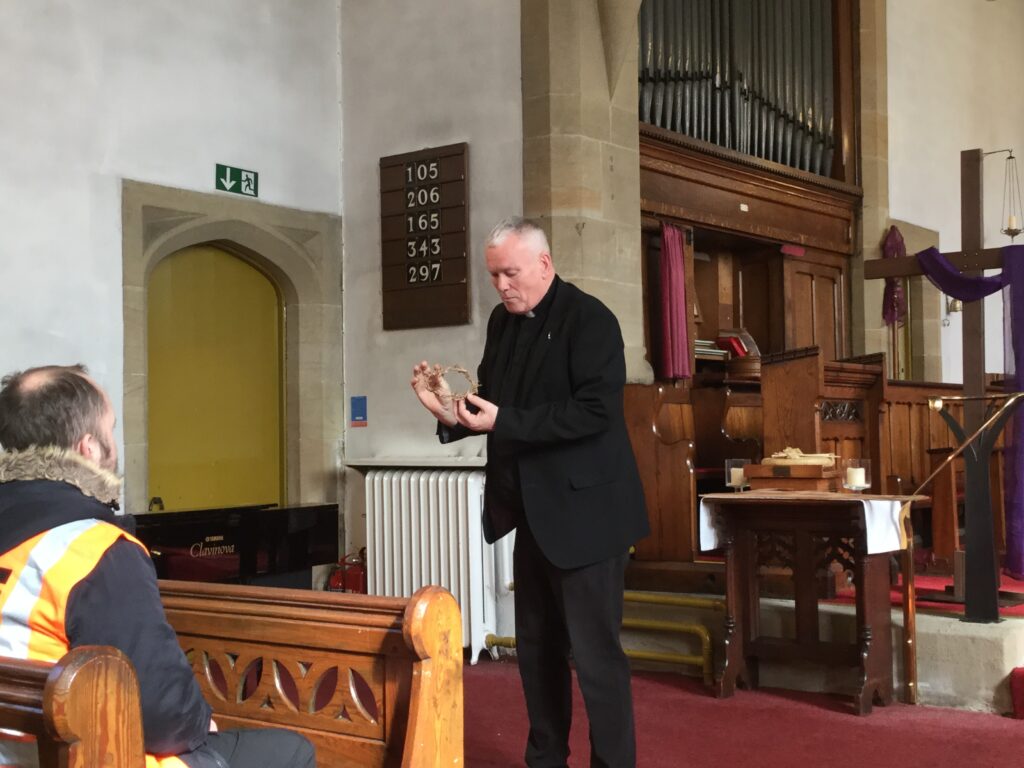
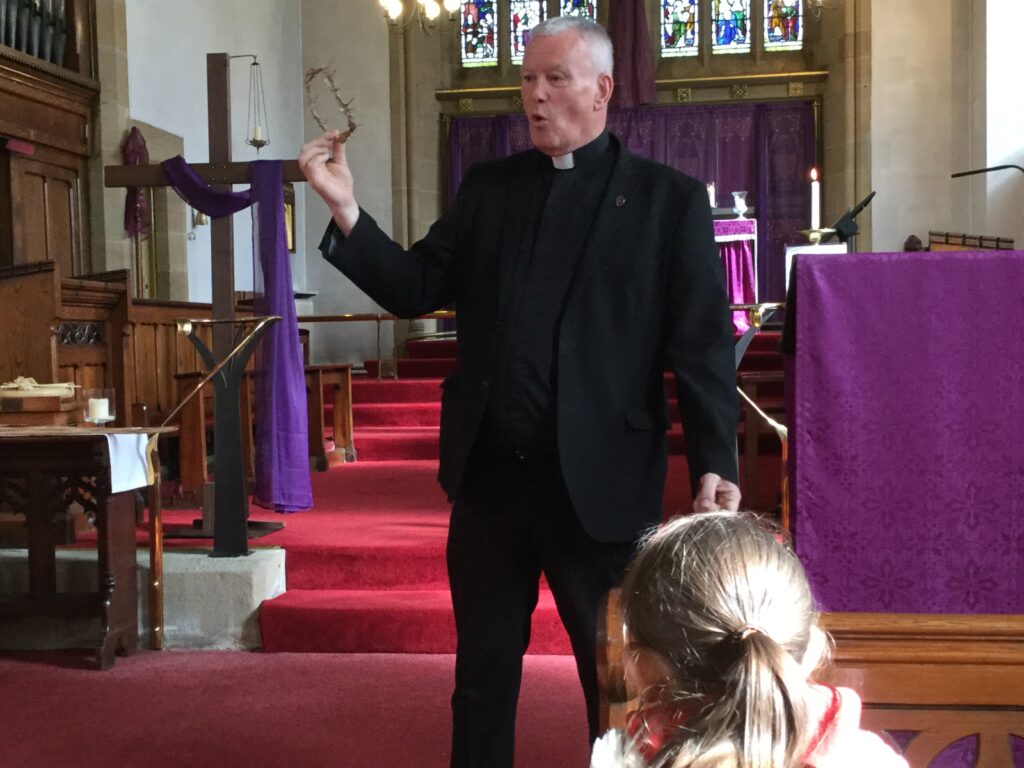
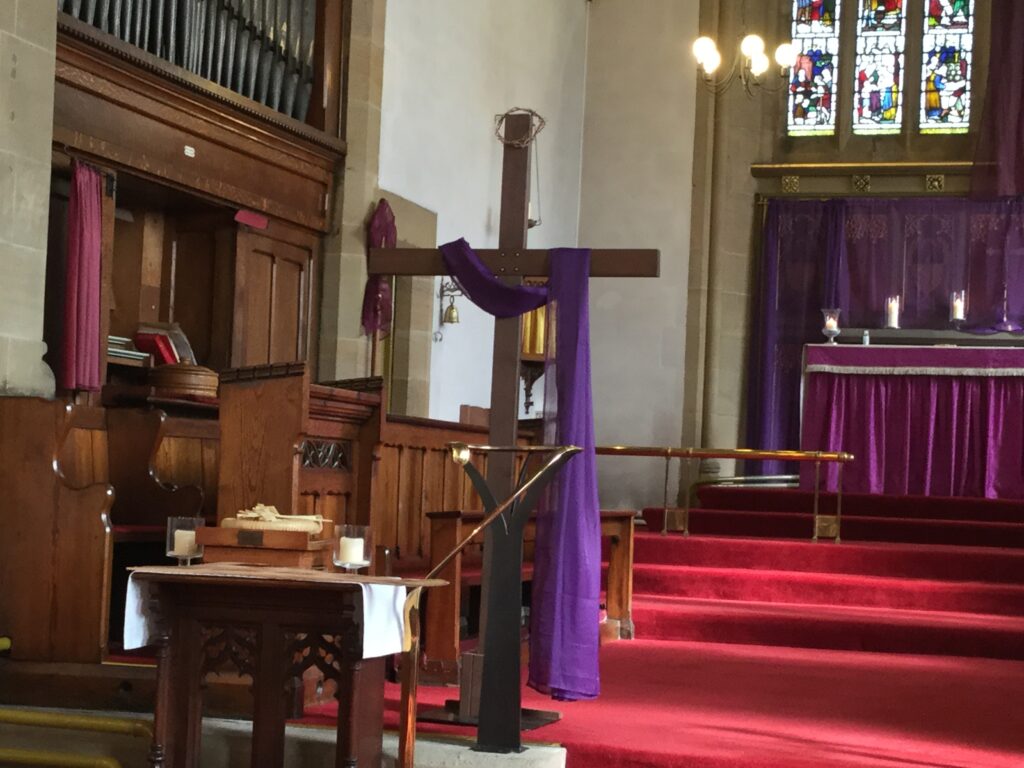
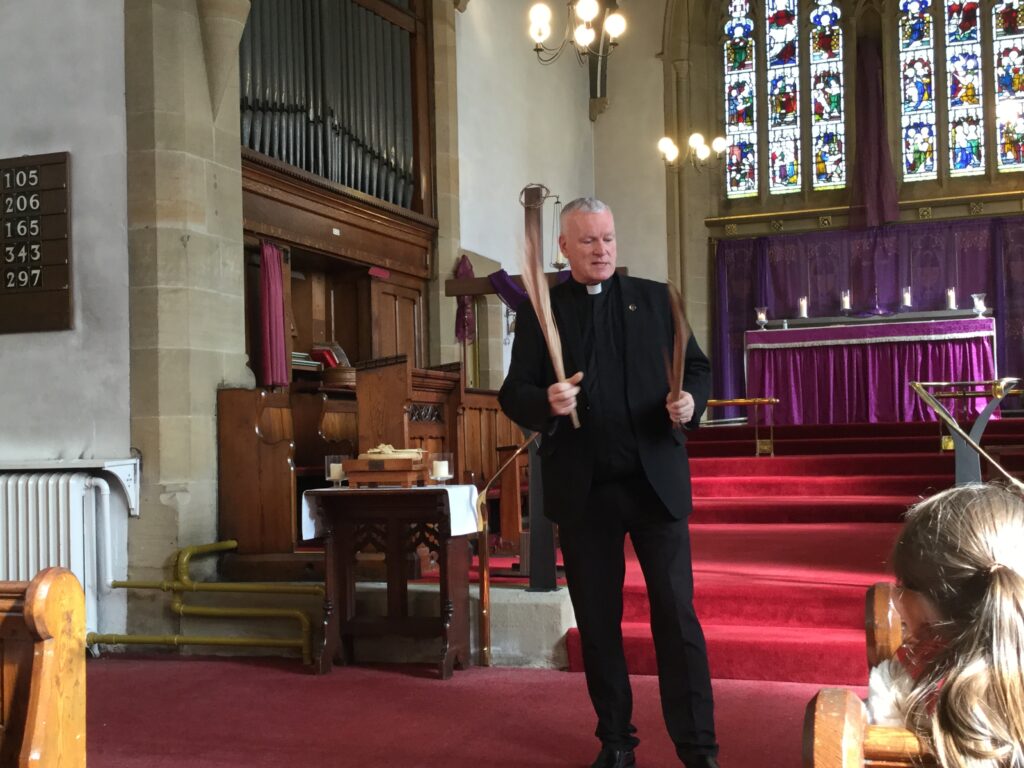
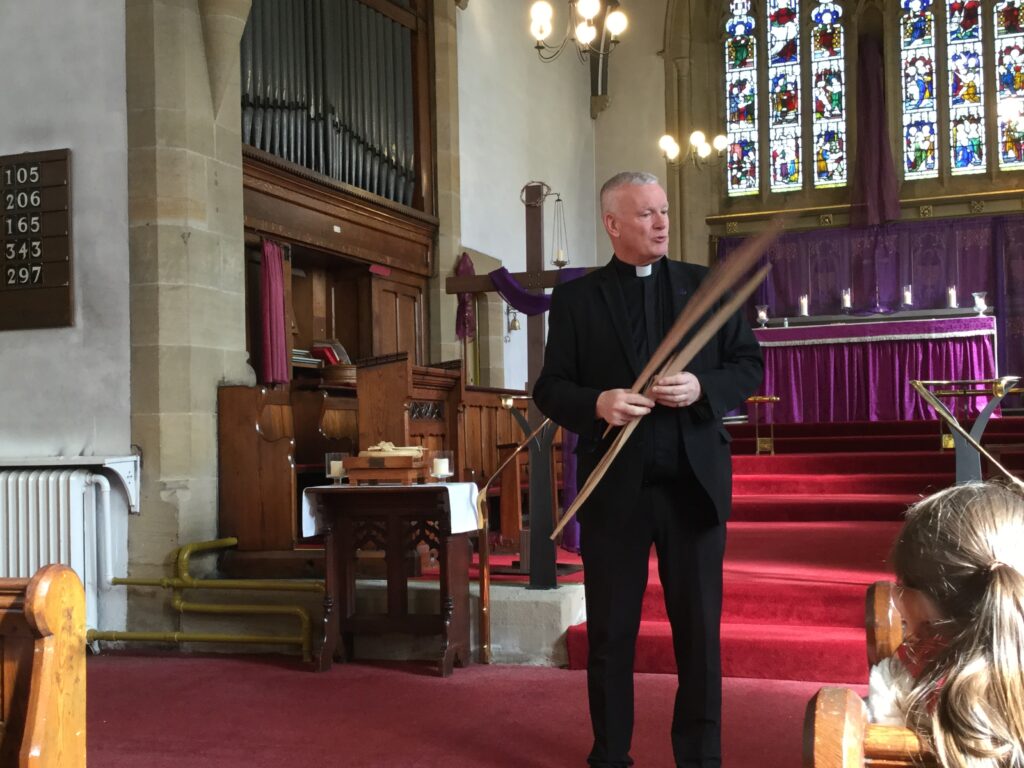
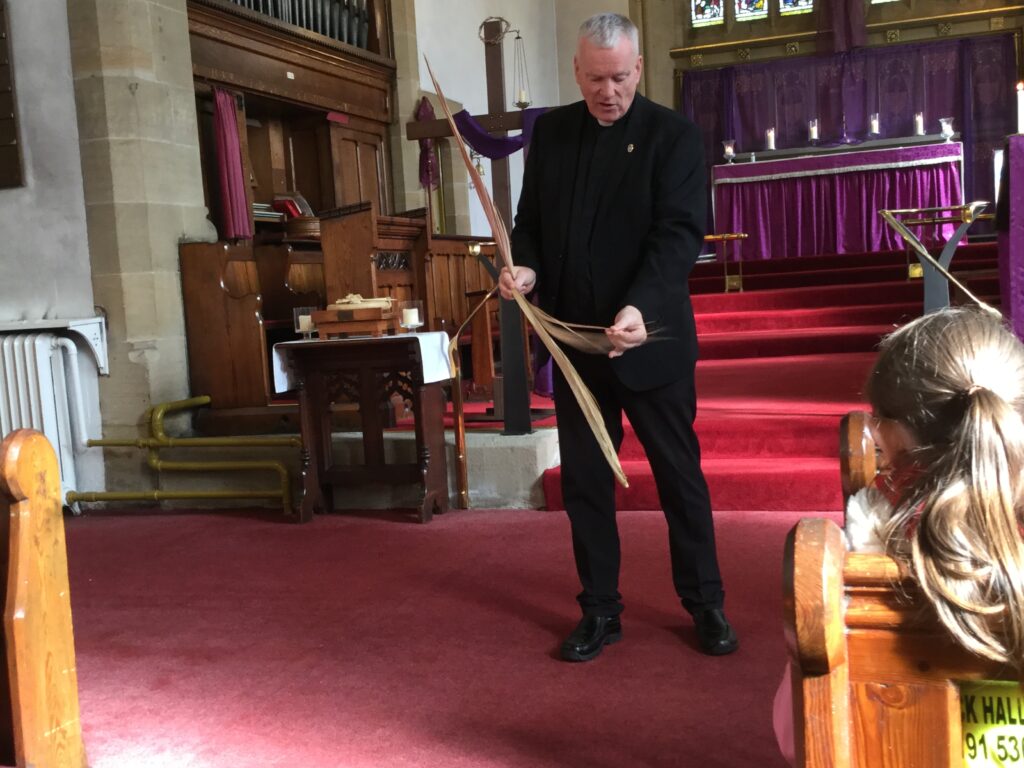
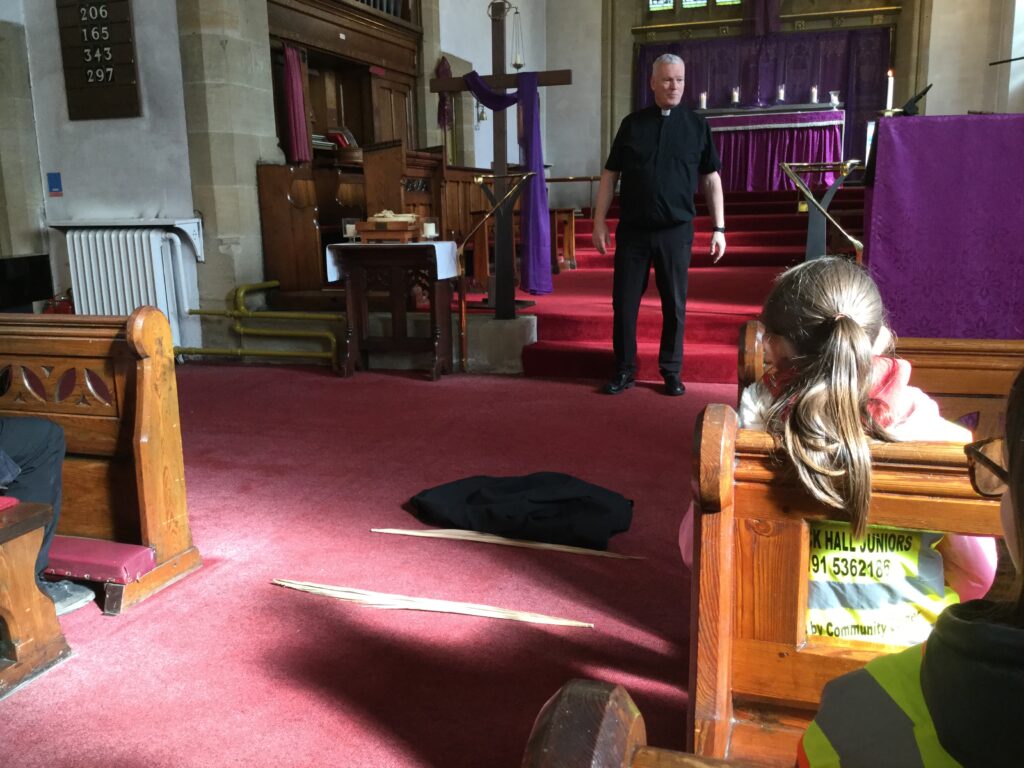
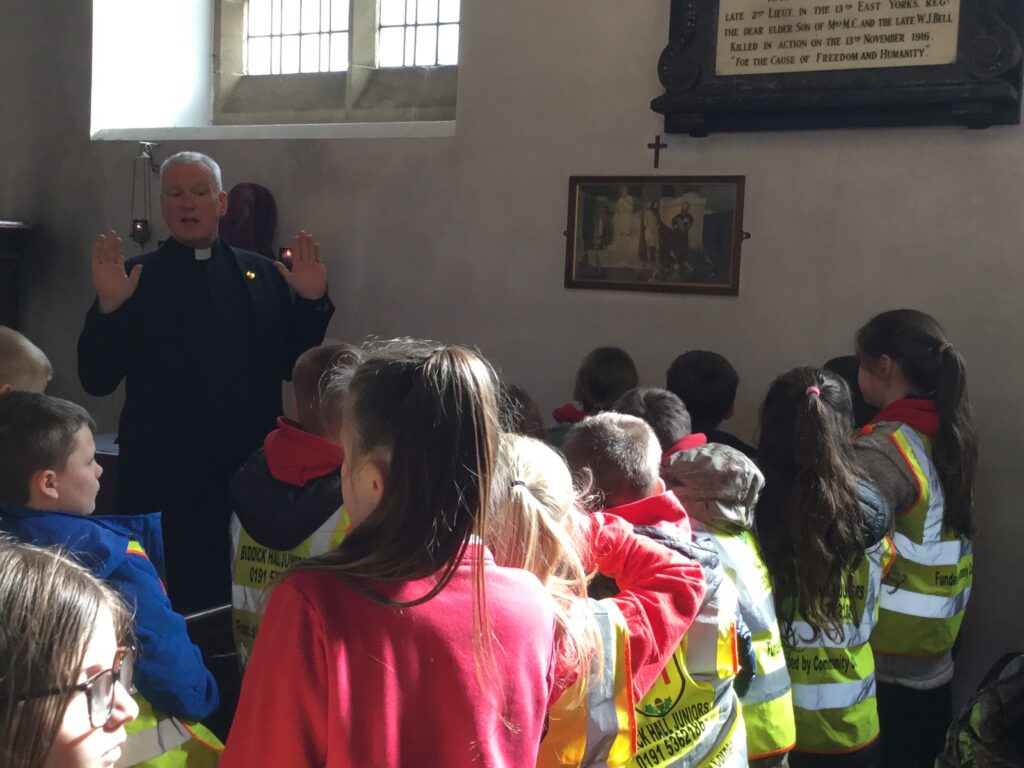
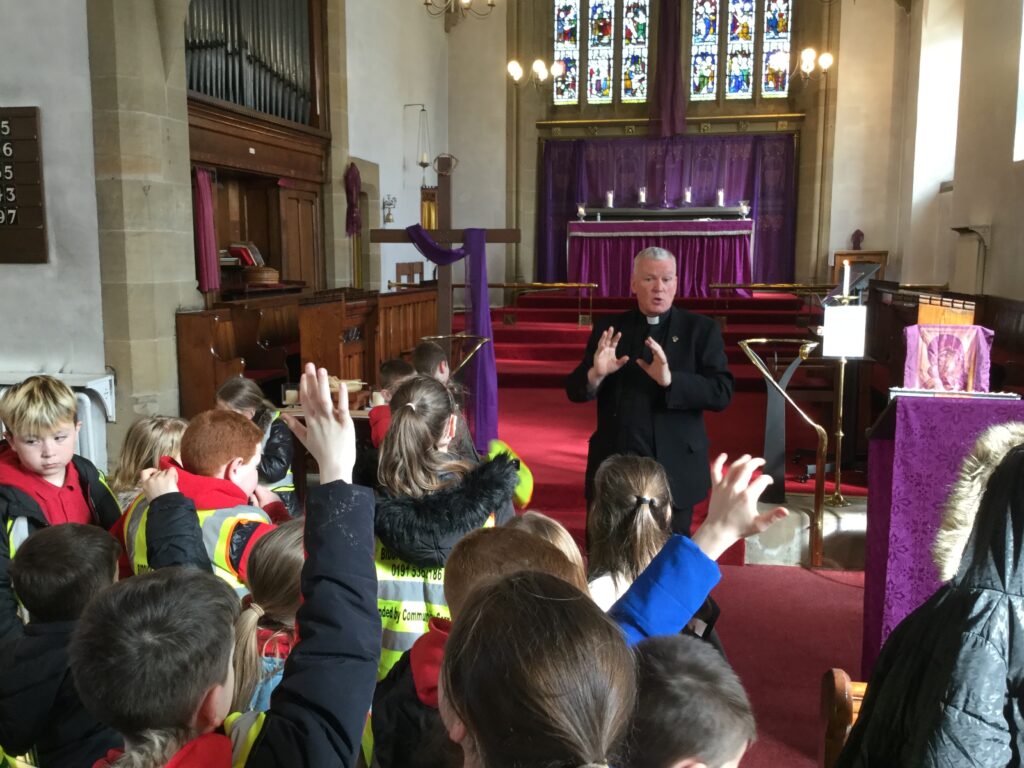
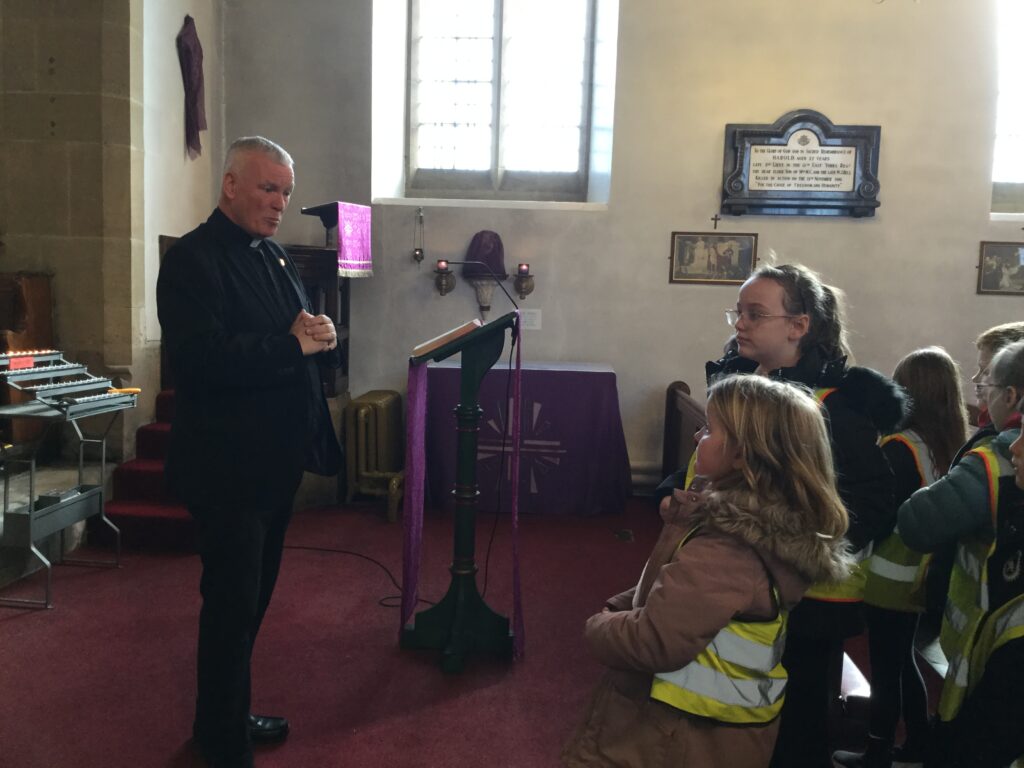
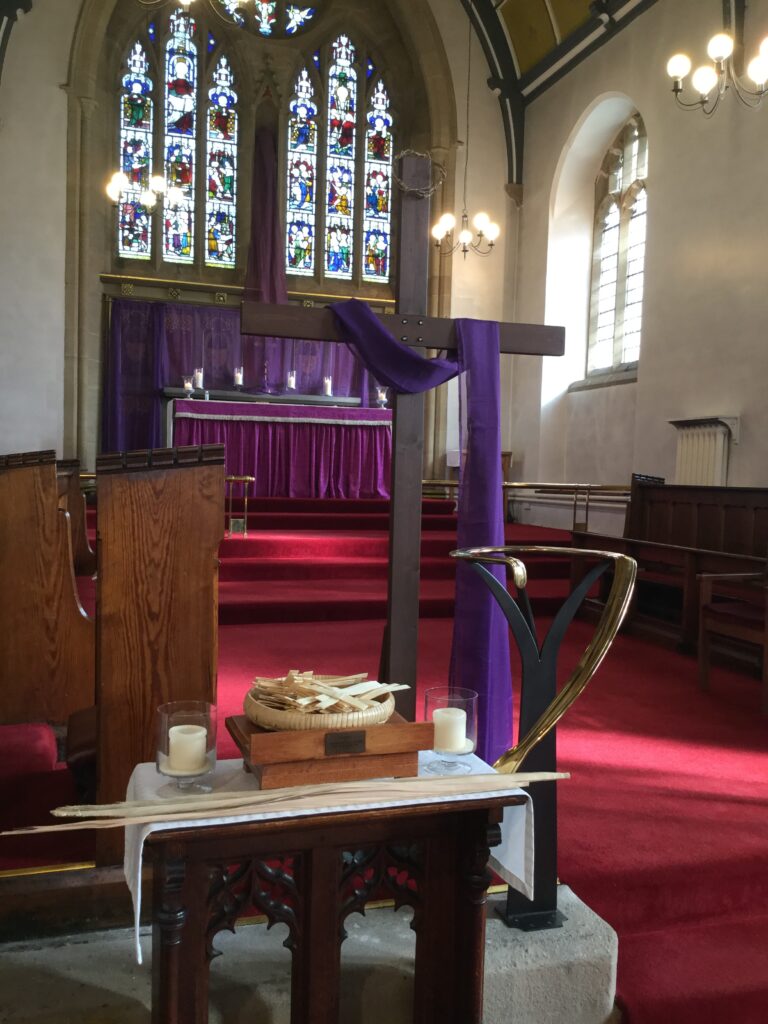
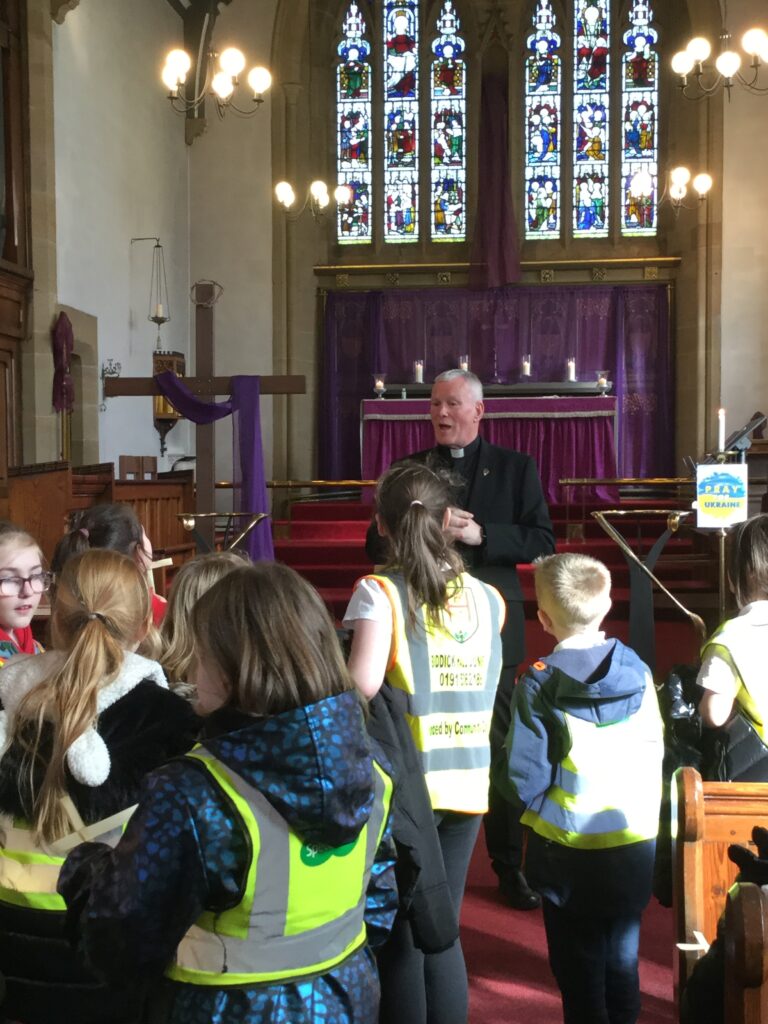
Year 4 visited Father Thompson at All Saints Church to learn about why Lent is such an important period for Christians. We noticed that the church was decorated in purple, looked at a crown of thorns and pictures on the walls depicting, the stations of the cross, which tells the story of Jesus carrying his cross and being crucified.
Congratulations Biddick Hall Junior School
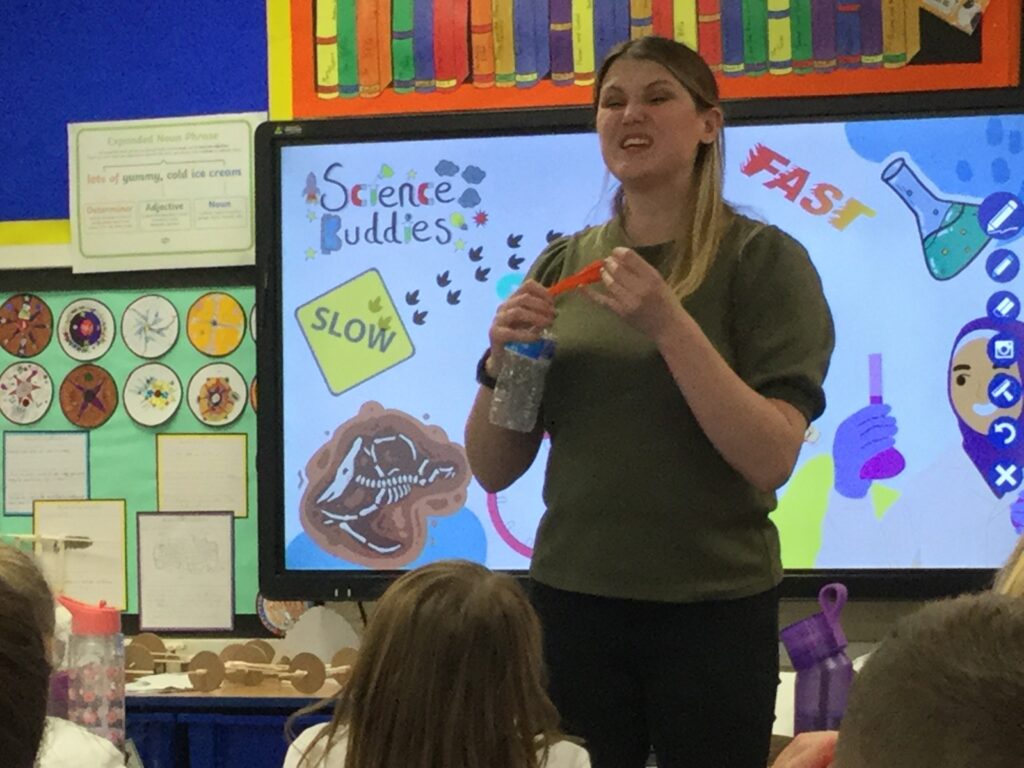
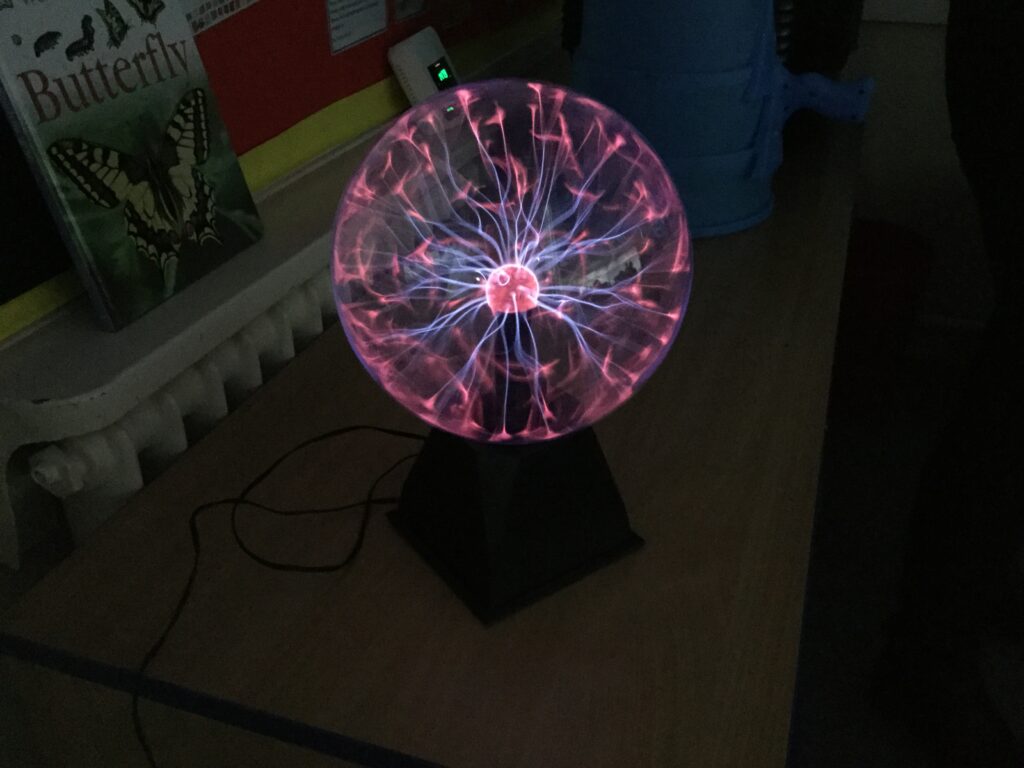
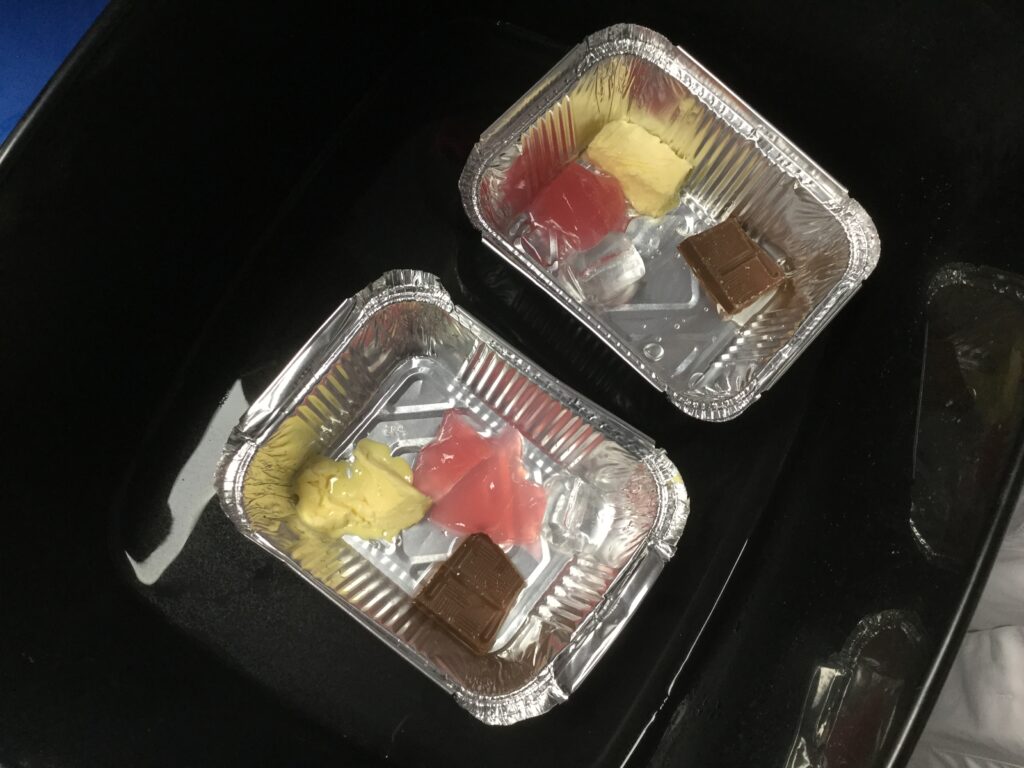
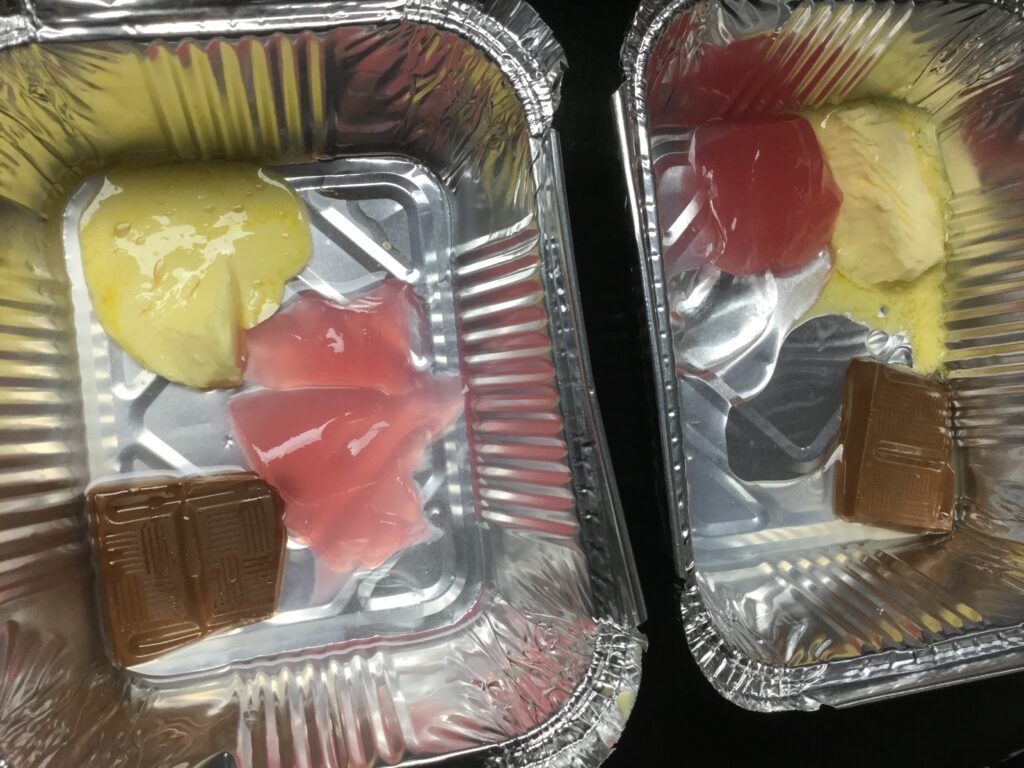
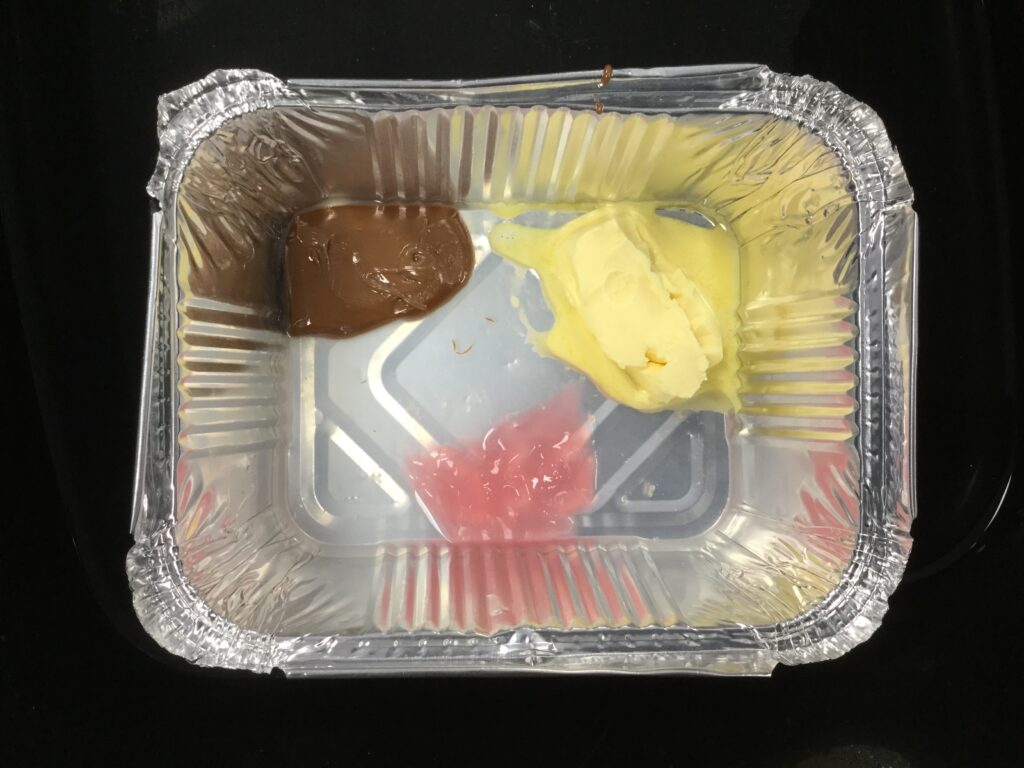
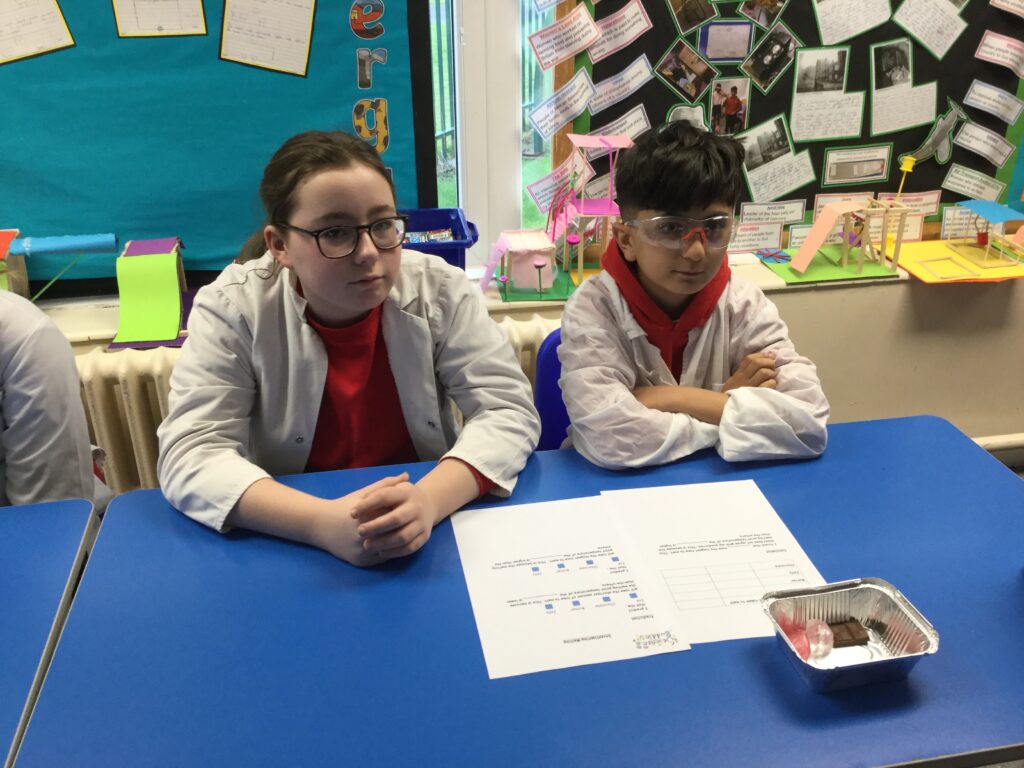
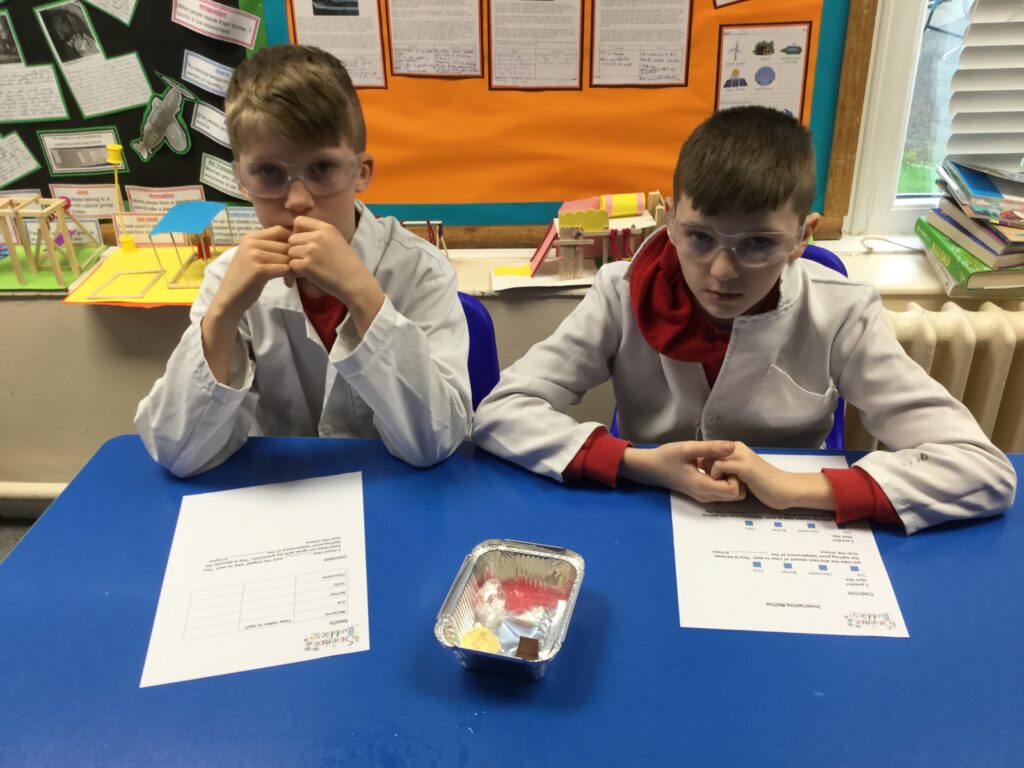
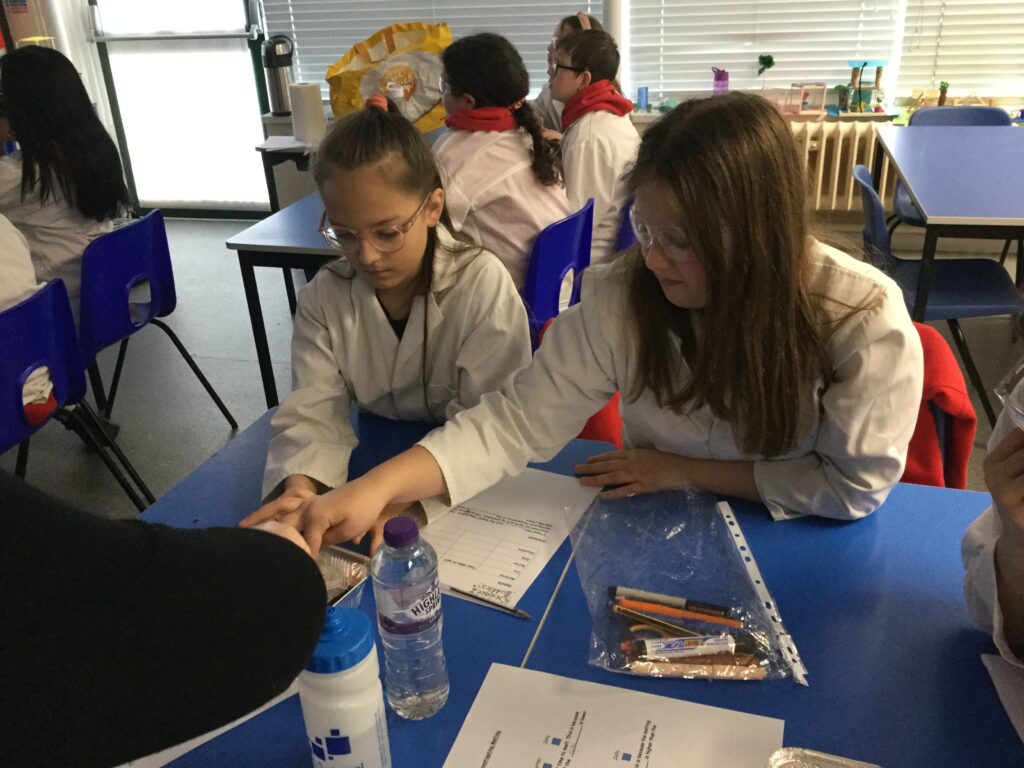
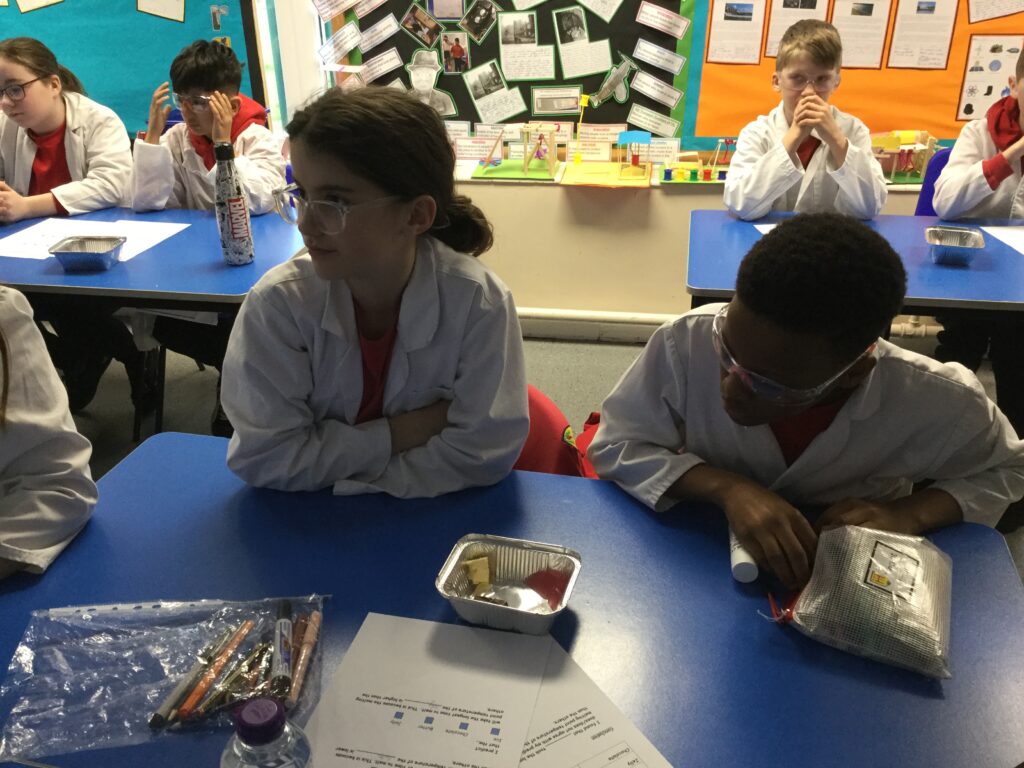
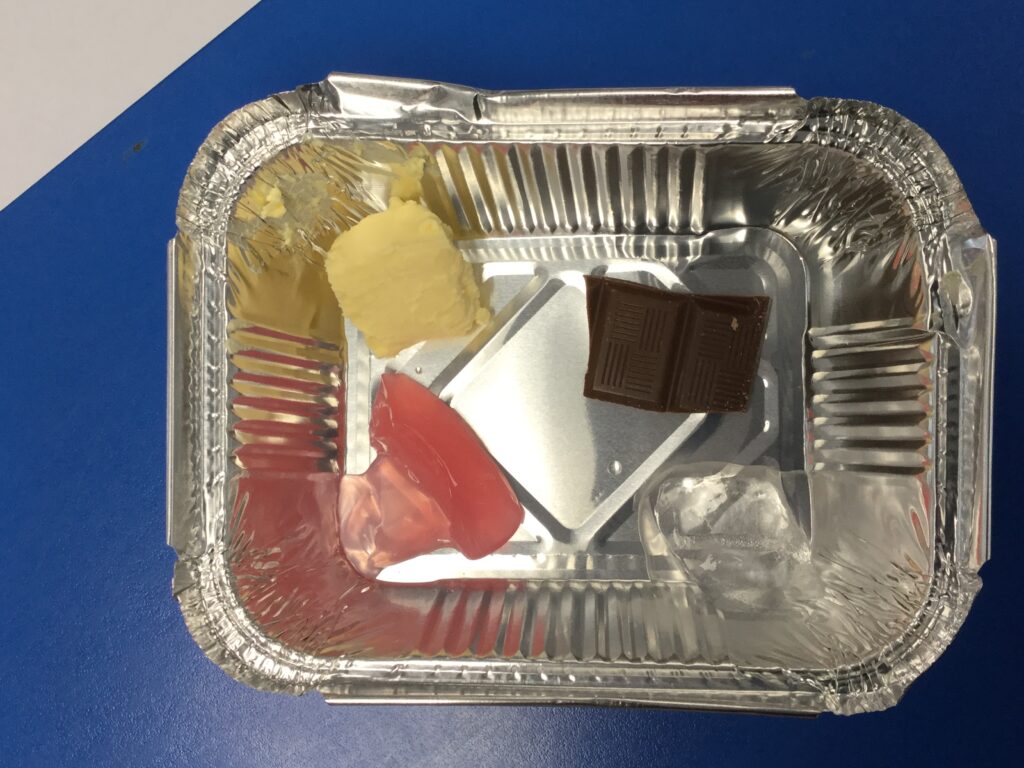
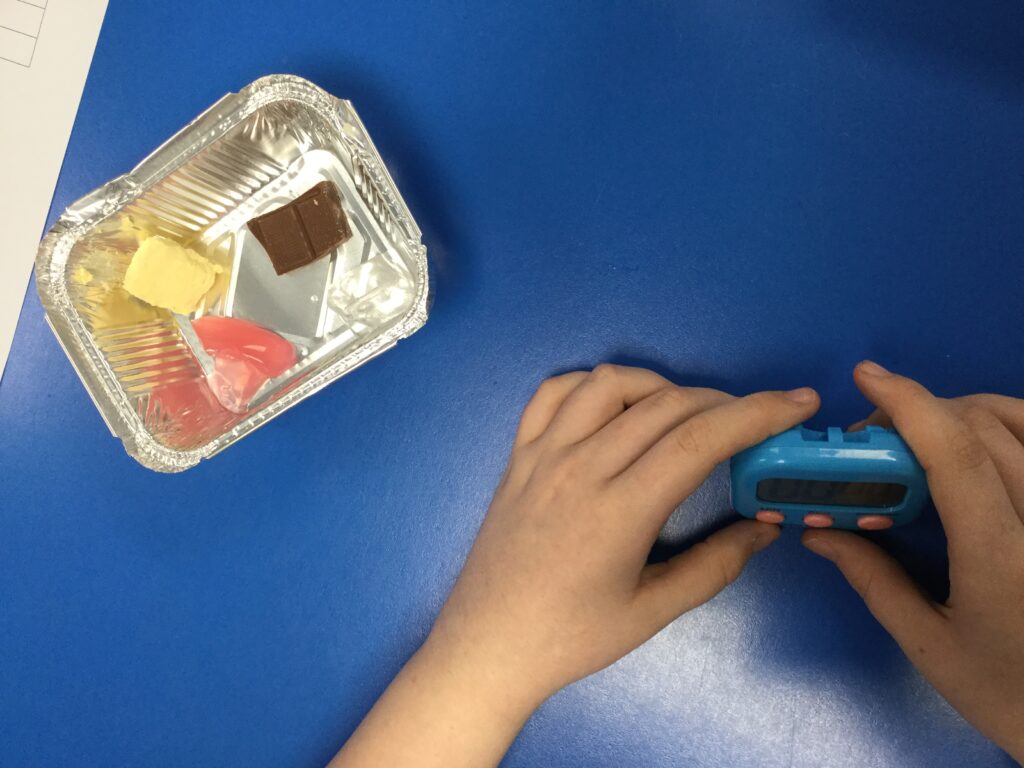
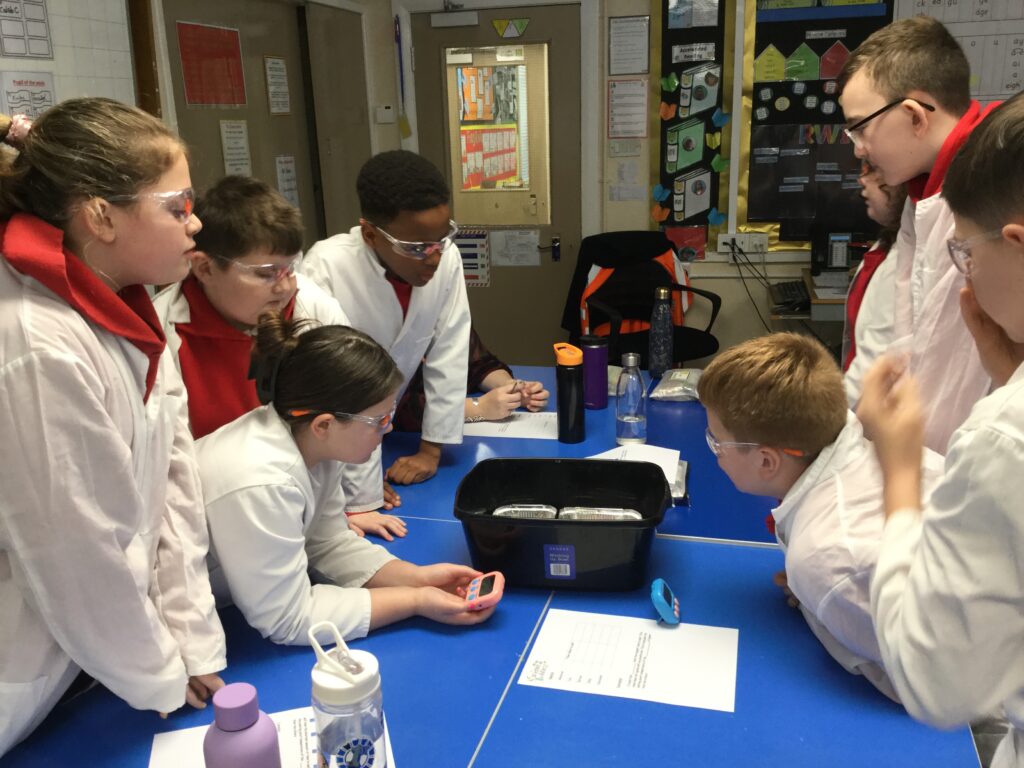
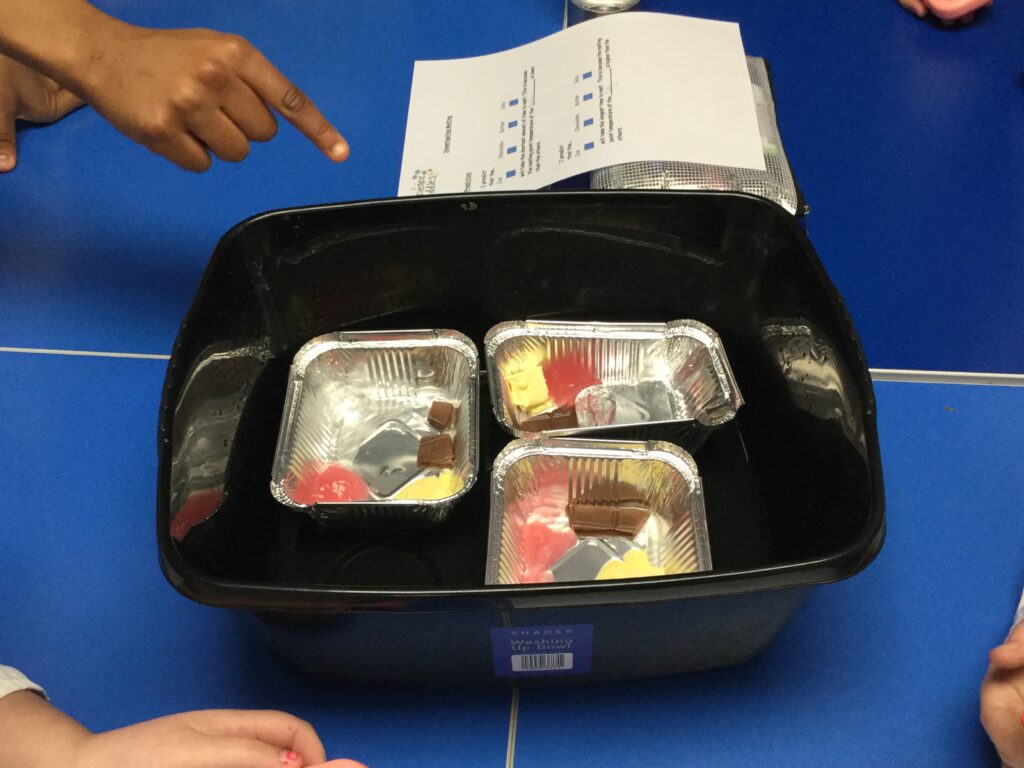
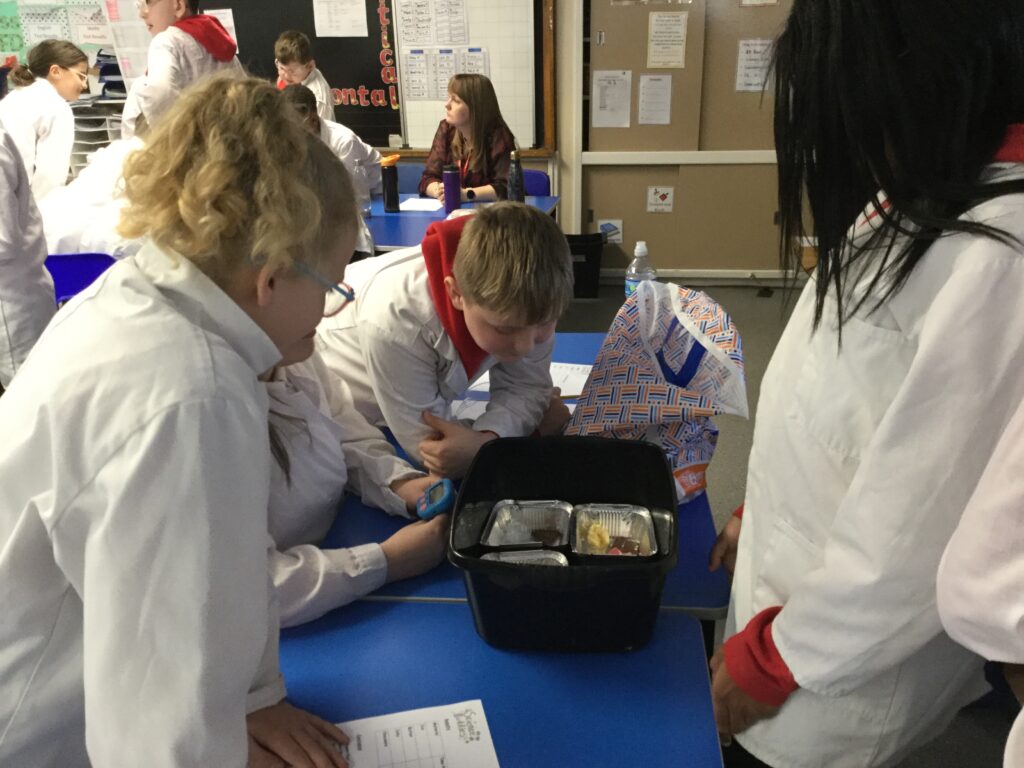
Rachel from Science Buddies visited year 6 in Science Week to discuss experiments linked to ‘time’. We look at instantaneous results like touching a plasma ball, quick results like how to suck an egg into a flask using a lit match and then a longer time investigation which involved the melting time of chocolate, jelly, ice and butter in hot water and observing how water walks over time.
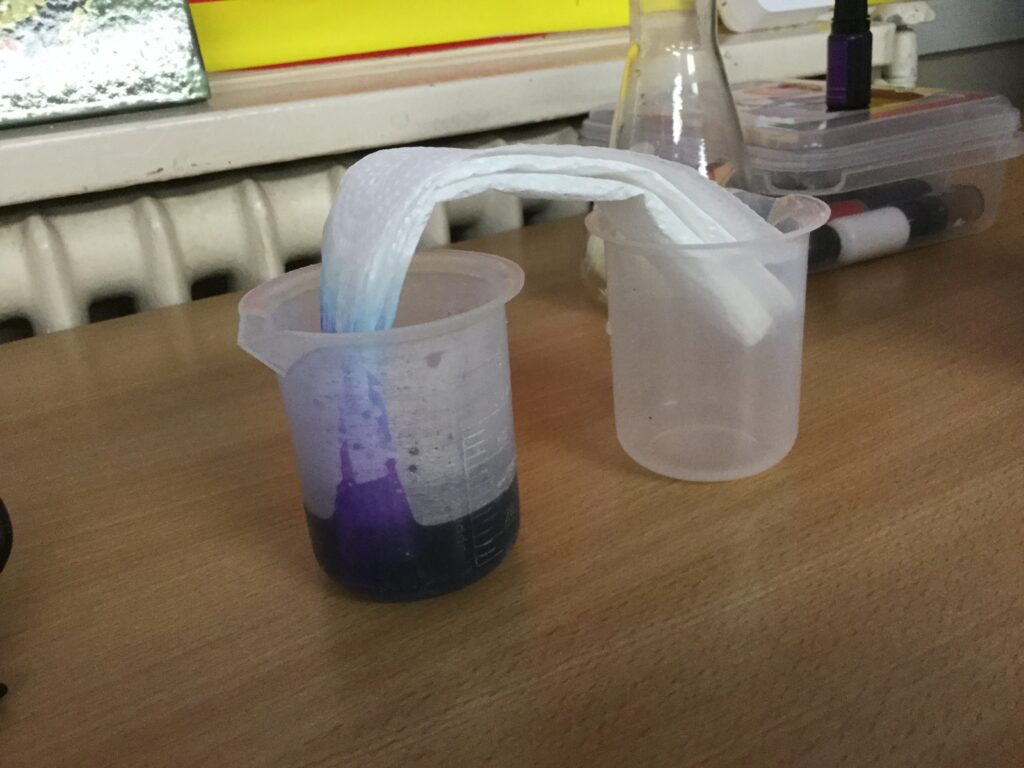
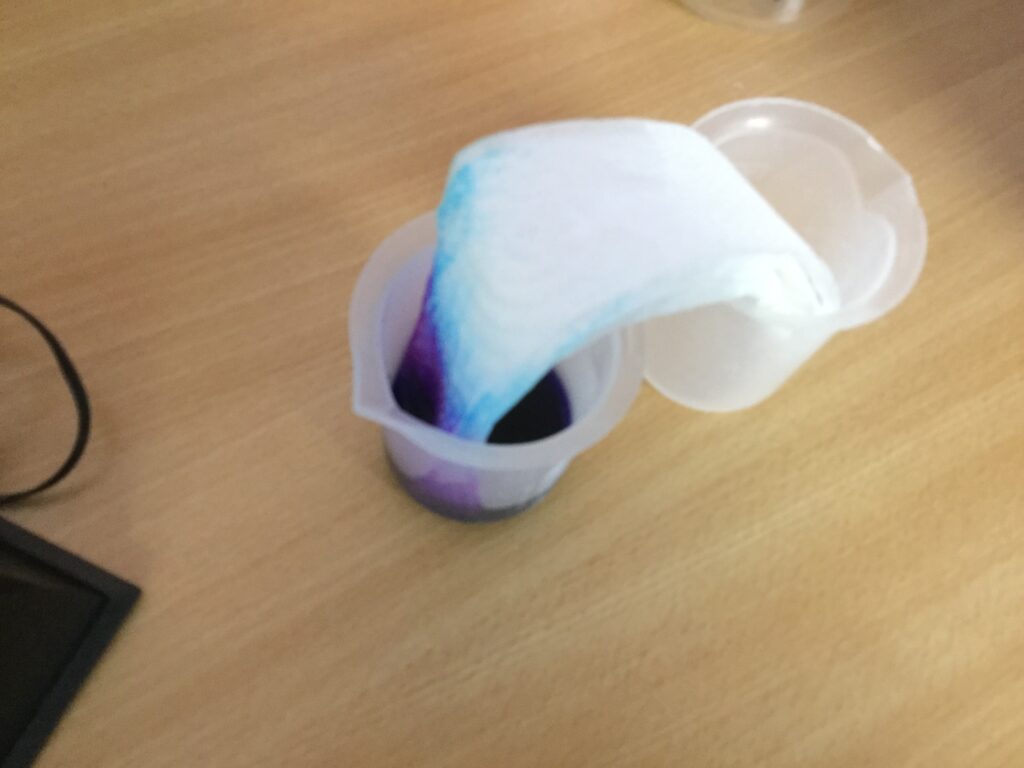
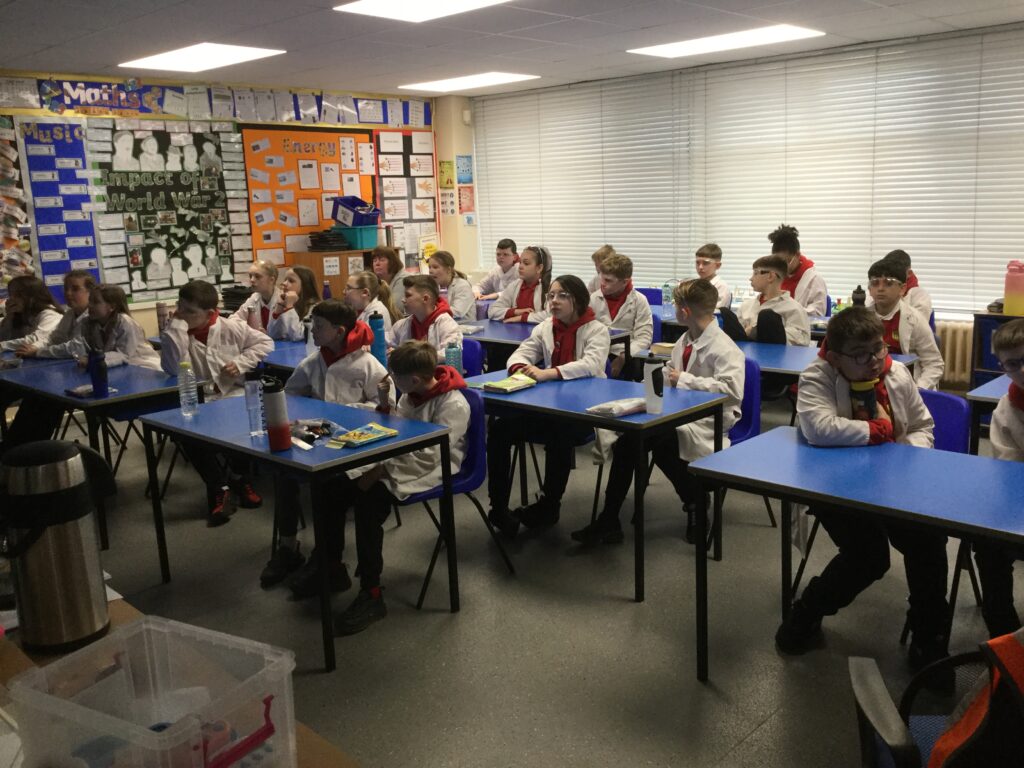
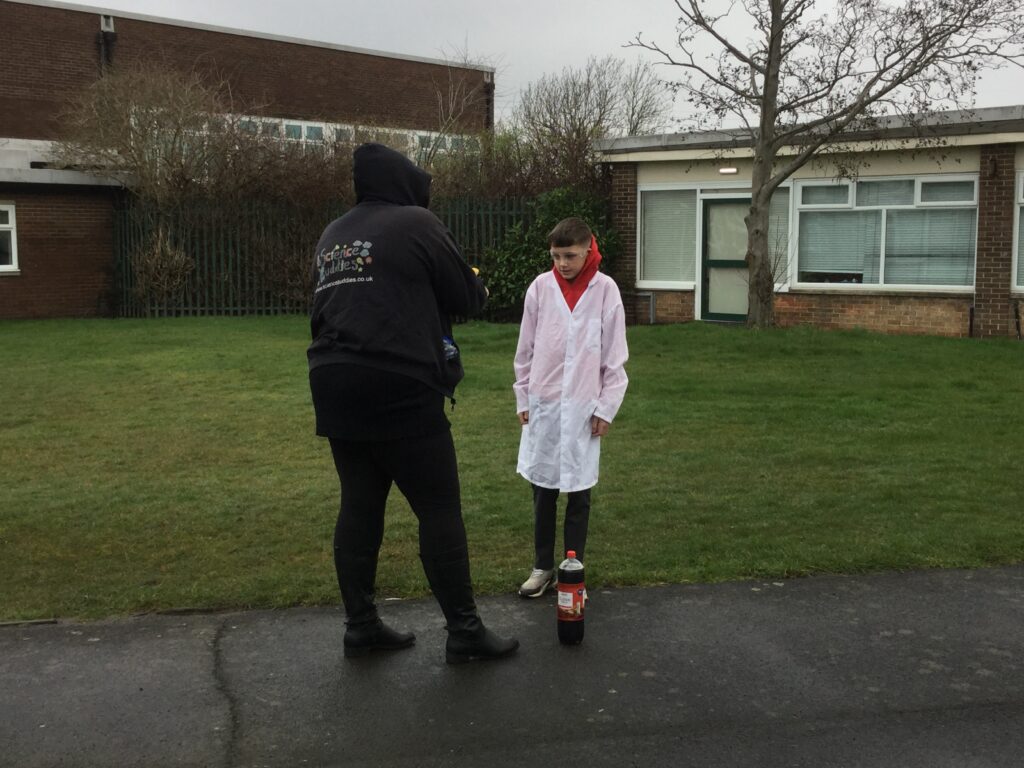
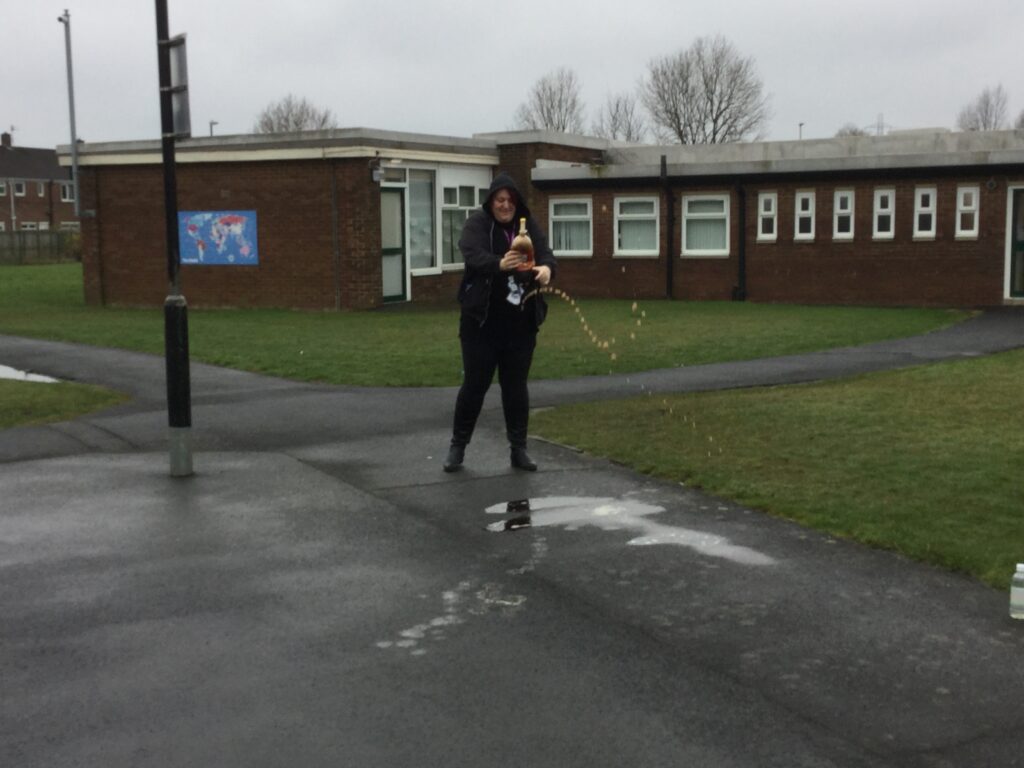
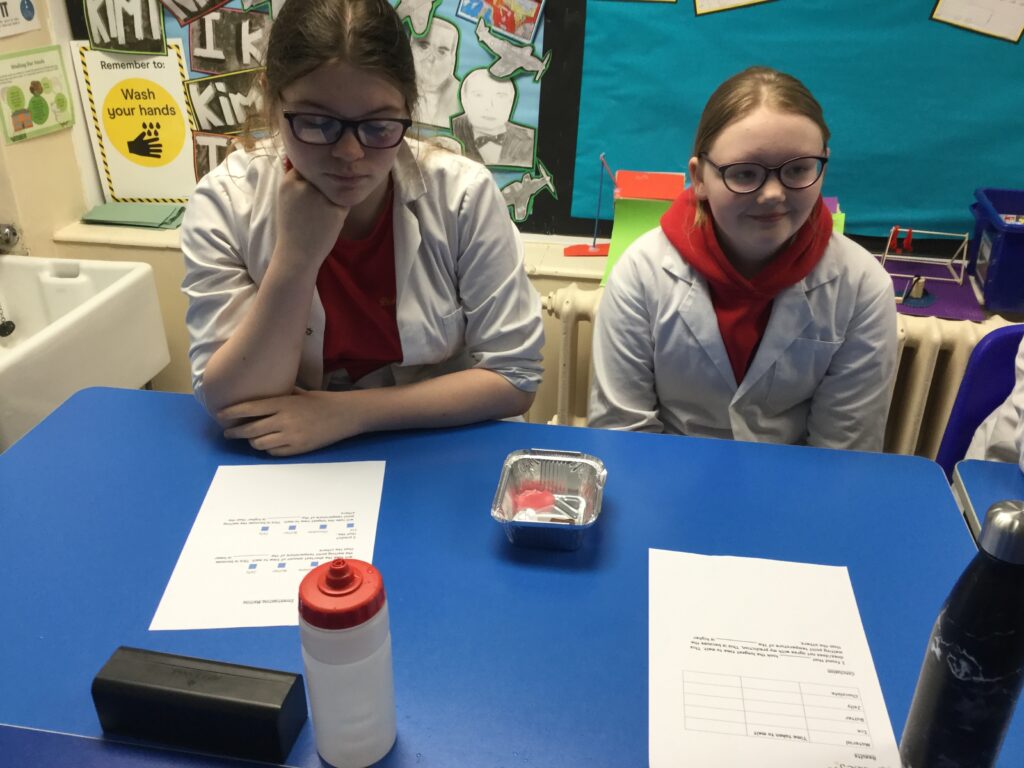
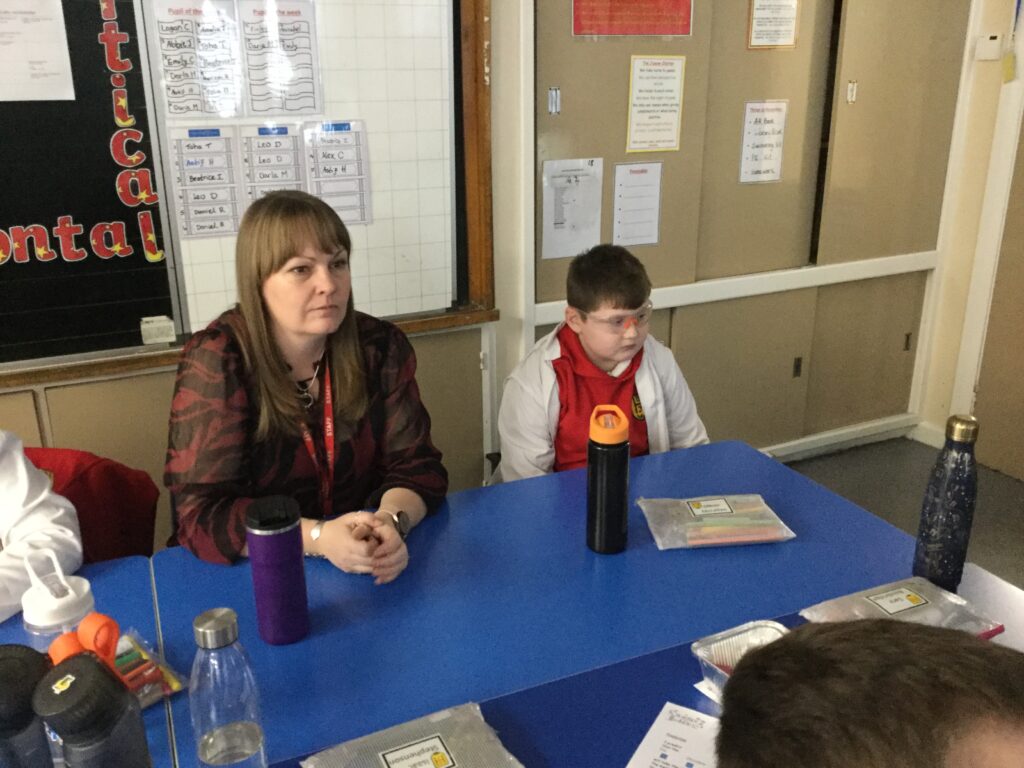
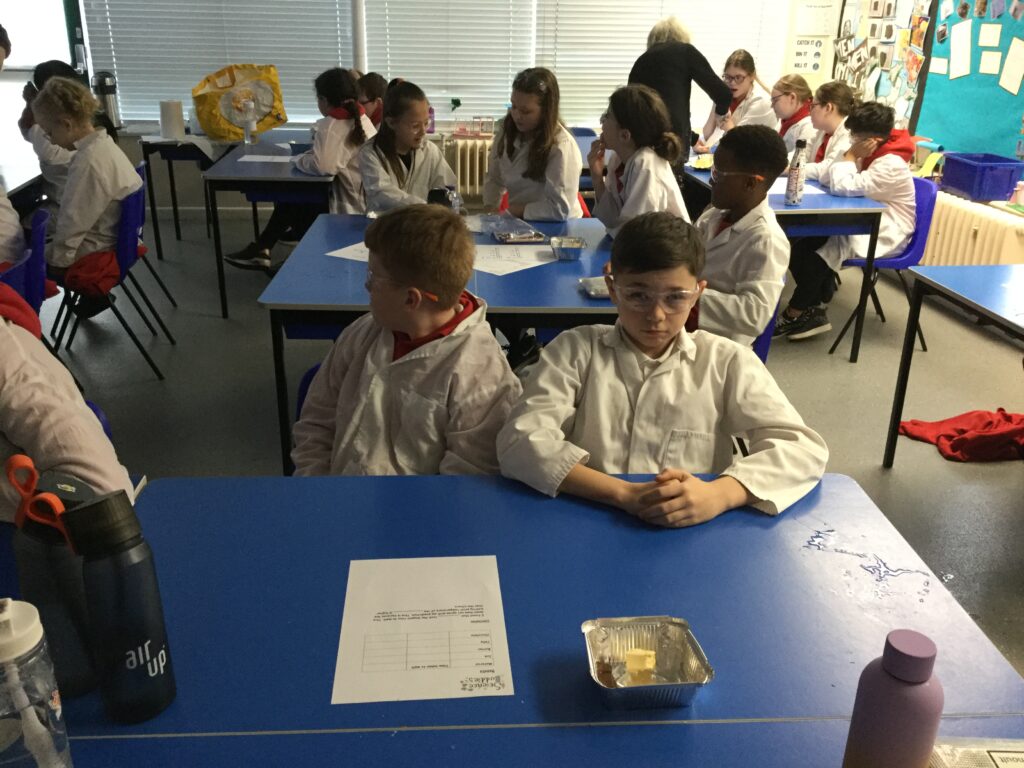
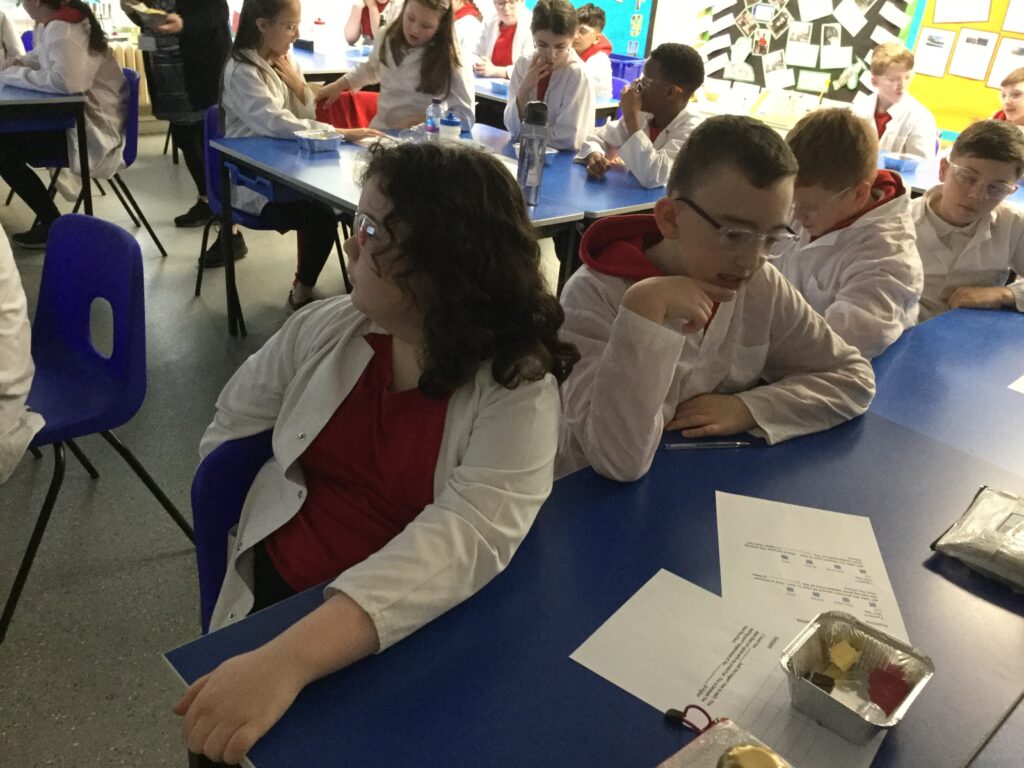
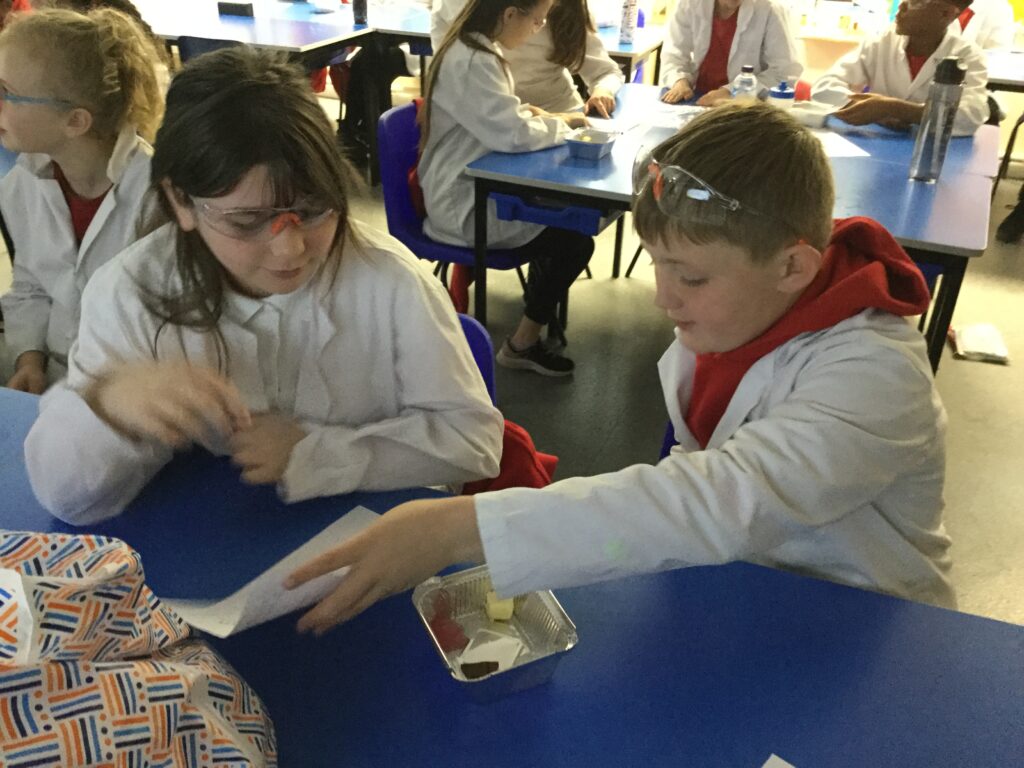
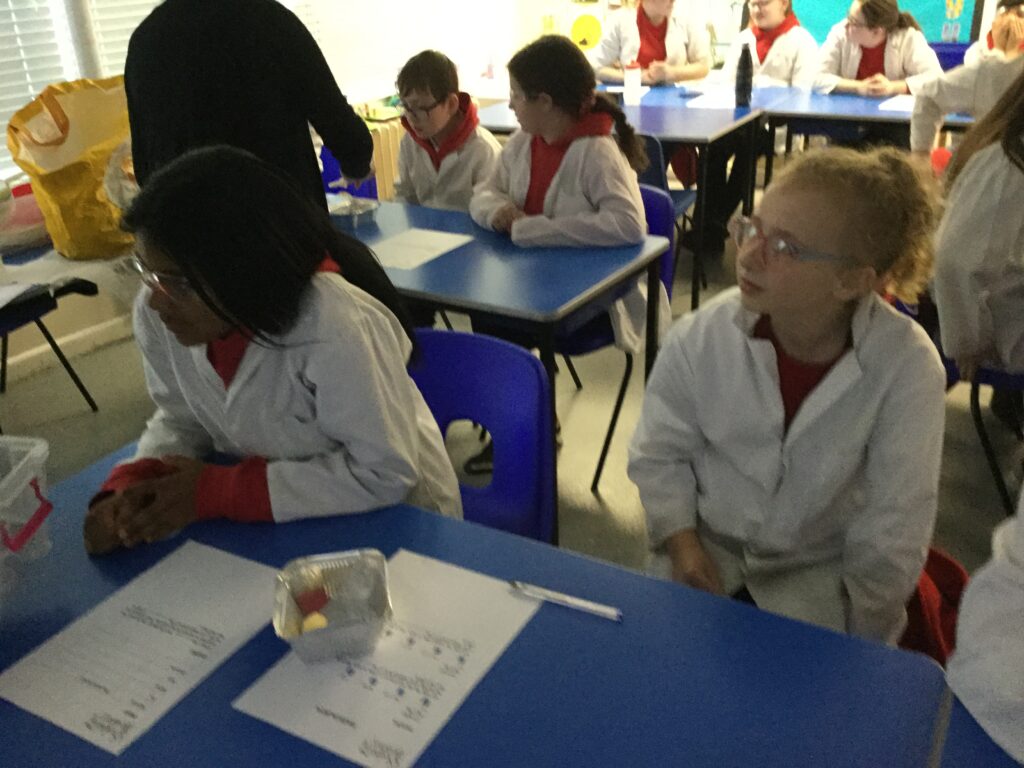
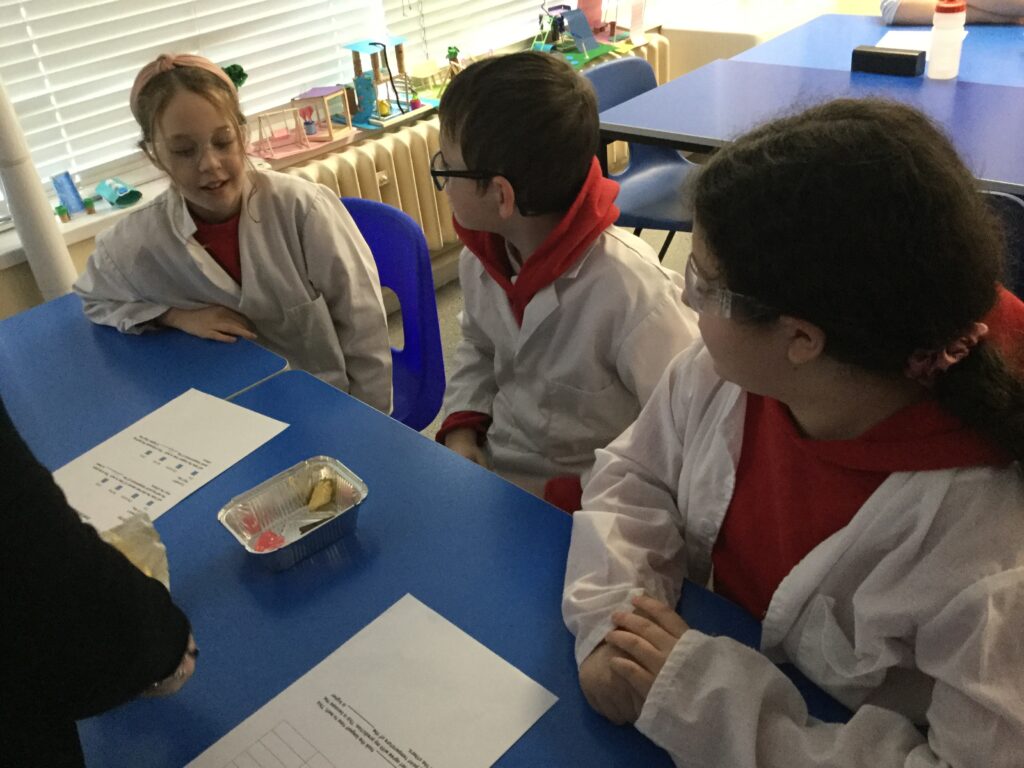
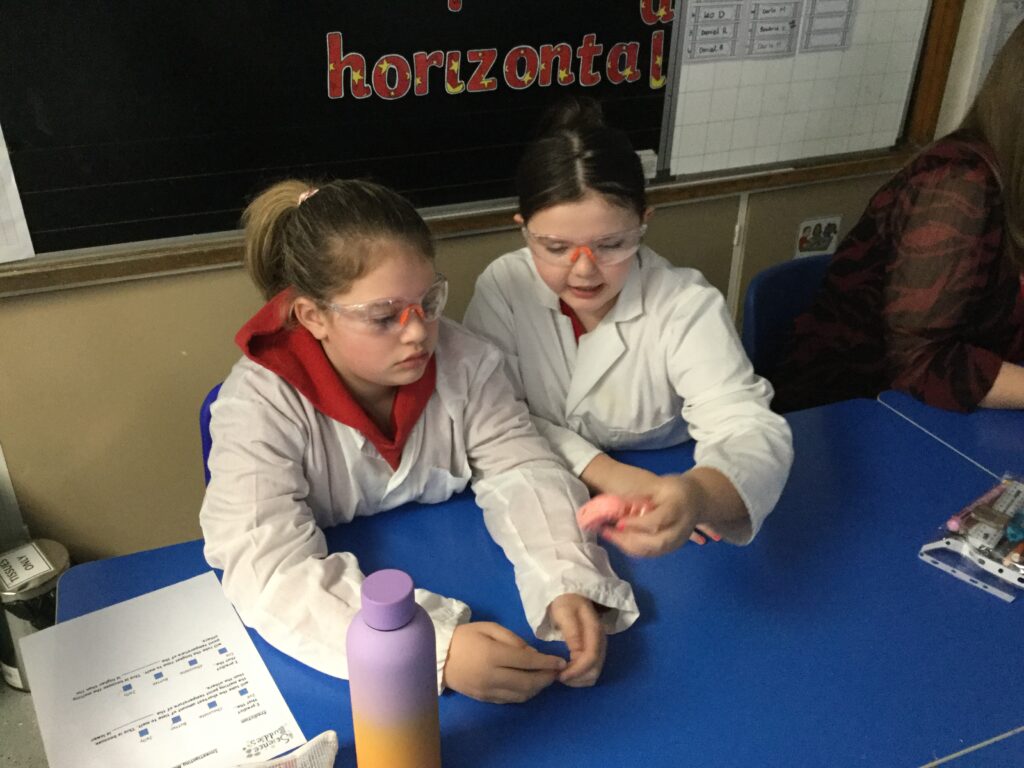
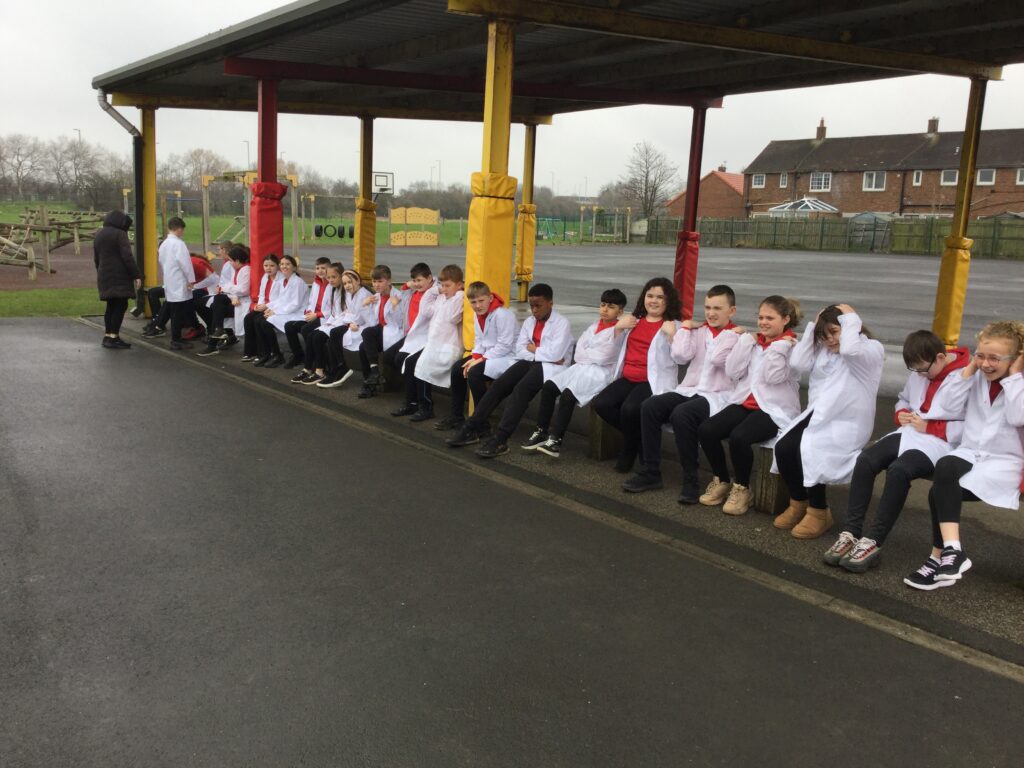
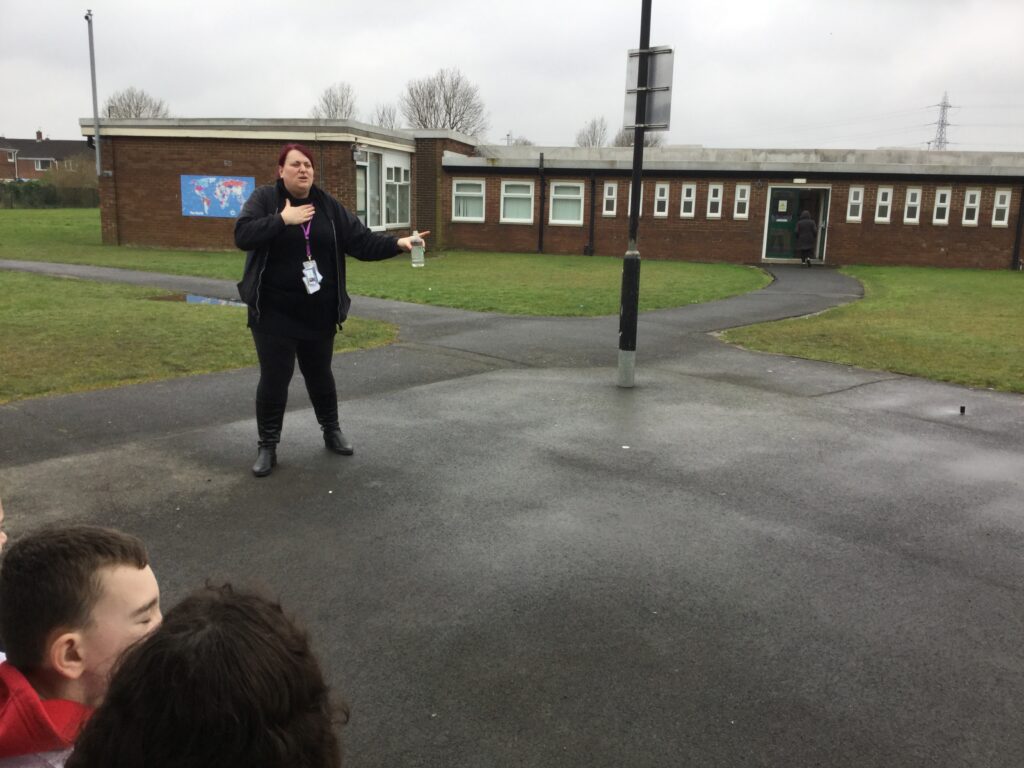
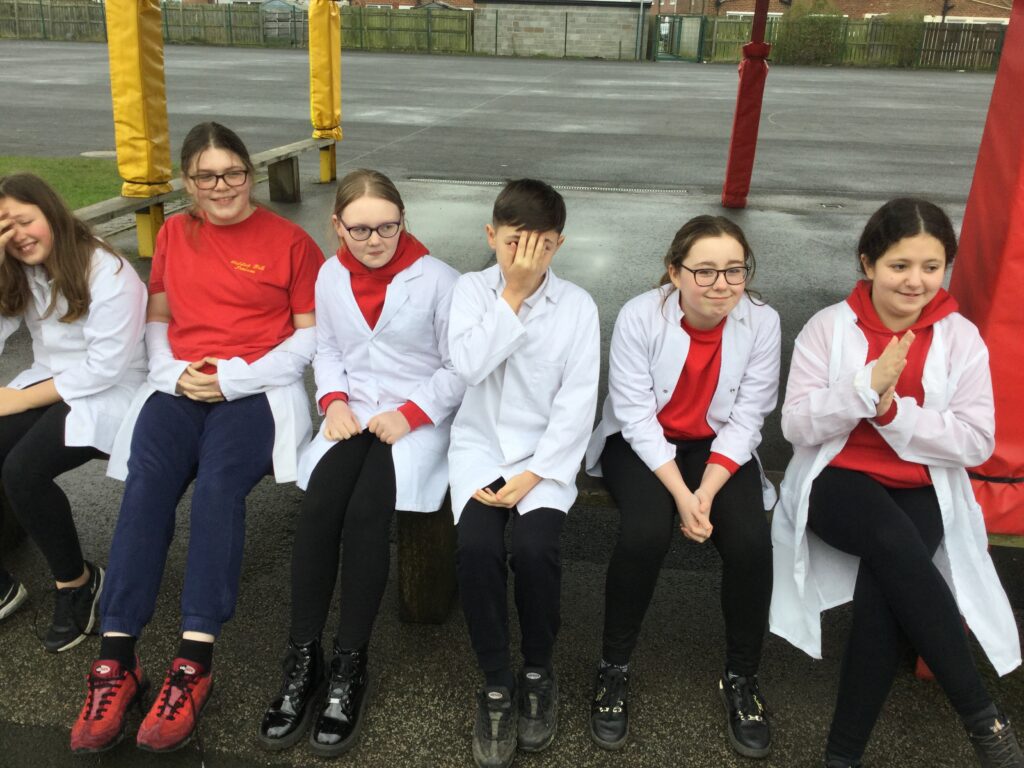
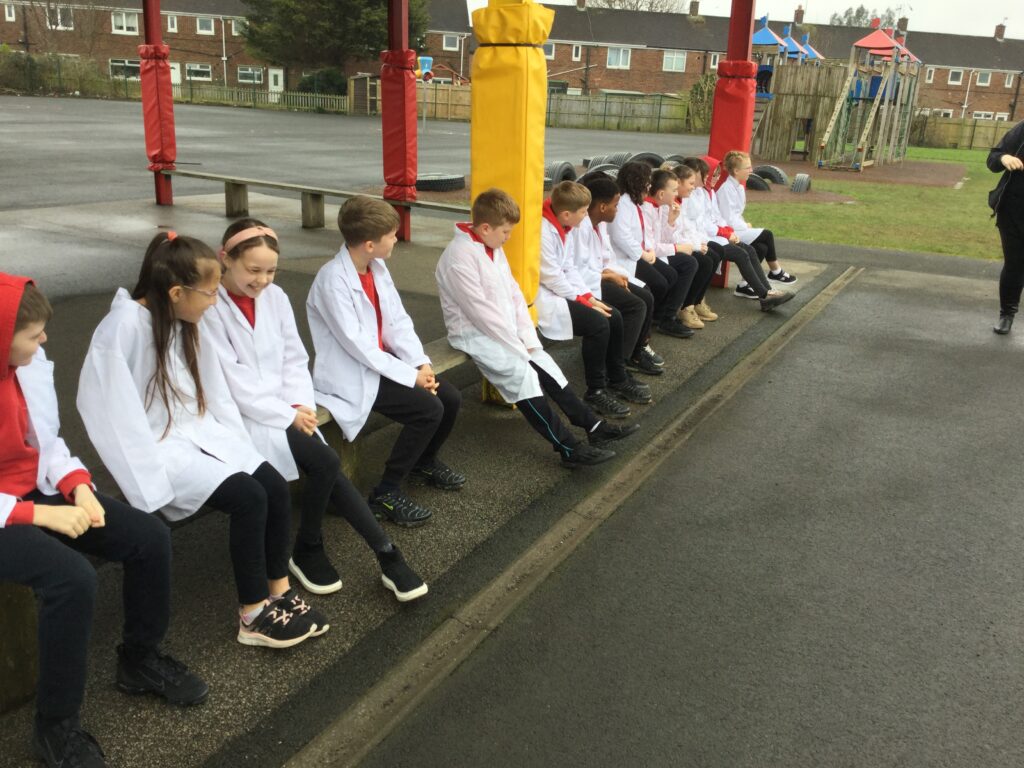
Katie came in during Science week and Year 5 had a go at being chemists. We learned about equipment such as beakers, test tubes and pipettes and how to use them successfully to get accurate results. We were talked about acids and alkalis and how they react with the same liquid (vinegar) which was used as an indicator. We were challenged to make certain colours by using different levels of acid and alkali.
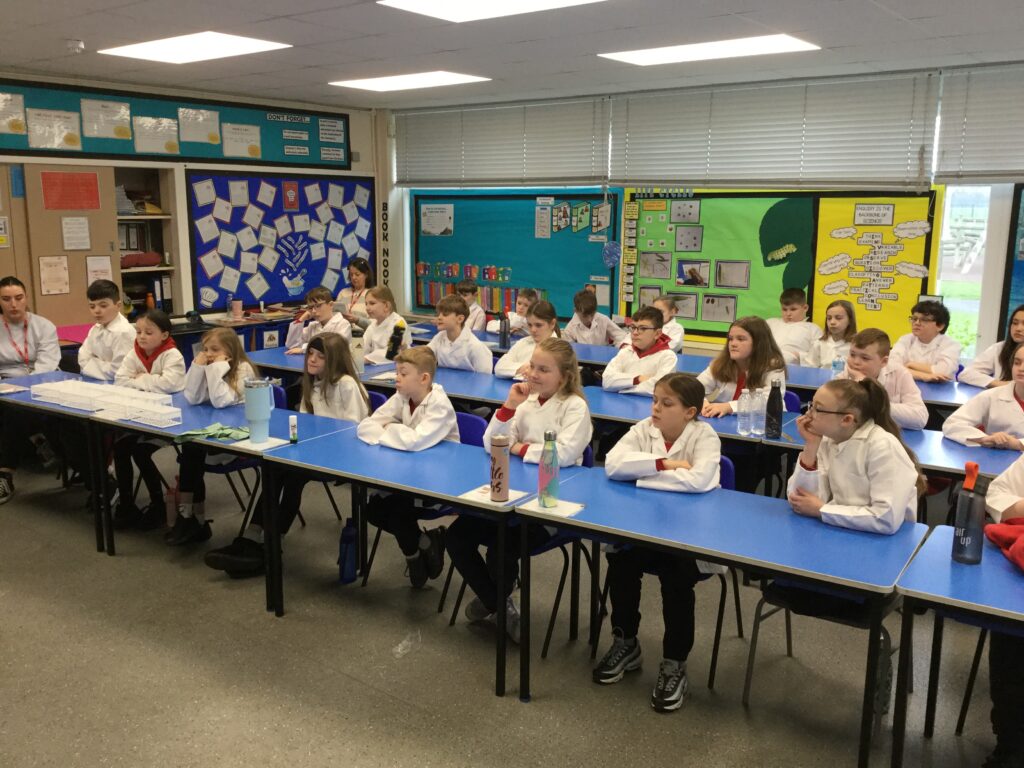
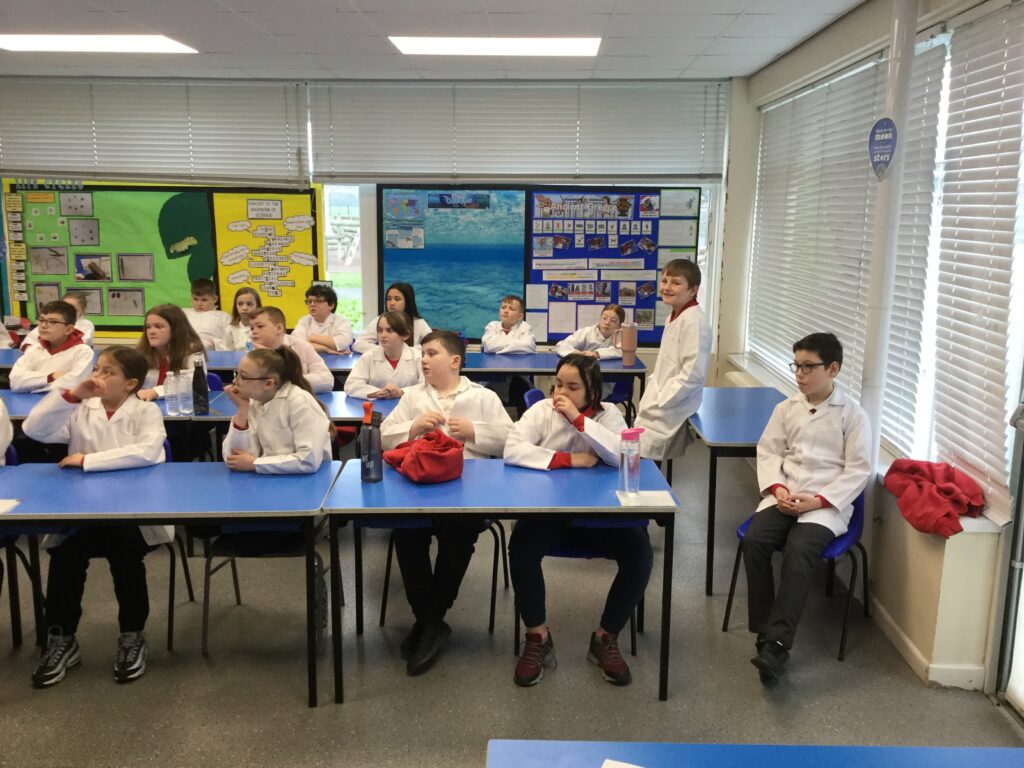
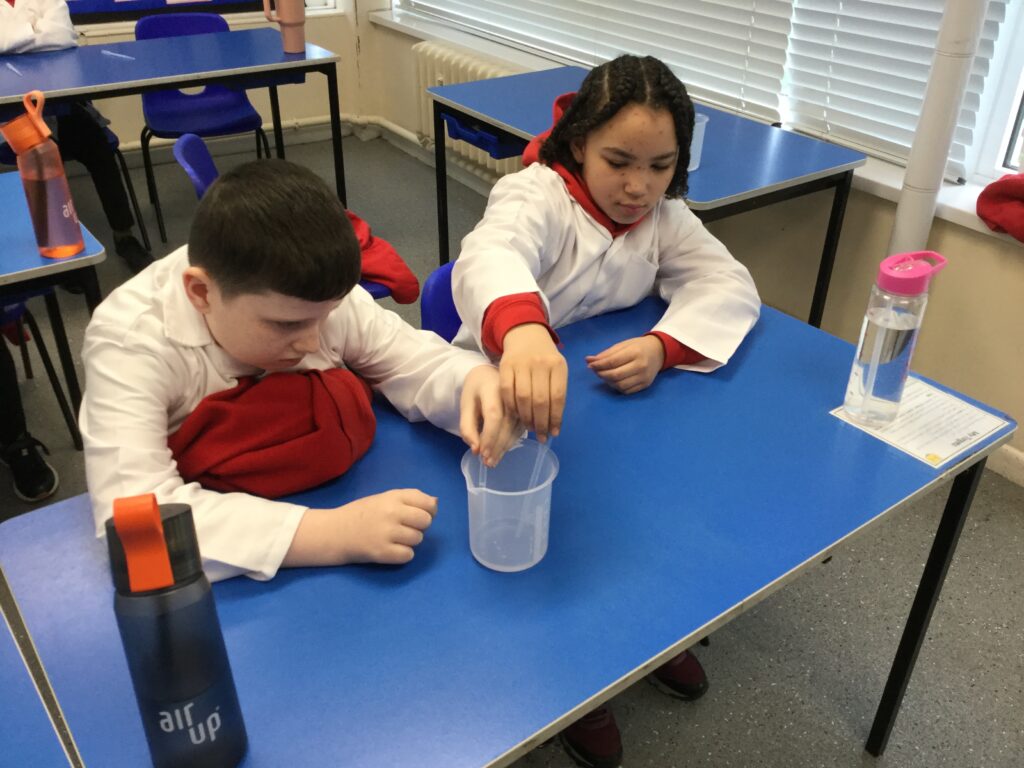
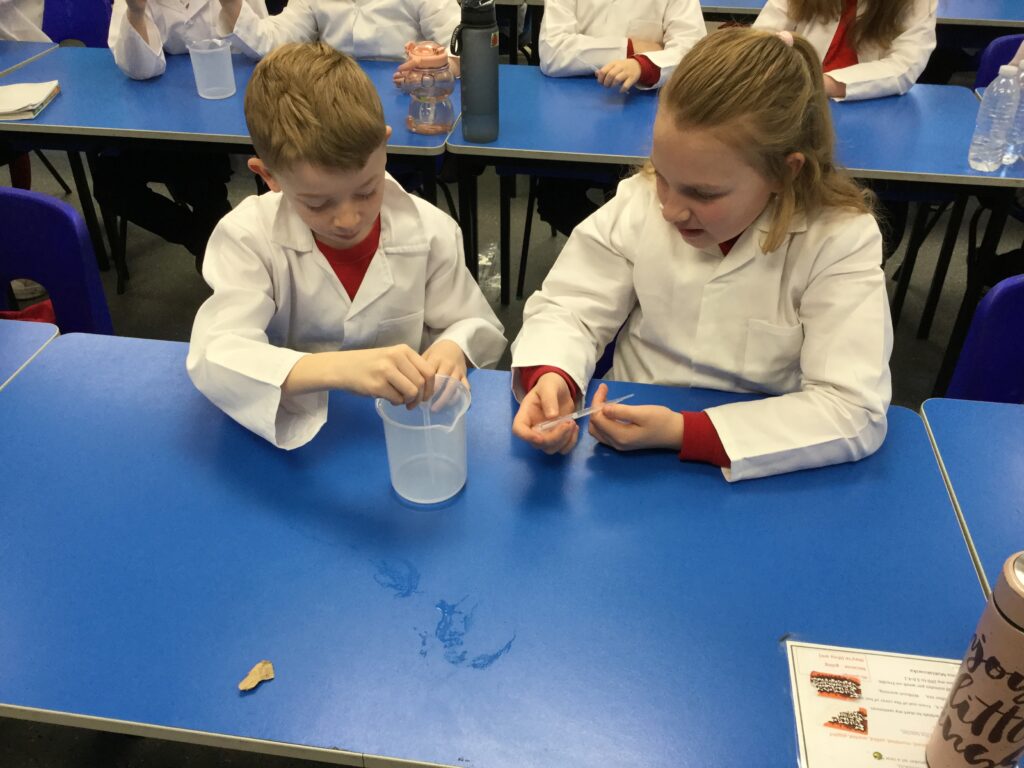
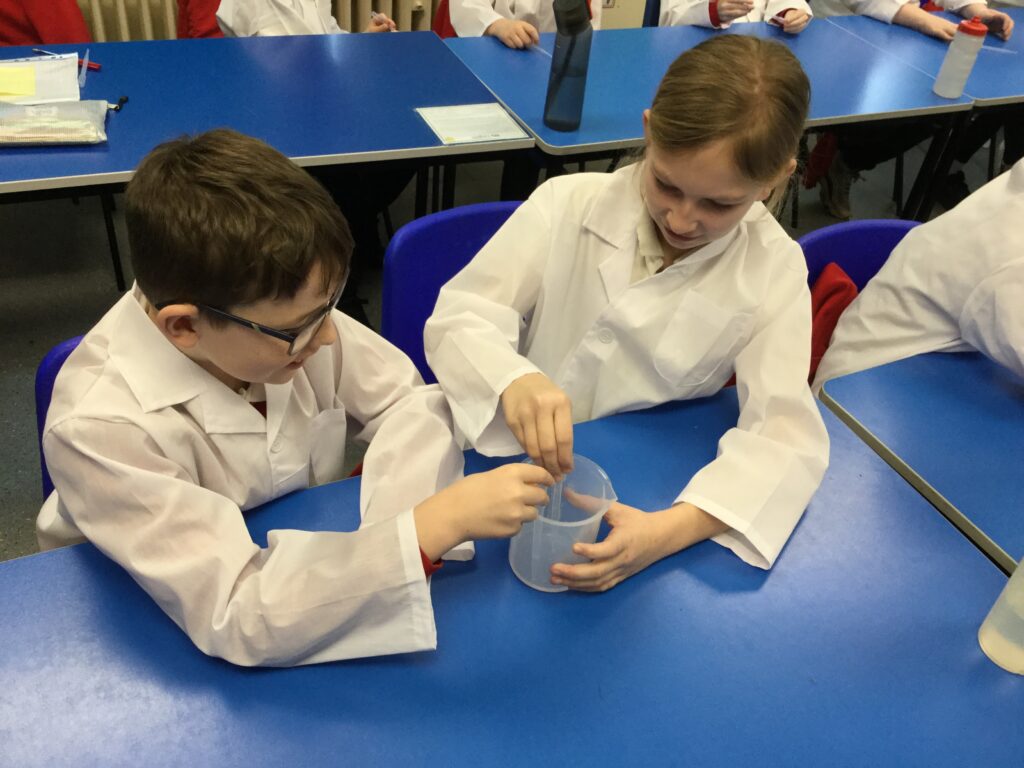
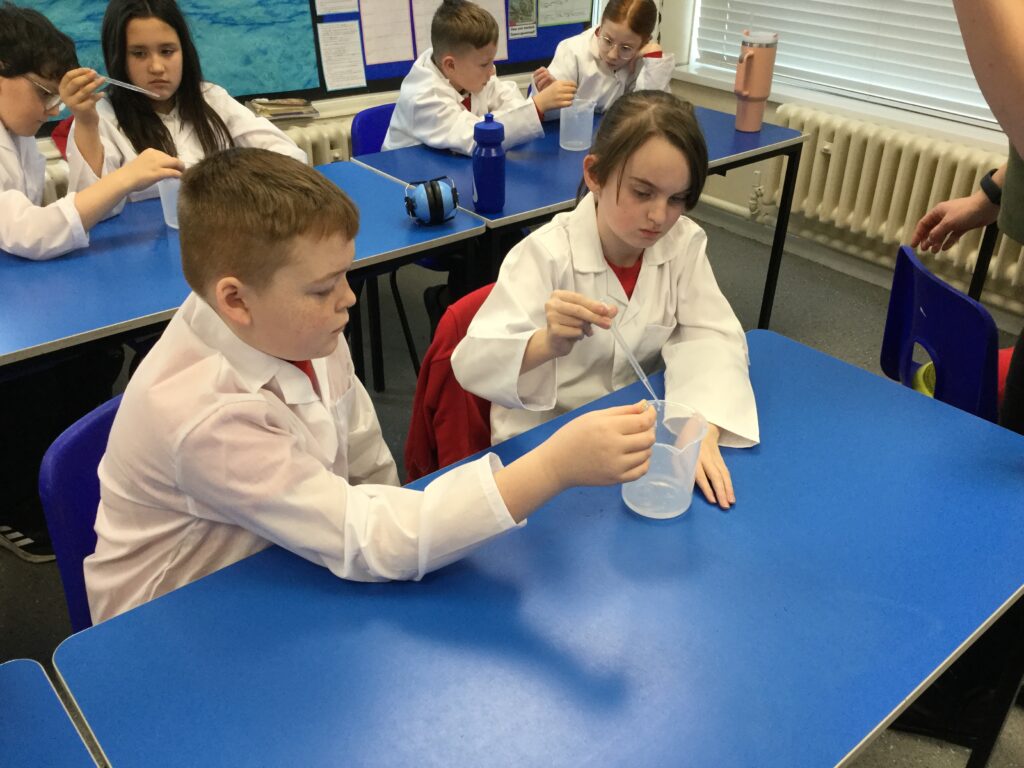
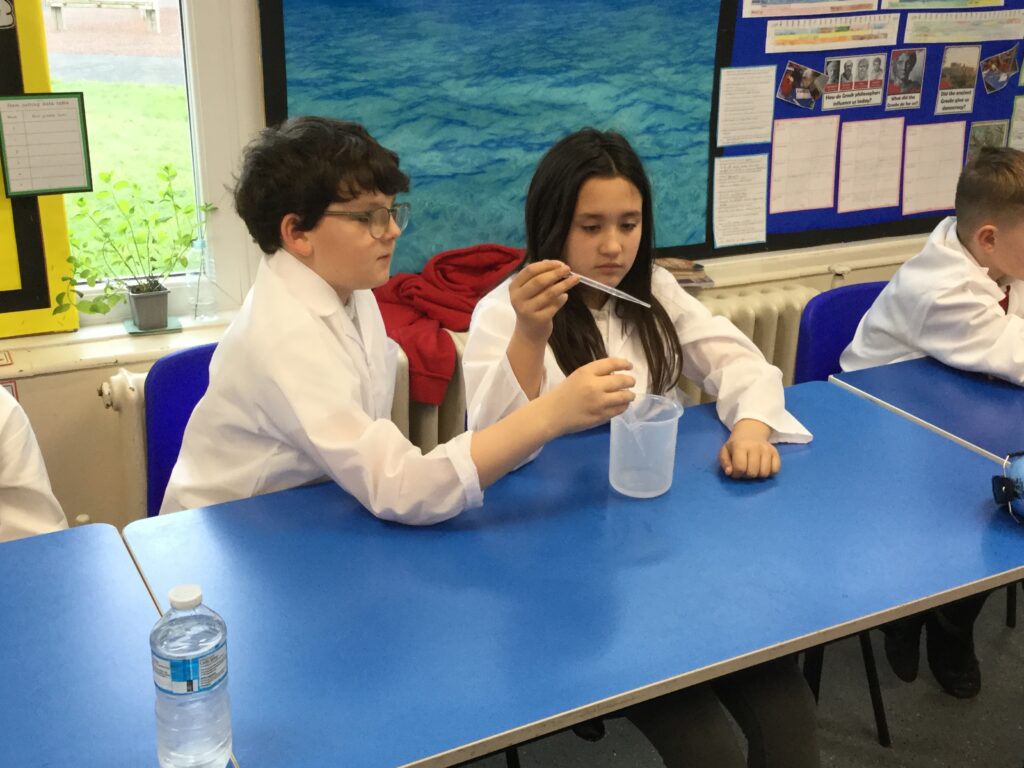
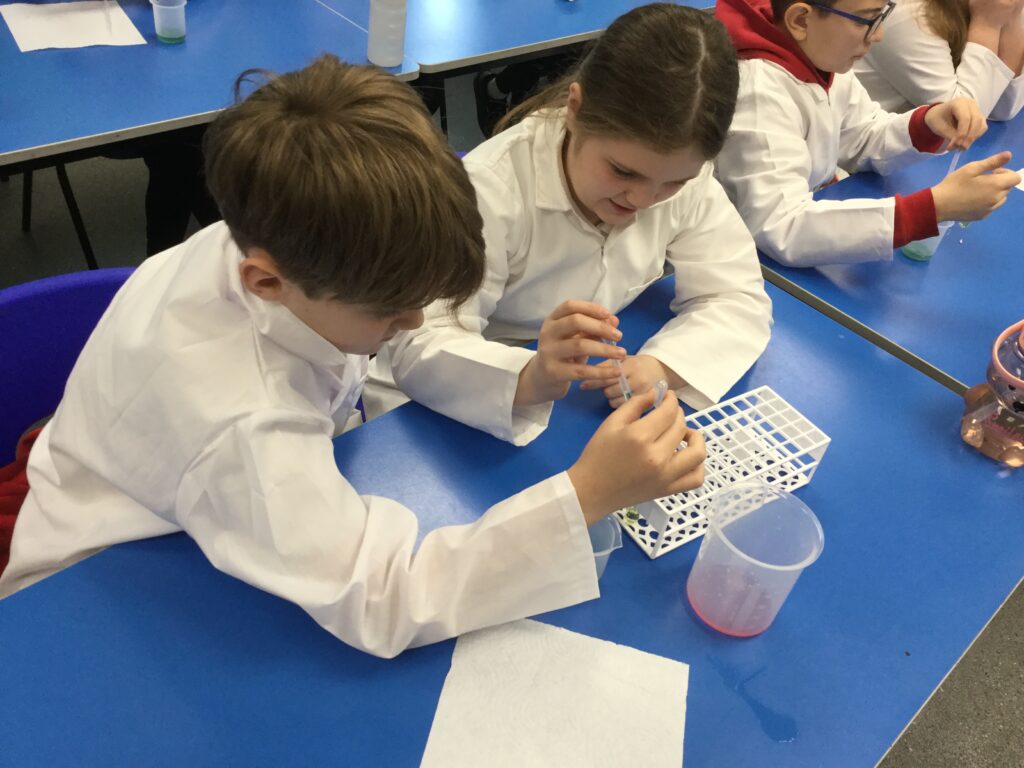
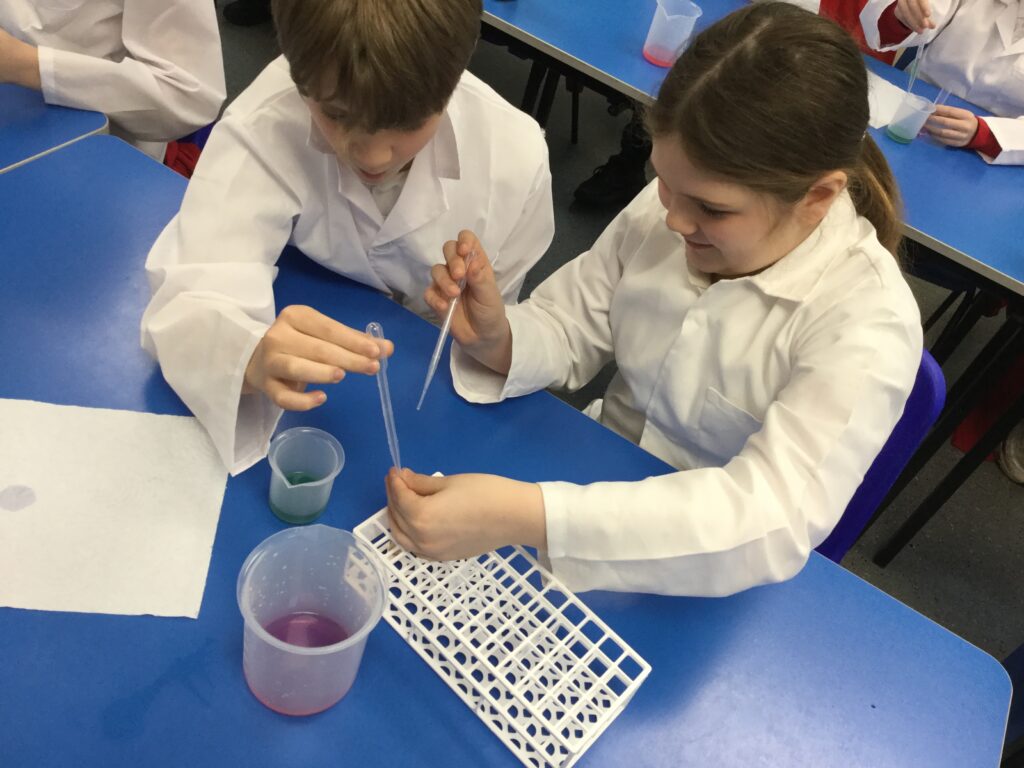
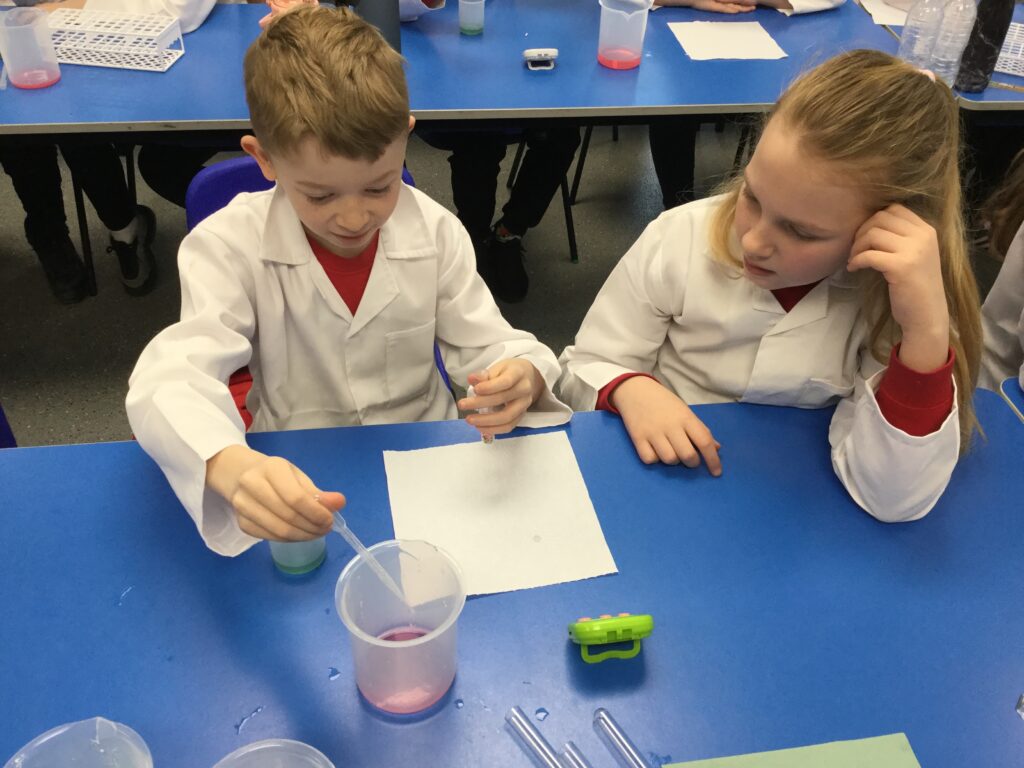
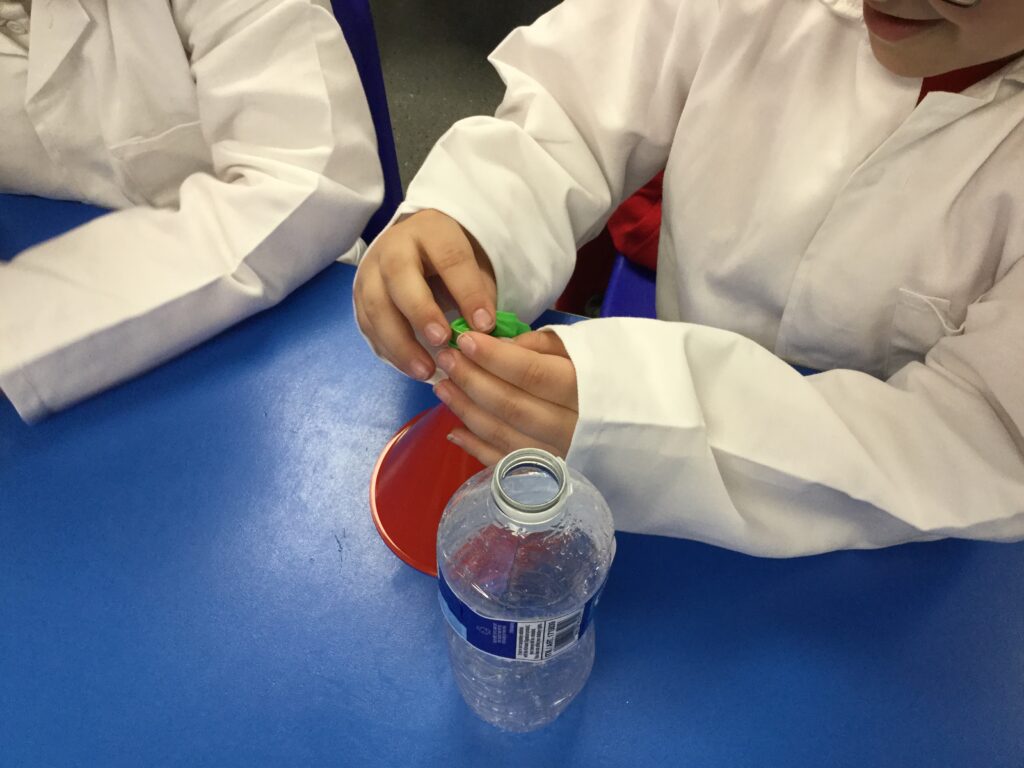
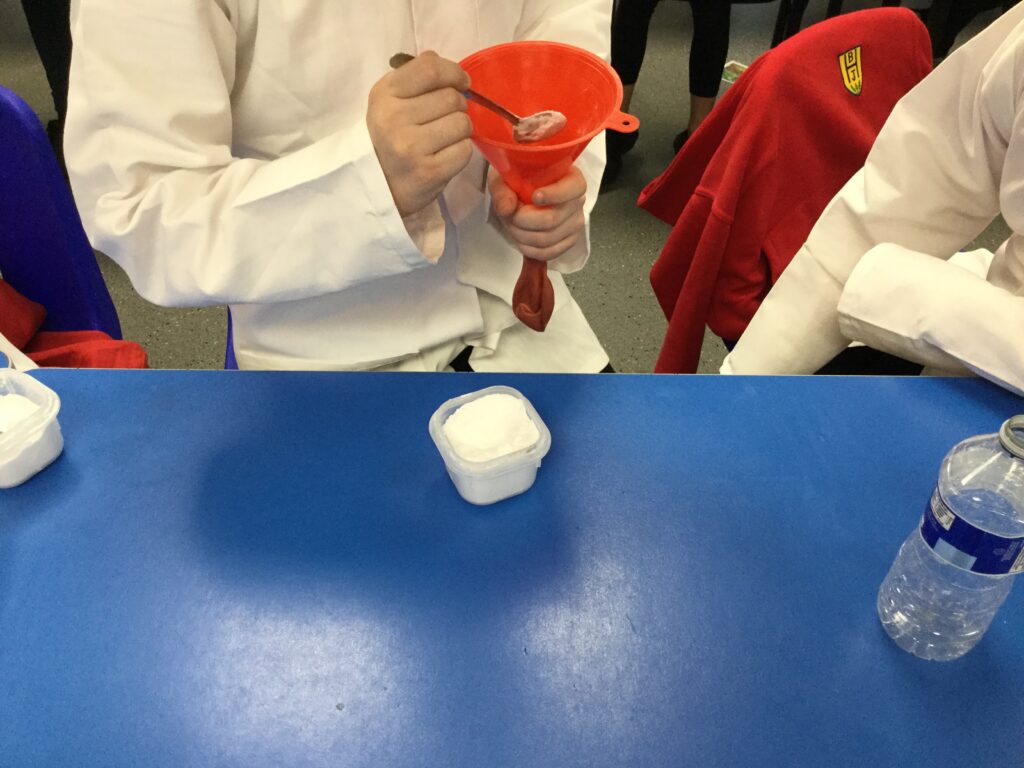
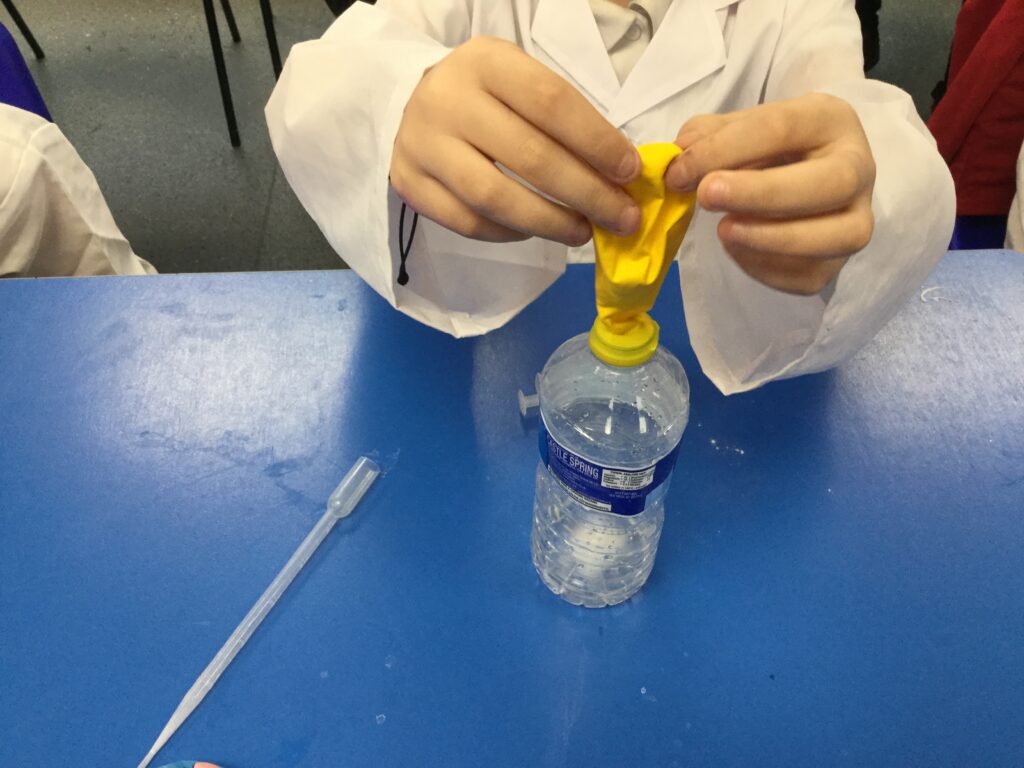
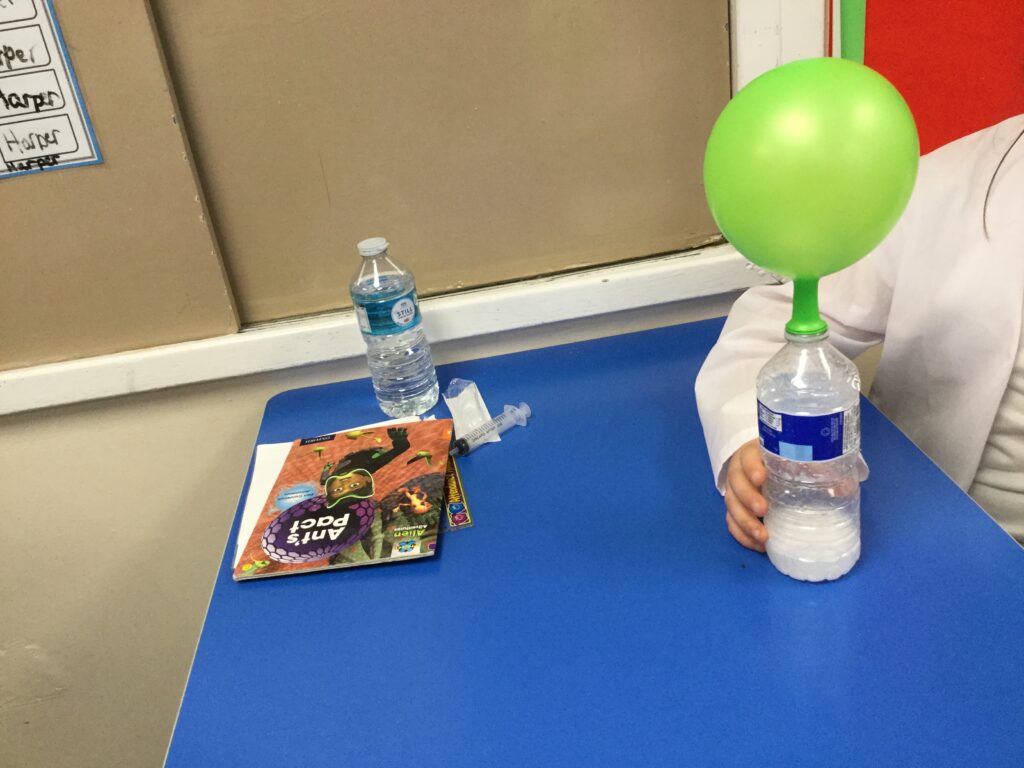
Today a scientist, Katie from Science Buddies, visited our class to help us learn more about our theme of ‘Time’. We completed three experiments with baking powder (our alkaline). One was mixed with water, one with lemon juice (acid) and the other with vinegar (acid). Then we timed the experiments, for one minute, to find out which ones gave out the most carbon dioxide and inflated the balloon to the largest size.